
Do All Turtle Species Brumate? A Species-by-Species Guide
If you’re wondering whether your turtle needs to brumate and worrying about their health during colder months, you’re asking the right questions for their well-being.
This guide covers brumating species, non-brumating species, care tips, and my personal experiences with Austen, Bronte, and Orwell.
What Is Brumation and How It Differs from Hibernation
Brumation is a state of dormancy experienced by reptiles like turtles during colder months, slowing their bodily functions to conserve energy. This is not the same as the deep, continuous sleep of mammalian hibernation.
Key differences lie in metabolic activity, temperature needs, and waking periods.
- Mammals in hibernation enter a deep, sustained sleep with a significantly lowered metabolic rate, rarely waking.
- Reptiles in brumation experience a less dramatic metabolic slowdown and will often wake on warmer winter days to drink water, though they do not eat.
- Brumation is triggered by cooler temperatures and shorter daylight hours, while hibernation is more influenced by a sustained drop in temperature.
- Turtles in brumation can be easily aroused and may even change their location, whereas a hibernating mammal is very difficult to rouse.
Think of it like a car in winter. Hibernation is like turning the engine off completely and putting it in a garage for the season, while brumation is like letting the engine idle slowly, ready to go if there’s a brief warm spell. The car isn’t being driven, but it’s not completely shut down either.
Do All Turtle Species Experience Brumation?
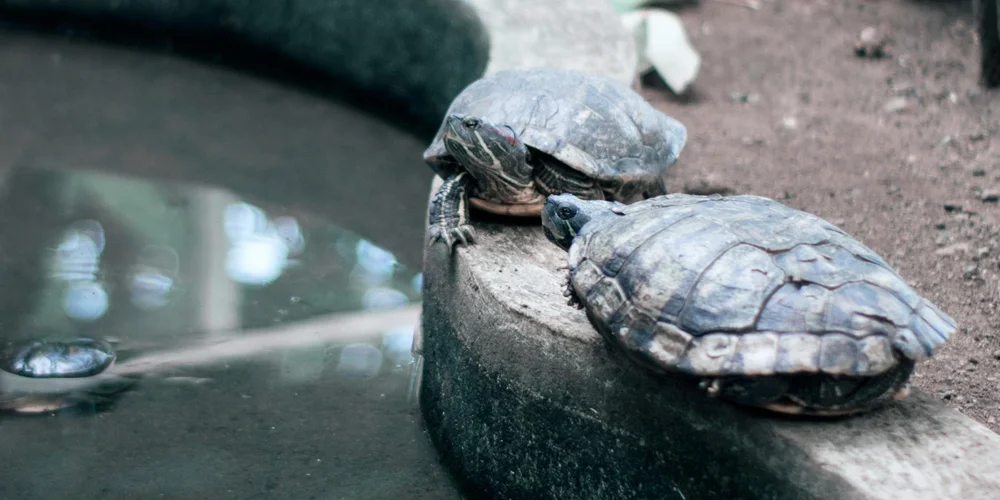
No, brumation is not a universal turtle experience. Whether a turtle brumates depends almost entirely on the climate of its natural habitat. My Russian Tortoise, Austen, comes from a region with cold winters, so his instincts are strong. My other pets from warmer climates have no such drive. During winter, feeding routines change as brumation begins—many turtles eat less or stop altogether. These seasonal changes in climate also influence how you care for them during this transition.
Species from temperate climates, which experience distinct seasonal changes, have evolved to brumate as a survival strategy.
- Turtles from North America, Europe, and parts of Asia, like Russian Tortoises and many Box Turtles, typically brumate.
- Species from tropical regions, like the Red-Footed Tortoise or the African Sideneck Turtle, do not brumate as their native environment is warm year-round.
The line between wild instinct and captive care also plays a role.
- In the wild, brumation is a necessary response to cold weather and food scarcity.
- In captivity, with consistent warmth and food provided, brumation becomes a choice for the owner, often guided by the animal’s health and natural inclinations.
Here are some general rules based on turtle types:
- Aquatic Turtles: Many popular species like Painted Turtles and Sliders brumate, often burrowing into the mud at the bottom of ponds.
- Terrestrial Turtles: Box Turtles and Wood Turtles are classic brumators, digging down into the soil to escape the frost.
- Tortoises: Species from Mediterranean or arid climates, like my Greek Tortoise Bronte, often brumate, while tropical species like the Sulcata do not.
A Species-by-Species Brumation Guide for Common Pet Turtles
Freshwater and Aquatic Turtles
Common pet species like red-eared sliders and cooters do enter a dormant state, though it’s less of a true deep sleep and more a period of extreme sluggishness. Their metabolism slows dramatically in response to cold water, often for three to five months depending on your local climate.
- Dormancy duration typically aligns with colder months, and they require water temperatures consistently between 45-55°F (7-13°C) to safely slow down.
- Their primary overwintering strategy involves burying themselves in the mud at the bottom of their pond or tank, absorbing what little oxygen they need through their skin.
- A fascinating survival adaptation is their ability to tolerate high levels of lactic acid buildup, which would be fatal to most mammals.
Box Turtles and Semi-Terrestrial Species
These creatures follow strong environmental cues, with shortening daylight hours (photoperiod) being a major trigger. You’ll notice them becoming less active and showing a distinct loss of appetite weeks before they fully settle in.
- Clear brumation signs include digging and seeking out dark, secluded spots to create a burrow.
- A food deprivation period of two to four weeks is vital to empty their gut and prevent food from rotting inside them during dormancy.
- From my own experience with Orwell, my box turtle, I always provide a deep layer of moist sphagnum moss in his hide; he burrows right in and remains peacefully dormant for the winter.
Tortoises: Large and Small Varieties
Brumation behavior varies significantly even among common pet tortoises. My Russian tortoise, Austen, brumates deeply and predictably every year, while my Greek tortoise, Bronte, often has much lighter, more intermittent periods of rest.
- Species like the Russian tortoise are adapted for cold winters and require a proper brumation period for long-term health.
- Mediterranean species like the Greek tortoise may only slow down and not enter a full brumation, especially if kept indoors.
- Temperature adjustments are key; you must provide a stable, cool environment around 40-50°F (4-10°C), free from drafts and freezing temperatures.
How to Prepare Your Pet Turtle for Brumation
-
Begin with gradual adjustments over several weeks. Slowly reduce the daylight hours and lower the ambient temperature in their enclosure by a few degrees each week. This mimics the natural onset of autumn and prevents shock.
-
Stop offering food two to four weeks before the planned start date, but continue to provide warm, shallow soaks for hydration. A final, long soak helps ensure they are fully hydrated before their long rest begins.
-
Prepare a dedicated brumation box or area with a deep substrate like peat moss or shredded newspaper. The housing setup must be in a dark, quiet, and consistently cool place where the temperature will not fluctuate. Check on them weekly for any signs of weight loss or illness.
Recognizing Brumation Signs and Monitoring Health
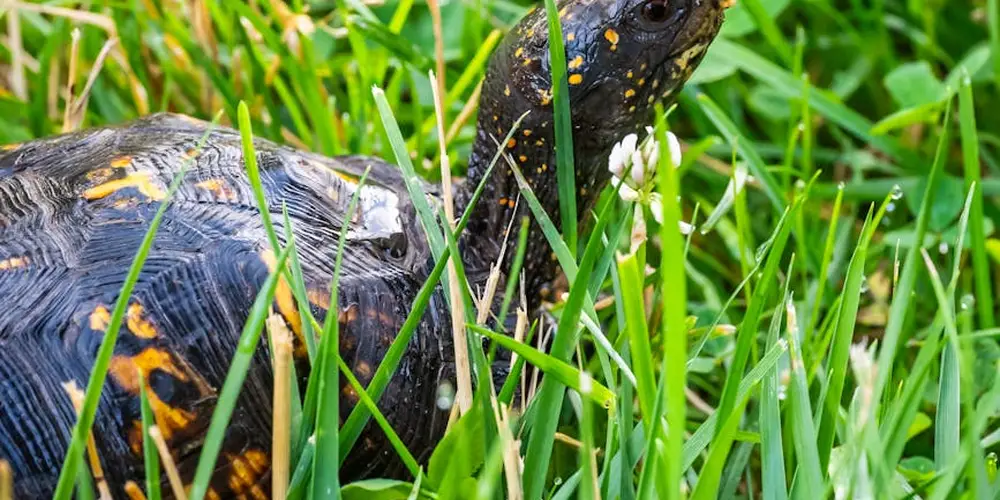
Watching my Russian tortoise, Austen, slow down each autumn taught me to spot brumation’s subtle onset. You’ll notice a gradual decline in appetite and a preference for hiding in cool, dark corners of the enclosure. Their movements become lethargic, and they might stop eating entirely a week or two before becoming fully dormant.
Common Indicators of Metabolic Slowdown
- Significantly reduced food intake or complete refusal of meals
- Noticeable lethargy and increased hours spent sleeping
- Seeking out the coolest area of the habitat, often burrowing
- Less frequent bowel movements as their digestive system winds down
Distinguishing Brumation from Illness
This distinction is vital for your turtle’s welfare. A brumating turtle, like my Greek tortoise Bronte, will still have clear, bright eyes and firm muscle tone when gently handled. A sick turtle often shows symptoms like bubbly nostrils, wheezing, swollen eyes, or a soft shell, which never occur in healthy brumation. Weight loss is minimal in a proper brumation cycle, while illness causes rapid, concerning decline. Keep a lethargic turtle checklist handy to distinguish brumation-related sleepiness from illness. If lethargy persists beyond expected brumation, consult a veterinarian.
Performing Regular Health Checks
I check on my box turtle, Orwell, weekly without pulling him from his brumation spot. Gently observe their breathing for steady, slow rhythms and ensure their eyes and nose remain clear of discharge. I keep a small log to track their weight every few weeks; a stable weight confirms they are healthy, not sick. Avoid turning on bright lights or causing vibrations, as deep sleep is essential for their cycle, especially when they are brumating.
Addressing Brumation Challenges and Safety
Brumation is a natural process, but in captivity, we must manage the environment carefully to prevent harm. The greatest risks come from temperatures that are too cold, leading to frostbite, or too warm, which causes dangerous dehydration and energy depletion. I learned this the hard way when Austen’s first brumation spot was near a drafty window.
Managing Risks and Knowing When to Intervene
- Maintain a stable temperature between 40-55°F (4-13°C), depending on the species
- Provide a shallow water dish for occasional drinking if they briefly awaken
- Intervene by gradually warming them if you notice significant weight loss or listlessness
- End brumation early if the turtle becomes active during a warm spell, as restarting is stressful
When to Seek Veterinary Care
Contact your vet immediately if you observe labored breathing, mucus around the mouth or nose, or a foul odor. Any signs of injury, extreme weight loss, or prolonged inactivity beyond the usual season warrant a professional assessment. Reptile veterinarians can perform checks for parasites or infections that might mimic brumation signs.
Handling Skipped or Shortened Brumation
Many captive turtles, especially those kept indoors with consistent heat and light, may skip brumation entirely. This is generally safe, but you might notice increased restlessness or a slight decrease in appetite during their normal brumation period. For turtles that begin brumation but wake early, ensure they have access to warmth, UVB light, and hydration to support their system as it reactivates. My Greek tortoise once brumated for only three weeks, and providing a warm soak helped her transition smoothly back to normal activity. If you’re aiming to safely wake a turtle from brumation, do it gradually by slowly increasing warmth and light over several days. Continue offering a warm soak, hydration, and access to UVB as they reawaken and resume normal activity.
Post-Brumation Care and Recovery Steps
-
Detail how to gradually reintroduce food, light, and warmth
Your turtle’s system is delicate after brumation. Rushing this process can cause serious health issues. Start by slowly increasing the ambient temperature in their enclosure over two to three days. I mimic the gentle warmth of a spring sunrise, not a summer heatwave.
Next, reintroduce their basking lamp. Offer it for just a few hours at first, then gradually extend the photoperiod each day. This slow ramp-up gives their metabolism a gentle nudge to restart, rather than a jarring shock to the system.
Food is the final step. Wait until your turtle is fully warm and active, often 3-5 days after warming begins. Their first meal should be small and easy to digest. I always offer a few soaked pellets or a single leaf of tender greens to my crew. If you’re transitioning your turtle from commercial fresh foods, start with a small amount of the new greens mixed into their regular pellets and increase gradually. This gradual switch helps prevent digestive upset as your turtle acclimates.
-
Explain monitoring for healthy awakening and metabolic resumption
A healthy turtle will show clear signs of revival. Look for bright, alert eyes and a general increase in activity. They should show interest in their surroundings and, eventually, in food. If your turtle isn’t showing these signs, you may wonder how to tell if your turtle is sick. Watch for persistent lethargy, loss of appetite, swelling, or abnormal breathing and seek veterinary advice if you notice them.
Monitor their weight. A small initial drop is normal, but it should stabilize and then increase with regular feeding. Consistent weight gain is one of the most reliable indicators that their metabolism is properly back online.
Watch for normal urination and defecation. Their first post-brumation bowel movement is a great sign that their digestive tract is functioning again. Any lethargy, nasal discharge, or swollen eyes requires an immediate vet visit.
-
Share personal experiences with post-brumation check-ups and hydration
My first task with Austen and Bronte is always a warm, shallow soak. I use a flat container with just enough lukewarm water to reach their chin. This encourages them to drink and rehydrate, which is absolutely critical.
I sit with them during this 15-20 minute soak, gently observing. I check their shell for any soft spots and their skin for retained shed. This quiet, hands-on time is my best opportunity to spot any subtle health concerns that might have developed during their rest.
Orwell, my box turtle, often needs a little extra encouragement. I’ll sometimes place a piece of his favorite strawberry in the water to stimulate his appetite and interest. Seeing him take that first, tentative bite is always a huge relief and a sure sign he’s on the right track.
FAQs
Is brumation necessary for all pet turtles?
No, brumation is only essential for species originating from temperate climates with cold winters. For tropical turtles or those kept in consistently warm indoor setups, skipping brumation is generally safe and does not impact their health. A quick risk-benefit analysis can help you decide whether brumation is appropriate for your pet, considering the species’ climate origin, health status, and your ability to monitor the process. If your turtle is tropical or housed in warm conditions, this analysis often favors skipping brumation, but individual factors and veterinary guidance should guide the final decision.
What are the risks if brumation goes wrong?
Improper brumation can lead to dehydration, energy depletion, or frostbite if temperatures are unstable. Monitoring for significant weight loss or illness and maintaining a steady cool environment are key to minimizing these dangers.
How long does a typical brumation period last?
Brumation usually spans three to five months, depending on the species and local climate conditions. It ends naturally as temperatures warm, signaling the turtle to gradually become active again. This is part of a complete guide to turtle brumation and hibernation. You’ll learn how to prepare, monitor, and safely reintroduce your turtle after dormancy.
Your Turtle’s Brumation Journey
From caring for Austen and Bronte, I’ve learned that brumation isn’t universal and hinges on species-specific traits like habitat and behavior. To help your turtle thrive during brumation, create an ideal brumation environment with stable temperatures, minimal disturbances, and appropriate humidity. Tailoring your approach based on reliable guides prevents stress and supports your turtle’s natural rhythms effectively.
Commit to responsible ownership by continuously updating your knowledge through trusted sources and observing your pet’s unique signals. Your ongoing education directly enhances their quality of life, fostering a bond built on attentive, compassionate care.
Further Reading & Sources
- Turtle Brumation: The Benefits & Dangers Of The Hibernation Cycle
- Brumation in Turtles and Tortoises | Taking Caring of Reptiles
- Brumation – ReptiFiles Red-Eared Slider Health Guide
- Turtles Don’t Hibernate, They Brumate. | PBS North Carolina
Matthew is a dedicated turtle enthusiast and conservationist with over 15 years of experience in reptile care. Known affectionately as "The Leatherback" among his peers, he combines his passion for turtles with a commitment to educating pet owners on responsible turtle care and environmental stewardship.
Winter Care