
How to Care for a Pet Water Turtle: Daily, Weekly & Monthly Tasks
Published on: June 27, 2026 | Last Updated: June 27, 2026
Written By: Matthew The
Welcoming a water turtle into your life brings joy, but it’s natural to feel concerned about maintaining their aquatic home and ensuring they eat well. From my years of caring for reptiles like my gentle tortoise Austen, I’ve learned that a consistent care routine keeps pets healthy and reduces stress for you.
This article covers daily feeding and habitat checks, weekly water and tank cleaning, and monthly health reviews to guide you step by step.
Getting Started with Water Turtle Care
Water turtle care is a rewarding marathon, not a sprint. This commitment involves creating a miniature, self-sustaining aquatic world that meets all their physical and behavioral needs. I learned with my own shelled friends that their care is a daily rhythm of observation and small tasks.
Their basic needs are straightforward but non-negotiable. A good rule of thumb is 10 gallons of water volume per inch of turtle shell length. Water depth should allow them to swim freely and turn over easily if they flip onto their backs. Ensure you know how much water a turtle tank needs to provide a suitable aquatic environment.
Be prepared for a long-term companion. Many common pet water turtles, like sliders and cooters, can live for 30 years or more with proper care.
Safety is a two-way street. Always wash your hands thoroughly with soap and water after handling your turtle or working in its tank. Turtles can carry Salmonella bacteria, which doesn’t typically harm them but can cause illness in people. This simple step protects both you and your pet. Safe turtle handling practices help minimize the risk even further.
Setting Up the Ideal Turtle Habitat
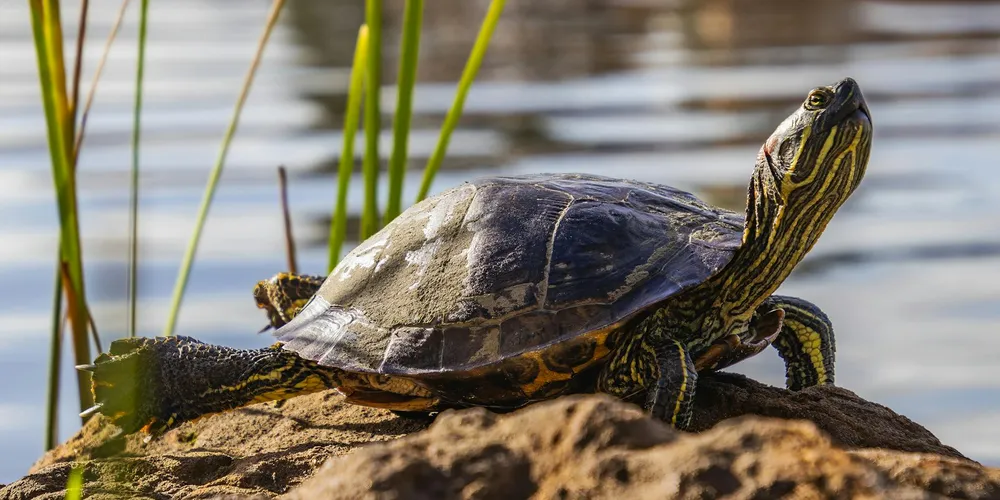
Your turtle’s home is its entire world, so getting it right from the start prevents problems later. I’ve set up several habitats over the years, and a thoughtful setup makes daily care much simpler.
Tank Size and Water Volume
Think big. A common mistake is starting with a tank that’s too small. A juvenile turtle will grow quickly, so investing in a larger tank from the beginning is more economical. For most species, a 75-gallon tank is a good starting point for one adult turtle. Size matters here—the question is: what size tank does a turtle need? A larger setup supports growth and healthier behavior, so starting with ample space is wise.
Water Temperature and Heating
Turtles are ectothermic, relying on their environment to regulate body temperature. You’ll need an aquarium heater to maintain a consistent water temperature. When choosing the right water heater for your turtle tank, match the heater’s wattage to your tank size and target temperature. Ensure it has a reliable thermostat and safety features.
- Most aquatic turtles thrive in water between 75°F and 80°F (24°C – 27°C).
- Use a fully submersible heater with a guard to prevent burns.
- Always check the temperature daily with a reliable aquarium thermometer.
UVB Lighting and Basking Area
This is non-negotiable for their health. Turtles need UVB light to metabolize calcium and prevent metabolic bone disease, a common and serious condition. Proper UVB lighting is essential for their well-being.
Filtration and Substrate
Turtles are messy eaters and produce a lot of waste. A standard fish filter won’t be sufficient. That’s why choosing the best filter for an aquatic turtle tank matters. Turtles produce more waste and require strong, turtle-safe filtration.
- Choose a canister filter rated for 2-3 times the volume of your tank.
- For substrate, large, smooth river rocks are ideal. They are too big to be accidentally eaten.
- Avoid small gravel, which can cause fatal impaction if ingested.
Decor and Environmental Enrichment
A bare tank is a boring tank. Creating a stimulating environment reduces stress and encourages natural behaviors.
- Provide a sturdy basking platform that is completely dry and easy for your turtle to climb onto.
- Add aquatic plants (real or sturdy silk ones) for hiding and exploring.
- Include a few smooth caves or PVC pipe sections to serve as secure hides.
- Rearrange the decor occasionally to provide mental stimulation, just like I do for my tortoises’ outdoor enclosures.
Daily Care Tasks for Your Water Turtle
Your turtle’s day revolves around a few key rituals. A consistent daily routine builds trust and keeps your shelled friend thriving. My own turtles, Austen and Bronte, perk up when they see me approach with their food dish-it’s our special time of day.
Feeding Schedule and Diet
Feed your turtle once a day, ideally in the morning. I find this aligns with their natural foraging instincts. A balanced diet prevents shell deformities and supports a strong immune system.
- Greens First: Offer leafy greens like romaine lettuce, dandelion greens, or shredded carrots. These should make up about 50-60% of an adult turtle’s diet.
- Protein Power: Provide a protein source 2-3 times a week. This includes commercial turtle pellets, thawed bloodworms, or a small piece of cooked, unseasoned fish.
- Remove Uneaten Food: Take out any leftover food after 15-20 minutes. This keeps the water cleaner for longer.
Monitoring Water Quality and Temperature
Water is your turtle’s entire world. Check the water temperature daily; it should feel comfortably warm, between 75-80°F (24-27°C). Different aquatic turtle species have slightly different ideal temperature ranges, so tailor care to your species. Some tolerate warmer or cooler water than others. A sudden drop can make your turtle sluggish and susceptible to illness.
Give the water a quick visual check. If it looks cloudy or has a foul odor, it’s a clear sign a partial water change is needed sooner rather than later.
Checking the Basking Spot
Your turtle needs a dry, warm place to completely dry off its shell. Place your hand on the basking platform-it should feel distinctly warm, like a sun-heated rock.
Ensure the area is dry and free from spilled water or waste. A damp basking spot defeats its purpose and can lead to shell rot.
Quick Visual Health Checks
Spend a moment just watching your turtle. Look for clear, bright eyes and active swimming. A healthy turtle is a curious turtle.
- Check for any scratches on the shell or skin.
- Listen for any wheezing or bubbles from the nose, which can indicate a respiratory infection.
- If you notice anything unusual, like lethargy or refusing food, isolate the turtle if you have others and consider a vet visit.
Weekly Maintenance and Water Quality
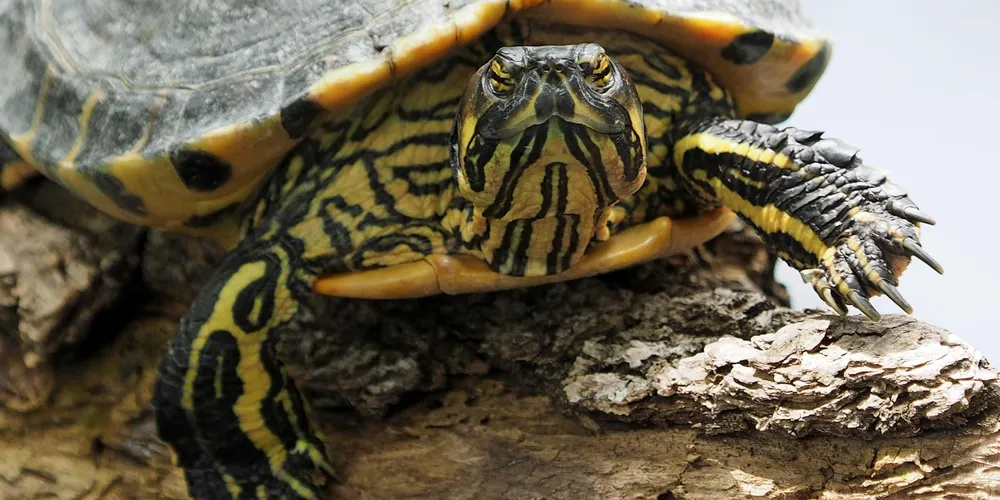
Set aside time each week for a deeper clean. This weekly reset is non-negotiable for preventing the buildup of harmful waste like ammonia. I do this every Sunday-it’s become a calming ritual for me and a necessity for them.
Partial Water Changes and Testing
I use a simple siphon vacuum for this task. Replace 25-50% of the tank water with fresh, dechlorinated water that’s the same temperature as the tank. This prevents shocking your turtle’s system.
- Test the water for ammonia levels with an aquarium test kit. Ammonia should always read zero.
- High ammonia burns their skin and eyes and is a primary cause of illness.
Cleaning the Basing Area and Equipment
Remove and scrub the basking platform with hot water. Avoid soaps or chemicals, as residues can be toxic. A dedicated scrub brush works perfectly.
Wipe down the outside of the tank glass and check all equipment.
- Ensure the water heater isn’t cracked and is functioning correctly.
- Clean the filter intake tube of any debris to maintain proper flow.
Substrate Cleanliness and Debris Removal
If you use a substrate like large river rocks, gently stir them with your hand during the water change. This releases trapped waste so the siphon can remove it.
Use a small fish net to skim the water surface for any floating film or leftover food particles.
Behavioral Observations
Your weekly maintenance is the perfect time for a more thoughtful health assessment. A change in behavior is often the first and clearest sign that something is wrong.
- Is your turtle basking normally, or is it constantly in the water or hiding?
- Is it eating with its usual enthusiasm?
- Watch for excessive scratching, which could point to parasites or poor water quality.
Monthly Deep Cleaning and System Checks
Taking time each month for a thorough clean ensures your water turtle’s home stays healthy and safe. I’ve found that setting a calendar reminder helps me stay consistent, much like I do for my tortoises Austen and Bronte.
- Full tank cleaning starts by gently moving your turtle to a temporary container with some of its tank water to reduce stress. Drain the tank completely, scrub surfaces with a reptile-safe cleaner, and rinse well to remove any residue. Clean the filter by replacing or rinsing media-never use soap, as it can harm your turtle.
- Check all lighting, especially UVB bulbs, which often need replacement every 6-12 months even if they still appear bright. I test mine monthly by noting the manufacture date; weak UVB can lead to shell problems, so this step is non-negotiable for animal welfare.
- Test water parameters like pH, ammonia, nitrites, and nitrates using a simple kit from pet stores. Aim for pH around 7.0-8.0 and zero ammonia-adjust with water conditioners if levels spike, as poor water quality is a common cause of illness.
- Inspect decor items for sharp edges or wear that could injure your turtle, and rotate or clean enrichment like rocks and plants. Refreshing these monthly keeps your pet engaged and mimics their natural habitat, which I’ve seen boost activity in my own reptiles.
Feeding and Nutrition Schedule
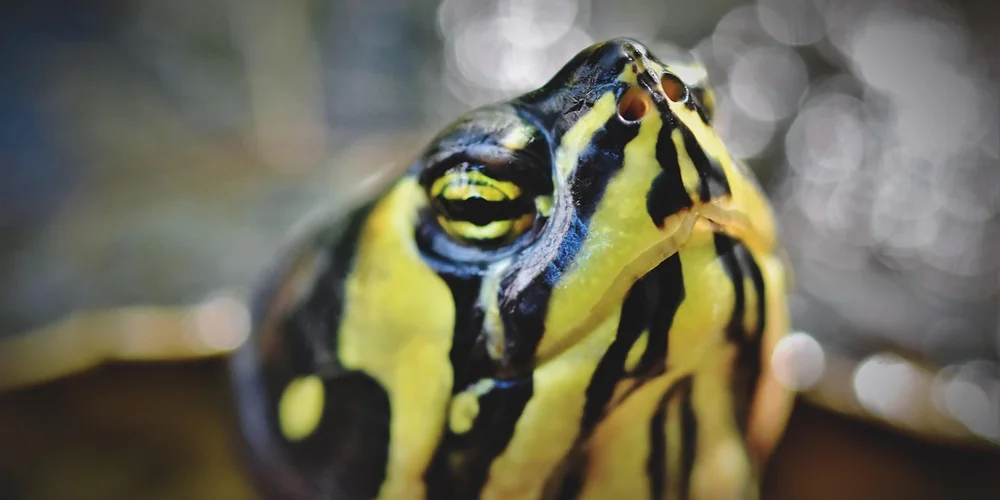
A balanced diet is the heart of your turtle’s health, and variety prevents boredom and deficiencies. Over the years, I’ve learned that observing your turtle’s appetite tells you more than any rigid plan when it comes to feeding them.
- Offer a mix of leafy greens like romaine lettuce, protein sources such as earthworms or commercial pellets, and occasional fruits like berries. Juvenile turtles need more protein for growth, while adults thrive on more plant-based foods-adjust ratios based on your pet’s age and species.
- Supplement with calcium and vitamin D3 to support strong shells and bones, especially if indoor lighting limits natural UV exposure. I dust food with a reptile-specific powder twice a week for my turtles, ensuring they absorb nutrients properly.
- Feed juveniles daily and adults every other day, matching portions to their head size to avoid waste and overfeeding. For example, my box turtle Orwell gets smaller, frequent meals because he’s less active than water species.
- Rotate food types weekly to provide nutritional variety and prevent picky eating. Watch for weight gain-if your turtle looks plump, scale back portions to uphold their well-being and longevity.
Health Monitoring and Common Issues
Keeping a close eye on your water turtle’s health helps catch problems early and ensures a happy life. I’ve spent years observing my own turtles, and consistent monitoring has saved them from serious issues more than once.
Signs of a Healthy Turtle vs. Common Health Problems
A thriving turtle shows clear indicators of well-being. Look for bright, alert eyes, a smooth and firm shell, and steady swimming or basking habits.
- Healthy signs: Active movement, strong appetite, clear skin without sores, and regular shedding.
- Common problems: Lethargy, swollen eyes, soft or discolored shell, loss of appetite, or labored breathing-these often signal infections or deficiencies.
Disease Prevention Through Water Quality and Diet
Clean water and balanced nutrition are your best defenses. In my setup, I test water weekly for ammonia and pH to keep conditions stable and safe.
- Water quality: Use a reliable filter, change 25% of water weekly, and avoid overcrowding to reduce stress and disease risk.
- Diet: Offer a mix of commercial pellets, leafy greens, and occasional protein like insects; variety prevents malnutrition and boosts immunity.
When to Seek Vet Care and Safety Measures at Home
Don’t hesitate to consult a vet if symptoms persist. I always err on the side of caution-if my turtle refuses food for more than a few days, I schedule a check-up immediately. If you notice other warning signs—such as lethargy, shell changes, or trouble breathing—your turtle may need to see a veterinarian.
- Seek vet care for: Unexplained weight loss, persistent shell abnormalities, or breathing difficulties.
- Home safety: Handle turtles gently to avoid stress, quarantine new additions, and keep the tank free of sharp objects that could cause injuries.
Outdoor Pond Considerations
If you have an outdoor pond, extra precautions are essential. My friend’s pond turtles thrive with proper shading and predator-proof fencing, mimicking a natural habitat.
- Ensure the pond has a gradual slope for easy access, shelter from extreme weather, and netting to deter birds or raccoons.
- Monitor water temperature seasonally; in colder months, provide a heated area to prevent hibernation-related risks.
Enrichment and Long-Term Care
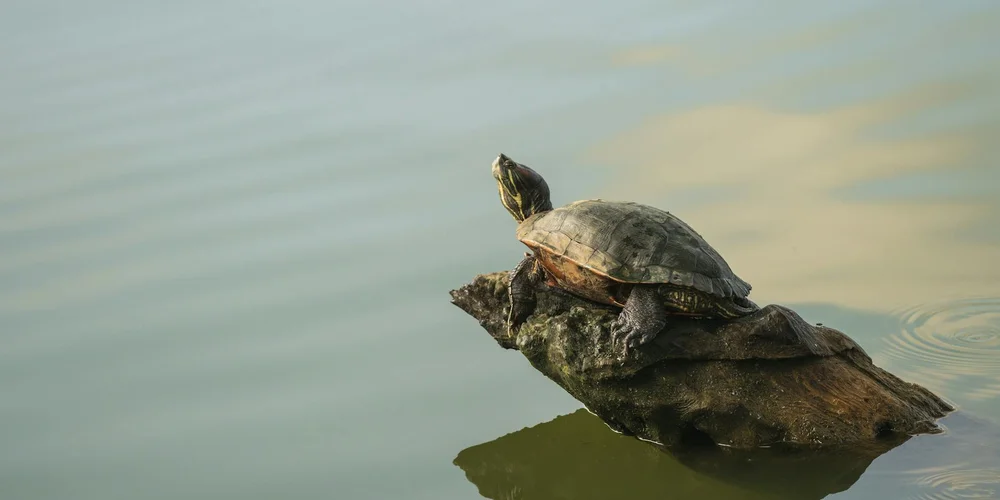
Enriching your turtle’s environment supports mental health and strengthens your bond over time. Watching my turtles explore new decorations reminds me how small changes can spark curiosity and joy.
Activities and Decor for Mental Stimulation
Add variety to prevent boredom and encourage natural behaviors. I rotate items like floating logs and live plants every few weeks to keep things fresh and engaging.
- Suggestions: Hiding spots with caves or PVC pipes, floating toys they can push, and varied substrate for digging.
- Avoid overcrowding; too much decor can stress them, so balance open swimming areas with enrichment elements.
Tank Maintenance Schedule Adjustments Over Time
As your turtle grows, its needs evolve. When my young turtles doubled in size, I upgraded to a larger tank and stronger filter to maintain water clarity and space.
- Adjust cleaning frequency: Juveniles may need partial water changes weekly, while adults might require more thorough monthly cleanings.
- Upgrade equipment gradually; a bigger heater or UVB light ensures consistent warmth and light as they age.
Tips for Bonding and Observing Personality Traits
Spending quiet time together builds trust and reveals unique quirks. I’ve learned that hand-feeding leafy greens helps my turtles associate me with positive experiences, making them more approachable.
- Bonding ideas: Sit near the tank daily, speak softly, and offer treats by hand to encourage interaction.
- Observe traits: Note if your turtle is bold or shy-some may bask openly, while others prefer hiding, helping you tailor care to their comfort.
Seasonal Care Changes and Lifelong Commitment Aspects
Adapt care with the seasons to support natural rhythms. In winter, I reduce feeding slightly and check heaters often to mimic cooler periods without risking health.
- Seasonal adjustments: Increase basking time in summer, monitor humidity, and adjust lighting duration to match daylight changes.
- Lifelong commitment: Water turtles can live 20+ years; plan for long-term costs, space, and potential habitat upgrades as part of responsible ownership.
FAQs
Where should I place a water turtle tank for proper lighting?
Position the tank in a room with indirect natural light to support a consistent day-night cycle without causing overheating. Ensure it is close to an electrical outlet for easy access to UVB and heat lamps, and avoid direct sunlight to prevent algae growth and temperature spikes.
How long do water turtles live?
With optimal care, many pet water turtles can live for 20 to 40 years or more, depending on the species and environment. Providing a balanced diet, clean habitat, and regular health checks helps maximize their longevity and quality of life. Specifically for painted turtles in captivity, the typical lifespan is in the 20s to 30s. With excellent care, some can reach the 40s.
Can water turtles live in outdoor ponds?
Yes, water turtles can live in outdoor ponds if the setup includes safety measures like predator-proof fencing and stable water conditions. Always monitor seasonal changes and provide shaded areas to protect them from extreme weather and ensure their well-being.
Your Journey in Turtle Care
Caring for a water turtle boils down to a consistent rhythm of daily feeding and quick water checks, paired with dedicated weekly cleanings and monthly habitat refreshes. Establishing this reliable routine is the single most important thing you can do for your turtle’s long-term health and happiness.
Remember, being a great turtle guardian means committing to their wellbeing for their entire, long life. Your willingness to keep learning and adapting their care is what truly makes a shelled companion thrive.
Further Reading & Sources
- Aquatic Turtle Care Sheet | PetMD
- Want a Turtle? Be Ready for Special Tanks, Special Food, Special Care
- Water Turtle Care SheetCTTC
- Caring For Your Pet Aquatic Turtle | Pender Veterinary Centre
Matthew is a dedicated turtle enthusiast and conservationist with over 15 years of experience in reptile care. Known affectionately as "The Leatherback" among his peers, he combines his passion for turtles with a commitment to educating pet owners on responsible turtle care and environmental stewardship.
Regular Cleaning Routines