
Can Turtles Feel Their Shells? The Surprising Truth
Published on: June 22, 2026 | Last Updated: June 22, 2026
Written By: Matthew The
If you’ve ever wondered whether your gentle scratch on a turtle’s shell is a pleasant sensation or goes completely unfelt, you’re not alone in that thought. This is one of the most common questions I’ve encountered in my years of caring for my own shelled companions.
Based on my experience with my Russian tortoise, Austen, and my observations of his reactions, the answer is far more fascinating than a simple yes or no. A turtle’s shell is not a piece of dead armor; it is a living, integrated part of its body, rich with nerves and feeling.
In this article, we will explore: shell anatomy and nerve endings, how turtles experience touch and pressure, whether they can feel pain in their shell, and essential handling tips for their well-being.
What Is Turtle Shell Sensitivity?
Think of shell sensitivity as a turtle’s ability to feel sensations, like pressure or touch, directly through its shell. This happens because the shell is interlaced with nerve endings that connect to the turtle’s central nervous system.
A turtle’s shell is not a separate piece of armor it carries around. It is a living, integrated part of its skeleton, fused to its spine and rib cage. In turtle anatomy, shell biology explores how the shell’s bones and scutes grow with the animal, forming a protective, functional enclosure. This integration also shapes how turtles move and breathe.
From my years with my Russian tortoise, Austen, I can tell you he definitely knows when he’s being touched. A good analogy is your own fingernails; you can’t feel through the nail itself, but you can certainly feel pressure on the nail bed because of the sensitive nerves underneath. A turtle’s shell works in a similar, though more complex, way.
The Anatomy of a Turtle’s Shell and Sensory Perception
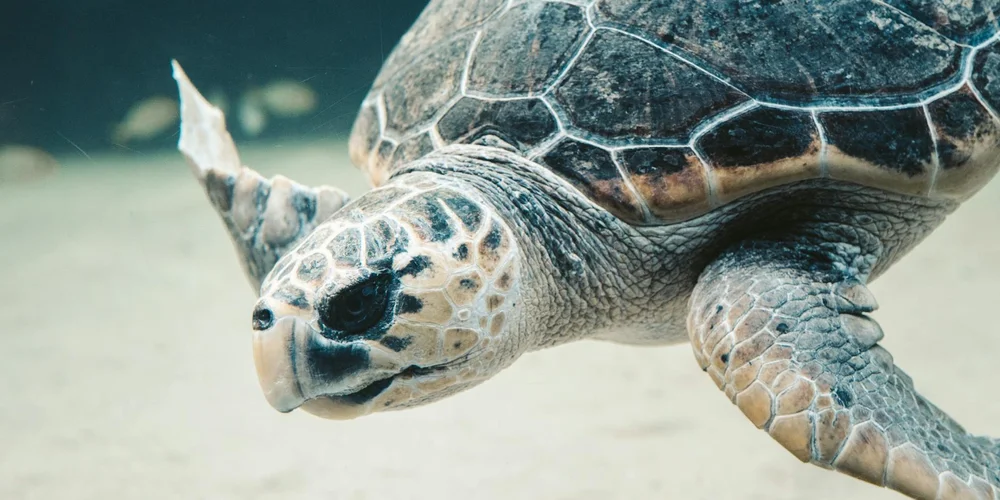
The shell is a masterpiece of biological engineering, composed of two main parts. The carapace is the top dome, and the plastron is the flat bottom plate.
These are covered in large plates called scutes, which are made of keratin-the same protein in your hair and nails. Beneath these scutes lies a layer of living bone, which is directly connected to the turtle’s skeleton.
This bone is rich with nerve endings and specialized cells called mechanoreceptors. These receptors are what allow a turtle to perceive the world through its shell, translating physical contact into sensory information.
Key components that enable this sensory perception include:
- The outer keratin layers of the scutes.
- The underlying epidermis and dermis.
- The extensive tissue innervation weaving through the bony structure.
How Turtles Perceive Touch and Pain on Their Shells
A turtle’s shell is not a lifeless shield; it’s a living part of their skeleton, infused with nerves. When you gently scratch a turtle’s shell, they absolutely feel that pressure and vibration. It’s a sensation that travels through the bony plates, or scutes, directly to their nervous system.
I’ve spent countless afternoons with my Russian tortoise, Austen. A soft scratch on his brown and tan shell often makes him stretch his neck out in clear enjoyment. This reflexive stretching is a common sign of a pleasant sensation, much like a cat purring when petted.
Conversely, a sharp tap or prod elicits a very different reaction. They will quickly retract their head and limbs, a clear defensive reflex to a perceived threat or discomfort. The shell transmits sensations in a way that’s analogous to how you feel pressure through your fingernails, but with a much deeper, more direct connection to their core being.
Differences in Shell Sensitivity Among Turtle Species
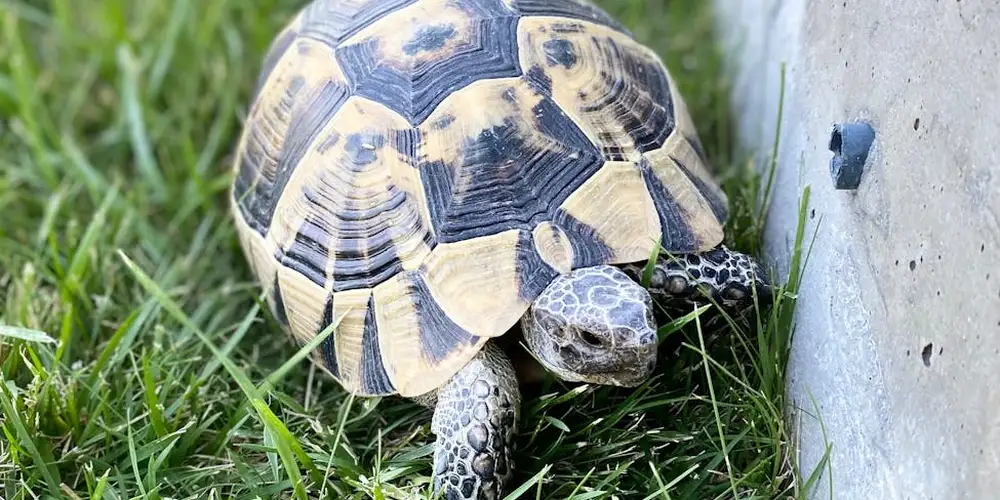
Not all turtle shells are created equal, and their sensitivity can vary dramatically. Aquatic turtles, like sliders, often have smoother, more streamlined shells adapted for swimming, which can feel different to the touch compared to the rugged scutes of a land-dwelling tortoise.
Shell thickness is a major factor. My Greek tortoise, Bronte, has a notably hard, dense shell. Her reactions to touch are more subtle and thoughtful. A strong, hard shell isn’t just protection—it also changes how touch is felt and how a turtle moves under pressure. That structural difference helps explain why Bronte tends to respond more calmly to touch. In contrast, my box turtle Orwell, with his somewhat lighter and more flexible shell, seems to startle more easily from sudden contact. His reserved personality might play a role, but the physical structure of his shell is a key part of the equation.
A turtle’s lifestyle directly shapes its shell’s sensitivity. A terrestrial tortoise that navigates rough terrain may develop a tougher, less reactive shell, while an aquatic turtle might retain a higher sensitivity to water pressure and movement. Handling each of my pets has taught me to adjust my touch based on their unique design and disposition.
Recognizing Signs of Shell Pain, Injury, or Infection
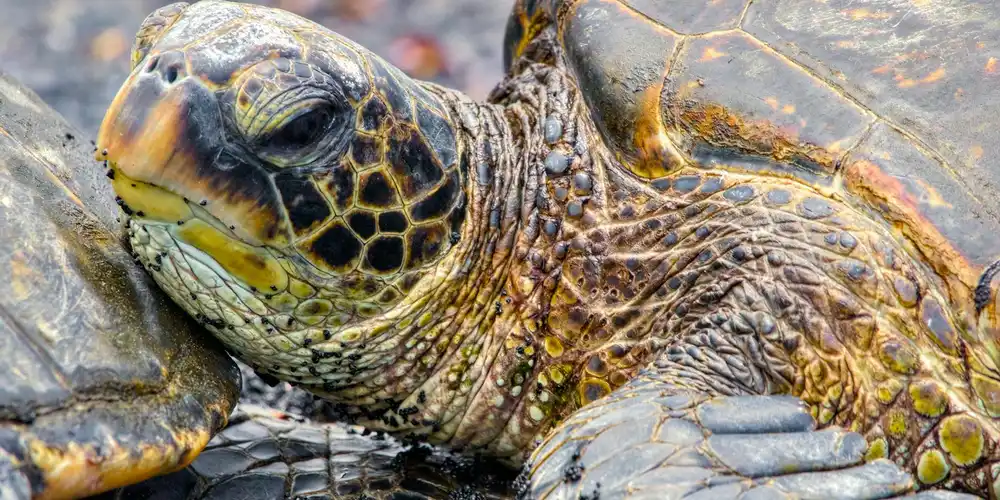
As a turtle owner for over a decade, I’ve learned that shell issues often show up in subtle ways you can spot with careful observation. Your turtle’s behavior and shell appearance give clear clues when something isn’t right, so paying attention daily makes a huge difference. For a structured, step-by-step approach, the ultimate turtle health troubleshooting checklist from Shell Tail can be a helpful resource. It guides you through common signs, quick checks, and next steps to take.
- Behavioral cues include flinching when touched, hiding more than usual, or a sudden drop in appetite-like when my Russian tortoise, Austen, once refused his favorite greens, signaling discomfort.
- Physical symptoms to watch for are discoloration like white or dark patches, soft spots that feel spongy, or visible cracks or chips on the shell surface.
- Regular checks every week help catch problems early; I gently inspect Bronte’s shell during handling to ensure she stays healthy and stress-free.
Common Shell Issues in Pet Turtles
Over the years, I’ve dealt with various shell problems in my turtles, and knowing what to look for can save your pet from prolonged suffering. Early identification through simple checks prevents minor issues from turning into serious health risks. When you perform a safe shell inspection on your turtle, use gentle hands and a calm, well-lit space. These quick checks can help you spot problems early before they become serious.
- Shell rot appears as flaky, discolored areas and might smell bad; gently press the shell-if it feels soft or crumbly, it could be bacterial or fungal.
- Fractures are cracks from falls or rough handling; look for uneven lines and feel for sharp edges, which I’ve seen in Orwell after a minor habitat accident.
- Fungal infections show up as fuzzy white growths; combine visual inspection with a light touch to detect unusual textures, and always consult a vet for confirmation.
Behavioral Indicators of Discomfort
Turtles communicate discomfort through their actions, and I’ve noticed my own pets give clear signals when they’re not feeling well. Watching for changes in daily routines helps you respond quickly to their needs and reduce stress, especially understanding signs of stress in turtles.
- Actions like rubbing their shell against tank decorations or avoiding handling altogether can mean irritation or pain, as Bronte did when she had a minor scrape.
- Monitor daily habits such as basking time, eating patterns, and activity levels; a sudden shift, like reduced movement, often points to underlying shell issues.
Caring for Your Turtle’s Shell to Maintain Health
Keeping your turtle’s shell in top shape involves simple routines that I’ve refined through trial and error with my own pets. Consistent care not only prevents injuries but also strengthens the bond between you and your turtle.
- Steps for gentle cleaning include using a soft brush and lukewarm water to remove debris, followed by a thorough inspection for any abnormalities-I do this weekly with Austen to keep his shell pristine.
- Diet adjustments like adding calcium-rich foods and habitat tweaks such as providing UVB lighting support shell strength and overall health.
- Safe handling tips involve supporting the entire body to avoid stress, and I always wash my hands before and after to protect both me and my turtles from germs.
Daily Shell Maintenance Tips
Incorporating shell care into your daily routine is easier than it sounds, and it’s something I’ve made a habit with all my turtles. A clean, well-maintained shell is a sign of a happy, healthy turtle, and it only takes a few minutes each day.
- A simple cleaning process uses safe, non-irritating products like diluted vinegar or reptile-safe solutions; I gently wipe the shell and rinse thoroughly to avoid residue buildup.
- Environmental factors to manage include maintaining proper humidity levels and ensuring access to dry basking spots, which help prevent shell rot and promote natural shedding.
When to Seek Veterinary Help for Shell Problems
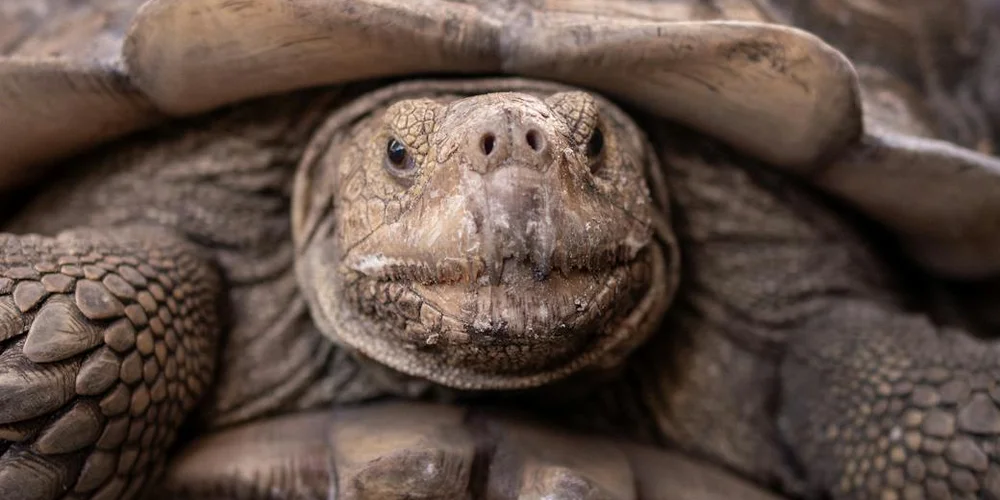
As a turtle owner for many years, I’ve learned that their shell is a living part of their body. Any damage to the shell is essentially a bone injury, and it requires immediate, professional attention. You are your pet’s first line of defense, so knowing the warning signs is critical. If you notice warning signs such as lethargy, loss of appetite, swelling, discharge, or shell abnormalities, such as the signs your turtle needs vet care, it’s time to see a veterinarian.
Red Flags That Demand a Vet Visit
Trust your instincts. If something seems off with your turtle’s shell, it probably is. Don’t wait and see.
- Open Wounds or Cracks: Any break in the shell’s integrity, whether a crack, chip, or puncture, is a direct pathway for infection.
- Rapid Shell Changes: Sudden soft spots, discoloration, or sections that flake away easily are not normal and signal metabolic or dietary issues.
- Signs of Persistent Pain: If your turtle recoils sharply or hides its head when you gently touch a specific area of its shell, it is telling you it hurts.
- Foul Odor or Discharge: A healthy shell does not smell bad. Any foul odor or oozing fluid is a clear sign of a serious infection underneath.
- Visible Blood or Pitting: Seeing blood or small, irregular holes in the shell are urgent symptoms that cannot be treated at home.
How to Prepare for Your Vet Visit
Being prepared helps the veterinarian make a faster, more accurate diagnosis. I always gather this information before we go.
- Take clear photos of the problematic area from multiple angles.
- Note your turtle’s recent behavior, appetite, and energy levels.
- Write down your pet’s exact diet, including supplements and feeding schedule.
- Document your tank’s setup details: temperatures (basking and water), UVB light type and age, and humidity levels.
- Be ready to describe when you first noticed the problem and how it has progressed.
The Critical Role of Professional Care
Shell problems can escalate from minor to life-threatening with shocking speed. A reptile veterinarian has the tools and expertise to properly clean wounds, administer antibiotics, and even perform shell repairs. What might look like a small crack can hide a deep infection that affects their spine. I learned this the hard way with my Greek tortoise, Bronte; a professional assessment gave her the specific treatment she needed to recover fully. Home remedies are not enough for these complex issues.
Common Questions
What causes turtle shell sensitivity?
Turtle shell sensitivity is caused by a network of nerve endings and sensory receptors woven throughout the bony layer of the shell. This biological wiring allows the turtle to perceive its environment directly through its shell, much like other senses in turtles help them navigate their surroundings.
How can shell sensitivity be tested in turtles?
Veterinarians can test shell sensitivity by observing a turtle’s behavioral response to gentle touch or pressure on different parts of its shell. A healthy turtle will typically react by retracting or shifting its weight, while a lack of response can indicate a problem. Early signs that the shell may be unhealthy can include soft spots, cracks or unusual discoloration. If you notice these signs, seek veterinary evaluation promptly.
What medical conditions affect turtle shell sensitivity?
Conditions like shell rot, fungal infections, and metabolic bone disease can severely impact shell sensitivity by damaging the underlying bone and nerve tissue. These issues can cause areas of the shell to become overly sensitive or, conversely, numb.
Can injuries impact turtle shell sensitivity?
Yes, injuries like cracks or fractures can damage the nerve-rich bone, leading to localized pain or a complete loss of feeling in that area. Severe trauma can even affect the spinal cord, which is fused to the carapace, causing widespread sensitivity issues.
How does age affect turtle shell sensitivity?
As turtles age, the shell can become thicker and less pliable, which may slightly dull sensory perception over many years. However, age-related health issues like nutritional deficiencies are more likely to negatively impact sensitivity than the aging process itself. Because many turtle species can live for decades, lifespan aging unfolds slowly. This extended timeline means chronic health issues can have a bigger impact on sensitivity than aging alone.
Caring for Your Turtle’s Remarkable Shell
Always handle your turtle with the knowledge that its shell is a sensitive, living part of its body, rich with nerve endings. Gentle, mindful interaction is not just a suggestion—it is a fundamental part of respecting your pet’s well-being. To get it right the first time, avoid the five critical mistakes new handlers often make when handling a turtle.
Commit to being a student of your turtle’s unique needs and behaviors, as their health is deeply intertwined with your attentive care. A responsible owner’s journey is one of perpetual learning, ensuring a thriving life for these fascinating creatures.
Further Reading & Sources
- r/askscience on Reddit: Can a turtle feel something touch its shell?
- Can Turtles Feel Through Their Shells? – Technology Org
- Do Turtles Feel Pain in Their Shells? Debunking Myths and Facts – Turtle Snorkeling Oahu ~ Turtles and You
- Can Turtles & Tortoises Feel Their Shell? Facts & FAQ | Hepper Pet Resources
Matthew is a dedicated turtle enthusiast and conservationist with over 15 years of experience in reptile care. Known affectionately as "The Leatherback" among his peers, he combines his passion for turtles with a commitment to educating pet owners on responsible turtle care and environmental stewardship.
Understanding Turtle Behavior