
5 Critical Mistakes to Avoid When Handling Your Pet Turtle for the First Time
Published on: February 15, 2026 | Last Updated: February 15, 2026
Written By: Matthew The
If you’re feeling a mix of excitement and anxiety about holding your new pet turtle, worried you might accidentally stress or harm them, you’re not alone-I felt the same when I first gently lifted my Russian tortoise Austen.
This article details improper shell support, overhandling, ignoring stress signals, hygiene neglect, and temperature mismanagement.
Preparing Your Space and Mindset for Turtle Handling
Before you even think about picking up your turtle, set the stage for a stress-free encounter. A calm environment makes your turtle feel secure and reduces the risk of startled reactions. I learned this the hard way with Austen, my Russian tortoise; a sudden noise once made him retreat into his shell for hours.
Start by checking the temperature in the room. Turtles rely on external heat to regulate their body functions. Keep the area warm and stable, around 75-85°F, to prevent your pet from becoming sluggish or stressed. I always use a thermometer near Bronte’s enclosure to double-check before handling.
Next, scan the space for potential dangers. Remove any sharp objects, electrical cords, or small items your turtle could ingest or get tangled in. When I handle Orwell, my box turtle, I clear a soft, flat surface to avoid any mishaps.
Finally, prepare your own mindset. Take a few deep breaths to center yourself. Turtles are perceptive and can pick up on your anxiety, so approach with a gentle, patient attitude. Over the years, I’ve found that a relaxed demeanor helps my turtles stay calm too.
Mastering the Proper Grip and Shell Support
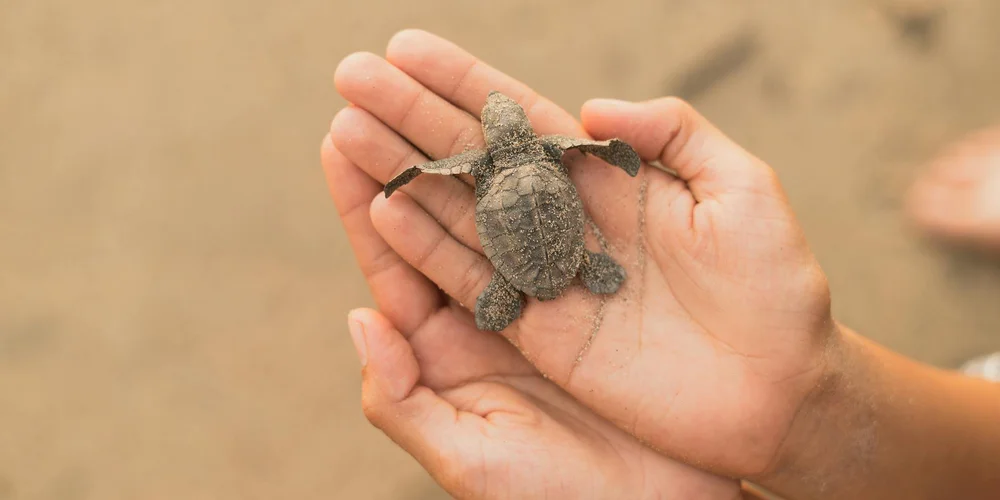
Handling a turtle isn’t like picking up a stuffed toy; it requires precision to avoid injury. Always support both the plastron (the bottom shell) and carapace (the top shell) with your hands. Imagine you’re holding a delicate treasure that needs full-bodied cradling.
Place one hand flat under the plastron and the other gently over the carapace. This distributes weight evenly and prevents pressure points that could harm the shell. Avoid the temptation to grab limbs or the tail, as this can cause pain or even dislocation.
For smaller turtles like my Greek tortoise Bronte, I use a cupped-hand technique. Gently scoop from below, keeping fingers spread to cover as much surface area as possible. This method feels secure and mimics the natural support they’d have on the ground.
From My Own Experience: Finding the Sweet Spot
When I first started with Austen, I made the mistake of lifting him by the edges of his carapace. He’d immediately pull in his head and legs, a clear sign of discomfort that taught me to adjust my approach. It took trial and error to find what I now call the “sweet spot.”
Contrast that with how I handle Orwell today. By supporting his entire body with my palms, he stays relaxed and even peeks out curiously. For Bronte, a light touch on her sides helps her feel balanced without any struggle.
Through these experiences, I’ve seen how proper grip not only protects their shells but also builds trust. Gentle handling encourages your turtle to see you as a safe presence, not a threat. It’s a small change that makes a world of difference for their well-being.
Recognizing and Reducing Turtle Stress Signals
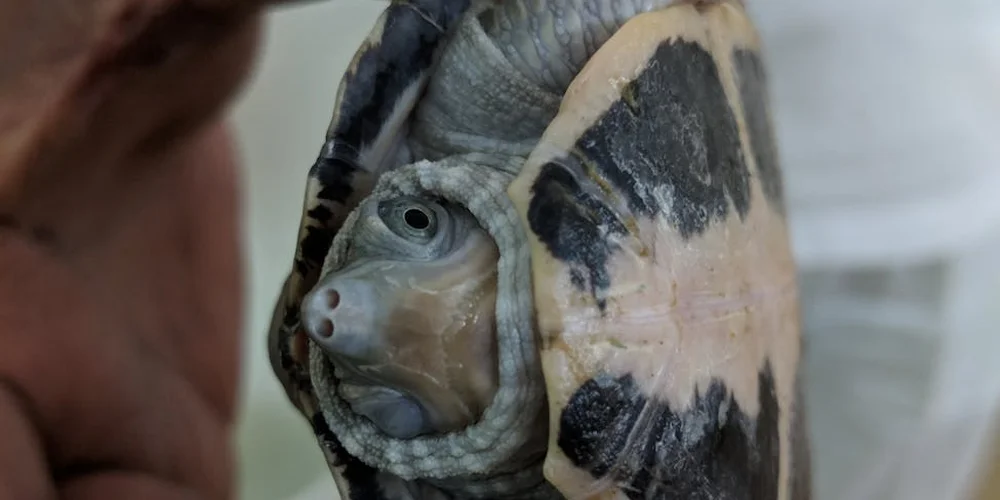
When you first handle your pet turtle, paying attention to stress signals is key to building a positive relationship. Observing subtle behaviors can prevent long-term fear and health issues in your shelled friend. From my years with Austen, my Russian tortoise, I’ve noticed that turtles communicate stress through actions like hiding in their shell, emitting a soft hiss, or swimming frantically if aquatic. If you see these signs, it’s a clear cue to stop handling immediately and give them space.
- Hiding: Turtles retreat into their shells or seek cover when scared; this is a natural defense mechanism.
- Hissing: A gentle hiss often means fear or discomfort, not aggression, so respond calmly.
- Frantic swimming: In aquatic species, rapid, erratic movements indicate high stress and a need for quiet.
Interpreting your turtle’s temperament helps you decide when to abort handling. If they resist or show multiple stress signals, end the session to avoid overwhelming them. I learned this with Orwell, my box turtle, who would clamp shut if handled too soon; backing off built trust over time.
Reading Your Turtle’s Body Language
Understanding your turtle’s body language is like learning a new language—it takes patience and observation. Comfortable turtles move slowly with limbs extended, while distressed ones retract or fidget nervously. Color changes can accompany these signals, helping you read mood more accurately. Subtle shifts in color can indicate stress, excitement, or relaxation. For instance, Bronte, my Greek tortoise, grazes calmly when content but tucks her head tightly if startled.
- Signs of comfort: Relaxed posture, slow blinking, gentle exploration of surroundings.
- Signs of distress: Rapid head retraction, clamped shell, lack of movement or appetite.
Connect these signals to your responses for stress reduction. If your turtle seems relaxed, you can continue brief handling; if distressed, place them back in their habitat gently. I always check Austen’s demeanor before picking him up, ensuring he’s not in a hiding mood to keep interactions positive. Learning to recognize turtle tail positions can be particularly helpful in assessing their mood.
Avoiding the Dangers of Overhandling and Dropping
Overhandling can stress turtles and lead to accidental drops, especially with slippery aquatic species. Keep handling sessions short, around 5-10 minutes, and limit frequency to a few times a week for beginners. When I first brought home Orwell, I handled him too often, and he became withdrawn; scaling back helped him feel secure.
- Appropriate duration: Brief interactions prevent exhaustion and build tolerance gradually.
- Frequency: Allow days of rest between handling to let your turtle recover and explore freely.
Safety precautions are vital to prevent drops. Always use both hands to support the shell firmly, and handle over a soft surface like a towel or low table. Aquatic turtles, like red-eared sliders, are particularly slick, so I practice with wet hands to improve grip and avoid sudden movements.
Gradual taming fosters trust without force. Start with short, calm sessions, offering a favorite treat to associate handling with positive experiences. With Bronte, I began by just sitting near her enclosure, then progressed to gentle touches, which made her more receptive over weeks.
Essential Hygiene and Health Safety Measures
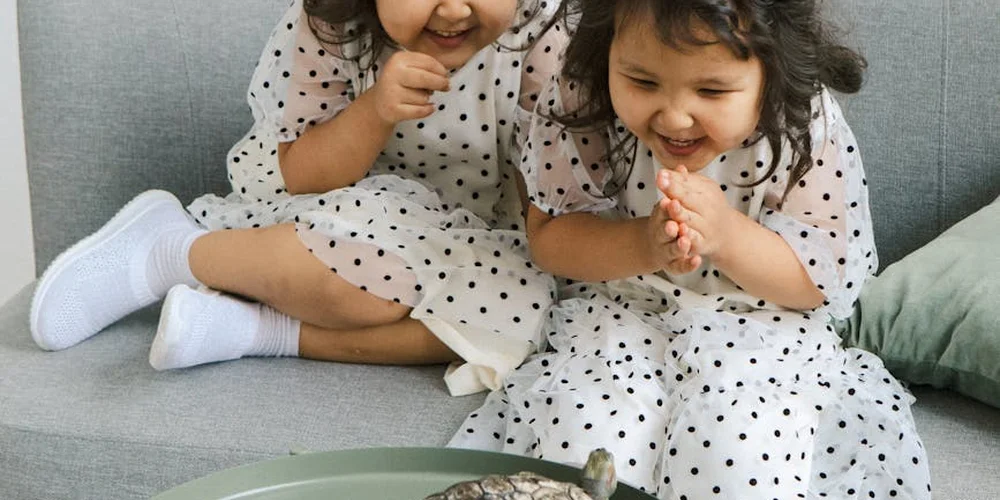
I learned the importance of hygiene the hard way after my Russian tortoise, Austen, gave me a minor scare. Washing your hands thoroughly with soap and warm water before and after you handle your turtle is the single most effective health practice you can adopt, especially when considering the critical health issues in pet turtles.
Reptiles, including turtles, can naturally carry bacteria like Salmonella on their skin and shells without showing any signs of illness. This is a zoonotic concern, meaning it can transfer from animals to people. You can’t see these germs, so assume they are always present.
- Always wash your hands for at least 20 seconds.
- Use a dedicated hand towel you wash frequently.
- Avoid handling your turtle near food preparation areas.
- Supervise children closely and ensure they wash their hands immediately.
A clean enclosure is your first line of defense in keeping both you and your turtle healthy. Spot-clean waste daily and perform a full substrate change and disinfect surfaces regularly. A dirty habitat increases bacterial load, which then transfers to your hands during handling. Clean and disinfect your turtle or tortoise enclosure properly to minimize these risks.
Watch for these signs in your turtle that warrant a veterinary visit. A change in appetite, lethargy, swollen eyes, or a soft shell are red flags. Your veterinarian is your partner in ensuring your shelled friend’s long-term wellness.
Creating a Handling Routine That Works
Building a positive handling routine transforms a stressful event into a bonding moment. My Greek tortoise, Bronte, used to retreat into her shell at the slightest movement. Now, she ambles towards me, knowing interaction often brings good things.
Follow these steps to build trust and consistency.
- Start by simply placing your hand in the enclosure for a few minutes each day, allowing the turtle to investigate you on its terms.
- Progress to gently supporting the turtle’s body from below. Never pick them up by the sides of their shell.
- Keep initial handling sessions brief, no longer than 10-15 minutes, to prevent stress.
- Always handle your turtle close to the ground or over a soft surface in case of a squirm-induced drop.
Incorporate enrichment into your routine to make it something your turtle anticipates. Offer a small, favorite treat like a dandelion green or a piece of strawberry by hand after a calm handling session. This positive reinforcement builds powerful associations.
I sometimes place a few edible flowers in a shallow dish for Orwell, my box turtle, to “hunt” after I return him to his home. These small acts of enrichment cement your role as a source of good experiences, not just intrusions. This is the foundation of a decades-long relationship built on mutual trust and respect.
FAQs
How can I tell if my turtle is ready to be handled?
Observe if your turtle is active and not hiding, such as by calmly exploring its enclosure or showing interest in your presence. A relaxed posture with limbs extended and no signs of stress, like hissing or rapid retreat, indicates it may be prepared for gentle interaction. If it seems ready, you can begin supervised time outside in a secure, enclosed area. Always supervise closely and ensure the area is safe, with appropriate warmth, shade, and a clear path back to its enclosure.
What should I do if I accidentally drop my turtle?
Quickly inspect the turtle for any visible injuries, such as shell cracks or unusual behavior, and place it in a safe, quiet spot to minimize further stress. These observations follow a visual guide to the different types of turtle shell damage and what they mean. Seek veterinary advice promptly to ensure there are no internal issues, even if it appears unharmed.
Are there any tools or accessories that can help with safe turtle handling?
Consider using a soft, padded mat or a shallow container to provide a stable surface and reduce the risk of slips or falls during handling. Always prioritize hand-washing and avoid relying on gloves, as they can decrease your control and potentially alarm the turtle.
Your Gentle Handling Journey Starts Now
Remember, the best way to handle your turtle is to handle them less, letting them feel secure in a habitat that perfectly mimics their natural world. Your patience and observation are the most valuable tools you have for building a trusting, lifelong bond. In our essential guide to land and aquatic turtle care, you’ll find practical tips for building secure habitats and healthy routines. It covers feeding, housing, and gentle handling to keep turtles stress-free.
Caring for a pet turtle is a wonderful, long-term commitment that asks you to grow alongside your shelled companion. Embrace the journey of continuous learning, and always remember that resources like our site are here to support your pet turtle care adventure. People often ask whether pet turtles are easy to care for or more demanding. The answer depends on providing the right habitat, lighting, and routine.
Further Reading & Sources
- How to Handle a Turtle
- 9 Common Mistakes Made by Turtle Parents and How To Avoid Them | PetMD
- Turtle Handling | Internet Center for Wildlife Damage Management
- How to Safely Handle a Common Snapping Turtle (+Mistakes to Avoid) – Voyo Pets
Matthew is a dedicated turtle enthusiast and conservationist with over 15 years of experience in reptile care. Known affectionately as "The Leatherback" among his peers, he combines his passion for turtles with a commitment to educating pet owners on responsible turtle care and environmental stewardship.
Safe Handling Techniques