Reading Turtle Poop: A Visual Guide to Your Pet’s Health

A visual guide to reading your turtle's poop: normal colors, texture, mucus, signs of illness; sampling tips; when to see a vet.

Your #1 Guide on Pet and Wild Turtles
Your #1 Guide on Pet and Wild Turtles
Concise guides to recognizing signs of illness in pet turtles, detailing common symptoms and when to seek veterinary care.
A visual guide to reading your turtle's poop: normal colors, texture, mucus, signs of illness; sampling tips; when to see a vet.

Visual guide to shell damage types: signs, causes, severity, and practical care for niche pet turtles.

Practical care guide for a sick turtle: hydration, feeding, and comfort at home; when to seek vet care and how to monitor status.
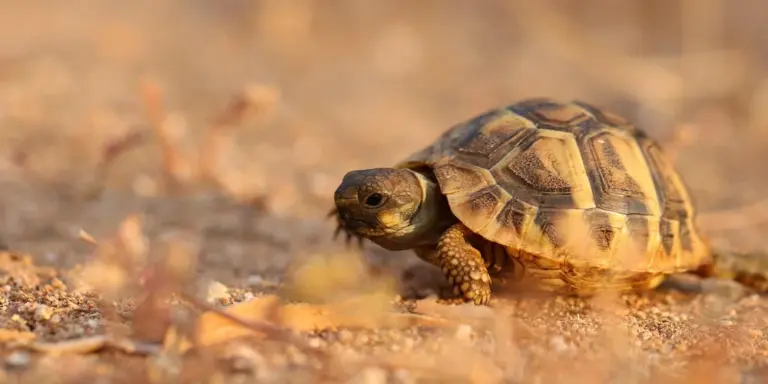
Spot early respiratory signs in pet turtles: symptoms, causes, when to see a vet, monitoring, treatments, prevention.

Tell if your turtle is overweight or underweight: signs, weigh-in method, diet changes, target weight, and when to see a vet.
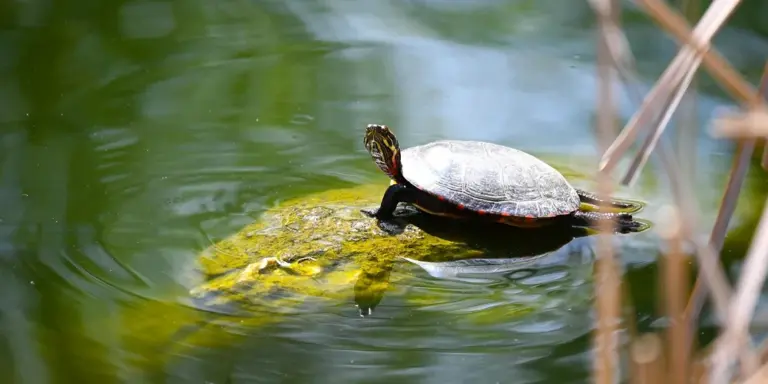
Spot signs of common turtle health issues, when to seek vet care, and practical daily care to keep your pet thriving.

Read your turtle's eye cues: signs of stress, illness, alertness; blinking patterns, gaze changes; when to vet, care tips.

Turtle bubbling at the mouth: causes, symptoms, vet timing, at-home care, water and temperature tips, prevention.

Tail cues reveal mood and health: posture, color, movement, appetite; identify normal vs abnormal, care steps, when to vet.
Spot illness signs in turtles: behavior changes, appetite, shell and eyes, enclosure checks, and when to see a vet.