
Why Do Turtles React Aggressively to Black Objects?
Published on: June 18, 2026 | Last Updated: June 18, 2026
Written By: Matthew The
If you’ve ever seen your turtle hiss, retreat, or act defensively around black items, it’s natural to feel concerned about their stress levels and well-being.
In this article, we’ll explore the instinctual reasons, how turtle vision works, and practical steps to create a calmer environment for your shelled friend.
The Science of Turtle Vision and Color Perception
How Turtles See the World
Your turtle’s view of the world is fundamentally different from your own. Through my years of caring for Austen, Bronte, and Orwell, I’ve learned their vision is built for survival, not for admiring a sunset. Turtles see fewer colors than we do, but they are exceptionally good at detecting movement and stark contrasts. Their eyes are more sensitive to the blue and green end of the light spectrum.
Imagine looking through a filter that mutes reds and oranges while making blues and greens pop with intensity. That’s a glimpse into their visual reality. This adaptation helps them spot food and predators in their natural, often aquatic, environments.
Why Black Objects Trigger Responses
So why does a simple black shoe or phone case seem to set them off? It all comes down to contrast and instinct. A large, solid black object creates the highest possible contrast against most backgrounds, mimicking the shape and color of a major predator. In the wild, a dark, looming shape often means a bird of prey swooping down or a larger animal approaching the water’s edge.
My Greek tortoise, Bronte, once retreated into her shell for a solid ten minutes when I placed a new black ceramic food bowl in her enclosure. Her world is one of instinct, and that dark, unfamiliar shape triggered a deep-seated alarm bell. It’s not aggression in the human sense, but a powerful, hardwired survival reflex.
Common Causes of Aggressive Reactions in Turtles

Fear and Threat Response
What we interpret as aggression is almost always pure fear. Turtles are prey animals, and their first line of defense is to make themselves appear bigger and more dangerous to scare off a potential threat. You might see this manifest as: fear-driven postures and quick, defensive actions. Understanding what these signals mean helps you interpret turtle fighting/slapping behavior as communication of fear or boundary-setting, not true aggression.
- Hissing: A rapid expulsion of air from their lungs to startle you.
- Striking: A quick forward motion of the head, often with the mouth open.
- Retracting and then lunging: A defensive sequence where they pull in for protection before attempting a warning strike.
My box turtle, Orwell, does this when I wear black gardening gloves. He doesn’t hate me; he’s terrified of the giant, dark, five-fingered creature suddenly in his space.
Novelty and Territorial Behavior
Turtles are creatures of habit who find immense comfort in a predictable environment. A new object, especially a high-contrast black one, disrupts their mental map of safe territory. Introducing anything new can be perceived as an invasion, prompting a territorial display. This is their way of asserting control and testing the unfamiliar. Color changes in a turtle’s skin or shell can signal stress or aggression, helping you read their mood during introductions. Observing these coloration cues together with posture and head movements gives a clearer picture of what they’re communicating.
Think about your turtle’s enclosure as their sovereign kingdom. When I redecorated Austen’s habitat with a new piece of dark driftwood, he spent an entire day slowly circling it, nudging it, and occasionally hissing. He wasn’t being mean; he was conducting a thorough security sweep. This behavior is their way of asking, “Are you food, foe, or furniture?” until they are certain the new object is harmless.
Identifying Stress and Aggression in Your Turtle
Behavioral Cues to Watch For
You might spot your turtle acting out in subtle ways that signal discomfort. Watch for hissing or rapid head movements, which often mean your pet feels threatened. My Greek tortoise, Bronte, once retreated into her shell for hours after I placed a dark object nearby, showing me how sensitive they can be. These cues help you tell if your turtle is stressed, so you can act to help. If stress persists, consult a vet or a reptile specialist for guidance.
Aggression isn’t always loud; it can be quiet and persistent. Look for biting at tank walls or your hands, especially if they mistake shadows for predators. In my years with Orwell, my box turtle, I’ve seen him nip at black items, a clear sign he’s on edge.
- Hissing or puffing sounds when approached
- Shell ramming into objects or other turtles
- Prolonged hiding or refusal to eat
- Excessive pacing or trying to escape the enclosure
These behaviors can stem from fear, and early recognition helps you act fast. Noticing small changes, like reduced activity, can prevent bigger issues down the line. Austen, my Russian tortoise, taught me that a steady personality can shift if their environment feels unsafe.
Practical Tips to Prevent Aggressive Reactions
Adjusting Tank Setup and Decor
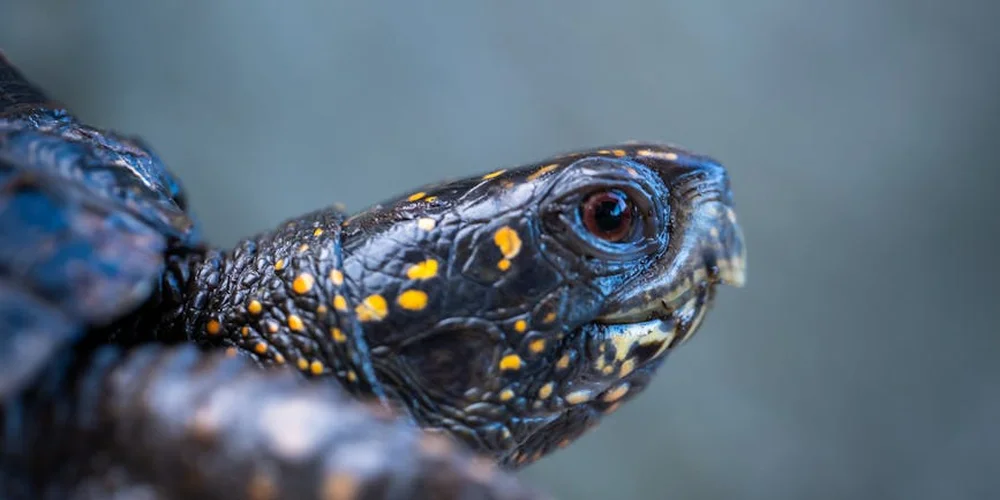
Start by evaluating what’s in your turtle’s space to reduce triggers. Swap out black or dark-colored items for lighter, natural tones that mimic their habitat. I switched Bronte’s dark hide for a tan one, and she became more curious and less defensive almost overnight.
Lighting and layout play huge roles in keeping your turtle calm. Ensure proper UVB and basking spots to mimic natural cycles, reducing stress-induced aggression. Proper UVB lighting is critical because turtles rely on UVB to synthesize vitamin D3, which supports calcium absorption and shell health. Setting it up correctly ensures consistent exposure and minimizes stress and nutritional problems. Here are some adjustments I’ve found effective:
- Use beige or green substrates instead of black gravel
- Place decorations in a way that avoids sharp shadows
- Provide multiple hiding spots with varied colors
- Keep water clean and at a stable temperature
A well-set tank encourages exploration over fear. Simple changes, like adding live plants, can make the environment feel safer and more engaging. Orwell’s tank revamp led to fewer startled reactions, showing how design impacts behavior.
Enrichment and Habituation Techniques
Help your turtle get used to new sights slowly to build confidence. Introduce objects gradually, starting from a distance, and reward calm behavior with treats. I did this with Austen, offering his favorite leafy greens when he ignored a previously scary item. Building trust with your turtle starts with patient, gradual exposure. It pays off as he grows more relaxed around you.
Enrichment keeps their minds busy and reduces boredom-related aggression. Rotate toys and obstacles weekly to stimulate natural foraging instincts. Try these techniques based on my experience:
- Use food puzzles or scatter feeds to encourage activity
- Spend time near the tank daily to build trust
- Play soft sounds or gentle music to desensitize them to noise
- Handle your turtle gently and infrequently to avoid stress
Patience is key; habituation takes time but pays off. Consistent, positive interactions help turtles learn that not every dark shape is a threat. Bronte now investigates new items without fear, thanks to slow, repeated exposures.
Long-Term Management and Enrichment Strategies
Creating a Calm Environment
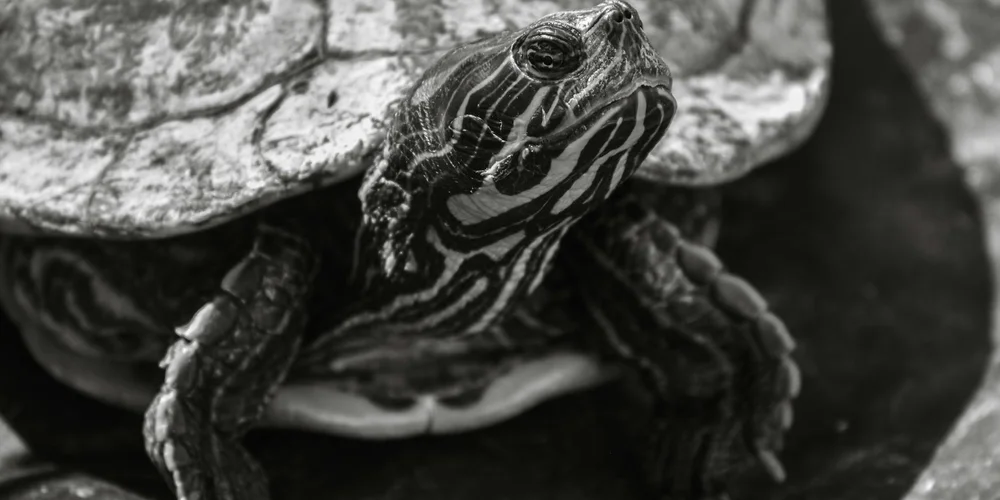
From my decade with Austen, my Russian tortoise, I’ve learned that a calm turtle is a happy turtle. Their environment is their entire world, and we are its architects. The goal is to build a space that feels secure and predictable, minimizing the chances of a startled reaction to anything, especially dark shapes.
Start by assessing the placement of the enclosure itself. Is it in a high-traffic area where people and pets constantly pass by? I made this mistake early on with Bronte, my Greek tortoise. Moving her table to a quieter corner of the room made a noticeable difference in her baseline stress levels.
Consider these adjustments to foster a serene habitat:
- Use solid-colored backgrounds on three sides of the enclosure to block erratic outside movement.
- Position hides and plants to create visual barriers, allowing your turtle to retreat from view whenever it wishes.
- Ensure a consistent day/night cycle with a timer for their lights. Sudden darkness or light can be jarring.
- If you wear a lot of black, try placing a small, neutral-colored towel over the side of the enclosure when you approach for feeding or maintenance.
Enrichment is just as vital as the physical setup. A bored turtle can become a stressed turtle. I provide Orwell, my box turtle, with different textures to explore, like smooth river stones and crinkly oak leaves. Rotating their “toys” and rearranging their landscape every few weeks keeps their minds engaged and less focused on potential threats. It mimics the slight changes they’d encounter in the wild.
When to Seek Professional Help
While some head-bobbing or shell-raising is normal communication, certain behaviors cross a line. Your turtle’s well-being is the absolute priority.
It’s time to consult an exotic veterinarian if you observe any of the following:
- Aggression that is persistent and not linked to any obvious trigger, like feeding time or reflection.
- Your turtle is attempting to bite itself, its own limbs, or the walls of its enclosure repeatedly.
- A complete loss of appetite accompanies the aggressive behavior for more than a few days.
- You notice any physical signs of illness, such as swollen eyes, nasal discharge, or labored breathing.
I once noticed Bronte was unusually lethargic and snapping at the air. It wasn’t her typical graceful self. A vet visit revealed a minor respiratory infection that was making her feel vulnerable and irritable. The behavior was a symptom, not the core problem. An expert can rule out pain or illness, ensuring your shelled friend gets the specific care they need.
FAQs
How can I safely introduce new objects to my turtle’s tank without causing stress?
Place unfamiliar items at a distance initially and gradually move them closer over days. Reward your turtle with a small treat when it shows calm behavior to build positive associations. This is especially helpful when taming a shy or scared turtle.
Are there any colors that turtles prefer or find calming?
Turtles tend to respond better to blues and greens, as these align with their natural visual sensitivities. Avoid high-contrast shades like black to reduce fear-based reactions in their habitat. Turtles can see color, and their color vision is strongest in the blue-green range, with variation across species. This helps explain why color matters for turtle behavior and habitat design.
What are the signs that my turtle’s aggressive behavior requires a vet visit?
Seek professional help if aggression is persistent and not linked to clear triggers, like during feeding. Also, consult a vet if it accompanies symptoms like lethargy, appetite loss, or physical distress.
Reflecting on Your Turtle’s World
To keep your turtle calm, recognize that black objects can trigger defensive instincts, so I always ensure Austen’s space is free from such items to avoid unnecessary stress. When you’re ready, you can introduce supervised time outside safely in a secure, enclosed area. Monitor your turtle closely for signs of stress and keep outdoor sessions brief at first. Observing your turtle’s reactions helps you tailor their habitat for a happier, more secure life.
Caring for a turtle means committing to their unique needs, which is why I continuously learn from resources like this site to better support Bronte and Orwell. Your dedication to understanding pet turtle care ensures these gentle creatures thrive under your watchful eye.
Further Reading & Sources
- Why Turtles Attack Black Objects – The Surprising Truth Revealed – All Turtles
- Why Do Turtles Hate Black Things? (& Attack Them!)
- Why do turtles fight black objects? – The Environmental Literacy Council
- Tortoise Accused of Being Racist After Attacking Only Black Shoes! How Do Animals See Color?
Matthew is a dedicated turtle enthusiast and conservationist with over 15 years of experience in reptile care. Known affectionately as "The Leatherback" among his peers, he combines his passion for turtles with a commitment to educating pet owners on responsible turtle care and environmental stewardship.
Understanding Turtle Behavior