
What Are Snapping Turtles? Behavior, Facts, and Safety Guide
Published on: June 21, 2026 | Last Updated: June 21, 2026
Written By: Matthew The
If you’ve ever seen a snapping turtle and felt a mix of awe and caution, you’re not alone. These ancient-looking reptiles have a reputation that often precedes them, leaving many to wonder about their true nature and how to safely share their space.
This guide will walk you through their fascinating behavior, surprising facts, and a practical safety guide.
We’ll cover:
- Identifying features and common behaviors
- Intriguing facts about their biology and lifespan
- Essential safety tips for peaceful coexistence
Snapping Turtle Basics: Species and Habitat
Snapping turtles are fascinating freshwater reptiles that I’ve admired from a safe distance during my years caring for turtles like Austen and Bronte. Their scientific name, Chelydra serpentina for the common species, hints at their serpent-like neck movements. These turtles boast a rugged carapace (top shell) that can reach over a foot long, a reduced plastron (bottom shell) leaving their legs exposed, and sharp claws perfect for digging and gripping. You’ll often find them in rivers, ponds, and wetlands across North America, where they blend into muddy bottoms. Based on my observations and research, here’s a quick list of key species and where they roam:
- Common Snapping Turtle (Chelydra serpentina): Widespread from southern Canada to Ecuador, thriving in varied freshwater habitats.
- Alligator Snapping Turtle (Macrochelys temminckii): Primarily in the southeastern United States, favoring deep rivers and lakes with abundant cover.
Identifying Snapping Turtle Species
When I compare common and alligator snapping turtles, the differences are striking-much like how my Russian tortoise Austen’s smooth shell contrasts with rougher species. Common snappers are smaller and more agile, while alligator snappers are bulkier with a prehistoric look that demands respect. Use this simple table to spot the distinctions quickly:
| Species | Average Size | Shell Texture | Behavior |
|---|---|---|---|
| Common Snapping Turtle | Up to 20 inches | Smooth with slight ridges | Aggressive, fast-moving on land and water |
| Alligator Snapping Turtle | Up to 30 inches or more | Rough with three prominent ridges | Sedentary, uses a worm-like lure to hunt |
Where Snapping Turtles Thrive
From my visits to local wetlands, I’ve seen how snapping turtles prefer slow-moving waters with soft, muddy bottoms where they can bury themselves. They need clean, well-oxygenated water to avoid skin infections and thrive in temperatures between 70-80°F, similar to what I maintain for Orwell in his enclosure. Seasonally, they may hibernate in mud during cold months or travel overland to nest. For anyone interested in their habitat, whether wild or captive, aim for these features:
- In the wild: Deep water with submerged logs, abundant aquatic plants, and sandy banks for basking.
- In captivity: A large tank or pond (at least 100 gallons for adults), strong filtration to handle waste, and UVB lighting to support shell health.
Understanding Snapping Turtle Behavior
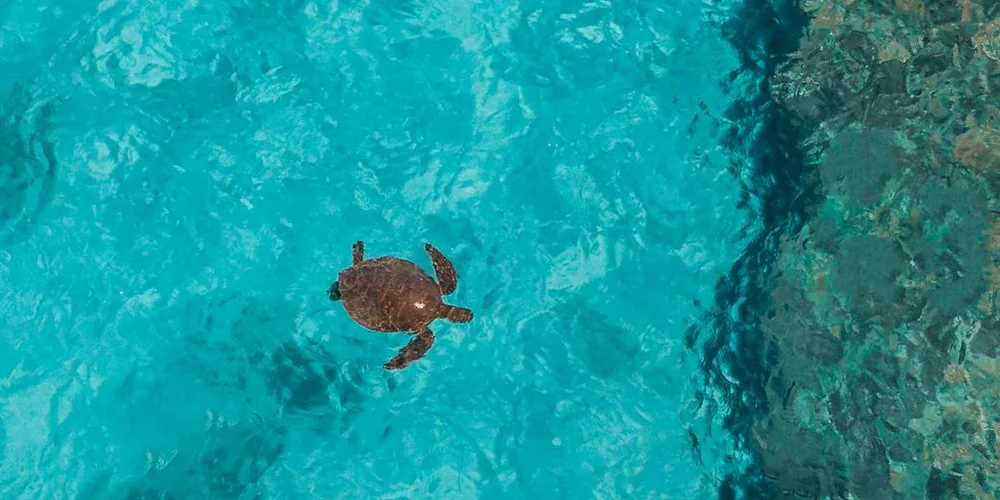
Observing snapping turtle behavior has taught me to appreciate their resilience, much like my gentle tortoises but with a wild edge. They are omnivores, feeding on everything from fish and insects to plants, and use defensive postures like hissing and neck stretching to ward off threats. Socially, they’re mostly solitary, interacting only during mating. To stay safe, recognize aggressive signs with these steps.
- Listen for a low hiss or see the mouth open wide-this means back away slowly.
- Watch for the neck extending rapidly; it often precedes a lightning-fast bite.
- Notice if the turtle raises its body off the ground, a clear warning to give space.
Common behavioral adaptations include camouflage, where their dark shells mimic debris, and their ability to remain motionless for hours. These traits help them ambush prey and avoid predators, showcasing nature’s clever designs.
Common Behaviors and Daily Life
In their daily routine, snapping turtles hunt by lurking in murky water, bask on logs to regulate body temperature, and hide under vegetation for protection. I’ve noticed how their movements are deliberate and stealthy, unlike my box turtle Orwell’s more curious explorations. Here’s a list of typical actions and what they often mean:
- Lunging in water: Usually hunting or defending territory, not play.
- Basking for long periods: Regulating temperature and absorbing UV rays for health.
- Burrowing in mud: Hiding from threats or conserving energy during cooler weather.
Mating and Reproduction Insights
Mating season for snapping turtles is a delicate time, with courtship involving gentle nudges and following behaviors in the water. Females travel to sandy areas to lay eggs, often risking road crossings, which reminds me to advocate for wildlife corridors in developed areas. Understanding sea turtle nesting and hatching seasons helps us appreciate how coastal habitats shape reproduction. Studying them also informs conservation actions to protect nests and hatchlings. The process generally follows these steps:
- Courtship begins in spring, with males pursuing females in aquatic environments.
- Females dig nests on land, depositing 20-40 eggs in a single clutch.
- Eggs incubate for 80-90 days before hatchlings emerge and head to water.
To observe safely, keep a respectful distance, use binoculars, and avoid disturbing nests to protect these vulnerable creatures.
Behavioral Adaptations for Survival
Snapping turtles have evolved remarkable adaptations that I respect deeply from my animal welfare perspective. Their shell acts as a mobile fortress, claws dig for food and nesting, and their powerful bite can crush prey or deter predators in an instant. This bite force power is a defining feature of their predatory toolkit. It helps explain the incredible strength behind a snapping turtle’s quick, crushing bite. For example, common snapping turtles use rapid strikes to catch fish, while alligator species employ a fleshy lure in their mouth to attract curious animals. These behaviors highlight why it’s crucial to handle them only when necessary and with expert guidance to prevent stress or injury.
Fascinating Facts About Snapping Turtles
These ancient reptiles are more than just their powerful bite. Their unique biology tells a story of survival that has lasted for millions of years. I’ve spent years observing turtles, and snappers always command a special kind of respect.
Lifespan and Growth Patterns
Snapping turtles are the long-haul truckers of the turtle world, living remarkably long lives. In the wild, they can easily reach 30 to 40 years, with some documented individuals living beyond 50. So, do snapping turtles live to old ages? Yes—in good habitats they can reach the 50-year mark and beyond. Their growth is a slow and steady process, heavily influenced by their environment and food availability.
- Hatchlings start at about an inch long but can grow over a foot in shell length.
- They never truly stop growing, though the rate slows dramatically with age.
- Warmer climates and abundant food can lead to faster growth and larger overall size.
- Their incredible longevity is a testament to their rugged design and adaptability.
Diet and Feeding Habits
Snapping turtles are opportunistic omnivores, a trait that has served them well. They are the cleanup crew of their aquatic habitats, consuming almost anything they can fit in their mouths. That ties into the broader question of where turtles fall on the herbivore-carnivore-omnivore spectrum. Most turtles are omnivores, though the balance of plants and animals in their diets can vary by species and life stage. In my experience with other aquatic turtles, none are quite as efficient at foraging.
| Food Type | Wild Diet Examples | Captive Diet Tips |
|---|---|---|
| Animal Matter | Fish, frogs, insects, crayfish, small birds, carrion | Offer gut-loaded insects, chopped fish, and high-quality commercial turtle pellets. |
| Plant Matter | Aquatic plants, algae, fallen fruit | Provide leafy greens like romaine, dandelion greens, and duckweed. |
Variety is crucial for a balanced diet. Avoid overfeeding, as obesity is a common health issue in captive turtles that can shorten their impressive lifespan. To tell if your turtle is overweight, look for a rounded shell and thicker limbs, and monitor for reduced activity. If in doubt, consult a reptile veterinarian for guidance on portions and care.
Safety Guide: Handling and Bite Prevention
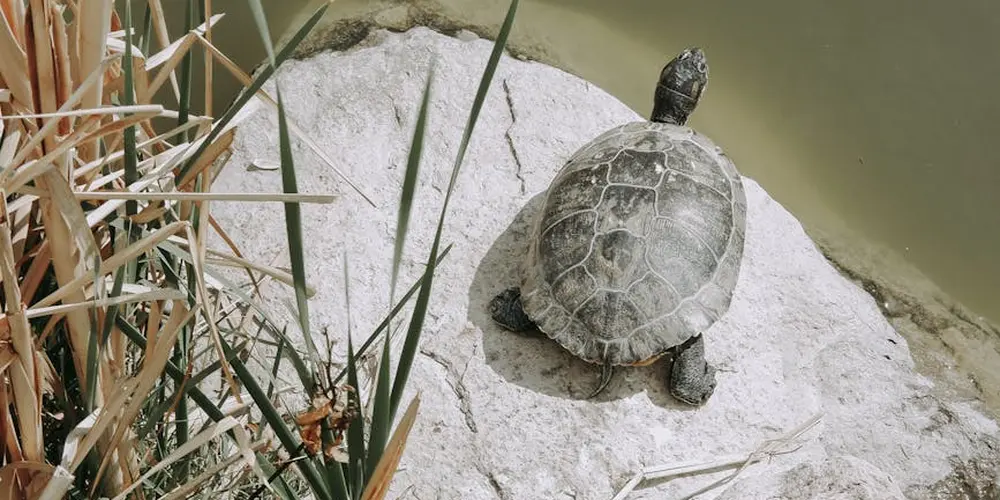
Respect is the number one rule when dealing with any wildlife, especially a creature as formidable as a snapping turtle. The best way to handle a snapping turtle is to simply not handle it at all unless absolutely necessary. I’ve learned to observe and appreciate them from a safe distance.
- Do approach from the rear if you must move one, keeping your hands away from its head.
- Do not ever pick them up by the tail; this can severely injure their spine.
- Do use a shovel or sturdy object to gently coax them across a road, guiding from behind.
- Do not assume a retreating turtle is safe; they can strike with lightning speed.
Recognizing Aggressive Postures
A snapping turtle will almost always warn you before it strikes. Learning this body language is your best defense against a painful bite. Their communication is direct and unambiguous.
- Gaping Jaws: They will open their mouth wide, displaying the sharp beak inside.
- Extended Neck: The neck will stretch out, positioning the head for a forward strike.
- Hissing Sound: This is air being expelled from their lungs, a clear auditory warning.
- Raised Body: They may lift themselves up on their legs to appear larger and more threatening.
First Aid for Snapping Turtle Bites
Despite all precautions, accidents can happen. A snapping turtle’s beak is designed to cut, so even a minor bite requires immediate and proper care. I keep a first aid kit handy whenever I’m near their habitats.
- Apply firm, steady pressure to control bleeding with a clean cloth.
- Wash the wound thoroughly with soap and warm, running water for at least five minutes.
- Apply an antibiotic ointment and cover with a sterile bandage.
- Monitor for signs of infection, including redness, swelling, or pus.
- Seek medical attention immediately for deep wounds, if bleeding doesn’t stop, or if you are unsure about your tetanus vaccination status.
Snapping Turtles as Pets: Care Considerations
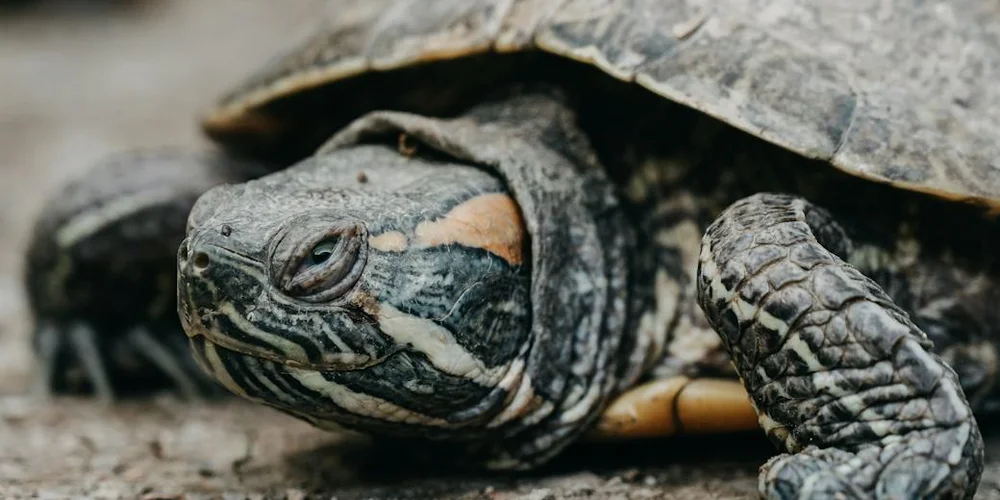
Keeping a snapping turtle as a pet is a big responsibility that many people underestimate. From my years of caring for turtles like Austen and Bronte, I’ve learned that snapping turtles demand far more space and specialized care than common pet species. They grow large, need massive tanks, and have powerful bites that require cautious handling. Unlike red-eared sliders, which adapt well to home environments, snapping turtles thrive best in the wild due to their aggressive nature and complex needs.
Here’s a quick list of pros and cons to help you decide:
- Pros: Fascinating to observe, long lifespan if cared for properly, and they help control pest populations in ponds.
- Cons: Require enormous enclosures, expensive setup, potential legal restrictions, and they’re not suitable for handling or families with children.
Compared to red-eared sliders, snapping turtles are less interactive and more challenging to manage. Red-eared sliders are like gentle companions, while snapping turtles are like wild neighbors that prefer their space. I’ve seen many owners struggle with the transition from smaller turtles to these giants, so think carefully before committing.
Habitat Setup and Maintenance
Creating a proper home for a snapping turtle is no small feat. You’ll need a tank or pond that holds at least 100 gallons for juveniles, with adults requiring 200 gallons or more to move comfortably. Water quality is crucial-invest in a powerful canister filter to handle their waste, and change 25% of the water weekly to prevent ammonia buildup. Include a basking area with a heat lamp and UVB light to support their shell health and digestion, just like I provide for Orwell, my box turtle.
Essential equipment for snapping turtle care includes:
- Large aquarium or outdoor pond
- High-capacity water filter
- Basking platform with heat and UVB lighting
- Water heater to maintain 75-80°F
- Substrate like large river rocks (avoid small gravel they might swallow)
Follow these steps to set up their habitat safely:
- Choose a spacious tank and place it in a quiet area to reduce stress.
- Install the filter and heater, then cycle the water for a week before adding the turtle.
- Set up the basking spot with a ramp for easy access, ensuring the temperature stays around 90°F.
- Monitor water parameters regularly with a test kit to keep conditions stable.
Legal and Ethical Aspects
Before considering a snapping turtle as a pet, check your local laws-many regions require permits or ban ownership altogether. Conservation laws protect snapping turtles in areas where populations are declining, so removing them from the wild can harm ecosystems. Ethically, I believe it’s kinder to admire these animals in their natural habitats rather than confining them, as they often suffer in captivity due to inadequate care.
Resources to verify regulations include:
- Your state’s wildlife agency website
- Local herpetological societies
- U.S. Fish and Wildlife Service for federal guidelines
Conservation and Coexisting with Snapping Turtles
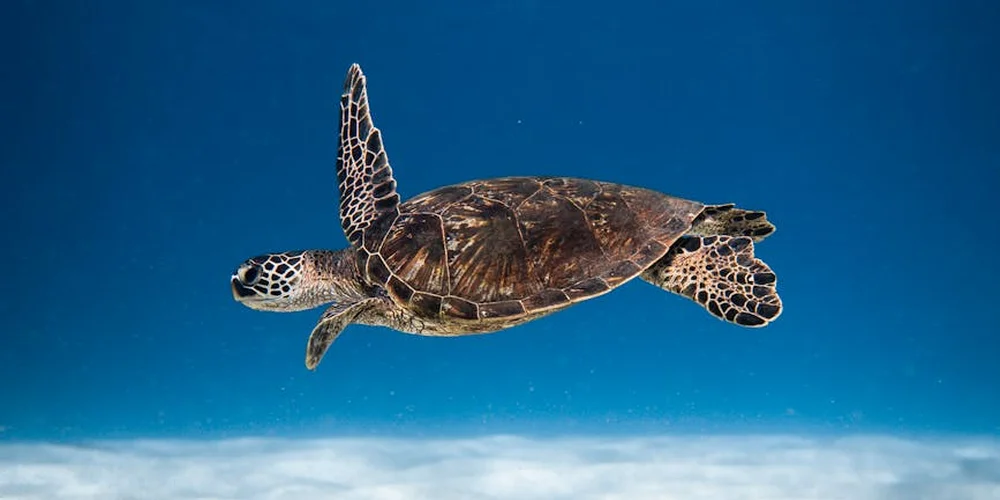
Snapping turtles face serious threats that require our attention to ensure their survival. By understanding these risks, you can play a role in protecting these ancient creatures and the ecosystems they support. Simple actions, like reducing plastic use or supporting wetland preservation, make a big difference in their conservation.
Here are easy ways you can help:
- Avoid using pesticides near waterways to keep their habitats clean.
- Participate in local clean-up events to remove trash from ponds and rivers.
- Educate others about snapping turtles to reduce fear and misinformation.
Threats to Snapping Turtle Populations
Habitat loss from urban development is a major issue, shrinking the wetlands snapping turtles rely on for nesting and feeding. Road mortality claims countless turtles each year, as females travel to lay eggs and often cross busy streets. Pollution, like plastic debris and chemical runoff, poisons their water and food sources, leading to health declines. In my experience rescuing turtles, I’ve seen how illegal trade for pets or food further depletes wild populations, making conservation efforts urgent.
How You Can Help Protect Them
Taking small steps can have a big impact on snapping turtle conservation. Start by reporting any injured or nesting turtles to wildlife rehabilitators-it’s a simple act that saves lives. Supporting organizations that protect wetlands ensures these animals have safe places to thrive.
Follow this numbered list to get involved:
- Drive cautiously near water bodies, especially during spring nesting season.
- Volunteer with groups that monitor turtle populations and habitats.
- Donate to or advocate for laws that protect freshwater ecosystems.
- Reduce your carbon footprint to combat climate change, which affects turtle habitats.
FAQs
How do snapping turtles behave in groups?
Snapping turtles are mostly solitary and only come together during mating season or when resources are concentrated. They may display territorial behaviors like hissing or lunging to establish dominance in shared spaces. After mating, female snapping turtles typically lay eggs in nests during late spring to early summer, with hatchlings emerging after incubation.
What behavioral adaptations help snapping turtles hunt effectively?
Snapping turtles use ambush tactics, remaining motionless for hours to blend with debris and surprise prey. Their sharp beak and quick neck extension allow them to capture food with precision in murky waters. Their diet consists mainly of fish, amphibians, and various aquatic invertebrates.
How can I identify snapping turtle mating behavior in the wild?
Look for males following females in water and engaging in gentle nudging or circling as part of courtship. Females may later travel to sandy areas to dig nests, often seen in late spring or early summer.
Why is the alligator snapping turtle less aggressive than the common species?
Alligator snapping turtles rely on camouflage and a sedentary lifestyle, using a worm-like lure to attract prey without active pursuit. This passive hunting strategy reduces the need for frequent aggressive encounters compared to common snappers. Researchers explain that this ambush-style feeding shapes both their diet and hunting behavior. By relying on a lure and camouflage, they secure prey without chasing it.
What are some behavioral signs of a healthy snapping turtle?
A healthy snapping turtle will bask regularly to regulate body temperature and show alertness to its surroundings. It should also have a strong feeding response and move smoothly in water without signs of lethargy.
Guiding Your Snapping Turtle Care Journey
Always approach snapping turtles with caution and respect their space to stay safe. Setting up a secure, roomy habitat with clean water and a balanced diet keeps them healthy and content.
Keep learning about pet turtle care through reliable sources, such as Shell Sanctuary’s care guide, to grow your skills. Your commitment to their well-being builds a trusting bond and enriches their lives.
Further Reading & Sources
- Common snapping turtle – Wikipedia
- Chelydra serpentina (Common Snapping Turtle) | INFORMATION | Animal Diversity Web
- Common Snapping Turtle | NC Wildlife
- BioKIDS – Kids’ Inquiry of Diverse Species, Chelydra serpentina, Common Snapping Turtle: INFORMATION
Matthew is a dedicated turtle enthusiast and conservationist with over 15 years of experience in reptile care. Known affectionately as "The Leatherback" among his peers, he combines his passion for turtles with a commitment to educating pet owners on responsible turtle care and environmental stewardship.
Understanding Turtle Behavior