
Are Turtles Herbivores, Carnivores, or Omnivores?
Published on: January 18, 2026 | Last Updated: January 18, 2026
Written By: Matthew The
You might be wondering what turtles actually eat and if feeding them incorrectly could harm their health or shorten their lives, especially if you’re caring for one as a pet.
This article explores turtle diet types, species-specific eating habits, and practical feeding tips based on my experience with tortoises like Austen and Bronte.
The Three Main Turtle Diet Types
Think of turtle diets like human food preferences. Some are strict vegetarians, others are dedicated meat-lovers, and many enjoy a bit of everything.
Understanding the Dietary Classifications
Herbivores eat only plants, much like a dedicated vegan. They graze on leaves, flowers, and fruits. Carnivores are the meat-eaters of the turtle world, primarily consuming insects, fish, and other small creatures. Omnivores have the most flexible diet, happily munching on both plants and animals. Green sea turtles are an example of herbivores, known for their diet consisting mainly of seagrasses and algae.
Common Pet Turtles and Their Diets
You’ll find most popular pet turtles fall into one of these three categories.
- Herbivores: This group includes many tortoises. My Russian Tortoise, Austen, is a perfect example. His world revolves around dark, leafy greens and edible flowers.
- Carnivores: Softshell turtles and snapping turtles are classic carnivores. They need a protein-rich diet to thrive.
- Omnivores: This is the largest group for common pets. Red-eared sliders, painted turtles, and my Box Turtle, Orwell, all enjoy a varied menu.
Quick Guide to Turtle Diets
| Diet Type | Primary Foods | Example Species |
|---|---|---|
| Herbivore | Dandelion greens, hibiscus flowers, cactus pads | Russian Tortoise, Greek Tortoise |
| Carnivore | Live fish, worms, commercially prepared pellets | Common Snapping Turtle |
| Omnivore | Mixed greens, insects, small fish, vegetables | Red-Eared Slider, Box Turtle |
How Turtle Species Dictates Diet Needs

A turtle’s natural home tells you everything about what it should eat. Their bodies are fine-tuned by evolution for specific foods found in their native habitats.
Habitat as a Dietary Blueprint
Tortoises, like my Greek Tortoise Bronte, evolved in arid landscapes with sparse vegetation. Their digestive systems are built to process high-fiber, low-protein plants. Mimicking their wild diet in captivity is the single most important factor for their long-term health. Aquatic turtles, living in ponds and rivers, have access to both aquatic plants and small aquatic animals, which is why so many are omnivores.
Species-Specific Feeding Notes
Each species has its own quirks and requirements.
- Red-Eared Sliders: As juveniles, they are voracious carnivores. As they mature, their diet should shift to include more and more plant matter, becoming primarily herbivorous in adulthood.
- Box Turtles: My Box Turtle, Orwell, has a wonderfully varied palate. He enjoys earthworms, berries, mushrooms, and leafy greens. They are true opportunists.
A Personal Feeding Story
I learned about species-specific needs firsthand with my Greek Tortoise, Bronte. While my Russian Tortoise, Austen, thrives on a standard mix of greens, Bronte is more particular. She turns her graceful nose up at some foods Austen devours, showing a clear preference for certain weeds and flowers I grow specifically for her. Observing your turtle’s individual preferences, within the bounds of a healthy diet, makes feeding time more rewarding for both of you. Many common garden plants and even some flowers are safe for turtles to eat in moderation. Knowing which of Bronte’s favorites are safe helps me plan her treats without worry.
Age and Life Stage Impact on Turtle Nutrition
Watching my own turtles grow has taught me how their dietary needs shift dramatically over time. A young turtle’s body is a construction site, demanding protein for rapid shell and tissue development, while an adult’s body is more like a maintained garden, thriving on fibrous greens. This natural progression is crucial to understand.
Juveniles, like a bustling little Orwell was, are constantly growing. Their fast metabolisms require frequent, protein-rich meals to build strong bones and a sturdy shell. Think of them as tiny, shelled athletes in training. As they mature into adults, their growth slows, and a diet too rich in protein can actually strain their kidneys and lead to shell deformities. My Russian tortoise, Austen, made this transition beautifully, gradually showing more interest in his leafy greens than the occasional worm.
Feeding Frequency and Portion Guide
How often and how much you feed is just as important as what you feed. Portion size should generally be about the same size as your turtle’s head and neck combined. Stick to a regular feeding schedule. Turtles do best with small portions fed more often rather than one large feeding.
- Hatchlings & Juveniles (0-3 years): Feed daily. Their meals should be a balanced mix of 50% protein (like small insects) and 50% plant matter.
- Young Adults (3-7 years): Transition to feeding every other day. Shift the ratio to about 25% protein and 75% vegetables and greens.
- Adults (7+ years): Feed 3-4 times per week. Their diet should be almost entirely herbivorous, around 90% plants and only 10% protein, offered as a monthly treat.
- Seniors (Varies by species): Appetite may decrease. Offer food 2-3 times a week, focusing on easily digestible, soft leafy greens and ensuring they stay hydrated.
A Simple Age-Based Feeding Chart
| Life Stage | Protein Focus | Plant Focus | Feeding Frequency |
|---|---|---|---|
| Hatchling | Small crickets, bloodworms | Finely chopped dark lettuce, duckweed | Daily |
| Juvenile | Earthworms, feeder fish | Dandelion greens, shredded squash | Daily |
| Adult | A single snail or worm monthly | Collard greens, hibiscus flowers, opuntia cactus | 3-4 times/week |
| Senior | Very rarely, if at all | Soaked hay, tender spring mix, grated carrot | 2-3 times/week |
Building a Balanced Diet for Your Pet Turtle

Crafting the perfect meal for your shelled friend is an art grounded in science. A varied diet is the single most important factor in preventing nutritional deficiencies and ensuring a long, healthy life. I rotate my turtles’ food based on what’s fresh and seasonally available, which keeps them interested and nutritionally covered.
Safe and Nutritious Food Choices
Not all greens are created equal. I’ve learned to avoid nutrient-poor options like iceberg lettuce, which is mostly water.
- Leafy Greens (Staple): Dandelion greens, endive, escarole, collard greens, turnip greens.
- Other Vegetables: Shredded carrots, zucchini, bell peppers, opuntia cactus pads (spines removed).
- Fruits (Treats only): Berries, melon, apple (no seeds), mango. My Greek tortoise, Bronte, goes into a graceful frenzy for a single raspberry.
- Proteins (For omnivores): Earthworms, crickets, dubia roaches, occasional cooked, unseasoned chicken or fish.
- Essential Supplements: A calcium powder (without vitamin D3 if using a UVB light) dusted on food 2-3 times a week, and a multivitamin once a week.
Mixing the Perfect Omnivore Meal
For species like box turtles or sliders, you’re creating a salad with a side of protein. I aim for a “salad base” that makes up about 75% of the meal, topped with a “protein garnish” for the remaining 25% for adults. Commercial pelleted foods can be a good base, but they shouldn’t be the entire diet.
- Start with 2-3 different types of chopped dark, leafy greens.
- Add a small amount of a brightly colored vegetable for variety and vitamins.
- Sprinkle the salad with a calcium supplement powder.
- For an adult, add a few live insects or a small piece of protein on top to encourage foraging behavior.
- Mix everything gently to distribute the supplements.
Preparing Fresh Foods Safely
Taking a few extra minutes in the kitchen ensures your turtle’s meal is both safe and appealing. Always wash all produce thoroughly to remove pesticides and potential contaminants, just as you would for your own family. I use a dedicated vegetable brush for my turtles’ tough-skinned veggies like squash and carrots.
- Rinse all greens, vegetables, and fruits under cool running water.
- Chop foods into bite-sized pieces appropriate for your turtle’s mouth. Smaller pieces for juveniles, larger for adults.
- For harder vegetables like carrots or squash, I lightly steam or grate them to make them easier to eat and digest.
- If using protein sources like chicken, ensure it is thoroughly cooked and completely free of any seasoning, oils, or salt.
- Serve the food in a clean, shallow dish to prevent substrate from being ingested.
Recognizing Signs of Diet-Related Health Issues
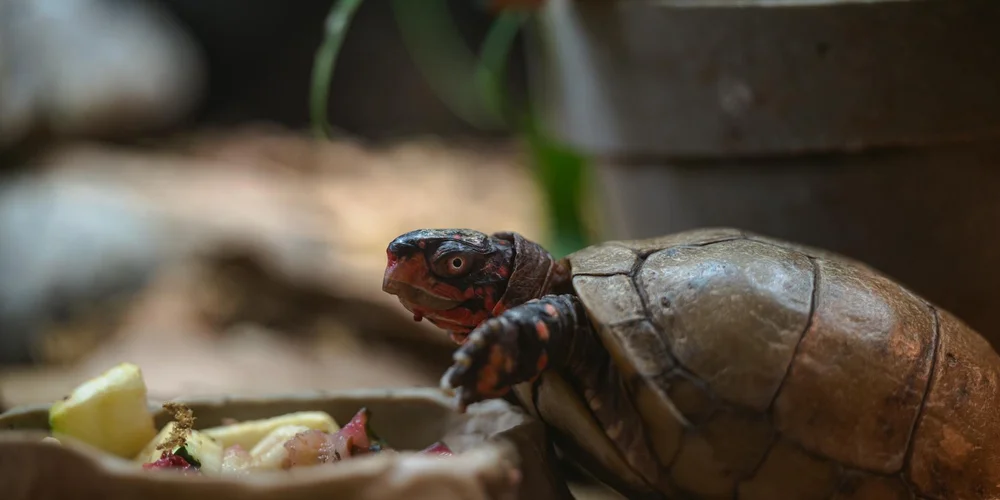
Your turtle’s diet shapes their well-being in clear, visible ways. Spotting early signs of trouble can save you from costly vet visits and keep your pet thriving. Watch for red flags that indicate a vet check is needed, such as persistent lethargy, changes in appetite, or shell abnormalities. If you notice these, don’t hesitate to consult a veterinarian who treats reptiles.
Overfeeding often leads to obesity and sluggishness. If your turtle moves less or struggles to retract into its shell, it might be time to cut back on portions. To tell if your turtle is overweight or underweight, monitor its body condition and activity over several weeks. Subtle changes in appetite, shell shape, or energy can indicate a shift in weight.
Nutritional deficiencies show up in shell and energy changes. A soft, discolored, or pyramiding shell usually points to low calcium or vitamins.
- Overfeeding symptoms: Weight gain, lethargy, difficulty moving.
- Deficiency signs: Brittle shell, poor growth, dull eyes, low appetite.
- Improper nutrition clues: Diarrhea, constipation, or unusual stool consistency.
Adjust their diet based on shell hardness, activity levels, and digestion. When Orwell’s shell started showing mild pyramiding, I reduced high-protein foods and added more calcium-rich greens, which restored its smoothness over months.
Monitor energy shifts closely. A sudden drop in activity could mean dietary imbalances, while hyperactivity might signal excess sugars or proteins.
I once overfed Bronte with too many fruits, leading to digestive upset. Switching to a balanced mix of veggies and proteins brought back her graceful movements and steady digestion.
Supplements and Enhanced Nutrition Tips
Supplements bridge gaps in your turtle’s meals for optimal health. Using calcium powders and multivitamins wisely supports shell integrity and overall vitality. This topic is explored in our turtle calcium vitamin supplements complete guide, which walks you through selecting, dosing, and safety considerations.
Apply calcium powder lightly to food 2-3 times weekly. This prevents metabolic bone disease and ensures strong, resilient shells.
- Calcium guide: Dust greens or proteins evenly; avoid clumping.
- Multivitamin use: Add once a week to cover essential nutrients like Vitamin D3.
- Safety tips: Stick to reptile-specific brands and follow dosage labels.
Supplements boost shell growth and energy levels. With Austen, regular calcium dusting transformed his shell from slightly soft to firm and vibrant.
Integrate supplements without stress by mixing them into favorite foods. I blend powders with wet leafy greens for Bronte, making her meals enticing and nutrient-packed.
Observe your turtle’s response to adjustments. If they refuse supplemented food, try alternating days or combining with high-value treats like shredded carrots. If your turtle won’t eat, refer to a 10-point troubleshooting checklist for worried owners to help identify common causes and next steps.
Feeding Practices for Common Pet Turtle Species
Omnivorous Species like Red-Eared Sliders
For popular pets like Red-Eared Sliders, a balanced diet is the cornerstone of their health. I’ve found that younger sliders thrive on a diet of about 50% protein and 50% plants, gradually shifting to a more plant-heavy 25% protein and 75% vegetable diet as they reach adulthood. This progression mirrors their natural development.
- For protein, offer gut-loaded insects like crickets, earthworms, and occasional feeder fish.
- Their plant-based meals should include dark leafy greens like romaine lettuce, dandelion greens, and shredded carrots.
- Favorite foods often include aquatic plants like duckweed and small pieces of thawed frozen shrimp.
Controlling their food intake is vital. Overfeeding is a fast track to obesity and shell pyramiding, common issues I’ve helped many owners correct. A good rule is to offer an amount of food roughly the size of their head, every other day for adults.
- Juveniles can be fed daily, but always monitor their body condition.
- Remove any uneaten food after 15 minutes to keep their water clean.
Herbivorous Species like Russian Tortoises
Caring for my Russian Tortoise, Austen, has taught me the delicate art of herbivore nutrition. Their diet must be high in fiber from grasses and leafy greens to support a slow, healthy digestive system. Think of their gut like a fermentation vat that needs constant, rough material to process correctly.
- Base their diet on a mix of Timothy hay, broad-leaf weeds like plantain, and endive.
- Rotate through greens like collard greens, mustard greens, and occasional kale.
- Fruits should be a very rare treat, as the high sugar content can disrupt gut flora.
Calcium is non-negotiable for a strong shell and to prevent metabolic bone disease. I always keep a cuttlebone in Austen’s enclosure and lightly dust his salads with a calcium powder supplement a few times a week. This simple practice makes a world of difference.
- Calcium-rich choices include dandelion greens, hibiscus leaves, and opuntia cactus pads.
- Ensure proper UVB lighting is provided so their bodies can actually use the calcium they consume.
Carnivorous Species in Captivity
Species like some softshell turtles have demanding protein needs. Ethically sourcing their food is my top priority, as it directly impacts their health and our collective conscience. I opt for suppliers who raise feeder fish and insects specifically for reptile consumption, avoiding wild-caught prey that may carry parasites or pesticides.
- For insects, use reputable companies that practice gut-loading to enhance nutritional value.
- Appropriate feeder fish include guppies or minnows from safe, controlled environments.
- I avoid goldfish as they contain thiaminase, an enzyme that breaks down essential vitamins.
A monotonous diet is a bored turtle. Providing variety isn’t just about nutrition; it stimulates their natural hunting instincts and provides crucial mental enrichment. Watching them strategize and chase different prey is a fascinating part of their care.
- Rotate between earthworms, crickets, shrimp, and appropriately sized fish.
- For larger specimens, you can offer whole prey items like pinky mice, but this should be done sparingly.
- Mimic the unpredictability of the wild by changing up their “menu” weekly.
FAQs
How do I determine if my turtle is herbivore, carnivore, or omnivore?
Identify your turtle’s species first, as diet types are closely tied to their natural habitat and biology. Research reputable care guides or consult a veterinarian to confirm the specific dietary needs for your pet.
What are the risks of feeding an improper diet to my turtle?
An incorrect diet can cause serious health problems like metabolic bone disease or shell pyramiding. It may also lead to obesity, digestive issues, and a reduced lifespan for your turtle.
Can a turtle’s diet change with age?
Yes, many turtles undergo dietary shifts as they grow, such as moving from protein-rich to plant-based foods. Adjusting their diet according to life stage is crucial to prevent health complications.
What foods should I avoid giving to my turtle?
Avoid high-oxalate greens like spinach and never offer processed foods, dairy, or salty items. Also, steer clear of toxic plants and insects from unsafe sources to prevent poisoning or parasites.
How often should I supplement my turtle’s diet with vitamins?
Dust their food with a calcium supplement 2-3 times per week and a multivitamin once weekly for balanced nutrition. For an omnivorous turtle, a balanced diet combines plant foods with occasional animal protein. Always use reptile-specific products and adjust based on your turtle’s health and diet variety.
A Healthy Diet for a Happy Turtle
Ultimately, the best diet for your turtle depends entirely on its species, age, and individual health. Always research your specific turtle’s needs and be prepared to adjust their meals as they grow from juvenile to adult. For baby turtles, their diet requires special attention and a feeding guide tailored to hatchlings can help you provide the right balance. A beginner-friendly baby turtle feeding guide covers calcium, vitamins, and appropriate prey sizes. Providing a balanced, varied diet is the single most important thing you can do for their long-term well-being.
Remember, owning a pet turtle is a long-term commitment that requires you to stay curious and informed. Your willingness to continuously learn about their care is what transforms a simple pet owner into a truly responsible and compassionate guardian, especially when understanding the challenges involved in their care.
Further Reading & Sources
- All About Sea Turtles – Diet & Eating Habits | United Parks & Resorts
- Sea Turtle Diet – SEE Turtles
- What Do Turtles Eat? | Food, Habitat, & Variation | Britannica
- What Do Turtles Eat? | PetMD
Matthew is a dedicated turtle enthusiast and conservationist with over 15 years of experience in reptile care. Known affectionately as "The Leatherback" among his peers, he combines his passion for turtles with a commitment to educating pet owners on responsible turtle care and environmental stewardship.
Common Turtle Foods