
How to Care for Land and Aquatic Turtles: Essential Guide
Published on: November 20, 2025 | Last Updated: November 20, 2025
Written By: Matthew The
Are you feeling unsure about meeting your turtle’s unique needs, whether they roam on land or swim in water, and worried about their health and happiness?
This guide walks you through habitat setup, diet plans, health monitoring, common behaviors, and daily care routines.
Choosing the Right Turtle for Your Home
Land Turtles vs Aquatic Turtles: Key Differences
Land turtles, like my Russian tortoise Austen, thrive in dry environments with plenty of space to roam. Aquatic turtles need large water setups for swimming and diving, making their care more water-focused. Diet varies too: land turtles munch on leafy greens, while aquatic ones often eat pellets and live prey.
Activity levels differ significantly. Land turtles are slower and enjoy basking, whereas aquatic species are more active swimmers. From my years with Austen, I’ve seen how his steady pace suits a calm home, while aquatic turtles demand more interactive setups.
- Habitat: Land turtles require terrariums; aquatic need tanks with water.
- Lifespan: Both can live decades, but aquatic turtles often need larger enclosures as they grow.
- Maintenance: Aquatic setups involve frequent water changes, adding to your routine.
Common Land Turtle Species and Their Needs
Russian tortoises, like Austen, are hardy and ideal for beginners. They need a spacious terrarium with a mix of hideouts and open areas to explore. Austen’s gentle nature makes him a joy, but he requires a diet rich in weeds and occasional calcium supplements.
Greek tortoises, such as Bronte, are graceful but need specific humidity levels. Her golden brown shell stands out, but she thrives on a varied diet of greens and flowers. I’ve found that providing a shallow water dish helps her stay hydrated without over-soaking.
- Russian Tortoise: Low humidity, ample space, and a herbivorous diet.
- Greek Tortoise: Moderate humidity, rocky terrain for climbing, and daily fresh veggies.
- Box Turtle: Omnivorous diet with insects, and a mix of dry and moist areas in the enclosure.
Popular Aquatic Turtle Varieties and Care Levels
Red-eared sliders are common but grow large, needing tanks of 75 gallons or more. Their care is moderate, requiring strong filtration to keep water clean and prevent shell rot. Without proper setup, they can develop health issues quickly.
Painted turtles are smaller and slightly easier for novices. They still demand consistent water quality checks and a balanced diet of pellets and veggies. I advocate for researching each species’ needs to avoid impulse buys that harm animal welfare.
- Red-eared Slider: High care level due to size and filtration needs.
- Painted Turtle: Moderate care, good for those with some experience.
- Musk Turtle: Lower maintenance, but still require heated water and basking spots.
Assessing Your Lifestyle and Commitment
Consider how much time you can dedicate daily. Land turtles like Orwell need feeding and enclosure checks, while aquatic species demand water testing and filter maintenance. My routine with Bronte involves quick daily interactions, but aquatic setups can take hours each week.
Space is another factor. A small apartment might suit a land turtle better than a large aquatic tank. From my experience, Austen’s enclosure fits neatly in a corner, but aquatic tanks dominate rooms and need sturdy support.
- Time: Land turtles: 10-30 minutes daily; aquatic: 1-2 hours weekly for cleaning.
- Cost: Initial setup for land turtles is $200-$500; aquatic can exceed $1000 with filters and heaters.
- Long-term: Turtles live 20+ years, so think about future moves and vet care.
Setting Up a Safe and Comfortable Habitat
Land Turtle Enclosure Essentials
Selecting the Right Terrarium Size and Substrate
Choose a terrarium that allows your turtle to move freely. For Austen, I use a 40-gallon tank to give him room to wander and dig. Smaller enclosures can stress turtles, leading to health problems over time.
Substrate should mimic their natural environment. I prefer coconut coir for its moisture retention and safety, unlike sand that can cause impaction. Orwell enjoys burrowing in it, which keeps his shell healthy and reduces boredom.
- Size: Minimum 40 gallons for most land species; larger for active ones.
- Substrate Options: Coconut coir, cypress mulch, or organic soil-avoid gravel or cedar chips.
- Depth: 2-4 inches for digging and nesting behaviors.
Heating and UVB Lighting for Optimal Health
Proper lighting is non-negotiable for shell and bone strength. I use a combination of heat lamps and UVB bulbs to replicate sunlight for Bronte. Without UVB, turtles can develop metabolic bone disease, which I’ve seen in rescues.
Position the heat source to create a basking spot of 85-95°F. Austen spends hours under his lamp, and it helps regulate his digestion and activity levels. Monitor temperatures with a reliable thermometer to avoid burns or chilling.
- Heat Lamp: Provides warmth for basking; place over one end of the enclosure.
- UVB Bulb: Essential for vitamin D3 synthesis; replace every 6-12 months.
- Night Heating: Use ceramic heat emitters if temperatures drop below 70°F.
Aquatic Turtle Tank Must-Haves
Water Quality Management and Filtration Systems
Clean water is vital to prevent infections and stress. Invest in a canister filter rated for twice your tank’s volume to handle waste effectively. Poor filtration leads to ammonia buildup, which I’ve learned can harm turtles quickly. This is one of the seven deadly turtle tank setup mistakes, and fixing it fast protects your turtles.
Regular water changes of 25-50% weekly keep toxins low. Test water parameters often with a kit to ensure pH and ammonia levels stay safe. This routine mimics natural currents and supports overall health.
- Filtration: Canister or power filters; clean or replace media monthly.
- Water Changes: Partial changes weekly; full cleanouts only if necessary to avoid stress.
- Water Conditioner: Use to remove chlorine and chloramines from tap water.
Basking Platform and Temperature Control
Aquatic turtles need a dry area to thermoregulate and dry off. A sturdy basking platform with a heat lamp above encourages natural behaviors. Without it, turtles may develop shell rot or respiratory issues.
Maintain water temperatures between 75-80°F and basking areas at 90-95°F. I recommend using submersible heaters with guards to prevent burns and accidents. Consistent temperatures help turtles digest food and stay active.
- Basking Platform: Use rocks, driftwood, or commercial docks; ensure it’s easy to climb.
- Heating: Submersible heater for water; heat lamp for basking zone.
- Monitoring: Thermometers in both water and basking areas for accuracy.
Balancing Humidity and Shelter Options
Humidity levels should match your turtle’s species needs. For land turtles like Bronte, I keep humidity around 50-60% with occasional misting. Too much moisture can cause shell fungus, while too little leads to dehydration.
Provide multiple hides and shelters for security. Austen loves his half-log hide, which reduces stress and gives him a sense of safety. In aquatic setups, include underwater caves or plants for hiding spots.
- Land Turtles: Use humid hides or moist substrate areas; monitor with a hygrometer.
- Aquatic Turtles: Maintain tank humidity through water evaporation; add floating plants for cover.
- Shelters: Offer variety-rocks, plants, or commercial hides-to encourage natural behavior.
Feeding Your Turtle for Long-Term Health
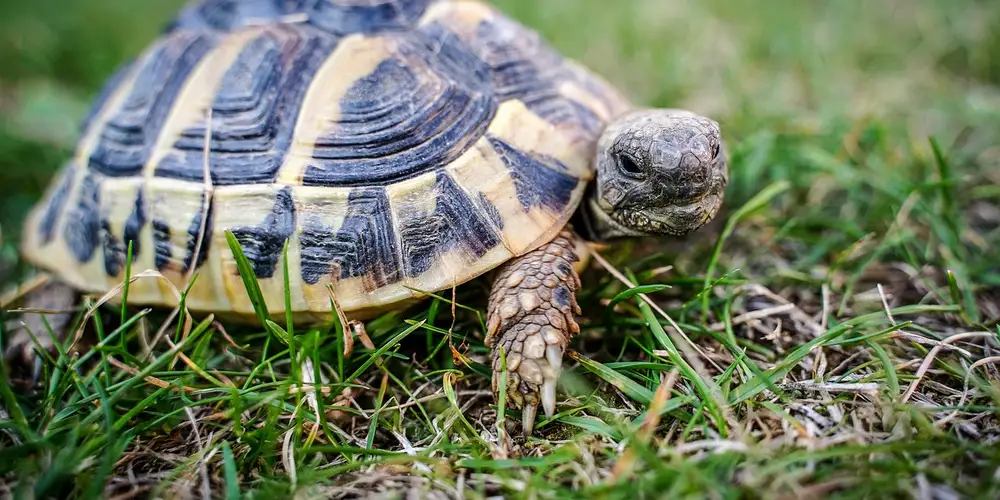
Getting their diet right is the single most impactful thing you can do for your turtle’s vitality and lifespan. I’ve learned through years of trial and error with my own shelled family that a proper diet prevents a host of health issues before they ever start.
Crafting a Balanced Diet for Land Turtiles
Land turtles like my Russian and Greek tortoises are primarily herbivores, thriving on a varied salad bar of fresh greens and vegetables. Their slow metabolism is built for fibrous, nutrient-dense plants, not the high-protein foods that can harm them.
Leafy Greens, Veggies, and Calcium-Rich Foods
Think of their plate as a colorful mosaic. The foundation should always be dark, leafy greens.
- Daily Staples: Dandelion greens, endive, escarole, and turnip greens. These are packed with vitamins and low in problematic compounds.
- Veggie Variety: Shredded squash, bell peppers, and the occasional carrot add color and different nutrients. My tortoise, Bronte, adores a thin slice of butternut squash.
- Critical Calcium: I always keep a cuttlebone in their enclosure for them to gnaw on. I also lightly dust their food with a calcium powder supplement twice a week to support strong shell and bone development. This is non-negotiable for preventing metabolic bone disease.
- Fruit as a Treat: Fruit is like candy for tortoises. I offer a small piece of berry or melon only once every couple of weeks.
Nutritional Needs of Aquatic Turtles
Aquatic turtles are the opportunistic omnivores of the turtle world, requiring a mix of animal protein and plant matter throughout their lives. Their diet evolves as they grow, starting off much more carnivorous.
Turtle Pellets, Proteins, and Vitamin D3 Sources
A balanced aquatic turtle diet is a three-legged stool. If one leg is missing, their health can wobble.
- High-Quality Pellets: These should be the base of their diet. Look for brands where the first ingredient is a whole protein like fish or shrimp.
- Live or Frozen Proteins: For enrichment and essential nutrients, offer earthworms, gut-loaded crickets, or frozen-thawed bloodworms. This variety mimics their natural foraging behavior and provides mental stimulation.
- The Vitamin D3 Factor: Unlike land turtles that get D3 from sunlight, aquatic turtles often rely on their diet. Their basking area’s UVB light is crucial, but a high-quality pellet is also fortified with D3 to ensure proper calcium absorption.
- Adult Plant Matter: As they mature, offer them leafy greens like red leaf lettuce or anacharis, a aquatic plant they can nibble on.
Feeding Schedules and Portion Control
How much and how often you feed is just as important as what you feed. Overfeeding is a common mistake that leads to obesity and pyramiding, a deformity of the shell.
For my land tortoises, I offer a pile of mixed greens roughly the size of their shell every day. They graze on it throughout the morning.
Aquatic turtles are a different story. I follow a simple method.
- Juveniles (under 1 year): Feed a portion that would fit inside their head (excluding the neck) once a day.
- Adults: Feed the same head-sized portion every other day, or a smaller portion daily. Observing your turtle’s body condition is key; you should not see bulging fat around their legs.
I always feed my aquatic turtles in a separate container of water. This keeps their main tank much cleaner and prevents water quality issues from decaying food.
Maintaining Your Turtle’s Health and Wellness
Keeping your shelled friend healthy is a daily commitment that pays off in decades of companionship. My own trio-Austen, Bronte, and Orwell-have taught me that a proactive approach is far better than a reactive one.
Regular Health Checks and Shell Care
I make it a habit to give each of my turtles a gentle once-over every week during their soak. This isn’t a stressful exam; it’s a quiet moment of connection. Your hands are your best diagnostic tool for noticing subtle changes that might signal a problem.
Here is what I look for in my weekly checks:
- Eyes should be clear, bright, and fully open, without any swelling or discharge.
- The nose must be dry. A bubbly or runny nose is a major red flag.
- Check inside the mouth for any unusual plaques or swelling; it should be a healthy pink.
- Skin should be free of flaky patches, sores, or any unusual discoloration.
Shell care is paramount. A healthy shell feels solid and hard, like bone. I gently run a soft-bristled toothbrush over their shells during soaks to remove algae and check for soft spots. Any give or flexibility, especially in a younger turtle, can indicate metabolic bone disease. The shell should also be smooth, without any pits, cracks, or a foul smell.
Spotting Early Signs of Illness or Stress
Turtles are masters of disguise when it comes to weakness, a natural instinct from the wild. You must become a keen observer of their normal behavior to spot the abnormal. A sudden change in appetite or energy level is often the very first whisper of trouble.
Watch for these subtle cues:
- Lethargy or a lack of interest in food for more than a day or two.
- Swimming lopsided or struggling to stay submerged (for aquatic turtles).
- Wheezing, open-mouth breathing, or excessive yawning.
- Spending all their time hiding when they would normally be basking.
- Puffy eyes or swelling in the limbs.
Disease Prevention and Common Ailments
Most turtle health issues are preventable with pristine habitat conditions and proper nutrition. Clean water and correct temperatures are the twin pillars of preventative care, acting as a shield against many common ailments.
A balanced diet rich in calcium and proper UVB lighting are non-negotiable for preventing metabolic bone disease, a devastatingly common condition. Quarantining any new reptile before introducing it to your existing pets is a simple step that can prevent a world of heartache.
Addressing Shell Rot, Respiratory Issues, and Parasites
Even with the best care, problems can arise. Knowing how to identify and respond to these common issues is a critical part of being a turtle keeper.
Shell Rot (Ulcerative Shell Disease)
This is a bacterial or fungal infection of the shell. I once spotted a small, discolored patch on Orwell’s shell that felt slightly soft. Catching shell rot early is the key to a simple recovery, often requiring just a gentle cleaning and topical treatment prescribed by your vet. Advanced cases can eat deep into the shell, which is painful and requires aggressive veterinary care.
Respiratory Infections
Often caused by temperatures that are too cold or dramatic fluctuations. You might notice nasal discharge, lethargy, and a loss of appetite. If you see your turtle tilting its head to breathe or making whistling sounds, consider it an emergency that requires an immediate vet visit for antibiotics.
Parasites
Internal parasites are very common, especially in wild-caught turtles. Symptoms can include diarrhea, weight loss despite a good appetite, or visible worms in their feces. A routine fecal exam at your exotic vet is a simple, effective way to screen for parasites and keep your turtle’s internal ecosystem in balance.
| Ailment | Primary Cause | Key Symptoms |
|---|---|---|
| Shell Rot | Dirty habitat, shell injury | Soft, pitted, or foul-smelling shell |
| Respiratory Infection | Incorrect temperature, drafts | Wheezing, nasal bubbles, lethargy |
| Internal Parasites | Contaminated food or environment | Diarrhea, weight loss, visible worms |
Daily Care and Habitat Maintenance

Keeping your turtle’s home clean and comfortable is a daily commitment that pays off in their vibrant health and happiness. From my decade with Austen and Bronte, I’ve seen how a tidy habitat prevents stress and illness, making every effort worthwhile.
Cleaning Routines for Land and Aquatic Setups
Land turtles like my Russian tortoise Austen need spot-cleaning of waste daily to keep their space fresh. Remove uneaten food and feces promptly to avoid mold and bacteria buildup. For aquatic setups, such as with Orwell the box turtle, I wipe down tank walls weekly to control algae.
- For land turtles: Scoop soiled substrate daily; replace entirely every 4-6 weeks.
- For aquatic turtles: Use a siphon to vacuum debris from the bottom; scrub decorations monthly.
- Always wash your hands before and after handling to protect both you and your pet.
Water Changes, Filter Cleaning, and Substrate Refreshes
In Orwell’s aquatic area, I perform partial water changes of 25-50% weekly to maintain clarity and reduce toxins. Consistent water changes are non-negotiable for preventing shell rot and respiratory issues. Clean filters every 2-4 weeks by rinsing media in old tank water to preserve beneficial bacteria.
- Change water: Use a dechlorinator to treat new water before adding it to the tank.
- Clean filters: Avoid tap water on filter media to keep the ecosystem stable.
- Refresh substrate: For land turtles like Bronte, replace bedding when it smells musty or looks damp.
Monitoring Temperature and Humidity Levels
Turtles rely on precise environmental conditions to thrive, much like their wild habitats. I use digital thermometers and hygrometers to track levels daily, ensuring Austen’s dry warmth and Bronte’s slight humidity are just right. Improper settings can lead to lethargy or shell problems.
- Land turtles: Aim for 75-85°F (24-29°C) with basking spots up to 95°F (35°C); humidity around 50-60%.
- Aquatic turtles: Water temperature 75-80°F (24-27°C); basking area 85-90°F (29-32°C).
- Adjust with heat lamps or misters as needed, and always provide shaded areas for cooling off.
Enrichment and Behavioral Well-Being
Your turtle’s health isn’t just about a clean shell and a full belly. Their mind needs nourishment too. A mentally stimulated turtle is a happy, active turtle, less prone to stress-related behaviors and health issues. I’ve seen my own tortoises become visibly more engaged and curious when their environment offers them choices.
Providing Mental Stimulation and Exercise
Think of your turtle’s habitat as their entire world. We need to make that world interesting. Exercise isn’t just for physical health; it’s a primary source of mental engagement for these curious creatures. A bored turtle might become lethargic or, in some cases, try to constantly escape its enclosure.
Safe Toys, Hiding Spots, and Environmental Changes
You don’t need a pet store full of gadgets. Enrichment is about creating a dynamic living space.
- For Land Turtles (like my Russian, Austen): Create a simple obstacle course with smooth, flat rocks and pieces of untreated wood for them to climb over. They love the challenge.
- For Aquatic Turtles: A ping pong ball floating on the water’s surface can provide hours of pushing and chasing. Smooth, large river rocks on the tank bottom encourage natural foraging behavior.
- Hiding Spots are Non-Negotiable: Every turtle, regardless of species, needs a secure place to retreat. This reduces stress immensely. For my box turtle, Orwell, his half-log hide is his sanctuary.
- Rotate Their “Furniture”: Every few weeks, I gently move rocks, branches, and hides to create a new landscape for them to explore. This simple change sparks immediate curiosity.
Understanding Your Turtle’s Personality and Habits
Turtles have distinct personalities, just like people. Spending quiet time simply observing your turtle is the single best way to understand their unique needs and preferences. You’ll start to learn what is normal for them, making it easier to spot when something is wrong.
My Greek tortoise, Bronte, is a graceful grazer who prefers a slow, methodical pace. My Russian, Austen, is more of a determined explorer. I feed and handle them differently based on their temperaments; Bronte appreciates a gentle approach, while Austen is more robust. Pay attention to your turtle’s rhythms. Learn their favorite basking spot, their preferred time of day to be active, and what foods they get most excited about. This knowledge is the foundation of truly exceptional care.
FAQs
How often should I handle my turtle?
Handle your turtle sparingly to minimize stress, as they are not naturally social animals. Short, gentle sessions a few times a week are sufficient for bonding and health checks.
Can land and aquatic turtles live together?
No, land and aquatic turtles should not be housed together due to vastly different habitat requirements. Mixing them can lead to stress, injury, or health issues from incompatible environments.
What are the signs of a happy turtle?
A happy turtle is active, has a good appetite, and explores its environment regularly. Other indicators include clear eyes, a firm shell, and normal basking and hiding behaviors. These cues help in identifying turtle species and supporting classification. When paired with shell shape and coloration, they strengthen identification efforts.
Your Journey as a Turtle Guardian
From my time with Austen, my Russian tortoise, I’ve found that creating a habitat that mirrors their natural environment and offering a species-specific diet are the cornerstones of turtle health. Pay close attention to their behavior and shell condition, as these subtle cues often reveal their well-being before any obvious signs appear.
Responsible turtle ownership means committing to their long lifespan and evolving needs, which deepens the bond you share. Stay curious and open to new insights-whether from trusted resources or fellow enthusiasts-to ensure your care remains as dynamic and nurturing as the animals themselves.
Further Reading & Sources
- Aquatic Turtle Care Sheet | PetMD
- Simple Guide to Turtle Care – AVC Multispeciality Pet Care Hospital
- My Pet Turtle Care Handbook: The Complete Guide to Turtle Care, Habitat, and Feeding for Both Aquatic and Terrestrial Species: Gresham, Alan D.: 9798344203966: Amazon.com: Books
- Aquatic Turtle Care Sheet
Matthew is a dedicated turtle enthusiast and conservationist with over 15 years of experience in reptile care. Known affectionately as "The Leatherback" among his peers, he combines his passion for turtles with a commitment to educating pet owners on responsible turtle care and environmental stewardship.
Preventative Care