
Understanding the Nitrogen Cycle in Your Turtle Tank
Published on: December 17, 2025 | Last Updated: December 17, 2025
Written By: Matthew The
You just set up a beautiful new turtle tank, but now the water is cloudy, and you’re worried your pet might get sick. This is a common first step for many new turtle owners, and it all comes back to a tiny, invisible world in your aquarium.
From my years with my tortoises, Austen and Bronte, I know that creating a stable aquatic home is the most critical thing you can do for a turtle’s long-term health. Getting the nitrogen cycle right is what separates a thriving habitat from a stressful one.
This guide will walk you through the nitrogen cycle basics, step-by-step tank cycling, maintaining water quality, and troubleshooting common problems.
What Is the Nitrogen Cycle and Why Does It Matter for Your Turtle?
Think of the nitrogen cycle as nature’s own recycling system inside your turtle’s tank. It’s the process where beneficial bacteria break down harmful waste into less toxic substances. This invisible cleanup crew is the single most important factor for maintaining a healthy aquatic environment for your shelled friend.
When waste builds up, it releases ammonia, a toxic compound that can severely irritate your turtle’s eyes, skin, and respiratory system. I learned this the hard way with my Russian tortoise, Austen, when I first started; even a small, poorly maintained enclosure can cause stress and illness. The cycle works by converting that dangerous ammonia into nitrite, and then into a much less harmful nitrate. Common turtle hygiene mistakes include infrequent cleaning, leaving uneaten food, and not testing water quality. Avoid them by cleaning the enclosure regularly and monitoring ammonia and nitrate levels.
The Different Forms of Turtle Waste
Turtles produce a few key types of nitrogenous waste you need to manage:
- Ammonia: The most immediate threat, released from waste and uneaten food.
- Nitrite: The second stage, still quite toxic to your turtle.
- Nitrate: The final product, which is tolerated in lower levels and removed through water changes.
- Uric Acid: This is a white, pasty substance that turtles often excrete on land. It’s their way of conserving water.
Turtles excrete waste both in their water and, for many species, on land as that distinctive white uric acid paste. This dual method of waste removal means you’re managing pollution in both the aquatic and terrestrial parts of their habitat, making a robust nitrogen cycle non-negotiable. Essential filtration systems help keep turtle water clean by removing waste and supporting the nitrogen cycle. Regular maintenance ensures these systems keep water quality stable for your turtles.
How Turtles Contribute to the Nitrogen Cycle in Their Tank
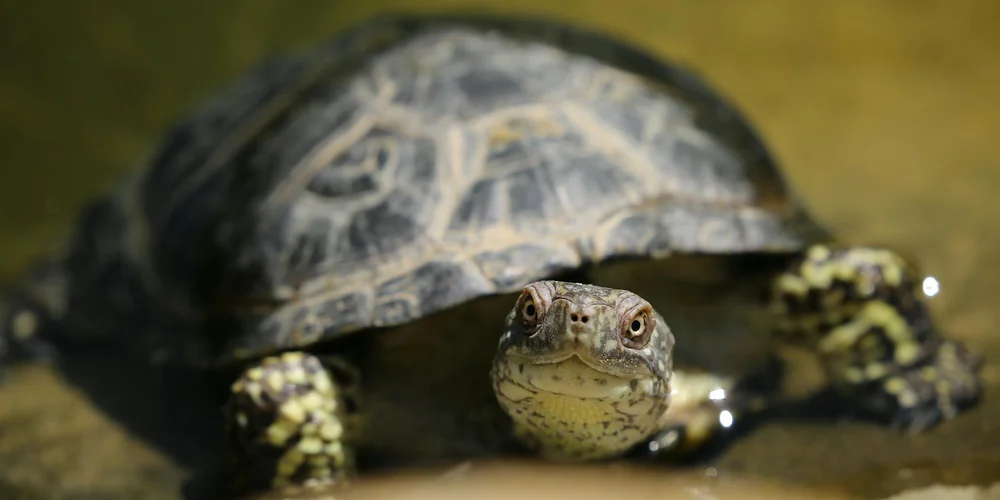
Your turtle is the primary engine driving the nitrogen cycle in its tank. Every time they eat, they produce waste, and understanding this process helps you become a better caretaker.
A turtle’s kidneys are master regulators, working to filter waste from their blood. The type of waste they produce is heavily influenced by their environment. Aquatic turtles, who are surrounded by water, tend to excrete more ammonia directly into their swimming space. More terrestrial species, like my box turtle Orwell, conserve precious body water by excreting uric acid, which is much less soluble. Understanding how and why turtles produce different kinds of waste is key to appreciating their unique biology.
Factors That Influence Waste Production
Several key elements determine how much waste your turtle generates and what kind:
- Diet: Protein-rich diets, like certain commercial pellets or feeder fish, produce more nitrogenous waste than leafy greens.
- Water Availability: A dehydrated turtle will produce more concentrated uric acid, putting extra strain on its kidneys.
- Temperature: Warmer temperatures increase a turtle’s metabolism, leading to more frequent eating and, consequently, more waste.
- Age: Younger, growing turtles often have faster metabolisms and may produce waste more rapidly than older, more sedentary adults.
I’ve noticed with my Greek tortoise, Bronte, that her waste output changes with the seasons and her diet. This is why observing your own turtle’s habits is so valuable; you learn their unique rhythms. A sudden change in waste consistency or frequency can be an early sign of dehydration or other health issues, so always pay close attention.
The risk of dehydration is very real, especially for species adapted to arid climates. Without enough water, their bodies can’t flush out toxins effectively, leading to a dangerous buildup. Providing constant access to fresh, clean water for drinking and soaking is a simple act that supports their entire excretory system. Proper animal welfare means understanding these biological needs and creating an environment where they can thrive, not just survive.
The Science Behind the Cycle: From Toxic Ammonia to Safer Nitrate
When I first set up a tank for Orwell, my box turtle, I noticed the water turning cloudy and smelled a faint, unpleasant odor-classic signs of ammonia buildup. Ammonia comes from turtle waste, uneaten food, and decaying matter, and it is highly toxic to your pet, causing stress and health issues. Understanding how this transforms into safer compounds is key to a healthy habitat.
How Ammonia Becomes Nitrite
Nitrifying bacteria called Nitrosomonas start the process by feeding on ammonia. These tiny workers convert ammonia into nitrite, which is still harmful but a step toward safety. In my experience with Bronte’s Greek tortoise enclosure, I saw nitrite levels spike during the initial cycle, reminding me to test water regularly to avoid harming her graceful demeanor.
Transforming Nitrite to Nitrate
Next, Nitrobacter bacteria take over, turning nitrite into nitrate. Nitrate is far less toxic and can be managed through partial water changes, making it a manageable end product. I recall how Austen’s Russian tortoise tank stabilized once these bacteria colonies matured, showing me the importance of patience in this natural process.
The Role of Nitrifying Bacteria
These bacteria are the unsung heroes of your tank’s ecosystem. They colonize surfaces like filter media and substrate, breaking down waste efficiently to protect your turtle from toxins. Over the years, I’ve learned that supporting their growth is non-negotiable for animal welfare, as it prevents illnesses and keeps pets like Orwell thriving. Regular cleaning and partial water changes help these bacteria do their job and keep the tank clean and odor-free. A clean habitat also reduces stress for your turtle.
Biological Filtration Basics
Biological filtration relies on these bacteria to purify water naturally. It works by providing a surface area for bacteria to cling to, such as in sponge filters or ceramic rings. When I upgraded Bronte’s setup, I focused on maximizing this surface to ensure her environment stayed clean and supportive of her thoughtful nature.
Setting Up Your Biofilter
To establish a strong biofilter, follow these steps for a healthy start:
- Choose a filter with ample media space, like a canister or hang-on-back model.
- Add beneficial bacteria starters to speed up colonization-I’ve used these with Austen’s tank to reduce cycle time.
- Avoid over-cleaning the filter media; rinse it in tank water during changes to preserve bacteria.
- Monitor ammonia and nitrite levels weekly, adjusting as needed to keep your turtle safe.
A well-set biofilter acts as your tank’s lifeline, turning potential hazards into manageable conditions. From my trials with various setups, I’ve found that consistency here makes all the difference for a calm, oceanic-like balance in your turtle’s home. That’s why choosing the best filter for an aquatic turtle tank matters. It keeps waste and toxins in check, helping maintain clear, healthy water for your turtle.
Step-by-Step Guide to Cycling Your Turtle Tank for Beginners
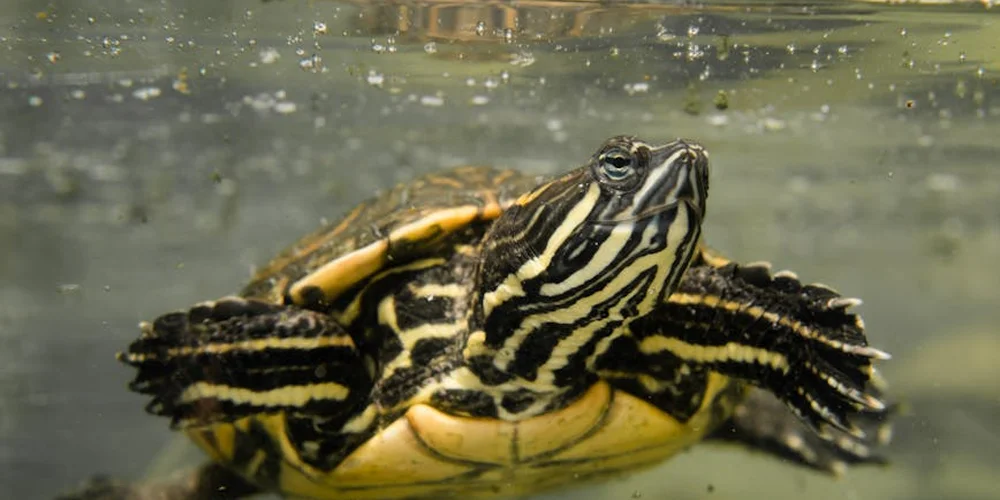
Cycling your turtle tank might feel overwhelming at first, but I’ve found it becomes straightforward with a clear plan. Following these steps ensures your turtles enjoy a safe, toxin-free home from day one. When I set up Austen’s first habitat, this process saved us both from stressful water issues. If you’re new to turtle care, the turtle tank beginners guide offers a simple, step-by-step plan to get your tank cycled confidently.
Essential Steps to Cycle Your Tank Successfully
- Gather all necessary supplies, including a water dechlorinator and a reliable test kit. Having these tools ready prevents delays and keeps your water safe for beneficial bacteria. I always stock up on dechlorinator because chlorine can kill the good bacteria your tank needs.
- Set up the tank with substrate and install the filter system. A properly running filter is vital for housing the bacteria that break down waste. For Bronte’s setup, I used a fine sand substrate that felt natural under her feet and supported bacterial growth.
- Add an ammonia source to kick-start the nitrogen cycle. This provides food for the bacteria, encouraging their growth. I often use a pinch of turtle pellets, similar to what I feed Orwell, to simulate waste without risking his health.
- Test water parameters like ammonia, nitrite, and nitrate levels every day. Daily checks help you spot trends and avoid dangerous spikes. When cycling Austen’s tank, I logged results in a notebook-it made the wait feel productive.
- Wait patiently for bacteria colonies to establish and multiply. This phase can take weeks, but rushing it harms your turtles’ future health. I remember watching Bronte’s tank slowly stabilize; the patience paid off with crystal-clear water.
- Confirm that ammonia and nitrite levels are at zero and nitrate is low before adding your turtles. Only safe water parameters guarantee a healthy introduction for your pets. With Orwell, I double-checked everything to ensure his transition was smooth and stress-free.
Monitoring Water Quality: Testing for Ammonia, Nitrite, and Nitrate
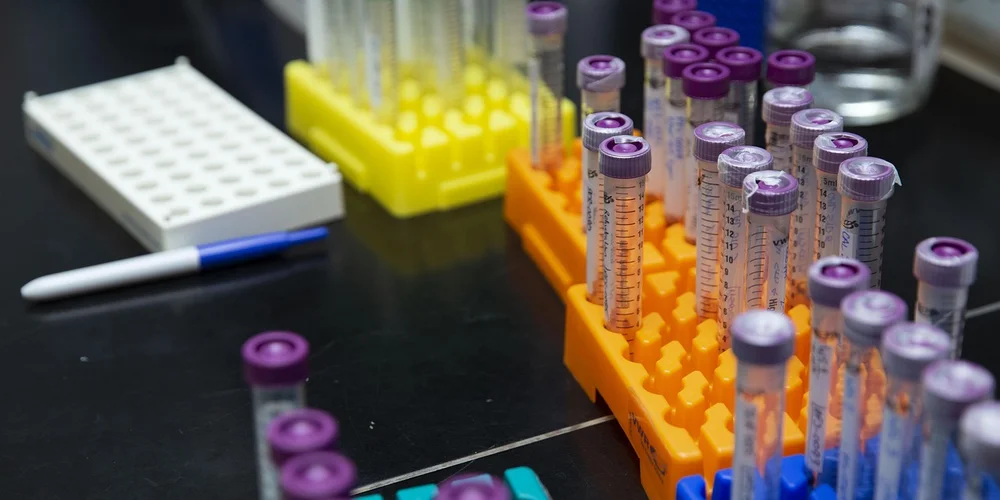
Think of your water test kit as a window into the invisible world of your turtle’s aquarium. Regular testing is the single most effective habit you can build to prevent health issues before they start. I learned this the hard way with my first turtle, Orwell, and now I never skip my weekly check.
How to Use Your Water Test Kit
You’ll typically find two main types of test kits: liquid reagent kits and test strips. From my experience, the liquid kits are far more accurate and reliable for the critical ammonia reading.
- Collect a small water sample in a clean vial from the middle of your tank, away from the filter output.
- Follow the kit’s instructions precisely, counting each drop and shaking for the exact time specified.
- Compare the resulting color to the provided chart in bright, natural light for the most accurate reading.
Consistency in your method is key to spotting subtle trends in your water quality over time. I test my tanks every Sunday morning, making it a calm, routine part of my pet care.
Safe Water Parameters for Turtles
Turtles are surprisingly resilient, but their water chemistry needs to stay within a specific range for them to truly thrive. Do turtles need water to survive? Yes—most turtles require regular access to clean water for drinking and hydration, even if they spend substantial time on land.
- Ammonia: 0 ppm (parts per million). Any detectable amount is stressful.
- Nitrite: 0 ppm. Like ammonia, this should be completely absent in a cycled tank.
- Nitrate: Below 40 ppm. This is the final product, but it must be controlled through water changes.
Seeing zeros for ammonia and nitrite is your ultimate goal, a clear sign your biological filter is doing its job. My Russian tortoise, Austen, becomes noticeably less active when nitrates creep too high.
The Critical Importance of Regular Testing
You cannot manage what you do not measure. Water conditions can change rapidly from leftover food, waste, or a new decoration.
- Testing weekly catches small problems before they become emergencies.
- It provides peace of mind, confirming your maintenance routine is effective.
- It helps you understand how your specific tank behaves, making you a more confident keeper.
Establishing a baseline for your tank’s “normal” allows you to instantly recognize when something is wrong. I keep a simple logbook for each of my turtles to track their unique tank histories.
Interpreting Your Test Results
Your test results tell a story. Here is how to read it.
An Ammonia Spike
If you detect ammonia, your tank’s cycle is either new, disrupted, or overwhelmed.
- Immediate Action: Perform a 25-50% water change immediately to dilute the toxin.
- Check Your Filter: Ensure it’s running properly and wasn’t recently cleaned with tap water, which kills beneficial bacteria.
- Review Feeding: You might be overfeeding. Uneaten food is a major ammonia source.
An ammonia reading is a direct alert that your turtle’s primary life support system is compromised. This demands your immediate attention.
High Nitrite or Nitrate Levels
Nitrite is just as dangerous as ammonia, preventing your turtle’s blood from carrying oxygen.
- High Nitrite: This often appears during a tank’s initial cycle. Like with ammonia, a partial water change is your first response.
- High Nitrate: This is typically solved with a routine water change. If nitrates are consistently high, you may need to increase your water change volume or frequency.
High nitrate is the most common issue in established tanks and is a gentle reminder that it’s time for a water change. My graceful Greek tortoise, Bronte, always explores her tank with renewed curiosity after fresh water is added.
Common Problems and Solutions in the Nitrogen Cycle
Even with the best intentions, you’ll likely face a few hurdles while establishing your tank’s ecosystem. These are normal parts of the cycling process, and every turtle keeper I know has dealt with them, myself included. The key is knowing how to respond calmly and effectively. If you encounter issues, a step-by-step troubleshooting guide for aquatic turtle tanks can help you diagnose and fix them efficiently. It provides a clear path to follow, reducing stress and downtime.
Ammonia Spikes: The Sudden Surge
An ammonia spike feels like a crisis. One day your water tests fine, the next it’s reading dangerously high. This often happens due to overfeeding, a forgotten piece of food, or a sudden increase in turtle waste. I’ve panicked over this with my own turtles, Austen and Bronte, after giving them a slightly too-large treat.
Your immediate action plan should be:
- Perform an immediate 25-50% partial water change.
- Use a gravel vacuum to remove any visible waste or uneaten food from the bottom.
- Test your water again after the change to gauge the improvement.
- Consider a water conditioner that neutralizes ammonia temporarily.
Nitrite Toxicity: The Silent Threat
Nitrites can be more insidious than ammonia. Your water might look perfectly clear, but this toxin prevents your turtle’s blood from carrying oxygen. I learned this the hard way when my box turtle, Orwell, became unusually lethargic during a cycle.
To combat nitrite toxicity:
- Increase water surface agitation with a stronger filter or an air stone to improve oxygenation.
- Continue with regular, smaller water changes (about 20%) every other day.
- Do not clean your filter media during this time; you need those bacteria.
- Salt, in very specific amounts recommended for reptiles, can help protect against nitrite absorption.
Dehydration’s Hidden Effect on Water Quality
This one often gets overlooked. A dehydrated turtle will produce more concentrated, highly toxic waste. Proper hydration isn’t just about your turtle’s health; it’s a critical component of maintaining stable water chemistry. Ensure your turtle always has clean water to drink and a proper basking area to regulate its body. Learn how to provide water for pet turtles.
Solutions for managing waste and feeding:
- Stick to a consistent feeding schedule, offering only what your turtle can eat in 5-10 minutes.
- Feed in a separate container to keep the main tank cleaner.
- Remove any uneaten food immediately after feeding time.
- Spot-clean visible waste from the tank daily with a small net.
Maintaining a Healthy Nitrogen Cycle Long-Term

Cultivating a stable nitrogen cycle is not a one-time event, but an ongoing practice of habitat stewardship. Consistency in your maintenance routine is the single greatest factor in preventing the cycle from crashing and safeguarding your turtle’s health. I learned this through careful observation of my own Russian tortoise, Austen, whose steady demeanor is a perfect reflection of the stable environment he requires.
The Cornerstones of Consistent Tank Maintenance
A proactive approach saves you from reactive emergencies. Think of these tasks not as chores, but as moments of connection with your shelled companion.
- Regular Partial Water Changes: I perform a 25-30% water change every week for my aquatic turtles. This physically removes nitrate and other dissolved waste before they can accumulate to harmful levels, refreshing the water without shocking the system.
- Substrate Vacuuming: During each water change, gently vacuum the gravel or sand. This pulls out uneaten food and solid waste trapped below the surface, which would otherwise decompose and produce excess ammonia.
- Filter Maintenance: Your filter is the engine of your nitrogen cycle. Never replace all the filter media at once. Instead, rinse sponges or pads in the water you remove during a water change. This preserves the vital bacteria living there while cleaning out physical debris.
Supporting the Cycle with a Proper Habitat
The nitrogen cycle doesn’t exist in a vacuum; it is deeply influenced by the overall well-being of your turtle. A stressed or unhealthy turtle produces more waste, placing a heavier burden on your bio-filter.
- Robust Filtration: For turtles, you need a filter rated for two to three times the actual volume of your tank. A powerful filter ensures constant water movement, maximizing oxygen for your beneficial bacteria and efficiently processing waste.
- A Dedicated Basking Area: A completely dry, warm basking spot is non-negotiable. It allows your turtle to fully dry its shell and body, which helps prevent shell rot and fungal infections that can complicate water quality.
- Quality UVB Lighting: Turtles require UVB light to metabolize calcium for strong bones and shells. A healthy turtle with a strong shell is fundamentally more resilient. Replace UVB bulbs every 6-12 months, as their output diminishes long before the light burns out.
The Critical Role of Water Conditioner
This is one of the most common oversights for beginners. You must treat all new tap water with a dechlorinator before adding it to your tank during water changes or top-offs. Chlorine and chloramines in tap water are added to kill bacteria, and they will indiscriminately destroy the beneficial bacteria in your filter, effectively resetting your cycle.
I keep a dedicated, labeled bucket next to my tanks that is used only for this purpose, ensuring I never make a mistake in my routine.
FAQs
What role do kidneys play in turtle nitrogen excretion?
Kidneys filter nitrogenous wastes like ammonia and uric acid from the blood. They help regulate water balance by concentrating waste to minimize water loss in excretion.
Why is uric acid the primary nitrogenous waste in many turtles?
Uric acid is less soluble and requires minimal water for excretion, conserving body fluids in dry environments. This adaptation supports survival in habitats with scarce water resources.
How do metabolic pathways for nitrogen differ between hatchlings and adults in turtles?
Hatchlings often have faster metabolisms, leading to higher ammonia production due to rapid growth. Adults typically shift to excreting more uric acid as their metabolism slows and water conservation becomes prioritized.
How does environmental temperature affect turtle nitrogen metabolism?
Warmer temperatures boost metabolic rates, increasing nitrogen waste production from food digestion. This can elevate ammonia levels in the tank, requiring more efficient filtration to maintain water quality.
How might dehydration impact turtle nitrogen excretion and health?
Dehydration leads to more concentrated uric acid excretion, putting stress on the kidneys and potentially causing damage. It can also result in toxin buildup, increasing the risk of health issues like kidney failure.
Your Journey to a Thriving Turtle Habitat
Focus on regular water testing and partial changes to manage ammonia, nitrite, and nitrate levels effectively. Establishing a stable nitrogen cycle is the foundation for preventing health issues and ensuring your turtle’s well-being.
Caring for a turtle is a rewarding commitment that demands ongoing attention to their environment. Keep exploring reputable resources and adjusting your care routine to support a long, happy life for your pet. For a comprehensive overview, consult the land and aquatic turtle care essential guide, which covers habitat needs, diet, and health checks for both land and aquatic species.
Further Reading & Sources
- Turtle Tank Water Cycling
- How To Cycle A Tank: Understanding The Nitrogen Cycle | Exotic PetQuarters
- Do Turtle Tanks Need To Be Cycled? (Explained) – UpHomely
- Turtle Tank Nitrogen Cycle – Complete Guide & Diagram
Matthew is a dedicated turtle enthusiast and conservationist with over 15 years of experience in reptile care. Known affectionately as "The Leatherback" among his peers, he combines his passion for turtles with a commitment to educating pet owners on responsible turtle care and environmental stewardship.
Water Quality