
Senior Turtle Care: Adjusting Diet and Habitat for an Aging Pet
Published on: February 27, 2026 | Last Updated: February 27, 2026
Written By: Matthew The
Is your turtle slowing down with age, and you’re worried about keeping them healthy and comfortable? I’ve been there with my own turtles, like Austen, my steady Russian Tortoise, who’s taught me so much over the past decade.
We’ll cover diet tweaks, habitat upgrades, and health checks to ensure your pet thrives in their golden years.
Recognizing Signs of Aging in Turtles
As turtles enter their golden years, their needs and behaviors shift in subtle ways. Learning to spot these changes early gives you the best chance to keep your senior companion comfortable and healthy. It’s a gradual process, much like watching the seasons change.
Common Aging Symptoms to Watch For
Keep a gentle eye out for these specific signals that your turtle is slowing down.
- Reduced Mobility and Arthritis: You might notice stiffer joints, especially after resting. My Russian tortoise, Austen, now takes a few slow, deliberate steps to get going in the morning, whereas he used to march off immediately.
- Changes in Appetite: They may eat less enthusiastically or become pickier. My Greek tortoise, Bronte, sometimes needs her food placed right in front of her to notice it these days.
- Shell Abnormalities: Look for subtle changes in shell texture or retained scutes that don’t shed properly. A healthy shell should feel firm and smooth.
- Vision Changes: They might misjudge distances or seem hesitant to move towards food, indicating possible sight deterioration.
Regular health checks are your most powerful tool for catching these shifts. I make it a quiet, weekly ritual with my own turtles. During a routine checkup, you can expect a quick physical—weight, shell condition, eyes, and mouth checks. Your veterinarian will also review housing, diet, lighting, and what to watch for between visits.
- Observe their movement from a distance. Note any new limping or reluctance to walk.
- Weigh them monthly on a kitchen scale. A steady, gradual weight is ideal; sudden loss is a red flag.
- Check their eyes and nose for any discharge during their soak.
- Feel their shell gently for any unexpected soft spots or flaking.
Watching Austen and Bronte age has taught me that patience is the greatest virtue. Their world simply gets a little smaller and quieter.
Adjusting Nutrition for Senior Turtles
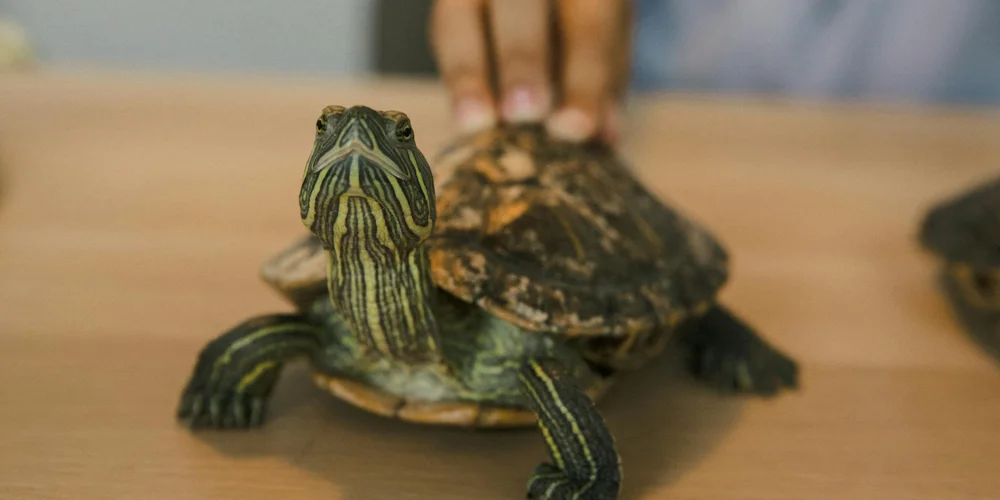
An older turtle’s digestive system isn’t as robust as it once was. Their diet should shift to prioritize easy digestion and high-quality nutrition over sheer volume. Think of it as moving from hearty meals to more refined, gut-friendly cuisine. For an omnivorous turtle, a balanced diet blends vegetables and leafy greens with appropriate protein sources. This approach helps you create a balanced diet for your omnivorous turtle.
Optimal Food Choices for Aging Turtles
Focus on soft, moist, and highly nutritious foods that are easy to bite and process.
- Soft Leafy Greens: Dandelion greens, escarole, and endive. I often chop these finely for my turtles.
- Soaked Pellets: Let their commercial pellets sit in warm water for a few minutes to create a mushy, easy-to-eat consistency.
- Grated Vegetables: Finely grated squash or zucchini is a favorite and requires minimal chewing effort.
- Lean Proteins: For species that eat protein, offer small amounts of softened, cooked chicken or earthworms.
Supplement and Hydration Strategies
Proper supplementation becomes even more critical as their ability to absorb nutrients wanes.
- Calcium with D3: Lightly dust their food with a calcium powder containing vitamin D3 twice a week to support shell and bone health.
- Probiotics: A pinch of probiotic powder mixed into food once a week can help maintain a healthy gut flora, aiding digestion.
- Hydration: Soak your senior turtle in shallow, lukewarm water for 15-20 minutes, two to three times a week. This soak is vital for hydration, as many older turtles drink less on their own.
I’ve also adjusted feeding schedules for my older pets. I offer smaller, more frequent meals instead of one large daily portion. This places less strain on their digestive system and seems to keep their energy levels more consistent throughout the day. For turtles, I follow a similar pattern: feed them small amounts more often rather than a single large portion. This helps prevent overfeeding and keeps their digestion steady, since a regular, frequent schedule suits aquatic and terrestrial turtles alike.
Modifying Habitat for Senior Turtles
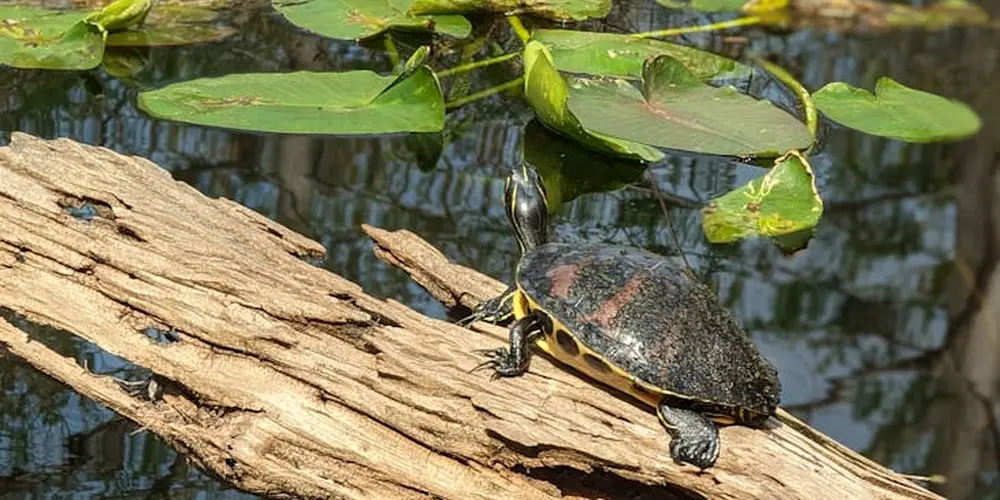
As my turtles aged, I noticed they moved less and struggled with tasks that were once simple. Adapting their home becomes a gentle act of love, ensuring their golden years are comfortable and stress-free. You can make small changes that have a huge impact on their quality of life.
Heat, UVB, and Basking Area Adjustments
Older metabolisms are less efficient at regulating temperature. I learned to create a more forgiving thermal gradient, with slightly warmer basking areas and gentler heat transitions. This prevents them from getting chilled as they move about more slowly.
- Lower the basking platform to just a few inches above the substrate. My Russian tortoise, Austen, appreciates not having to climb.
- Ensure the basking spot temperature is consistent but not scorching; aim for the lower end of your species’ recommended range.
- Replace UVB bulbs every 6-9 months without fail, as their output diminishes. Older shells need all the help they can get to process calcium.
- Use a digital thermometer/hygrometer to monitor conditions daily. I check on Bronte’s enclosure every morning with my coffee.
Enclosure and Substrate Modifications
Arthritis and weakened limbs make navigating a tough enclosure a painful chore. Think of it as turtle-proofing your home for an elderly relative-safety and ease of movement are the top priorities.
- Lower the sides of the enclosure or add a sturdy, shallow ramp for easy entry and exit.
- Switch to soft, forgiving substrates. I use a mix of organic topsoil and sphagnum moss for my box turtle, Orwell; it’s gentle on his plastron and holds humidity well.
- Ensure water dishes are shallow and have a very gradual slope. A tired turtle can drown in a dish that’s too deep.
- Invest in a high-quality, reliable canister filter. Clean water is non-negotiable for senior immune systems, and a strong filter reduces how often you need to disrupt them for full tank cleanings.
Health Monitoring and Common Issues in Senior Turtles
Proactive observation is your most powerful tool. Catching a small issue early can prevent a major health crisis down the line. I’ve developed a simple routine that lets me keep a close eye on all three of my shelled seniors.
- Weekly Weigh-Ins: Use a digital kitchen scale. A sudden weight loss is often the first sign of trouble.
- Shell Inspection: Look for any soft spots, pyramiding, cracks, or discoloration. Run your fingers over it; you’ll feel problems before you see them.
- Arthritis Watch: Stiffness, reluctance to move, or an awkward gait are telltale signs. I noticed Orwell started favoring one front leg last year.
- Document Everything: Keep a simple journal or notes on your phone. Track weight, appetite, and any unusual behaviors. This log is invaluable for your vet.
Mental and physical stimulation remains vital. Enrichment isn’t just for young turtles; it keeps an aging mind sharp and a body active. I rotate these activities to keep things interesting for my crew. For pet turtles, enrichment activities help keep them active and healthy. They stimulate natural behaviors like foraging and exploring.
- Food Puzzles: Hide their favorite leafy greens under a flat stone or within a pile of safe leaves, encouraging natural foraging behavior.
- Novel Textures: Introduce a new, safe item to explore, like a smooth, flat piece of slate or a terracotta pot hide.
- Supervised Outdoor Time: When weather permits, a secure, shaded outdoor pen provides natural sunlight and endless sensory input. Austen loves nibbling on clover in his portable run.
- Gentle Handling: Short, calm sessions of interaction help maintain their comfort with you, which reduces stress during necessary health checks.
When to Seek Veterinary Care for Senior Turtles
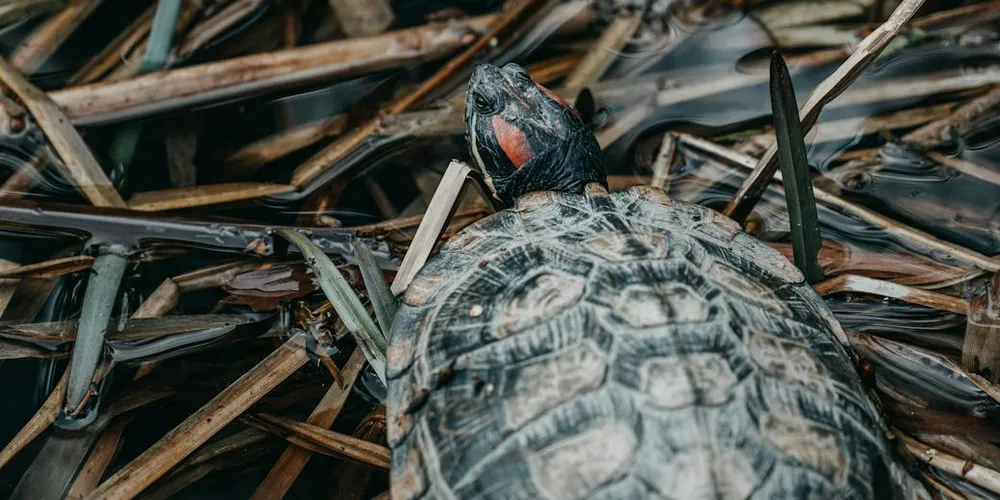
Over the years with my own shelled companions, I’ve learned that subtle changes can signal big problems. Your senior turtle can’t tell you it’s unwell, so you must become a dedicated observer of its daily rhythms. This attentiveness is the very foundation of compassionate animal welfare. When you notice unusual behavior, a simple why my turtle acting strange behavioral diagnostic checklist can help you document signs and guide your next steps. It also makes it easier to communicate concerns to a vet or fellow caretakers.
Red Flags That Demand Immediate Attention
Don’t wait if you notice any of these persistent issues. What might seem like a minor change can escalate quickly in an older animal.
- Persistent Lethargy: A slow-down is normal with age, but a complete lack of movement or an inability to lift its body is a major concern.
- Unexplained Shell Damage: Look for soft spots, deep pits, discolored patches, or foul odors. The shell is living bone.
- Consistent Feeding Refusal: Missing a meal happens, but refusing food for more than a few days signals underlying illness or pain.
- Swollen eyes that remain closed or a runny nose, which can indicate a respiratory infection.
- Abnormal buoyancy, like listing to one side or struggling to dive in water.
- Weight loss you can feel when you pick them up, or a sunken appearance around the limbs.
Veterinary Visits and Key Discussions
My tortoise, Bronte, gets check-ups more often now that she’s twelve. I recommend a wellness exam at least once a year for a seemingly healthy senior, and immediately for any red flags. A vet who specializes in reptiles is your best ally. For turtles, regular veterinary visits are important—older pets often benefit from more frequent monitoring, such as annual or semiannual exams depending on health. If you notice any signs of illness, don’t wait for a routine visit and contact a reptile vet promptly.
During these appointments, be prepared to discuss:
- Any changes in appetite, hydration, or bowel movements.
- Your turtle’s current diet in detail, including supplements.
- Its activity levels and basking habits.
- The specific temperatures and humidity levels in its habitat.
- Your observations about its shell and skin condition.
The Heart of Proactive Care
Caring for an aging pet is a profound responsibility. Proactive care means you’re not just reacting to illness, but actively working to prevent it and ensure a high quality of life. It’s about honoring the commitment you made to your animal.
This involves meticulous habitat maintenance, a tailored diet, and this crucial partnership with a qualified veterinarian. Watch for signs your turtle may need veterinary care—reduced appetite, lethargy, or shell changes. Early vet visits can prevent bigger problems. Your vigilance is their best defense against the quiet struggles of old age.
FAQs
How does care for aquatic senior turtles differ from land-dwelling species?
Aquatic seniors need easier access to basking areas and shallower water to prevent exhaustion. Their diet may require more soft, floating foods to accommodate reduced swimming ability.
What behaviors indicate that my senior turtle is still healthy and happy?
Consistent eating, occasional exploration, and responsive alertness to surroundings are positive signs. Regular basking and comfortable movement without signs of distress also indicate well-being.
Are there any special considerations for handling an aging turtle?
Limit handling to essential tasks and always support their entire body to avoid joint strain. Keep sessions brief and calm to reduce stress on their older, more fragile system.
Your Aging Turtle’s Golden Years
From caring for my own tortoises, like gentle Austen and thoughtful Bronte, I’ve found that adjusting an older turtle’s diet to softer, more nutritious foods and modifying their habitat for easier mobility makes all the difference. Small, consistent changes in their environment and nutrition can significantly enhance their comfort and vitality as they age, especially when you’re wondering why your turtle is not eating.
Committing to your turtle’s well-being means staying curious and proactive about their evolving needs, ensuring they thrive throughout their long life. Responsible pet ownership is a continuous journey of learning and adapting, always putting your shelled friend’s welfare first.
Further Reading & Sources
- How to Take Care of Your Pet Turtle | Greensboro Vet | Guilford-Jamestown Veterinary Hospital
- Thinking of getting a pet turtle? | Humane World for Animals
- How to look after a Turtle Care Guide | Kellyville Pets
- Turtle Care 101: Caring For A Pet Turtle – 2 Paws Up Inc.
Matthew is a dedicated turtle enthusiast and conservationist with over 15 years of experience in reptile care. Known affectionately as "The Leatherback" among his peers, he combines his passion for turtles with a commitment to educating pet owners on responsible turtle care and environmental stewardship.
Preventative Care