
Pet Turtle Care: Your Guide to the Simple and the Demanding
Published on: November 21, 2025 | Last Updated: November 21, 2025
Written By: Matthew The
You’re weighing if a pet turtle fits your life, caught between hope for a serene companion and worry about hidden difficulties like long lifespans and specialized tanks.
From my decade with Austen, my gentle Russian tortoise, to thoughtful Bronte and intelligent Orwell, I’ve found turtle care is a unique blend of calm routine and focused responsibility. This honest look covers: habitat essentials, diet and feeding, health monitoring, cost realities, time commitment, and the profound rewards of sharing your life with a shelled friend.
The Real Scoop on Turtle Care Difficulty
Many believe turtles are easy starter pets. That idea is a myth. Turtles demand specific, consistent care. They are not low-maintenance.
Compare them to common pets. Cats communicate their needs clearly. Fish require stable water conditions. Turtles need all that plus precise heat and light. Turtle ownership is a quiet pact with a wild creature.
- Cats: Social, expressive, simpler daily routines.
- Fish: Focused on aquatic balance, less hands-on.
- Turtles: Require a crafted ecosystem to thrive.
The challenge melts away with knowledge. I learned this from my Russian tortoise, Austen. His deliberate pace taught me patience. Now, his care is a calming rhythm in my day. Preparation transforms perceived difficulty into a manageable, rewarding routine.
Building a Sanctuary: Habitat Setup Essentials
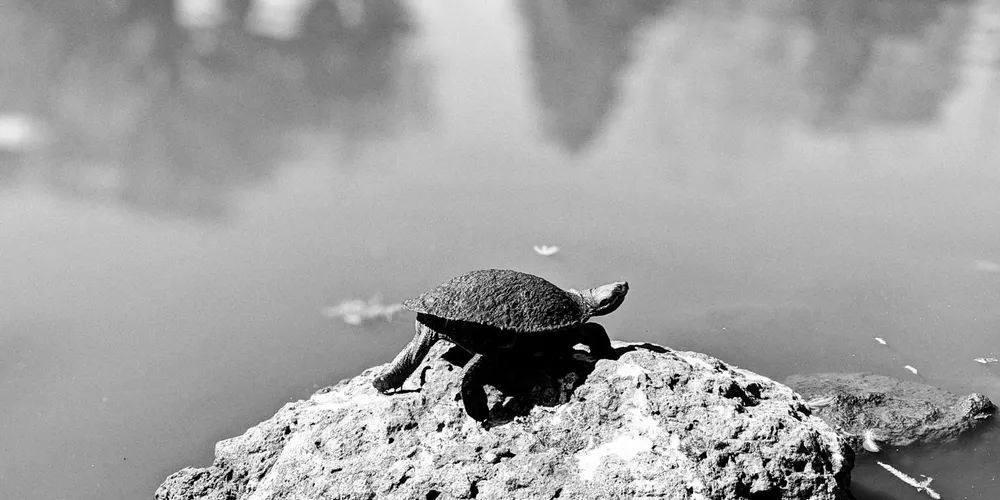
Your turtle’s home is its entire world. Building it right is your most important job.
Five components are non-negotiable for health:
- Tank Size: Space for swimming and exploring.
- Water Quality: Pristine and chemically balanced.
- Filtration: A system to handle continuous waste.
- Heating: Consistent warmth for bodily functions.
- UVB Lighting: Critical for strong bones and shell.
You must include a proper basking area. This is a dry platform under a heat lamp. The tank needs a thermal gradient-warm basking zone, cooler water area. This setup prevents illness and mimics their natural behavior.
Follow these steps for initial setup:
- Select a tank based on your turtle’s adult size.
- Add a substrate like large river rocks.
- Position the filter and heater.
- Fill with dechlorinated water.
- Install UVB and basking lamps above the dry area.
- Cycle the tank for a week before introducing your turtle.
Routine maintenance is simple but non-negotiable. Change 25% of the water weekly. Clean the filter monthly with tank water. Test water parameters every seven days. A clean habitat is the best preventive medicine.
Enrich the enclosure for mental stimulation. Add smooth rocks for climbing. Include artificial plants for hiding spots. Rearrange decor occasionally to spark curiosity.
Manage seasonal changes in your indoor habitat. In winter, check that heating equipment works perfectly. During summer, watch that water doesn’t get too warm. Your turtle’s activity level will guide you. Follow a seasonal turtle care guide to adjust your routine across spring, summer, fall, and winter. Adapt lighting, basking, and feeding with the seasons.
Tank Size and Water Territory
Size guidelines prevent stress and disease. Use the shell length rule.
- Hatchlings (under 2 inches): 20-gallon minimum.
- Juveniles (2-4 inches): 40-gallon minimum.
- Adults (4+ inches): 10 gallons per inch of shell.
A crowded tank has consequences. Growth becomes stunted. Turtles get stressed and aggressive. Water quality deteriorates rapidly. Invest in the largest tank you can from the start.
The Lifeline: Filtration and Water Quality
Choose a filter rated for twice your tank’s volume. Turtles are messier than fish.
- Canister Filters: Best for tanks over 40 gallons. They offer superior mechanical and biological filtration.
- Internal Power Filters: Good for smaller setups. They are easier to install but need frequent cleaning.
Stick to a strict maintenance schedule. Rinse filter media in old tank water every month. Replace chemical media as directed. Never clean everything at once. You must preserve the beneficial bacteria that eat harmful waste.
Test your water every week. Use a liquid test kit for accurate results. You are looking for zero ammonia, zero nitrite, and nitrate under 20 ppm. Sudden spikes mean your filter is struggling.
Lighting and Heating: Simulating the Sun
These two elements work together but do different jobs. Getting them right is non-negotiable.
- UVB Lighting: This invisible light lets turtles synthesize Vitamin D3. This vitamin is needed to absorb calcium from food. Without it, shells soften-a condition called Metabolic Bone Disease.
- Basking Heat: A separate lamp provides a hot spot for digestion. Turtles are ectotherms. They need external heat to process their meals and regulate their body temperature.
Here is my equipment advice from years of trial and error:
- Use a linear fluorescent UVB tube, not a compact bulb. Tubes distribute light more evenly.
- Pair it with a dedicated basking lamp. A simple halogen floodlight often works perfectly.
- Position both lights 10-12 inches above the basking platform.
- Use a timer. Provide 12 hours of light and 12 hours of darkness daily.
Proper lighting and heating are the closest we can get to bringing the sun indoors for our shelled friends.
Nourishing Your Shelled Friend: Diet and Feeding
Feeding your turtle feels like preparing a tiny, thoughtful banquet each day. From my decade with Austen, Bronte, and Orwell, I learned their health shines brightest when their meals are as varied as their personalities. Turtles like my box turtle, Orwell, are omnivores, meaning they thrive on a mix of plant and animal matter.
What Goes on the Plate: The Omnivore Mix
Think of a turtle’s diet in three parts. Commercial pellets form a good base, but they’re just the start. I use high-quality pellets as a supplement, not the main event, for Orwell’s meals. Leafy greens like dandelion greens, endive, and kale are staples my tortoises, Austen and Bronte, adore. For protein, Orwell enjoys small amounts of earthworms, crickets, or cooked chicken heart twice a week.
The Shell’s Best Friends: Calcium and D3
A strong shell depends on two things: calcium for structure and vitamin D3 to absorb it. Without this balance, shells can soften, a heartbreaking condition called metabolic bone disease. I dust Orwell’s insects and Bronte’s greens with a calcium powder twice weekly. Their indoor habitat also has a proper UVB lamp, which lets their bodies make D3 naturally, just like sunlight would.
Your Week in Turtles: A Feeding Rhythm
Consistency prevents overfeeding. Here is a simple schedule I follow for my omnivorous box turtle, Orwell.
- Monday, Wednesday, Friday: A small pile of chopped leafy greens (like romaine or collard greens) with two or three calcium-dusted crickets.
- Tuesday, Thursday: A measured portion of commercial turtle pellets, soaked in water to soften.
- Saturday: A “protein day” with a few earthworms or a piece of cooked, unseasoned fish.
- Sunday: A light day of greens only, mimicking a natural fasting period.
For my herbivorous tortoises, Austen and Bronte, every day is a greens day, with calcium powder added weekly and no animal protein.
The Danger of a Monotonous Menu
Relying on just one food, like only lettuce or only pellets, is a fast track to poor health. Nutritional deficiencies creep in silently, weakening bones and immune systems over time. I once made the mistake of offering Bronte too much fruit, which led to digestive issues. Variety isn’t just the spice of life; for your turtle, it’s the foundation of it.
Health and Wellness: Preventing Common Issues
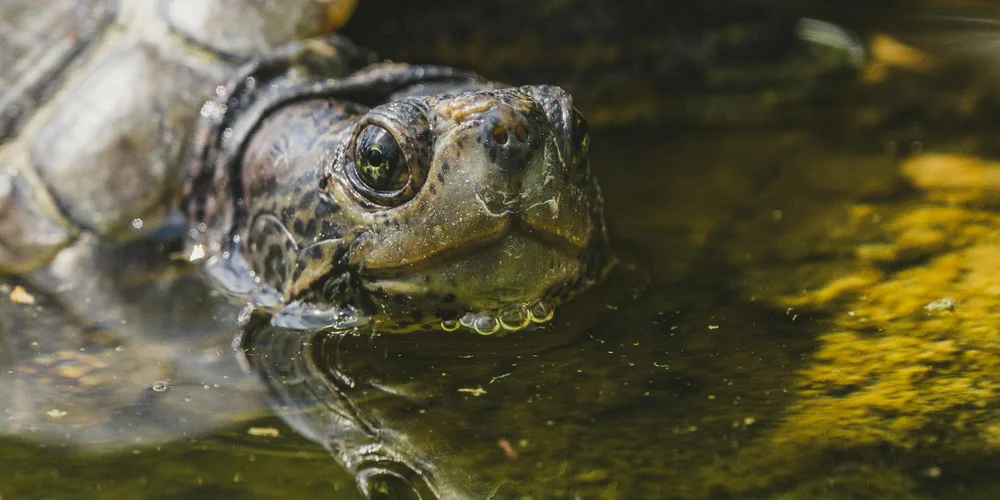
Watching over a turtle’s health feels less like a frantic emergency room drama and more like tending a quiet garden. Your daily observations are the most powerful tool you have for catching small shifts before they become big problems. It’s a slow, steady practice I’ve learned from years with Austen, Bronte, and Orwell.
Reading the Signs: Healthy Turtle vs. Cause for Concern
Think of your turtle’s baseline behavior as their personal signature. A healthy turtle is alert, has clear, bright eyes, and shows consistent interest in food. Their shell should feel solid, not soft or flexible, and be free of pits, cracks, or a slimy film. You’ll see regular basking and, yes, regular bowel movements – these are all good signs! If you notice deviations from this baseline, you can tell if your turtle is sick by watching for lethargy, loss of appetite, or unusual shell changes. When in doubt, consult a reptile veterinarian.
Stress or illness often whispers before it shouts. A turtle that hides constantly, refuses food for several days, swims lopsided, or has swollen eyes is sending a clear signal that something is wrong. If you notice these signs, your turtle likely needs a visit to a veterinarian who treats reptiles. Mucus around the nose or mouth, labored breathing, or any soft spots on the shell are immediate red flags requiring a vet’s attention. Don’t delay—early care can prevent serious complications.
| Signs of a Healthy Turtle | Potential Stress or Illness Indicators |
|---|---|
| Alert, active during normal hours | Lethargy, constant hiding, lack of movement |
| Clear, bright eyes without swelling | Puffy, closed, or sunken eyes |
| Strong, consistent appetite | Refusing food for multiple days |
| Firm, intact shell and skin | Soft shell, discolored patches, shell rot |
| Normal, balanced swimming/walking | Listing to one side, dragging limbs |
Common Ailments and How to Stop Them Before They Start
Most serious turtle health issues are directly tied to their environment. By getting the habitat right, you prevent a world of hurt.
- Shell Rot (Ulcerative Shell Disease): This nasty bacterial or fungal infection makes the shell look discolored, pitted, or even smelly. It’s almost always caused by dirty water or a perpetually damp, unclean substrate. My rule is simple: pristine water for aquatics, and dry, clean bedding for land-dwellers like Bronte is non-negotiable.
- Metabolic Bone Disease (MBD): This is a heartbreaking and preventable condition. It causes a soft, deformed shell, swollen limbs, and difficulty moving. MBD is a direct result of inadequate UVB light and poor diet-your turtle literally cannot process calcium without that specific UVB spectrum. That expensive bulb isn’t a suggestion; it’s a lifeline.
- Respiratory Infections: Often seen as wheezing, bubbles from the nose, or a tilted head. These usually stem from incorrect temperatures or drafts. Keeping the basking area properly hot and the overall habitat free from chilly breezes is like giving your turtle a strong immune boost.
- Vitamin A Deficiency: Leads to swollen eyelids and can make a turtle prone to other infections. A varied diet that includes dark, leafy greens and the occasional bit of high-quality commercial food designed for your turtle’s species is the best shield.
Your First Call Should Be to a Vet
One of the smartest things I ever did was find a reptile veterinarian before I needed one. Not all vets are comfortable with reptiles, so locating an experienced herp vet is a critical step in responsible ownership. I have their number saved, and I took each of my turtles for an initial wellness check. This establishes a baseline so the vet knows what “normal” is for your pet. When Orwell was acting off last year, I didn’t panic-I called my vet. That relationship is your greatest peace of mind.
The Long View: A Commitment Measured in Decades
This is the gentle, weighty truth of turtle care. My Russian tortoise, Austen, is only ten. With proper care, he could easily see forty. Bronte the Greek tortoise and Orwell the box turtle have similar lifespans. You are not adopting a pet for a few years; you are welcoming a quiet companion who will be with you through major life changes. They are a decades-long commitment that asks for consistent, calm stewardship. For the right person, that long, slow journey is the most beautiful part.
The Investment: Cost and Time Commitment
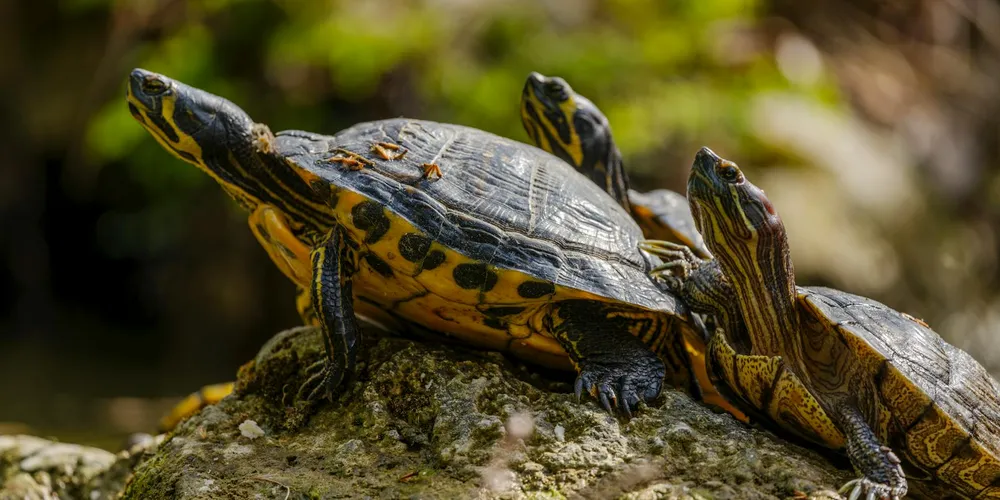
Let’s talk numbers and schedules honestly. Starting a turtle habitat isn’t a small purchase. You’re investing in a tiny, self-contained ecosystem, and that requires specific gear to get right. The initial cost is the biggest hurdle.
Setting Up: The Initial Outlay
- The Habitat: A proper tank or tub is your first major expense. For many common species, you’ll need at least a 40-gallon breeder tank to start, with plans to upgrade as they grow. This alone can range from $100 to $300.
- Life-Support Equipment: This is non-negotiable. A high-quality canister or powerful internal filter ($80-$250), a dedicated heat lamp and UVB lamp with proper fixtures ($50-$120), and an accurate water heater ($30-$50) form the core.
- Basking and Decor: A dry, easily-accessible basking platform ($20-$60), safe substrate (like large river rocks or slate tiles), and perhaps some artificial plants for enrichment add to the initial tally.
- The Turtle Itself: Acquisition costs vary, but a healthy, captive-bred turtle from a reputable source typically costs between $50 and $200.
All told, your startup investment can easily land between $400 and $800. This upfront cost is why research is so vital-you want to buy the right equipment once.
The Monthly Rhythm: Ongoing Expenses
Once the habitat is humming, monthly costs are more predictable. Think of it like a modest subscription service for a living being.
- Food: A mix of high-quality commercial pellets, fresh greens (like dandelion or romaine), and occasional protein (for omnivorous species) might cost $20-$40 monthly.
- Electricity: Running a heat lamp, UVB lamp, and filter 24/7 does add to your utility bill. I notice a small but consistent increase, roughly $10-$20 a month depending on your local rates.
- Substrate and Maintenance: You’ll replace filter media periodically and may need to refresh substrate materials. Budget around $15-$25 monthly for these consumables.
Your Time: Daily Moments and Weekly Rituals
The time commitment is less about marathon sessions and more about consistent, gentle rhythms.
Daily (10-15 minutes)
- Feeding: Offering a measured amount of food, removing any uneaten bits after 20 minutes to keep water clean.
- Spot-Check and Clean: A quick visual check of your turtle, the water temperature, and equipment. I use a small net to remove any obvious waste.
Weekly (30-60 minutes)
- The Partial Water Change: This is key. Siphoning out 25-50% of the tank water and replacing it with dechlorinated water keeps nitrate levels in check.
- Deep Clean: Wiping down the glass, scrubbing the basking area, and checking all equipment for proper function.
My routine with Bronte, my Greek tortoise, incorporates care into quiet time. Her evening soak isn’t just hydration; it’s a chance for me to gently check her shell and skin for anything amiss. This quiet observation is a form of care, blending maintenance with bonding. You learn their normal behaviors, which makes spotting any potential issue much easier.
Choosing Your Turtle Companion: Species Differences
Selecting your turtle is the most personal step in this journey, much like choosing a friend whose habits you’ll learn and respect. The species you bring home dictates everything from your daily routine to the size of your commitment, so this choice deserves your quietest, most thoughtful attention.
Care Difficulty: A Simple Comparison
Not all turtles are created equal when it comes to daily care. From my years of sharing my home with shelled companions, I’ve seen how a species’ natural instincts translate directly to tank or terrarium life.
- Box Turtles (Like my Orwell): These terrestrial charmers need a carefully crafted land habitat with moist soil and hiding spots. They are moderately challenging, requiring a varied diet and humidity control, but their manageable size (4-6 inches) suits indoor living.
- Painted Turtles: With their dazzling shell patterns, these aquatic turtles are often a first pick. Care is easier if you’re diligent about water quality and provide a sturdy basking platform, though their active swimming means a larger tank is a must.
- Sliders (Red-Eared Sliders are common): Their initial small size is deceptive. They grow rapidly, often reaching a foot long, needing pond-like setups that make their care genuinely hard and best for experienced keepers with ample space.
Beyond Difficulty: Size, Temperament, and Home Needs
Look past the basic care label to the living details of each creature. Their adult size determines the enclosure you’ll need, and their personality shapes your interaction.
A box turtle’s world is one of leaf litter and gentle moisture, while a painted turtle’s life is all about clean, cool water and a warm sunning rock. Orwell’s reserved, intelligent nature means he observes more than he interacts, a common trait that asks for our patience.
For welfare, their habitat isn’t just a box; it’s their entire universe. An aquatic turtle without proper filtration will suffer, just as a box turtle without a humid hide will become stressed and ill. Substrate humidity levels also matter for box turtles. They need a damp, well-draining substrate and a humid hide to stay hydrated and shed properly.
The Gentle Truth About Handling
Please, forget any image of a cuddly turtle. Most turtles, including my thoughtful Orwell, see handling as a stressor, not a pleasure.
I handle Orwell only for health checks or habitat cleaning, always supporting his entire body and moving slowly. Forcing interaction breaks trust, and a turtle that constantly hides is telling you it needs peace. This respect for their boundaries is the core of good animal welfare.
Finding Your Perfect Match
This is about honest reflection on your own life. Match a turtle’s needs to the time, space, and energy you can reliably offer every single day.
If your home is small, a terrestrial box turtle might fit better than a large slider. If your heart is set on an aquatic display, painted turtles offer vibrant life but require your commitment to water testing and changes. Listen to what your lifestyle can provide, and choose the turtle that will thrive within it.
Legal and Ethical Considerations
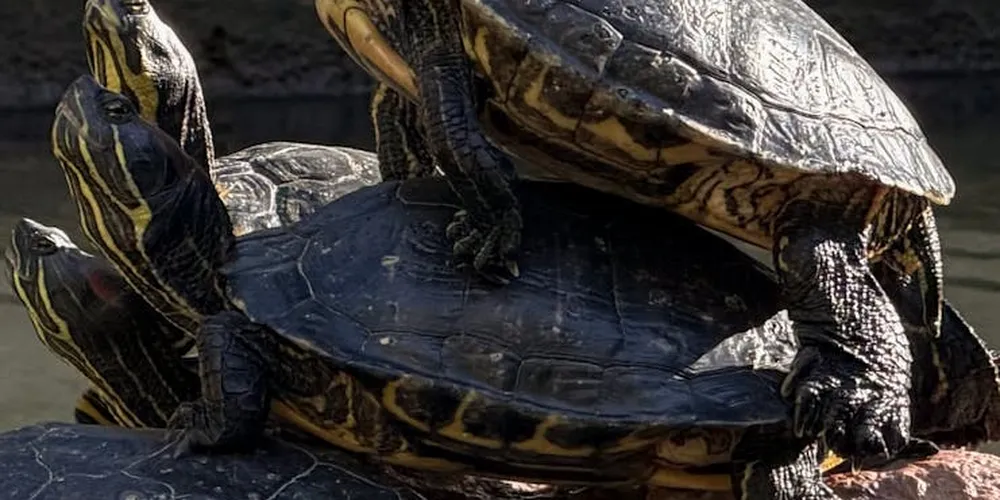
Before your heart gets set on a specific shelled friend, a quiet pause for research is wise. The legal landscape for turtle ownership is a patchwork quilt, varying wildly from state to state and even county to county.
Many areas strictly prohibit taking native species, like the common box turtle, from the wild. I learned this early on; my box turtle Orwell came from a licensed educational center, not the woods behind my house. Always, always check your local and state regulations-it protects you and preserves vital wild populations.
Choosing a Source: Rescue, Breeder, or Store?
This is where your ethics truly come into play. I firmly believe adoption should be your first port of call.
- Rescues and Shelters: Wonderful organizations are often overflowing with surrendered turtles needing a second chance. My graceful Greek tortoise, Bronte, was a rescue. She arrived shy, but with steady care, her thoughtful personality blossomed. You give an animal a home and free up space for another in need.
- Responsible Breeders: If you seek a specific species, seek a breeder who prioritizes health over profit. Visit their facility. Ask about lineage and how they socialize hatchlings. A good breeder will ask you just as many questions to ensure their animal is going to a proper home.
- Pet Stores: Tread carefully here. Big chain stores often source from large-scale breeders where welfare can be questionable. If you go this route, be a detective. Look for clear, clean enclosures and alert, active animals. Never buy on impulse.
The most ethical choice is one that puts the animal’s lifetime of care above momentary desire. Bringing a turtle home is a decade-spanning promise, not a casual purchase. Your due diligence is the first and most crucial act of care you will provide, especially when considering the ethical aspects of owning a pet turtle.
Common Questions
Is it okay to handle my pet turtle often?
Most turtles find frequent handling stressful and are not cuddly pets. Brief, gentle handling for health checks or tank maintenance is best, always with full body support. To tell if your turtle is stressed, watch for signs like reduced appetite, prolonged hiding, or lethargy. If you notice these, seek advice from a reptile veterinarian.
How long do pet turtles really live?
Many turtle and tortoise species live for several decades, with some reaching 40 years or more with proper care. You are making a commitment that will span a significant portion of your life. Aging in turtles is gradual, and their needs can change over time. For more insights, visit Aging in turtles is gradual. Planning for a long life means considering how aging affects diet, housing, and enrichment.
Are turtles safe around young children or other pets?
Turtles can carry salmonella, requiring strict hygiene, and should be supervised to prevent contact with mouths. They should also be kept securely housed away from curious dogs or cats for the safety of all animals. Safe turtle handling practices, including thorough handwashing after handling and before eating, help minimize salmonella risk. Always supervise children during handling to ensure hygiene protocols are followed.
Stepping Into Shelled Companionship
From my decade with Austen’s gentle pace to Bronte’s thoughtful grace and Orwell’s intelligent reserve, I’ve learned turtle care isn’t a simple yes or no. Your success hinges on creating a dedicated habitat with precise heat, UVB light, and a diet rich in leafy greens, proteins, and calcium. Think of it as crafting a tiny, perfect world where every detail, from water quality to basking spots, supports their natural rhythm. That foundation is the essential turtle tank setup, and it leads into a complete daily, weekly, and monthly care guide. Following it helps keep water clean, temperatures steady, basking spots reliable, and meals balanced.
Caring for a turtle is a promise that spans decades, asking for your attentive eye and willingness to adapt. Embrace this journey by continually educating yourself through reputable sources and connecting with experienced keepers. When we commit to understanding these ancient creatures fully, we champion their wellbeing and ensure our shelled friends live full, vibrant lives.
Further Reading & Sources
- Aquatic Turtle Care Sheet | PetMD
- The Dos and Don’ts of Turtle Care – PetHelpful
- r/turtle on Reddit: New turtle, need advice for proper care please
- Turtle Care Guide | Long Island Birds & Exotic Veterinary Clinicic Vet Clinic
Matthew is a dedicated turtle enthusiast and conservationist with over 15 years of experience in reptile care. Known affectionately as "The Leatherback" among his peers, he combines his passion for turtles with a commitment to educating pet owners on responsible turtle care and environmental stewardship.
Preventative Care