
Choosing Your Perfect Turtle: A Beginner’s Guide
Published on: December 14, 2025 | Last Updated: December 14, 2025
Written By: Matthew The
Selecting a turtle species is one of the most significant decisions you’ll make, as it’s a commitment that can span decades. The choice you make today will shape your daily routine and responsibilities for many years to come.
In this guide, we’ll walk through the essential factors: adult size, lifespan, habitat requirements, diet, and temperament. Getting these elements right from the start is the key to a happy, healthy life for your new shelled friend.
Understanding Your Space and Habitat Needs
Projecting Adult Turtle Size and Growth Rate
I’ve watched my Russian tortoise, Austen, slowly grow into his 8-inch shell over the last decade. That steady pace is very different from an aquatic species, which can grow much faster in its first few years. Knowing the final size and speed of growth is your first step to avoiding a cramped, unhappy turtle.
Some species stay petite, perfect for a cozy apartment, while others need the space of a small pond. Here’s a quick comparison to guide your choice.
| Size Category | Species Example | Typical Adult Size | Growth Pace |
|---|---|---|---|
| Small | Musk Turtle | 3-5 inches | Slow and steady |
| Medium | Red-Eared Slider | 6-12 inches | Rapid in first 2-3 years |
| Large | Common Snapping Turtle | 10-18+ inches | Very fast initially, then slows |
Planning Enclosure Size and Space Requirements
A common mistake is buying a tank that’s just big enough for a hatchling. I learned this the hard way before upgrading my setup. Your turtle’s home should be a forever home, not a temporary stop. The type of turtle dictates the space. Choosing the perfect tank size shapes your aquatic turtle’s life. Consider species, growth, and swimming needs to pick the right dimensions.
- Aquatic Turtles: Use the “10 gallons per inch of shell” rule. A 10-inch turtle needs at least a 100-gallon tank.
- Semi-Aquatic Turtles: They need both water for swimming and dry land for basking. A 40-gallon breeder tank is a good starting point for smaller species.
- Terrestrial Turtles (Tortoises): Think in terms of square footage, not gallons. For a species like my Greek tortoise, Bronte, a minimum of 8×4 feet is recommended for an adult.
Assessing Climate Compatibility and Environmental Control
Turtles are ectotherms; they rely on you to create their perfect climate. Getting this wrong can lead to serious health issues like metabolic bone disease. Proper heating and lighting are not optional; they are the foundation of turtle welfare, especially UVB lighting which is critical.
You’ll need to replicate their natural environment.
- Temperature: Most require a basking area of 85-95°F and a water/ambient temperature around 75-80°F.
- Humidity: Tropical species need 70-80% humidity, while arid species like my Russian tortoise thrive at 30-50%.
- UVB Lighting: This is non-negotiable. It allows turtles to synthesize Vitamin D3, which is critical for calcium absorption and a strong shell.
Essential equipment includes a ceramic heat emitter or basking lamp for warmth, a high-output UVB fluorescent tube, and a digital thermometer/hygrometer to monitor conditions.
Evaluating Daily Care and Health Commitments
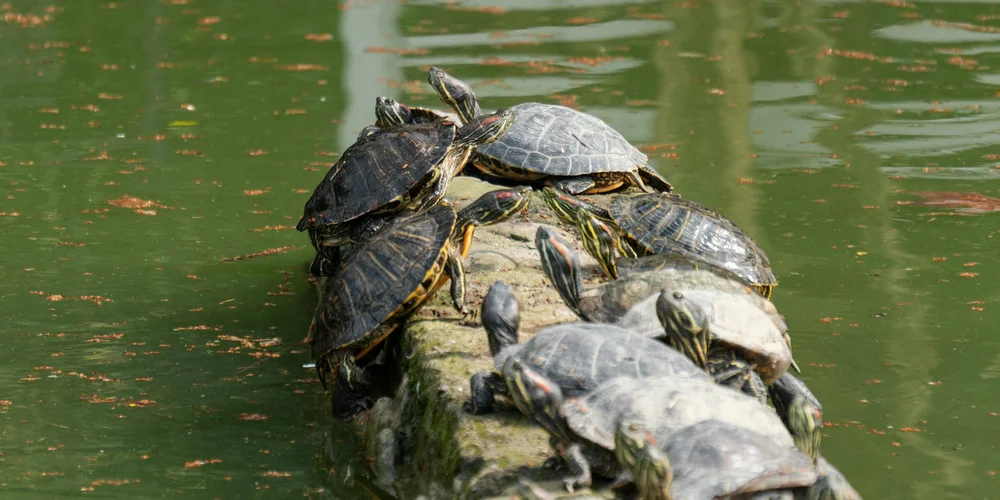
Meeting Dietary Requirements: Omnivore, Herbivore, or Carnivore?
Feeding my box turtle, Orwell, is a joy because his diet is so varied. A proper diet is the single biggest factor in preventing nutritional deficiencies and ensuring a long, vibrant life.
Their needs change with age and species.
- Omnivores (e.g., Red-Eared Sliders): Juveniles need more protein (insects, small fish). Adults shift to a more plant-based diet (leafy greens, aquatic plants).
- Herbivores (e.g., Adult Greek Tortoises): A diet of grasses, weeds, and leafy greens. Avoid fruit, which can cause digestive issues.
- Carnivores (e.g., Snapping Turtles): A diet of whole fish, worms, and specially formulated pellets.
A sample weekly schedule for an adult omnivore like a Red-Eared Slider might look like: offer a staple pellet daily, provide leafy greens like romaine every other day, and offer a protein treat like earthworms twice a week.
Managing Cleaning Routines and Maintenance Time
I dedicate Sunday mornings to deep cleaning my turtles’ enclosures. It’s a ritual that keeps their environment healthy. A clean habitat prevents the buildup of harmful bacteria and ammonia, which are common causes of shell rot and respiratory infections.
Break your tasks into manageable chunks.
- Daily: Remove uneaten food. Spot clean waste from the land area.
- Weekly: Scrub algae from tank walls. Test water quality. Rinse filter media in old tank water.
- Monthly: Perform a 25-50% water change for aquatic setups. Do a full substrate change for terrestrial enclosures. Deep clean all décor.
Preparing for Lifespan and Long-Term Health Risks
My tortoises will likely be with me for most of my life. This is a decades-long commitment. Choosing a turtle species is like choosing a family member who will depend on you for potentially the next 50 years.
Typical lifespans vary widely.
- Red-Eared Sliders: 20-40 years
- Box Turtles: 30-50 years
- Russian & Greek Tortoises: 50+ years
Common health issues to watch for include soft shells (calcium deficiency), swollen eyes (Vitamin A deficiency), and respiratory infections (bubbles from the nose, wheezing). Any sign of lethargy, lack of appetite, or abnormal swelling means it’s time for an immediate vet visit. Having an exotics vet lined up before you even bring your turtle home is a sign of a truly responsible keeper. For a practical, step-by-step reference, see the ultimate turtle health troubleshooting checklist from Shell Tail. It guides you through daily checks, environmental setup, and when to seek veterinary care.
Considering Temperament and Household Compatibility
Observing Species-Specific Behavior and Handling Tolerance
Each turtle species has its own personality, much like people. For new keepers, I’ve found species like the Russian and Greek tortoises to be wonderfully steady and predictable in their behavior. My own Russian, Austen, will calmly amble over when he sees me, expecting a gentle head scratch.
Conversely, many aquatic turtles can be more skittish. It’s vital to learn your turtle’s unique language; a head pulled quickly into the shell means “I need space,” while a curious stretch often signals comfort. With my more reserved box turtle, Orwell, I let him come to me, placing my hand calmly in his enclosure without making sudden moves.
- For sociable species like Russian tortoises, brief, gentle handling is often tolerated well. Support their entire body and keep sessions short.
- With shy species like many box turtles, focus on hand-feeding favorite treats to build trust instead of frequent picking up.
- Always approach from the front where they can see you, and move slowly to avoid triggering a flight response.
Ensuring Safety with Children and Other Pets
Bringing a turtle into a lively home requires thoughtful planning for everyone’s safety. Species known for their gentle, patient dispositions, such as Russian and Greek tortoises, are often excellent candidates for families with calm, supervised children. My Greek tortoise, Bronte, has a graceful calmness that seems to soothe even the most energetic young visitor.
In a home with other animals, the turtle’s enclosure must be a secure fortress. A sturdy, lockable lid is non-negotiable to protect your turtle from curious cats or dogs who might see them as a toy or prey. I learned this early on, ensuring my tortoises’ habitats were impenetrable sanctuaries. To avoid common terrestrial turtle and tortoise enclosure mistakes, plan for ample space, secure latches, and proper ventilation from the start. These measures keep the enclosure safe even in busy households.
- Always supervise all interactions between children and turtles, teaching kids to use soft touches and to wash their hands afterward.
- When introducing to a multi-pet household, keep the turtle in its secure enclosure for the first few weeks, allowing other pets to observe from a safe distance.
- Never allow dogs or cats to have unsupervised access to the room where the turtle lives, as their natural instincts can be triggered unexpectedly.
Navigating Legal and Ethical Considerations
Checking Local Legal Restrictions and Permit Requirements
Before you fall in love with a particular turtle, you must check your local and state wildlife regulations. Laws can vary dramatically, and owning a restricted species can lead to fines or confiscation of your pet. I learned this early on when researching for my first tortoise; what was legal in one state was completely banned in a neighboring one. Ethical considerations should also guide your decision: can you meet a turtle’s long-term welfare needs? Will you be able to provide proper housing, diet, and veterinary care?
- Start your research with your state’s Department of Natural Resources or Fish and Wildlife agency website. Their regulations are the final authority.
- Commonly restricted species often include native turtles, like many Box Turtles, and popular non-natives like Red-eared Sliders, due to their potential impact on local ecosystems.
- The permit application process typically involves proving you have adequate housing, knowledge of the species’ care, and sometimes a facility inspection. It’s a commitment, but it ensures the animal’s welfare is prioritized.
Choosing Ethical Sources and Understanding Endangered Status
Where your turtle comes from is as important as the species you choose. Opting for an ethically sourced turtle supports conservation and gives you a healthier, better-adjusted pet. My tortoises, Austen and Bronte, both came from reputable breeders, and their known history gave me immense peace of mind. Likewise, sea turtle biology conservation hinges on protecting nesting beaches and reducing bycatch, helping these ancient mariners thrive. Every mindful choice—from sourcing to habitat protection—makes a difference for their ongoing survival.
- Reputable Breeders: This is often the best choice. You get a captive-bred animal, accustomed to human care, with a known health history. Look for breeders who are transparent, answer all your questions, and prioritize the animals’ well-being over a quick sale.
- Rescues and Shelters: A wonderful ethical choice. Many turtles need second chances. While their history might be unknown, you are providing a vital home. My box turtle, Orwell, was a rescue, and his journey to trust was incredibly rewarding.
- Wild-Caught Specimens: I strongly advise against this. Removing animals from the wild depletes natural populations, stresses the animal, and often introduces parasites and health issues into your home. It is an unsustainable and often cruel practice.
Always check the CITES (Convention on International Trade in Endangered Species) listings. Species like the Indian Star Tortoise or Ploughshare Tortoise are critically endangered, and their trade is heavily regulated to protect wild populations. Choosing a species not under such pressure is a direct way to practice ethical pet ownership.
Budgeting for Initial and Ongoing Costs
Calculating Setup Expenses for Habitat and Equipment
Setting up a proper home for your turtle is like building a tiny ecosystem-it needs to feel safe, warm, and functional. From my years caring for Austen, Bronte, and Orwell, I’ve learned that upfront costs can vary widely based on habitat type, but investing in quality equipment pays off in your turtle’s health and happiness. Let’s break down typical expenses so you can plan without surprises.
| Item | Aquatic Habitat (e.g., Red-Eared Slider) | Semi-Aquatic Habitat (e.g., Box Turtle like Orwell) | Terrestrial Habitat (e.g., Russian or Greek Tortoise like Austen and Bronte) |
|---|---|---|---|
| Enclosures | $200-$500 for a glass tank (40-75 gallons) | $150-$400 for a hybrid setup with land and water areas | $100-$300 for a tortoise table or outdoor pen |
| Basking Areas | $50-$100 for a platform and heat lamp | $50-$100 for a dry spot with a warming light | $50-$100 for a heat lamp and hide area |
| Filters | $30-$100 for a canister filter to keep water clean | $20-$80 for a filter if water is included | Not typically needed, but occasional misting systems cost $10-$30 |
| Lighting Systems | $20-$50 for a UVB bulb, essential for shell health | $20-$50 for UVB and heat bulbs | $20-$50 for UVB lighting to mimic natural sunlight |
When I first set up Bronte’s terrestrial enclosure, I opted for a simple tortoise table that cost around $120, and it’s held up beautifully for years. Remember, skimping on essentials like UVB lighting can lead to health issues, so prioritize these items in your budget. This approach is echoed in the care aquatic turtles essential guide, which covers both land and aquatic setups. In that guide, you’ll find tips on UVB, temperature, and enclosure design to keep turtles thriving. Your turtle will thank you with lively behavior and a sturdy shell.
Anticipating Long-Term Care and Veterinary Expenses
Owning a turtle is a long-term commitment—some species live for decades, so planning for ongoing costs ensures your pet thrives without straining your wallet. Based on my routine with Austen, Bronte, and Orwell, annual expenses add up, but they’re manageable with a little foresight and care. To answer the common question, “Pet turtle cost?”, here’s a complete breakdown. It breaks down initial setup, annual care, and long-term expenses so you can budget confidently. Here’s a realistic estimate to help you budget year after year.
- Food: Expect $50-$150 annually, depending on diet. Austen, my Russian tortoise, enjoys fresh greens and occasional veggies, costing about $80 per year, while Orwell’s omnivorous needs run closer to $120.
- Substrate: Plan for $20-$60 yearly for bedding like coconut coir or cypress mulch, which I replace every few months to keep enclosures clean and odor-free.
- Bulb Replacements: UVB and heat bulbs need swapping every 6-12 months, totaling $30-$60 annually. I set reminders because a dim bulb can affect their mood and health.
- Routine Vet Check-ups: Budget $50-$100 per visit, ideally once a year. Bronte’s annual exam costs $75 and includes a shell inspection to catch issues early.
I’ve found that setting aside a small fund each month makes these costs feel less daunting. Proactive care, like regular vet visits, can prevent costly emergencies and ensure your turtle ages gracefully, much like my steady Austen. Embrace this journey-it’s a rewarding part of sharing your life with these gentle creatures.
FAQs
How much time per day is required for care and handling?
Daily care typically involves feeding, spot cleaning, and monitoring health, which can take 10-30 minutes depending on the species. Handling should be minimal and tailored to the turtle’s temperament to avoid stress and ensure their well-being. Regular care routines are crucial, but they should be complemented by maintaining a proper turtle tank setup for their overall health.
Are there any special substrate requirements?
Substrate needs vary by species; aquatic turtles may not need it, while terrestrial species require safe materials like coconut coir or cypress mulch for burrowing and humidity control. Proper substrate helps prevent health issues like impaction and supports natural behaviors.
Is the species aquatic, semi-aquatic, or terrestrial?
Turtles are classified by their habitat preferences, which directly influence enclosure design and care routines. Aquatic species live mostly in water, semi-aquatic need both land and water areas, and terrestrial species thrive on dry land with minimal aquatic elements.
Further Reading & Sources
- Pet Turtles 101: A Beginner’s Guide to Keeping Turtles and Tortoises | Chewy
- The Ultimate Guide to Turtles and Tortoises
- 12 of the Best Pet Turtles and Tortoises for Beginners – PetHelpful
- Articles: How to Choose Your Best Beginner Turtle?
Matthew is a dedicated turtle enthusiast and conservationist with over 15 years of experience in reptile care. Known affectionately as "The Leatherback" among his peers, he combines his passion for turtles with a commitment to educating pet owners on responsible turtle care and environmental stewardship.
Freshwater vs. Saltwater