
How Big Do Painted Turtles Get? (Full Size and Growth Chart)
If you’re wondering just how large your painted turtle might grow, you’re not alone-many owners worry about providing enough space and proper care as their shelled friend matures.
This article covers: average adult size, growth stages, key factors affecting size, and a detailed growth chart for easy reference.
Painted Turtle Size Overview
Painted turtles generally reach a shell length of 4 to 10 inches as adults, depending on the subspecies and care. Their growth is gradual, often taking 5 to 10 years to hit full size, so you will notice subtle changes over time. From my experience with Orwell, my box turtle, I have learned that providing adequate space from the start prevents stress and supports healthy development. Regular monitoring helps you adjust their environment as they grow.
Factors like diet, water quality, and habitat size play big roles in how large they get. A balanced diet rich in proteins and vegetables, paired with clean water, encourages steady growth without health issues. I have seen this firsthand with Austen and Bronte, where consistent care led to vibrant shells and active behaviors. Always prioritize their welfare by avoiding overcrowded tanks.
Species-Specific Painted Turtle Sizes
Eastern Painted Turtle Size
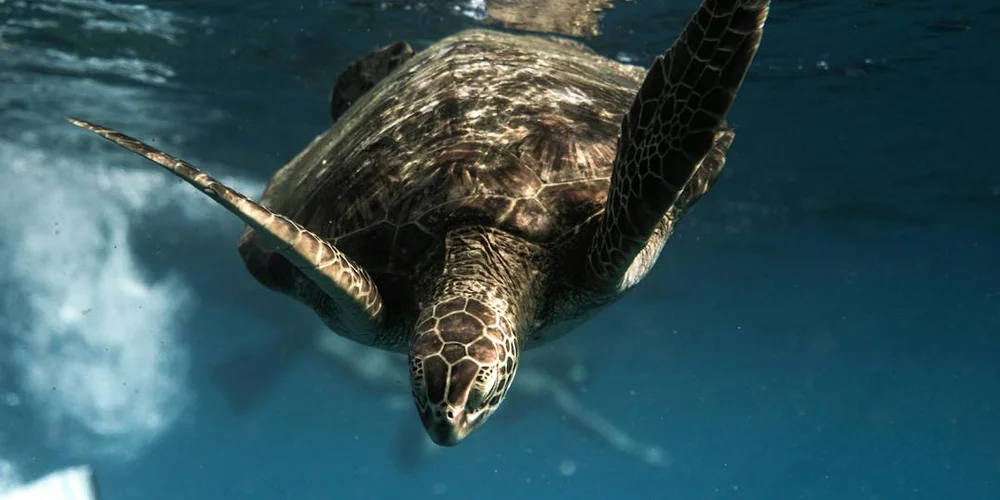
Eastern painted turtles typically grow to 4.5 to 10 inches in shell length, with females often larger than males. They tend to reach their full size by age 8 to 10, so patience is key during their juvenile years. In my care, I have observed that these turtles thrive in spacious enclosures with plenty of swimming room, much like how Bronte enjoys her Greek tortoise habitat. Their growth can slow if water temperatures drop, so keep their environment warm and stable. Because these turtles can reach a sizeable adult size, tank size is a key consideration. A roomy, long tank with good filtration ensures they have enough swimming space as they grow.
- Average adult size: 5 to 7 inches for males, 6 to 10 inches for females
- Growth rate: About 1 inch per year in ideal conditions
- Key care tip: Provide a basking area to support shell health and metabolism
Western Painted Turtle Size
Western painted turtles usually range from 4 to 8 inches, making them slightly smaller on average. They often mature faster, hitting adult size by 5 to 7 years with proper nutrition and clean water. I have found that, similar to Orwell’s reserved nature, these turtles can be shy but grow steadily when given a varied diet. Overfeeding can lead to obesity, so monitor their food intake closely for optimal health. In captivity, with proper husbandry, painted turtles can live for several decades, commonly into the 20s or 30s. Adequate UVB light, basking space, and a clean, balanced diet support reaching that lifespan.
- Average adult size: 4 to 6 inches for males, 6 to 8 inches for females
- Growth rate: Roughly 0.5 to 1 inch annually in captivity
- Key care tip: Include aquatic plants in their tank to mimic natural habitats and reduce stress
Southern Painted Turtle Size
Southern painted turtles are the smallest subspecies, with adults measuring 3 to 6 inches in length. Their compact size makes them ideal for smaller setups, but they still need room to swim and explore freely. Based on my years with Austen, I recommend a tank that allows for horizontal movement to prevent stunted growth. These turtles are sensitive to water quality, so regular changes are a must for their well-being.
- Average adult size: 3 to 5 inches for males, 4 to 6 inches for females
- Growth rate: About 0.5 inches per year, slowing as they age
- Key care tip: Use a shallow water area for juveniles to build confidence and strength
Midland Painted Turtle Size
Midland painted turtles fall in the middle, typically growing to 4 to 7 inches as adults. They exhibit a balanced growth pattern, often reaching full size by 6 to 8 years with consistent care. Understanding their lifespan and size expectations is crucial for providing optimal care. I have noticed that, like Bronte’s graceful demeanor, these turtles do well in community tanks if space permits, but always monitor for aggression. Ensuring a protein-rich diet during growth spurts supports their shell development and overall vitality.
- Average adult size: 4 to 6 inches for males, 5 to 7 inches for females
- Growth rate: Approximately 0.75 inches per year in optimal settings
- Key care tip: Incorporate UVB lighting to aid calcium absorption and prevent metabolic bone disease
Growth Stages: From Hatchling to Adult
Hatchling Painted Turtle Size
When painted turtles first emerge from their eggs, they are incredibly small, with carapace lengths typically between 1 and 1.5 inches. Holding a hatchling feels like cradling a delicate, living coin, with a smooth shell that’s surprisingly lightweight. I’ve cared for young turtles like Bronte, my Greek tortoise, and learned that these tiny starters need gentle handling and a secure environment to thrive. Their size makes them vulnerable, so providing a shallow water area and hiding spots is essential for their well-being.
- Shell length averages 1 to 1.5 inches at hatching
- Weight is minimal, often under 10 grams
- Rapid initial growth in the first few months
Juvenile and Adult Painted Turtle Sizes
As painted turtles mature, their growth accelerates, with juveniles reaching 2 to 4 inches within their first two years. By adulthood, which typically starts around age 3 to 5, they can span 4 to 10 inches depending on subspecies and sex, with females generally larger than males. That big question many new turtle owners ask: do pet turtles get big? The answer varies by species, but with proper care many will grow noticeably from their hatchling size to their adult dimensions. In my experience with Orwell, the box turtle, I’ve seen how a balanced diet and spacious habitat support steady growth without stress. Below is a simple growth chart to give you a clear picture of their development over time.
| Age Range | Average Shell Length | Notes |
|---|---|---|
| Hatchling (0-1 year) | 1-1.5 inches | Fast growth phase; requires high-protein diet |
| Juvenile (1-3 years) | 2-4 inches | Growth rate slows slightly; shell hardens |
| Adult (3+ years) | 4-10 inches | Size stabilizes; females often larger |
Observing my own turtles, I note that proper care prevents stunted growth, ensuring they reach their full, healthy potential. I also do a monthly turtle health check—watching weight, shell condition, and appetite. If anything changes, I don’t hesitate to see the vet. Regular monitoring helps you catch any size issues early, much like I do with Austen’s steady progress.
Factors Influencing Painted Turtle Size
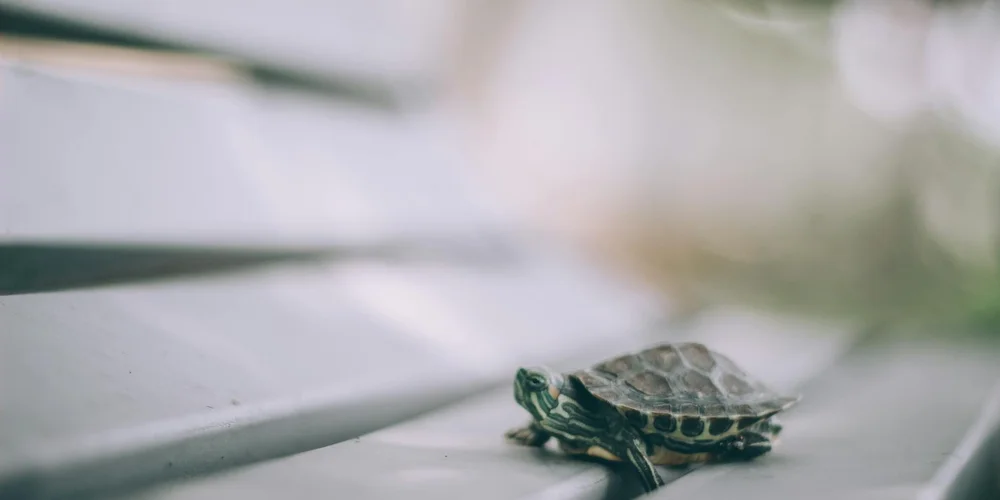
Several elements play a role in how big your painted turtle will get, and understanding them can make a huge difference in their health. From my years of turtle care, I’ve found that genetics, diet, and environment are the top influencers, each weaving into the turtle’s growth story. Advocating for animal welfare, I always stress that overfeeding or poor conditions can harm their natural size development. Here are the key factors to consider.
- Diet: A varied diet rich in proteins, vegetables, and calcium supports optimal growth; overfeeding leads to obesity and shell deformities.
- Habitat Size: Ample space for swimming and basking encourages natural behavior and prevents stress-related growth issues.
- UVB Lighting: Essential for calcium absorption and shell health; without it, growth can be stunted and shells may soften.
- Water Quality: Clean, filtered water reduces disease risk, allowing for steady growth without health setbacks.
- Genetics: Subspecies like Eastern or Western painted turtles have inherent size ranges; you can’t change this, but you can support their full potential.
I recall how adjusting Orwell’s diet and tank setup helped him grow at a healthy pace, reinforcing that patience and attention yield the best results. Providing a nurturing environment isn’t just about size-it’s about honoring their natural rhythms and ensuring a vibrant life.
Painted Turtle Growth Rate and Timeline
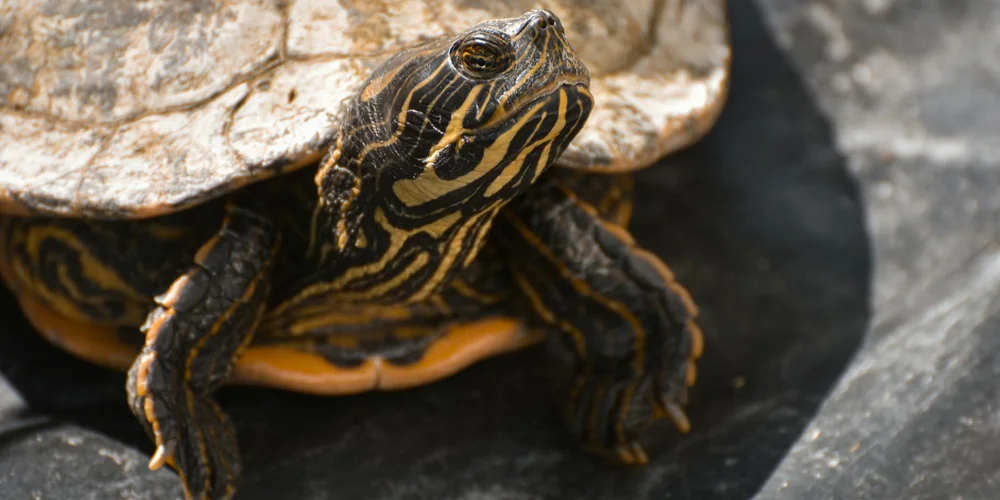
Watching a painted turtle grow is a slow and steady journey, much like the pace of my own Russian tortoise, Austen. Their growth isn’t linear; it happens in bursts, heavily influenced by diet, environment, and genetics. You won’t see dramatic changes overnight, but over a year, the progress is unmistakable. For hatchlings and juveniles, the first year is a crucial window where rapid changes and adjustments signal healthy development. Expect careful diet and habitat tweaks as you watch your turtles grow into their first-year milestones.
Year-by-Year Growth Expectations
Think of their growth in distinct phases. Here’s a general timeline based on my observations and established care knowledge.
- Hatchling (Year 1): Starting at about 1 inch, they can reach 2-3 inches by their first birthday. They are incredibly fragile at this stage.
- Juvenile (Years 2-4): This is their most rapid growth period. Expect them to grow roughly 1 inch per year. By age 4, many are pushing 5-6 inches in shell length.
- Sub-Adult to Adult (Years 5-7): Growth slows significantly. They’ll add the final inches to reach their mature size, filling out more than stretching lengthwise.
- Mature Adult (7+ Years): At this point, skeletal growth is mostly complete. Any further size change is typically related to weight management.
My box turtle, Orwell, was a very slow grower for his first few years, reminding me that each individual has its own rhythm. Consistent, proper care is far more important than rushing growth. A turtle forced to grow too quickly can develop shell deformities and health issues.
Enclosure Sizes for Healthy Growth
The size of your turtle’s home is not a one-time decision. A cramped enclosure doesn’t just limit swimming; it can physically stunt their growth and lead to stress-related illnesses. I learned this the hard way early on and now always plan for the adult size from the start.
Matching Tank Size to Your Turtle’s Size
A good rule of thumb is the “10 gallons per inch of shell” minimum. But for painted turtles, I personally advocate for more, especially in larger tanks.
- Hatchling (up to 4 inches): A 40-gallon breeder tank is a great starter home. It offers ample swimming room and is easy to heat and filter.
- Juvenile (4-6 inches): Upgrade to a 75-gallon tank. This provides the space needed for their increasing activity and muscle development.
- Adult (6+ inches): This is where many keepers undershoot. A single adult painted turtle truly thrives in a 100-125 gallon aquarium or a large outdoor pond. The extra space allows for natural behaviors and excellent water quality.
Remember, these are the water volumes. The footprint of the tank is often more critical than its total gallonage. A long, low tank provides more usable swimming area than a tall, narrow one of the same volume.
The Critical Basking Area
Growth isn’t just about the water. The basking area is non-negotiable.
- Your turtle must be able to completely leave the water and fully dry its shell and skin.
- The basking platform must be sturdy enough to hold their adult weight without sinking or tipping.
- Provide a heat lamp and a separate UVB lamp directly above the basking spot to facilitate proper digestion and shell health.
Seeing my turtles, from the graceful Bronte to the intelligent Orwell, utilize every inch of a properly sized enclosure is one of the most rewarding parts of turtle keeping. Giving them room to grow is one of the simplest and most profound acts of care we can provide.
Measuring and Monitoring Your Painted Turtle
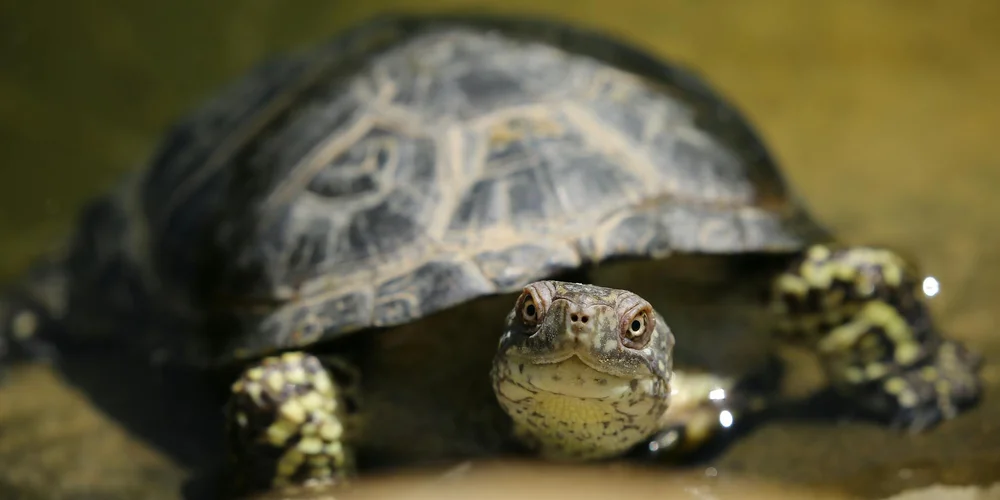
Keeping track of your turtle’s size is one of the most rewarding parts of being a keeper. Regular measurements give you a clear window into their health and well-being. I’ve found it to be a simple, peaceful ritual with my own shelled companions.
How to Properly Measure Your Turtle
You only need a flexible, non-stretch measuring tape for this. A fabric or plastic one works perfectly. The key measurement is the Straight Carapace Length (SCL).
- Gently place your turtle on a flat, stable surface.
- Position the start of the tape at the very front of the shell (the nuchal scute).
- Stretch the tape straight back to the very rear of the shell (the supracaudal scutes).
- Do not follow the curve of the shell; keep the tape perfectly straight for an accurate SCL.
I always weigh my turtles at the same time for a complete health snapshot. Use a small kitchen scale with a shallow container on top to keep your turtle secure and comfortable during the process. Regular weighing helps you tell if your turtle is overweight or underweight and whether to consult a vet. Compare its weight to species- and age-appropriate healthy ranges to spot concerning trends early.
Creating a Simple Growth Chart
You don’t need anything fancy. A notebook or a simple spreadsheet is all it takes. I log the date, the SCL measurement, and the weight for each of my turtles. Seeing the numbers slowly climb over the months and years is incredibly satisfying.
- Frequency: Measure hatchlings and juveniles monthly. Measure adults every 3-6 months.
- Consistency: Always measure at roughly the same time of day for the most consistent data.
- Patience: Growth is slow and steady. Don’t expect dramatic changes week-to-week.
When my Greek tortoise, Bronte, was growing, her chart looked like a gentle, sloping hill, not a steep cliff. A steady, gradual increase is the sign of a happy, healthy turtle. Any sudden weight loss or a long period with no growth is a signal to consult a reptile veterinarian.
FAQs
What is the average adult size of a painted turtle?
Painted turtles generally reach a shell length of 4 to 10 inches when fully grown. Their exact size varies by subspecies, with females often larger than males. If you’re curious about how this compares to box turtles, our Big Box Turtles Growth Guide explains how big they can get and how quickly they grow.
How can I track my painted turtle’s growth over time?
Use a growth chart to monitor shell length and weight at regular intervals, such as monthly for juveniles. This helps ensure steady development and identifies any health issues early.
What tank size is recommended for a painted turtle?
Aim for at least 10 gallons of water per inch of shell, but larger tanks around 100 gallons are ideal for adults. Proper space supports natural behavior and prevents stunted growth.
How big do Eastern painted turtles get compared to others?
Eastern painted turtles are typically larger, ranging from 4.5 to 10 inches in shell length. They often exceed the size of Western and Southern subspecies, which are more compact. This naturally leads to the question: do red-eared slider turtles get big? Red-eared sliders can reach about 8 to 12 inches in length, with females typically larger than males.
What is the size range for Western painted turtles?
Western painted turtles usually grow to 4 to 8 inches as adults. Females commonly reach the upper end of this range, while males stay smaller.
Your Painted Turtle’s Growth Journey
Ultimately, a painted turtle’s final size is shaped by its subspecies, genetics, and the quality of its habitat and diet. Providing a spacious aquatic environment and a balanced, calcium-rich diet is the most direct way you can support healthy, steady growth.
Caring for a turtle is a long-term commitment that requires dedication to their evolving needs. I encourage you to keep learning and observing, as this ongoing education is the foundation of truly exceptional and compassionate pet turtle care.
Further Reading & Sources
- How Fast Do Turtles Grow? Species Growth Charts
- How Big Does a Painted Turtle Get? Average Size & Growth Chart | Hepper Pet Resources
- Assessment of Painted Turtle Size and Age from Long-term …
- (a) Body size and growth rates of juvenile female Painted Turtles… | Download Scientific Diagram
Matthew is a dedicated turtle enthusiast and conservationist with over 15 years of experience in reptile care. Known affectionately as "The Leatherback" among his peers, he combines his passion for turtles with a commitment to educating pet owners on responsible turtle care and environmental stewardship.
Aquatic Turtles