
Do Pet Turtles Recognize Their Owners and Show Affection?
Published on: May 10, 2026 | Last Updated: May 10, 2026
Written By: Matthew The
If you’ve ever felt a pang of doubt wondering if your pet turtle even knows who you are, I’ve been there too with my own shelled friends.
In this guide, we’ll explore recognition signs, affectionate behaviors, species differences, and care insights from my life with Austen, Bronte, and Orwell.
Do Turtles Recognize Their Owners?
Reptile cognition is different from mammals, but that doesn’t mean it’s absent. Turtles process their world through a combination of instinct and learned experience. Their brains are wired for survival, which includes remembering reliable sources of food and safety. This fundamental drive is the basis for how they interact with us.
My Russian Tortoise, Austen, is a perfect example of this steady recognition. After ten years together, his behavior shifts noticeably when I enter the room. He doesn’t rush over like a dog, but he will stop his methodical grazing, lift his head, and often amble in my direction with a calm, deliberate pace. It’s a quiet acknowledgment that I’ve learned to appreciate.
Scientifically, studies on turtle memory show they possess excellent spatial memory and can learn to navigate mazes. This cognitive ability extends to recognizing consistent visual and auditory cues associated with their primary caregiver. They learn to associate your specific shape, size, and even the sound of your footsteps with positive outcomes, like mealtime.
So, can they tell you apart from a stranger? Absolutely. A new person might cause them to retreat into their shell, a classic fear response. With you, they are more likely to remain out and active. They primarily use vision, noting your silhouette and movement patterns. Some turtles, like my box turtle Orwell, also seem to recognize the particular cadence of my voice compared to others in the household.
How Turtles Show Recognition and Affection

You won’t get a wagging tail or a purr, but turtles have their own subtle language. Look for these common behaviors that signal they know and trust you.
- Consistently approaching the front of their enclosure when you are near.
- Becoming visibly active and alert at your typical feeding times.
- Basking or sleeping relaxed and exposed in your presence, instead of hiding.
- Calmly accepting food from your hand without hesitation or fear.
Their body language speaks volumes once you know how to listen. An extended neck and relaxed limbs indicate curiosity and comfort. When a turtle feels safe enough to close its eyes and fully stretch out near you, that is a profound sign of trust. The absence of hiding is just as telling as any active gesture, especially when paired with other subtle signs of relaxation.
My Greek Tortoise, Bronte, shows her recognition in the most graceful ways. She will often pause her sunbathing, turn her head, and make gentle eye contact. When I offer her a favorite dandelion green, she takes it with a delicate precision that feels like a quiet thank you. It’s a gentle, thoughtful interaction.
It’s vital to differentiate between recognition and what we might interpret as affection. The approach at feeding time is likely food-motivated recognition. However, the choice to bask openly or simply exist comfortably in your company suggests a deeper level of trust that borders on a reptilian form of affection. It’s their way of saying they feel secure with you, and in their world, that is the highest compliment.
The Role of Memory and Scent in Turtle Recognition
Many people wonder if their shelled companions truly remember them from one day to the next. Based on both scientific research and my own daily life with turtles, I can confidently say they do form memories of their caregivers. These memories are often linked to positive experiences, like feeding time or gentle handling.
Their memory isn’t like ours, built on complex emotions, but rather on strong associative learning. Studies on reptile cognition suggest turtles can remember routines and specific individuals for many months, and sometimes even years. A turtle that associates you with safety and food is a turtle that remembers you.
Scent is a primary sense for turtles, acting like a personal identification card. Your unique scent is one of the main ways your turtle distinguishes you from other people. They have a Jacobson’s organ, a special sensory receptor, that helps them process these smells and build a scent profile of their trusted human. In turtles’ sense perception, smell often leads the way in interpreting their surroundings. That’s why scent cues are so powerful for recognition and bonding.
You can actively help your turtle build and reinforce this memory. Consistent, gentle handling is the single best way to solidify your place in your turtle’s world. Always approach calmly, use slow movements, and wash your hands with unscented soap beforehand to ensure your smell is consistent and not masked by perfumes or food residues. These simple practices also help you avoid the five critical mistakes beginners often make when handling a turtle for the first time. Keep sessions brief, support the shell, and avoid grabbing from above or squeezing.
My box turtle, Orwell, is a perfect example of this reserved but recall-based behavior. Orwell may not scramble over to greet me, but he consistently becomes more active and less likely to retreat into his shell when I’m the one who approaches his habitat. It’s a quiet, subtle recognition, built over years of our shared routine.
Species Differences in Owner Recognition
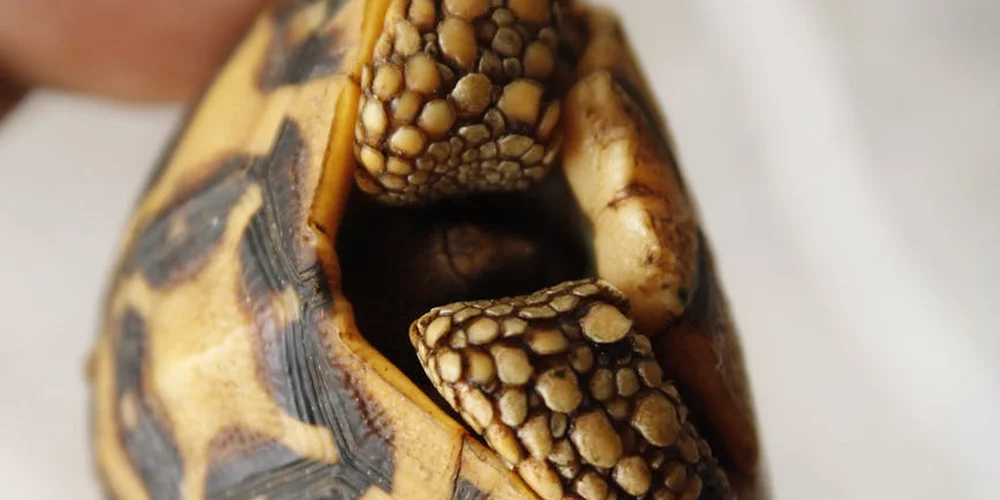
Just like dogs and cats have different personalities, turtle species show distinct variations in how they recognize and interact with their owners. Recognizing these species-specific traits helps set realistic expectations for your relationship. These differences underscore key factors to consider when choosing a turtle species—size, lifespan, habitat needs, and temperament. Knowing these helps you pick a species that fits your lifestyle and home.
Aquatic turtles, like the common red-eared slider, often display the most food-motivated recognition. You’ll likely see them swimming excitedly toward the glass when you approach, primarily because you are the bringer of meals. This is a clear, observable sign they know who you are and what you represent.
Box turtles, like my clever Orwell, tend to be more reserved. Their recognition is often shown through a lack of fear rather than overt excitement. They might simply watch you calmly or continue their activities without hiding, which is their version of a warm greeting.
Tortoises, including my Russian and Greek tortoises, often form the most deliberate bonds. Austen’s gentle and steady personality means he will sometimes amble over for a slow, curious investigation, especially if I’m sitting quietly in his outdoor enclosure. Bronte, with her graceful thoughtfulness, shows recognition by following my movements with her head and accepting hand-fed treats without hesitation.
Ultimately, a turtle’s individual personality, like Austen’s inherent gentleness, profoundly affects the depth and visibility of your bond. Some turtles are simply more outgoing or curious by nature, while others are more cautious. The key is to learn your specific turtle’s unique language of recognition, which is often a quiet, beautiful secret just between the two of you. Especially important is to tame a shy or scared turtle.
Factors Influencing Turtle Recognition
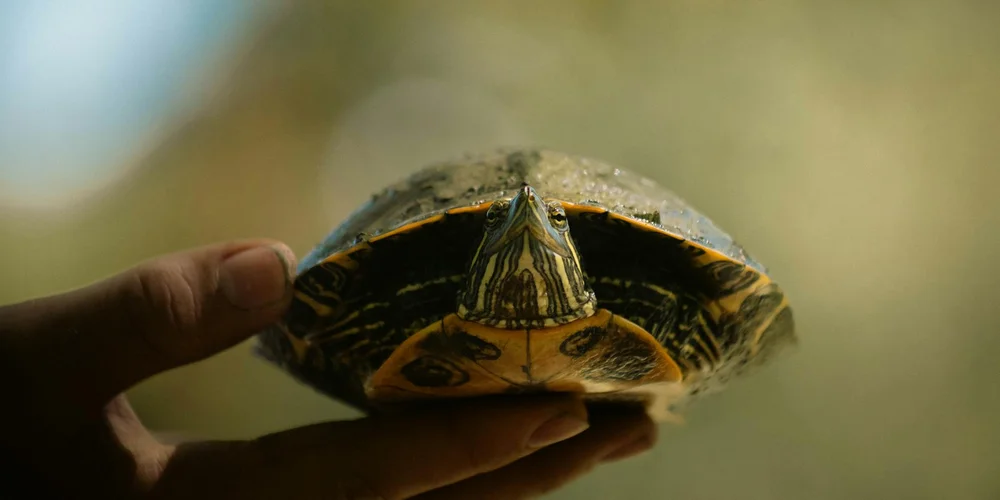
The frequency and quality of your interactions are the bedrock of whether your turtle will learn to recognize you. It’s not just about being present; it’s about being a consistent, positive part of their world.
- Handling Frequency: Short, gentle sessions are far better than long, infrequent ones. My Russian tortoise, Austen, became much more responsive when I switched from one long weekly handling to brief, daily check-ins. This prevents stress and builds familiarity.
- Enrichment Activities: A bored turtle is a reclusive turtle. Introducing novel, safe items like a piece of cork bark to climb on or a shallow dish for wading encourages curiosity. When you become the source of these interesting changes, your presence becomes something to anticipate.
- Reducing Stress: A stressed animal cannot form positive associations. Loud noises, sudden movements, and an improper habitat setup keep a turtle in a perpetual state of alarm. A calm, predictable environment is the first step toward trust.
Feeding interactions are arguably the most powerful tool for building recognition and trust. I hand-feed my Greek tortoise, Bronte, her favorite dandelion greens. Over time, she stopped retracting into her shell when my hand approached and now moves toward it expectantly. This isn’t just about food; it’s a communication of safety.
My best husbandry tip for fostering a bond is to simply be a calm, non-threatening part of their routine. Sit by their enclosure during your morning coffee and read aloud; your voice becomes a normal, safe sound. For my box turtle, Orwell, this gradual socialization was key. He went from hiding under his plants to eventually emerging to watch me, a clear sign of growing comfort and recognition.
Building a Strong Bond with Your Turtle
Building a bond with a turtle is a marathon, not a sprint, and it thrives on gentle, consistent effort. Here is a step-by-step approach to building trust with your new pet turtle, which has worked wonderfully with my own shelled companions.
- Start with Observation: Spend time each day simply watching your turtle from outside their enclosure. Learn their habits, their favorite basking spots, and their daily rhythms. This passive presence makes you a normal part of their landscape.
- Incorporate Your Hand: Place your hand, motionless, inside the habitat during feeding time. Let them associate your scent and shape with the positive experience of eating. Do not attempt to touch them yet.
- Progress to Gentle Interaction: Once they are comfortable with your stationary hand, you can try gently stroking their shell or the skin under their chin while they eat. Always move slowly and from the front where they can see you.
- Make Handling Positive: Keep handling sessions short and always end on a positive note, like offering a small treat. This reinforces that good things happen when they interact with you.
Enrichment is the secret sauce that transforms a captive existence into an engaging life. It also provides fantastic, low-stress opportunities for interaction.
- Create a simple food puzzle by hiding a piece of fruit under a pile of safe leaf litter.
- Rearrange their enclosure décor every few weeks to stimulate natural exploring behaviors.
- Offer a variety of textures, like a smooth flat stone for basking and a rougher tile to help naturally file down their beak and claws.
To spot subtle signs of affection, you must become a keen observer. Look for the small things: does your turtle swim or walk toward the glass when you enter the room? Does they follow your movement? My tortoise, Austen, will sometimes rest his chin on my shoe when I sit in his pen-a simple gesture that speaks volumes about his trust.
Consistency is the golden thread that ties all this together. Feed them at roughly the same times each day. Maintain a clean and stable habitat. Your turtle may not show affection like a dog, but a predictable routine builds a foundation of security. This trust is their unique way of saying they know you, and they feel safe with you. A pet turtle does not need hours of daily attention, but it does benefit from a modest daily time commitment for feeding and habitat checks. Even a few minutes each day can make a big difference in their health and comfort.
Signs of a Happy and Bonded Turtle
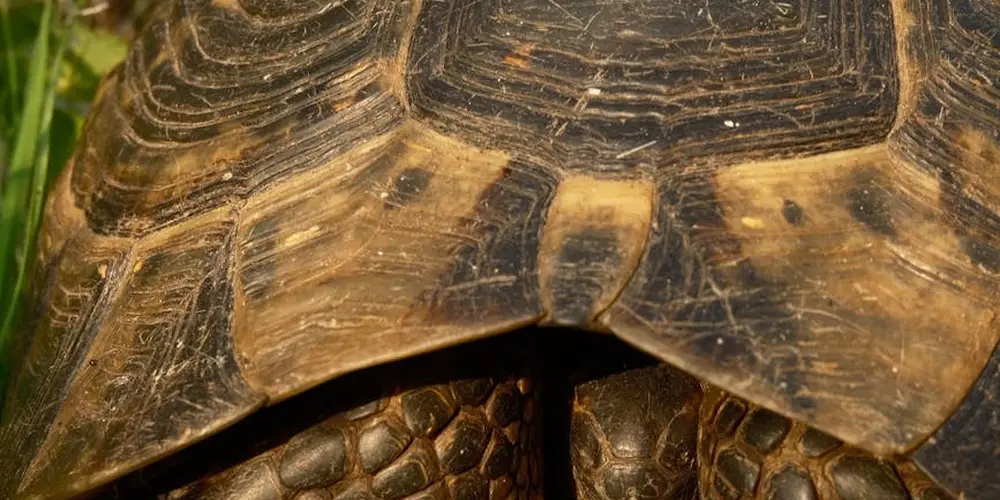
From my years of living with tortoises, I’ve learned that their affection is a quiet, steady language. You won’t get sloppy kisses, but you will receive subtle, meaningful gestures that signal a genuine bond.
Specific Signs of Affection
Watch for these behaviors that suggest your turtle not only recognizes you but is also content in your presence.
- Movement Towards You: My Russian tortoise, Austen, will often amble over when I enter the room. This isn’t a frantic search for food, but a calm, deliberate approach. It’s his way of saying hello.
- Curious Head Tracking: A turtle that follows your movements with its head is engaged and interested in you. My Greek tortoise, Bronte, will tilt her head, watching me garden with what I can only describe as thoughtful curiosity.
- Relaxed Basking: A turtle that basks openly and fully extends its limbs in your presence feels safe. This is a huge sign of trust, as they are in their most vulnerable state.
- Gentle Interaction: Some turtles, like my box turtle Orwell, will gently nibble at my fingers. This isn’t an attempt to eat me, but a form of exploration and interaction he reserves for people he knows well.
Bonding vs. Stress: Knowing the Difference
It is vital to distinguish between a happy turtle and a stressed one. Misinterpreting stress as affection can harm your pet’s welfare. If you’re unsure how to tell if your turtle is stressed, learn the signs and simple ways you can help. We’ll walk you through how to tell if your turtle is stressed and how to support their well-being.
- Approaching You: A bonded turtle moves with calm, slow intention. A stressed turtle may move frantically, often trying to climb the walls of its enclosure.
- Head Position: A happy, curious turtle extends its neck to see you. A scared turtle will retract its head completely into its shell and may hiss-a sound made from air being forced out as they hide.
- Eating Habits: A turtle that eats readily in your presence is comfortable. Refusing food and hiding when you’re near are clear indicators of stress or illness.
Interpreting Their Unique Body Language
Understanding their non-verbal cues is the key to better care. Think of it as learning a very slow, very quiet foreign language.
- Shell Shaking or “Wiggles”: Sometimes, particularly after a gentle shell scratch, a turtle will wiggle its back half. I’ve seen all three of my tortoises do this. This is often a sign of pleasure, similar to a dog’s happy dance.
- Eye Contact: Notice if your turtle makes soft eye contact. A fixed, unblinking stare can mean fear, while soft, blinking observation suggests calm recognition.
- Bubbles from the Nose: While sometimes a sign of a respiratory infection, occasional, clear bubbles during a relaxing soak can simply mean your turtle is content and relaxed.
Nurturing Your Bond for Mutual Well-being
Building this connection doesn’t happen overnight. It requires patience and consistent, positive interactions.
- Establish a Routine: Turtles thrive on predictability. Feed them, spot-clean their enclosure, and interact at roughly the same times each day. They come to anticipate and trust your presence.
- Hand-Feeding Favorite Treats: Offer a piece of dandelion green or a strawberry slice from your hand. This associates you with positive experiences. Always research safe foods for your specific species first.
- Respectful Handling: Never force interaction. Let them come to you. When you must handle them, do so gently and with full support under their body, keeping handling sessions short.
- Talk to Them: Use a soft, calm voice when you’re near their habitat. They will learn to recognize the tone and cadence of your voice as non-threatening.
- Enrich Their Environment: A stimulated turtle is a happy turtle. Provide hiding spots, different textures to walk on, and occasional, supervised exploration time outside their enclosure. A happy, engaged turtle is far more likely to want to bond with you.
FAQs
Can turtles distinguish their owner from strangers?
Yes, turtles can differentiate their owner from strangers using visual cues like your silhouette and movement patterns. They often remain calm and active around you but may hide or retreat when unfamiliar people approach.
Do turtles remember people after long periods?
Turtles possess strong associative memory and can recall individuals linked to positive experiences for many months or even years. Consistent interactions help reinforce this long-term recognition over time.
Can you train a turtle to recognize you?
Yes, you can train a turtle to recognize you through regular, gentle handling and positive reinforcement like hand-feeding. Consistent routines and calm interactions build trust and strengthen their association with you. With patience, you can train and bond your turtle. Regular, calm sessions help your turtle recognize you and respond to cues.
Deepening Your Connection with Your Turtle
Your turtle can learn to recognize you through steady, gentle interactions, showing subtle signs like approaching you for food. Based on my time with Bronte, I’ve found that consistency helps build trust, even if their affection is quiet and steady.
Always prioritize your turtle’s well-being by offering a safe habitat and proper nutrition. Keep learning about their care to ensure a fulfilling life together, as I do with my own shelled companions. For more on land and aquatic turtle care, see the care guide.
Further Reading & Sources
- r/interestingasfuck on Reddit: My turtle follows me and seeks out affection. Biologist have reached out to me because this is not even close to normal behavior. He just started one day and has never stopped. I don’t know why.
- Do Turtles Recognize Their Owners? Vet-Reviewed Facts & FAQ | Hepper Pet Resources
- Do turtles get attached to their owners? – Quora
- Can Turtles Recognize Their Owners? The Surprising Truth
Matthew is a dedicated turtle enthusiast and conservationist with over 15 years of experience in reptile care. Known affectionately as "The Leatherback" among his peers, he combines his passion for turtles with a commitment to educating pet owners on responsible turtle care and environmental stewardship.
Understanding Turtle Behavior