
My Turtle Is Hiding All The Time: A Stress and Sickness Checklist
If your turtle is hiding all the time, you are right to be concerned. A turtle that suddenly vanishes into its shell or burrows out of sight is communicating something important.
This guide covers: stress triggers, signs of illness, habitat checks, and when to visit the vet. We will walk through this checklist together, step by step, so you can understand your shelled friend’s behavior and ensure their well-being.
Understanding Your Turtle’s Hiding Behavior
Normal Hiding vs. Concerning Behavior
All turtles need a safe, dark place to retreat. My Russian tortoise, Austen, loves his hide. He uses it for sleeping and taking breaks from the world. This is normal behavior and a sign your enclosure setup is correct. You should worry when hiding becomes constant. If your turtle stays hidden all day, every day, and refuses to come out for food or basking, that’s a red flag. A healthy turtle has a predictable rhythm of activity and rest.
Common Stress Signs Beyond Hiding
Hiding is just one piece of the puzzle. Tells us a lot through their entire body language. Watch for these other signals that often accompany stress-induced hiding.
- Refusing their favorite foods, even when offered directly.
- Excessive pacing or frantic scratching at the tank walls.
- Hissing or pulling deeply into their shell when you approach.
- Keeping their eyes closed for long periods while out in the open.
My Greek tortoise, Bronte, will stop eating her dandelion greens the moment something in her environment feels off. It’s her first and most reliable sign that she’s not comfortable.
Spotting the Difference Between Stress and Sickness
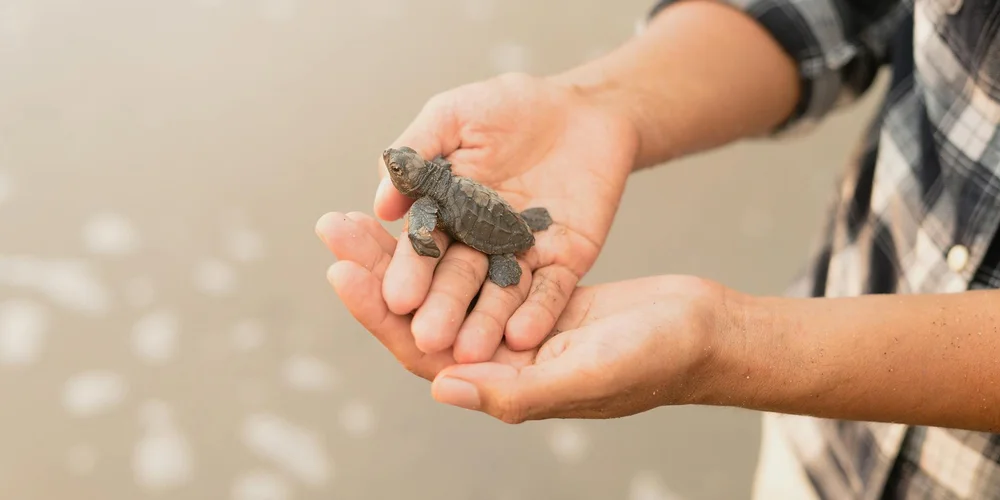
Stress can often look like sickness, and sickness always causes stress. It’s a tricky loop. The key is to look for clusters of symptoms. A single odd behavior might be nothing, but several together paint a clearer picture.
Quick Stress Symptom Checklist
If your turtle is hiding and shows these signs, the cause is likely environmental stress. This is often easier to fix. If you’re not sure how to tell if your turtle is stressed, this guide can help. Learn practical steps you can take to reduce stress and help your turtle feel safe.
- Hiding increases after a recent change (new tank, new pets, moved furniture).
- They still eat, but perhaps less enthusiastically than usual.
- They bask normally when they think no one is watching.
- No physical symptoms like swollen eyes or a runny nose.
Stress behaviors usually improve once you identify and remove the trigger, whether it’s a loud noise or an incorrect temperature gradient.
Illness Warning Signs Checklist
When hiding is paired with these physical symptoms, it’s time to consider illness. If you’re trying to tell if your turtle is sick, notice changes in their behavior and appetite as well. These signs indicate your turtle’s body is fighting something internal. Early detection can help you get timely care from a reptile veterinarian.
- Wheezing, bubbling at the nose, or open-mouth breathing.
- Swollen, puffy, or constantly closed eyes.
- Soft spots on the shell or a limp body.
- Floating abnormally in the water (for aquatic species).
- Diarrhea or undigested food in their stool.
My box turtle, Orwell, once hid for two straight days and refused food, which was unlike him. I finally spotted a small bubble at his nostril. That one physical sign confirmed it was a respiratory infection, not just a bad mood. A vet visit was essential.
Immediate Steps for Your Hiding Turtle
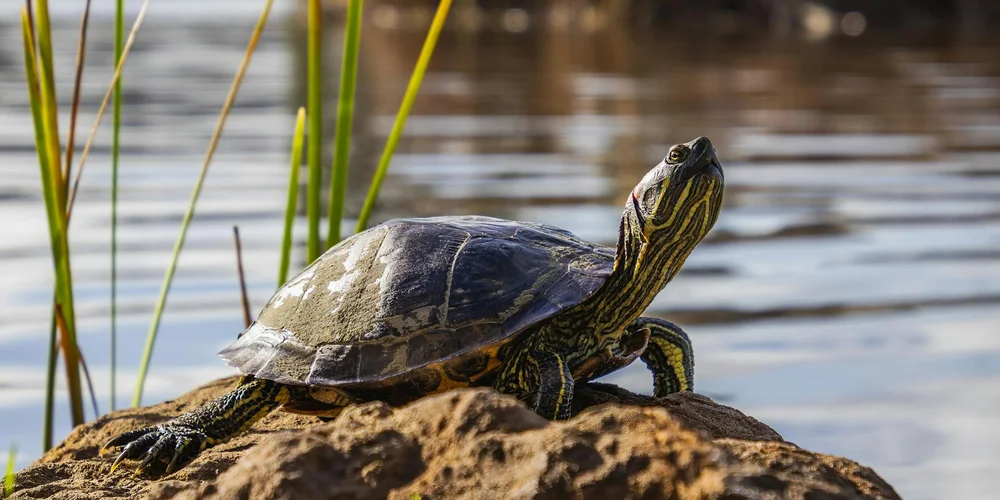
Habitat Temperature and Lighting Check
Start by feeling the warmth in your turtle’s basking area with your hand-it should radiate gentle heat, not feel cool or overly hot. Proper temperature gradients let your turtle regulate its body heat naturally, reducing the urge to hide from discomfort. I learned this when Bronte, my Greek tortoise, began retreating into her shell for hours; her basking spot had dipped below 85°F, so I adjusted the lamp immediately.
- Use a digital thermometer to verify basking zones stay between 85-90°F and cooler areas around 75°F.
- Check UVB bulbs every 6 months, as expired ones can weaken shell and bone health, making turtles lethargic.
- Observe if your turtle avoids light-this often signals a need for more shaded spots alongside bright areas.
After fixing Orwell’s lighting setup, his curiosity returned, and he explored more often. Consistent warmth and UVB exposure mimic their natural habitat, encouraging active behavior instead of constant hiding.
Environmental Stress Reduction Techniques
Loud sounds or sudden movements can startle turtles into hiding, much like how Austen, my Russian tortoise, would vanish when guests visited. Creating a calm space with minimal disruptions helps your turtle feel secure enough to emerge regularly. Turtles perceive the world through sight, hearing, and vibrations, as described in more detail here, so a calm, predictable setup supports their senses. I play soft, ambient music in the background now, which soothes all my turtles without overwhelming them.
- Place the enclosure in a low-traffic area away from TVs or doors that slam shut.
- Maintain a predictable daily routine for feeding and cleaning to build trust.
- Add live plants or cork bark for natural hiding spots that don’t feel isolating.
Reducing stressors isn’t just about quiet—it’s about predictability. Your turtle will learn to associate your presence with safety, not fear, over time. A tame, shy, or scared turtle benefits from gentle handling and a steady routine. With patience, it can become more confident around you.
Solving Common Habitat Problems
Water Quality and Hydration Issues
Dirty water or inadequate hydration can force turtles to hide due to illness or discomfort. Clean, fresh water is non-negotiable for turtle health, whether they’re aquatic or land-dwelling like Bronte. I test Orwell’s water weekly with a kit; when nitrates spiked once, he hid for days until I did a full change. If your turtle’s water is always dirty, it usually signals filtration or maintenance needs. This is exactly what a filtration maintenance troubleshooting guide is for.
- Change 25-50% of water weekly and use a filter to remove waste and toxins.
- Offer shallow water dishes for land turtles to soak in, promoting hydration and shell health.
- Watch for cloudy water or unusual odors-these indicate bacterial growth that stresses turtles.
Hydration affects everything from digestion to energy levels. Keeping water pristine prevents infections that often cause prolonged hiding spells.
Enclosure Setup Adjustments
A cramped or barren enclosure can make turtles feel exposed, pushing them to hide excessively. Enrich their space with varied terrain and safe materials to encourage exploration and reduce stress. After I added more substrate and hiding caves for Austen, she spent less time buried and more time grazing.
- Ensure the enclosure is at least 4-5 times your turtle’s shell length for ample roaming room.
- Mix substrates like coconut coir and sphagnum moss to support natural digging behaviors.
- Position hides at both warm and cool ends, so your turtle can choose comfort without isolation.
Turtles thrive in environments that mirror their wild instincts. A well-designed habitat minimizes fear and supports their overall well-being, cutting down on unnecessary hiding. For sea turtles, survival depends on access to safe, natural-like habitats. When environments reduce fear and stress, sea turtles stand a better chance of surviving and thriving.
When to Visit the Veterinarian
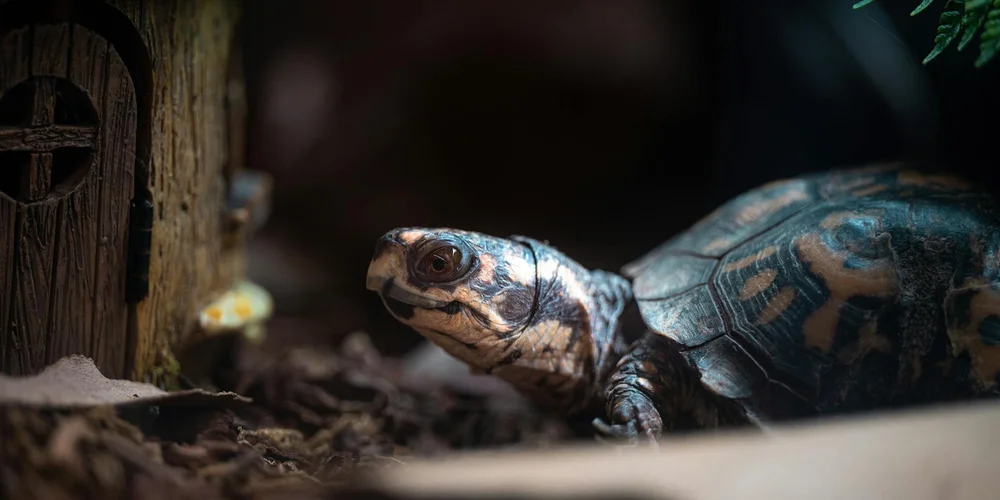
From my years with tortoises like Austen and Bronx, I know that sometimes a hiding turtle is more than just shy. Trust your gut feeling; if something seems off, it usually is. A reptile’s instinct is to hide weakness, so by the time we notice a problem, it may have been brewing for a while.
Emergency Symptoms Requiring Immediate Vet Care
Some signs are non-negotiable red flags. If you observe any of the following, please contact an exotic vet right away.
- Persistent gaping or open-mouth breathing, which can signal a serious respiratory infection.
- Discharge from the nose, eyes, or mouth.
- Lethargy so profound your turtle cannot hold its head up or retract into its shell.
- Swollen eyes that remain shut for more than a day.
- An obvious injury, like a crack in the shell or a limp.
- Pink or reddish spots on the shell or skin, which could indicate septicemia.
- No bowel movement for an extended period, especially if accompanied by straining.
Respiratory infections are a common and serious ailment in pet turtles that can deteriorate quickly without proper medication. I learned this the hard way with my Greek tortoise, Bronte, whose quiet illness taught me to act fast at the first cough. Spotting early warning signs in turtles like rapid breathing, wheezing, nasal discharge, or reduced appetite can make all the difference in treatment time. Being able to recognize these early signals is key to preventing a full-blown infection in turtles.
Preparing for Your Veterinary Visit
A little preparation makes the vet visit less stressful for you and your turtle, and helps the doctor make a faster diagnosis. If this is your turtle’s first visit, bring any medical records and a note of observed concerns. This helps the vet establish a baseline and tailor the exam.
- Gather Recent History: Note when the hiding started, any changes in eating or drinking, and the frequency of bowel movements.
- Know Your Enclosure Details: Write down your basking spot temperature, water temperature (for aquatic turtles), ambient humidity, and the type of UVB bulb you use and its age.
- Bring a Fresh Stool Sample: If possible, collect a recent sample. This is invaluable for checking for parasites.
- Transport Safely: Place your turtle in a secure, well-ventilated carrier with a soft towel on the bottom. Include a heat pack if the weather is cold.
- Take Pictures and Videos: A short video of the concerning behavior can be more helpful than trying to describe it.
Having this information ready shows the vet you are an observant owner and helps them pinpoint the issue efficiently. I always keep a small notebook with Orwell’s details; it has been a lifesaver during urgent visits.
FAQs
How can I tell if my turtle is hiding due to boredom?
Boredom-related hiding often occurs if the enclosure lacks enrichment, like varied terrain or safe objects to explore. You might notice your turtle becoming more active after adding new hiding spots or rearranging its habitat to stimulate natural behaviors.
Are there any safe ways to handle a hiding turtle?
Approach slowly and avoid sudden movements to prevent startling your turtle, as forcing interaction can increase stress. Offer food by hand to build trust, but always respect its need for solitude if it retreats further. With a new turtle, focus on building trust through steady, gentle interactions over time. Consistency is key to a confident, relaxed pet.
What dietary changes can help a stressed turtle?
Providing a varied, nutrient-rich diet with favorite treats can encourage eating and reduce stress-related hiding. Ensure foods are fresh and appropriately sized, as poor nutrition can exacerbate health issues and anxiety.
Your Turtle’s World: A Final Word
When your turtle hides, start by carefully examining its habitat and husbandry, then move on to observing for subtle signs of illness. A comfortable, enriching environment is the first and most powerful step toward a more visible, content turtle. To support well-being, provide safe basking sites and ample basking and hiding areas that allow thermoregulation and stress reduction. Creating these basking and hiding areas is essential for overall turtle health.
Caring for a turtle is a long-term commitment to learning and adapting to their unique, often silent, needs. Your dedication to understanding their world is the greatest gift you can give your shelled companion.
Further Reading & Sources
- 5 Signs of Stress in Pet Turtles | PetMojo
- The Veterinary Nurse – Stress in chelonians (tortoises, terrapins and turtles)
- How do you know you’re red ear slider is stressed ? What stresses …
- How do you know when torts are stressed? | Tortoise Forum
Matthew is a dedicated turtle enthusiast and conservationist with over 15 years of experience in reptile care. Known affectionately as "The Leatherback" among his peers, he combines his passion for turtles with a commitment to educating pet owners on responsible turtle care and environmental stewardship.
Signs of Illness