
Where to See Sea Turtles in Hawaii: A Guide to Gentle Encounters
You’re dreaming of spotting sea turtles in Hawaii but worry about finding the right spots without disturbing these gentle ocean dwellers.
This article shares the best beaches, ideal viewing seasons, responsible observation tips, and conservation insights, all drawn from my years of advocating for turtle welfare and personal adventures in Hawaii.
Hawaii Sea Turtles: Species and Identification
When you spot a sea turtle in Hawaii, you’re likely seeing one of two main species. Green Sea Turtles, known as Honu, are the most common, with shells that gleam in shades of olive and brown, much like my tortoise Austen’s earthy tones but built for ocean life. They can grow over three feet long and often graze on algae in shallow waters. Hawksbill Sea Turtles are rarer, with stunning, overlapping shell plates that look like artwork. I’ve cared for land turtles like Bronte, whose graceful movements remind me of how sea turtles navigate reefs with such precision.
How to Tell Them Apart
- Green Sea Turtles have rounded, smooth shells and paddle-like flippers.
- Hawksbill Sea Turtles feature a sharp, beak-like mouth and serrated shell edges.
- Both species are protected, so never approach or touch them.
Watching them in the wild feels magical, but it’s vital to keep a respectful distance. From my experience with Orwell, who’s reserved yet curious, I’ve learned that turtles thrive when we observe without intruding. Always admire their beauty from afar to support their well-being.
Top Sea Turtle Viewing Spots in Hawaii
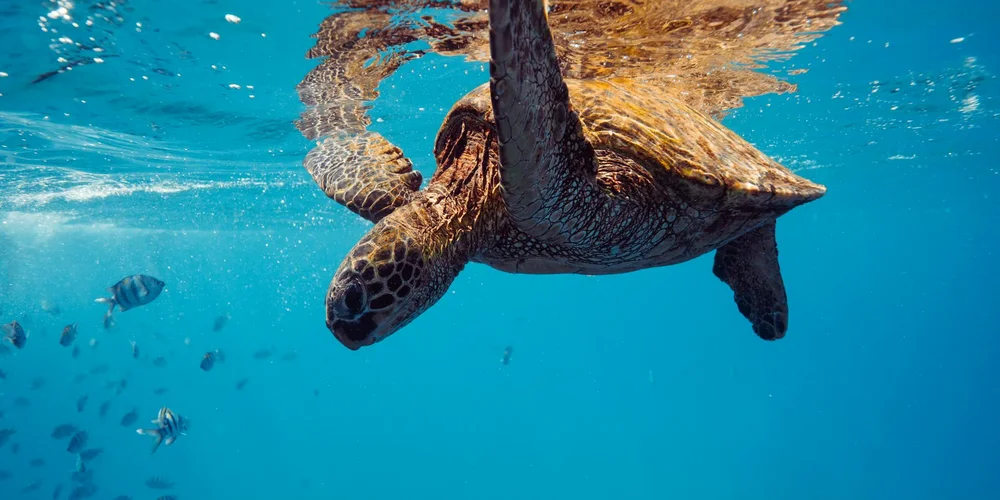
Hawaii offers incredible places to see sea turtles in the wild in their natural habitat. Laniakea Beach on Oahu’s North Shore is famous for turtle basking, where you might see them resting on the sand like my tortoises do in their enclosures. If you’re looking for where to see sea turtles in the wild, these beaches are classic choices. Early mornings or late afternoons are best, as the light casts a soft glow on their shells. Another gem is Punalu’u Black Sand Beach on the Big Island, where dark sands contrast with the turtles’ majestic forms. Remember to observe from a safe distance and follow local guidelines to protect the turtles.
- Laniakea Beach, Oahu: Easy access with frequent sightings.
- Punalu’u Black Sand Beach, Big Island: Unique setting with clear waters.
- Ho’okipa Beach, Maui: Great for watching from a distance.
Plan your visit during low tide for better visibility, and always stay on designated paths. I advocate for animal welfare by reminding you that these creatures depend on our gentle observation to survive and thrive. Bring binoculars to enjoy the view without disturbance, and you’ll create memories that honor Hawaii’s marine life.
Best Times for Hawaii Sea Turtle Watching
Sea turtles, much like my own tortoises, follow rhythms dictated by nature, not a tourist schedule. The most reliable sightings occur during daylight hours when they haul out on beaches to bask in the sun, a behavior I’ve observed in my own shelled companions. This basking period is crucial for their thermoregulation and overall health.
While you can spot them year-round, your chances increase significantly during the warmer, calmer summer months.
- Peak Season: May through September offers the sunniest weather and calmest ocean conditions.
- Time of Day: Aim for late morning to mid-afternoon for the best basking activity.
- Tide Considerations: A rising or high tide often makes it easier for them to access their favorite resting spots.
I’ve learned from caring for my own turtles that patience is everything. You might not see them on your first try, but returning to the same spot at different times often rewards you with a magical encounter.
Responsible Sea Turtle Watching Practices
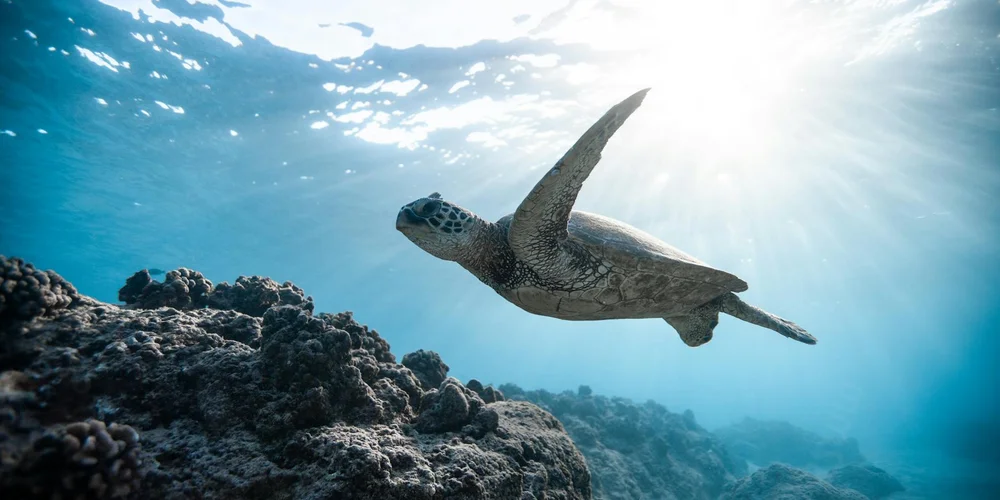
Watching these ancient creatures is a privilege. Our behavior directly impacts their well-being and the future of these threatened species. The principles of quiet observation I use with my pets at home apply directly here in the wild.
Always maintain a respectful and safe distance from any sea turtle you encounter.
- Give Them Space: Stay at least 10 feet (3 meters) away on land and in the water.
- Never Touch: Resist the urge. Your touch removes their protective slime coating and can cause severe stress.
- Do Not Feed: Human food is harmful and disrupts their natural foraging behavior.
- Quiet Observation: Keep your voice low and avoid sudden movements that could startle them.
If you’re snorkeling, let the turtle control the interaction. A turtle swimming away is communicating a clear boundary, just as my box turtle Orwell retreats into his shell when he’s had enough socializing. Never block their path to the ocean or surround them.
Finally, never use flash photography. The bright light can disorient and temporarily blind them, making them vulnerable to predators and obstacles. Your memory and a non-flash photo from a distance are the best souvenirs.
Snorkeling with Sea Turtles in Hawaii
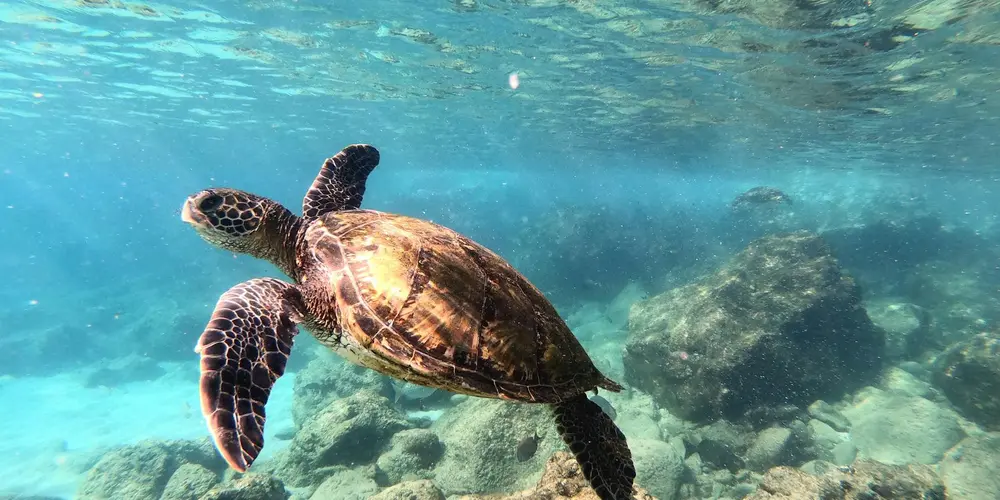
Snorkeling offers a magical window into the sea turtle’s world. You glide silently, becoming a temporary guest in their aquatic home. The key to a good encounter is patience and stillness, allowing the turtles to approach you on their terms—I’ve learned from my own tortoises, like the gentle Austen, that forcing interaction only causes stress. It’s also important to understand turtle safety to ensure both your wellbeing and theirs.
Several Hawaiian locations are renowned for reliable and respectful turtle sightings.
- Laniakea Beach (Oahu): Often called “Turtle Beach,” this North Shore spot is famous for Hawaiian Green Sea Turtles (Honu) basking on the sand. Observe them from a safe distance on the beach.
- Hoʻokipa Beach (Maui): Another prime basking location. The turtles here are a powerful reminder of their need to thermoregulate, much like my Russian Tortoise seeking a warm rock.
- Kahaluʻu Beach Park (Big Island): A protected, calm bay that is a snorkeler’s paradise. Sea turtles frequently graze on the algae-covered rocks in these shallow, clear waters.
- Turtle Town (Maui): This isn’t one single spot but a stretch of coastline near Makena. Snorkel tours often visit these waters, which are consistently populated with green sea turtles.
Always maintain a respectful distance of at least 10 feet from any sea turtle. Your presence should be a quiet observation, not an intrusion. Never attempt to touch or feed them, as this disrupts their natural behavior and is illegal under federal law. If you find a turtle, observe from a distance and back away slowly. If it appears injured or stranded, contact local wildlife authorities or a rescue organization immediately.
Connecting Wild Turtles to Pet Turtle Care
Watching sea turtles in the wild profoundly deepened my care for the tortoises in my own home. Their natural behaviors are a blueprint for what our pet turtles need to thrive. Seeing a sea turtle methodically graze on sea grass directly mirrors how my Greek Tortoise, Bronte, needs constant access to fresh, fibrous greens. Their wild diet isn’t varied for fun; it’s a complex nutritional requirement. This contrast is at the heart of the differences between aquatic and land turtle diets: aquatic turtles derive most of their nutrition from water-based vegetation and animal prey, while land tortoises rely on fibrous greens and high-fiber plant matter.
The parallels are striking and deeply informative.
- Basking is Non-Negotiable: A sea turtle hauling itself onto a sunny beach is performing a critical life function. My box turtle, Orwell, does the exact same thing under his heat lamp. Proper UVB lighting and a basking area are not luxuries; they are medical necessities for shell and bone health.
- Space to Roam: Sea turtles traverse entire oceans. While we can’t provide an ocean, we must offer the largest enclosure possible. A cramped tank leads to stress, inactivity, and health issues, just as it would for any wild animal.
- Clean Water is Everything: The pristine ocean highlights how vital water quality is for any aquatic or semi-aquatic turtle. Filtration and regular water changes are the cornerstone of preventing shell rot and respiratory infections in captive turtles.
- Respect Their Nature: Sea turtles are wild, solitary creatures. Our pet turtles retain these instincts. They are not cuddly pets; they are fascinating observers of their world, much like Orwell in his enclosure. We must appreciate them for what they are.
Every time I see a wild turtle, I am reminded that pet ownership is a form of stewardship. We are responsible for creating a micro-habitat that honors their wild heritage and supports their innate physical and psychological needs. Ethical considerations shape how I approach turtle care and whether keeping a turtle is the right fit. It’s a commitment I take seriously every day with Austen, Bronte, and Orwell.
Hawaii Sea Turtle Conservation and How to Help
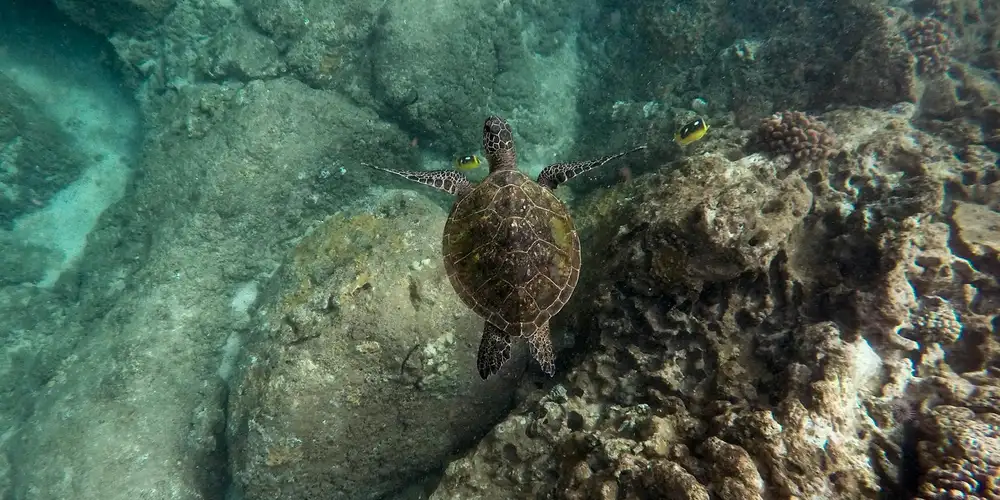
Watching a sea turtle glide through a Hawaiian reef is pure magic. That moment of connection comes with a profound responsibility to protect these ancient mariners. Having cared for my own tortoises for over a decade, I see the same gentle intelligence in their wild cousins and feel a deep duty to advocate for their well-being.
Why Hawaii’s Sea Turtles Need Our Protection
Sea turtles face a gauntlet of human-made challenges every single day. Their survival is not guaranteed.
- Habitat Loss: Coastal development and artificial lighting disorient hatchlings, who instinctively follow the moon’s glow to the ocean.
- Pollution: Plastic bags look like jellyfish to a hungry turtle. Ingestion can be fatal.
- Boat Strikes: Propellers cause devastating injuries to turtles coming up for air.
- Climate Change: Rising sand temperatures affect hatchling sex ratios, and sea level rise threatens nesting beaches.
Responsible Wildlife Viewing: The Golden Rules
Your behavior on the beach and in the water has a direct impact. Follow these simple rules to be a good guest in their home.
- Always Keep Your Distance. Stay at least 10 feet (3 meters) away from any sea turtle on land or in the water. I watch my Russian tortoise, Austen, get stressed if I loom over him; wild turtles feel that pressure a hundredfold.
- Never Touch or Feed Them. Human touch removes protective slime from their skin and shell, making them vulnerable to infection. Feeding them alters their natural foraging behavior.
- Do Not Block Their Path. If you see a turtle on the beach, give it a wide berth. Never surround it or get between it and the ocean.
- Look, But Don’t Flash. Avoid using camera flashes or bright lights, which can disorient and stress the animals, especially at night.
How You Can Actively Contribute to Conservation
Moving from passive observer to active protector is incredibly rewarding. Here are tangible ways to make a difference.
- Volunteer for Beach Cleanups. Organizations like the NOAA Marine Debris Program regularly host events. Removing trash from coastlines directly saves lives.
- Support Local Conservation Groups. Look for reputable non-profits like the Sea Turtle Conservancy or Hawaii-specific organizations. Donations fund vital research and rescue efforts.
- Report Injured or Distressed Turtles. If you see a turtle in trouble, entangled, or injured, immediately call the NOAA Marine Wildlife Hotline at (888) 256-9840. Do not attempt to intervene yourself.
- Choose Sustainable Seafood. Turtles often become bycatch in certain fisheries. Your consumer choices can help reduce this threat.
Every small action, from giving a turtle space to picking up a plastic bottle, contributes to a larger wave of positive change. The respect we show these creatures ensures they will continue to grace Hawaii’s shores for generations to come.
FAQs
How many sea turtle species are commonly found in Hawaii?
Two main species are frequently seen: the Green Sea Turtle (Honu) and the rarer Hawksbill Sea Turtle. Both are protected, and observing them from a distance respects their wild nature, much like giving pet turtles space reduces stress. Studying their biology guides conservation, from nesting-site protection to safer bycatch practices. Public awareness and responsible viewing support these efforts.
What do the Hawaiian names for sea turtles mean?
“Honu” refers to the Green Sea Turtle and symbolizes good luck and longevity in Hawaiian culture. Learning these names can enhance your appreciation for their heritage, similar to how naming a pet turtle fosters a deeper bond and responsibility.
How can I access sea turtle population survey data in Hawaii?
Organizations like NOAA publish survey results online, often in PDF formats, detailing population trends and counts. Using this data supports informed conservation, just as tracking your pet turtle’s growth and health through records ensures proper care.
What is the typical diet of green sea turtles in Hawaii?
Green sea turtles mainly graze on algae and sea grasses in shallow coastal waters. Adult green sea turtles are largely herbivores, feeding on plant matter rather than animals. This ties into the question of green sea turtles’ herbivorous diet. This natural diet emphasizes the need for herbivorous pet turtles to have a varied, plant-based menu to prevent nutritional deficiencies.
Why do sea turtles bask on Hawaiian beaches?
Basking helps sea turtles regulate their body temperature and digest food efficiently. This behavior underscores why pet turtles require dedicated basking spots with heat and UVB lighting to maintain shell and overall health. To create a perfect basking area for your aquatic turtle, set up a dry, stable platform with appropriate heat and UVB. Make sure the area is easy for the turtle to reach from the water.
Honoring Hawaii’s Sea Turtles in Your Care
When visiting Hawaii, always keep a safe distance from sea turtles to protect their natural behaviors and habitats. Plan your trips during quieter times like early mornings for a better, less intrusive viewing experience.
Apply this same mindful approach to your pet turtles by creating enriching environments that mimic their wild needs. Continuous learning about species-specific care ensures your shelled friends thrive under your guardianship. Understanding how wild turtle habitats—ponds, streams, and basking shores—translate to tank or outdoor enclosure design helps you recreate similar conditions at home. This link between wild habitats and domestic setups supports more natural behaviors and overall well-being for your pet.
Further Reading & Sources
- Division of Aquatic Resources | Sea Turtles
- 7 Best Turtle-Watching Beaches in Hawaii | Outrigger
- Where to See Sea Turtles on Oahu: A Traveler’s Guide – Real Hawaii Tours
- The 9 Best Spots to Find Sea Turtles in Hawaiʻi (all Islands)
Matthew is a dedicated turtle enthusiast and conservationist with over 15 years of experience in reptile care. Known affectionately as "The Leatherback" among his peers, he combines his passion for turtles with a commitment to educating pet owners on responsible turtle care and environmental stewardship.
Travel Tips