
Turtle Anatomy and Shell Biology: Your Guide to Their Inner World
Published on: December 15, 2025 | Last Updated: December 15, 2025
Written By: Matthew The
Have you ever touched your turtle’s shell, feeling its sturdy yet detailed surface, and wondered if that slight soft spot or unusual color means something is wrong? I’ve been there, watching my Russian tortoise Austen with concern before I understood that his shell is his backbone.
This article explains shell layers, bone structure, how turtles breathe and eat, and simple ways to monitor health. From my gentle Bronte to reserved Orwell, knowing their anatomy has been the key to their long, happy lives.
Are Turtles Born with Shells? The Start of a Lifelong Armor
Yes, every turtle enters the world with its shell already in place. When my Greek tortoise Bronte hatched years ago, her shell felt like a supple, leathery cup, not the hard dome she sports today. This initial softness is vital for a safe exit from the egg.
In those first hours, the shell is pliable and delicate. I remember Austen, my Russian tortoise, needing a habitat with just the right dampness to keep his young shell from drying out. For pet owners, this means prioritizing gentle handling and stable humidity from the very start.
From Egg to Hatchling: Shell Formation
The blueprint for the shell exists even before hatching. It forms from the baby turtle’s own broadened ribs and vertebrae, fusing with plates of dermal bone called osteoderms in the skin. This creates the carapace and plastron as one solid, growing structure.
This process is a marvel of natural engineering. What begins as a flexible framework quickly starts to harden, providing lifelong protection. It’s a reminder that their armor is a living, sensitive part of their body.
Caring for a Baby Turtle’s Delicate Shell
Protecting that soft start is crucial for healthy development. Based on raising my own trio, here are the key pillars of care.
- Maintain precise habitat moisture. Proper humidity prevents the shell from cracking and supports smooth growth, much like it did for Bronte in her early days.
- Provide UVB lighting immediately. This non-negotiable light allows them to metabolize calcium, which is the mineral foundation for a strong shell.
- Offer a calcium-rich diet. I always dust the greens for my young turtles with calcium powder and keep cuttlebone available to support robust bone and shell development.
The Skeletal Secret: Do Turtles Have Bones?
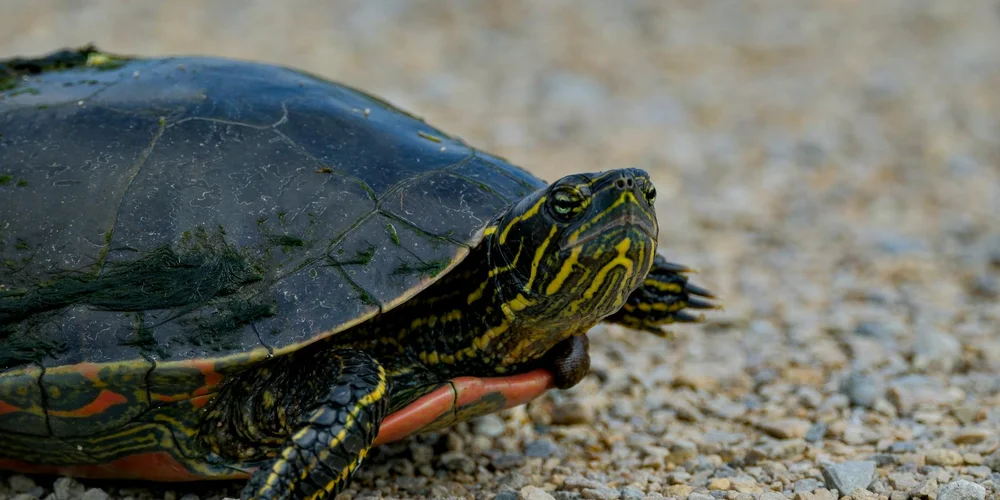
They certainly do, but in a way that might surprise you. A turtle’s skeleton is permanently fused to its shell, making the shell an integral part of its bony framework. It’s not a house they carry; it is their body.
This fusion means you must handle them with utmost care. When you pick up your turtle, you are quite literally holding its rib cage and spine, so always support the entire body gently. It’s a fundamental act of respect for their unique anatomy.
Vertebrae, Ribs, and the Fusion with the Shell
The backbone and ribs are the shell’s primary scaffolding. These bones broaden and fuse directly with the dermal bone of the carapace, creating an exceptionally strong, box-like structure. This design is why a healthy shell can withstand significant pressure.
This strength comes with a responsibility for us. Because the shell is living bone covered in keratin scutes, any crack or injury is a serious fracture that requires immediate veterinary attention. I’ve learned to inspect Orwell’s shell regularly for any signs of damage.
Inside the Shell: Pectoral and Pelvic Girdles
In a unique anatomical twist, the shoulder and hip bones are located inside the rib cage. This inward placement is why turtles have their distinctive, sometimes awkward, walking gait. Their limbs operate from within a bony fortress.
This structure influences their spatial needs. For active species like my box turtle Orwell, a cramped enclosure can stress their joints and limit natural behaviors. Providing ample space for roaming and digging is a direct welfare issue stemming from their skeletal design.
Shell Composition: Carapace, Plastron, Scutes, and More
Think of a turtle’s shell as a perfect, one-piece suit of armor they are born wearing and never take off. It’s a living, growing extension of their skeleton, intimately fused to their spine and ribs. This incredible structure is divided into two main parts: the top dome (the carapace) and the bottom plate (the plastron), connected by bony bridges on the sides.
The Upper Shield: Understanding the Carapace
The carapace is the turtle’s iconic top shell, your first visual cue to their species and health. Its shape is a brilliant adaptation to their lifestyle. My Russian tortoise, Austen, has a high, domed carapace perfect for deflecting the sun’s heat in his native arid lands. In contrast, many aquatic turtles have sleek, streamlined carapaces for swimming.
A healthy carapace should feel firm, not spongy, and display a lovely, symmetrical pattern. When I give Austen his weekly check, I look for any dips, soft spots, or uneven growth rings-these can signal nutritional issues or illness. That smooth, solid dome is his main defense against the world.
The Lower Plate: The Role of the Plastron
While the carapace gets all the glory, the plastron is the unsung hero protecting their delicate underside. This “belly plate” varies wonderfully between species. My box turtle, Orwell, has a special trick: his plastron is hinged. He can pull it up tightly against his carapace, sealing himself inside his namesake “box” when he feels shy or threatened.
For many turtles, the plastron isn’t just a shield; it’s a subtle tool for movement and stability. A smooth, intact plastron allows them to slide over surfaces without injury. Checking this area during handling is a quiet act of care, ensuring there’s no damage from rough terrain in their enclosure.
Scutes and Keratin: The Outer Layer
Now, let’s talk about the shell’s beautiful surface. Those individual, often colorful plates you see are called scutes. They’re made of keratin, the same protein in your fingernails and hair. This outer layer of scutes protects the living bone underneath, and just like our nails, they grow and shed over time.
Healthy shedding is a normal, flaky process where thin, translucent layers peel away. I see it most clearly with my Greek tortoise, Bronte; her golden-brown scutes will occasionally release a perfect, paper-thin sheet. Problematic shedding, or scute retention, happens when old layers stick and build up, sometimes trapping moisture and leading to shell rot. Gentle observation is key-their shell should never look like a cracked, peeling desert floor.
Multipurpose Marvel: Why Do Turtles Have Shells?
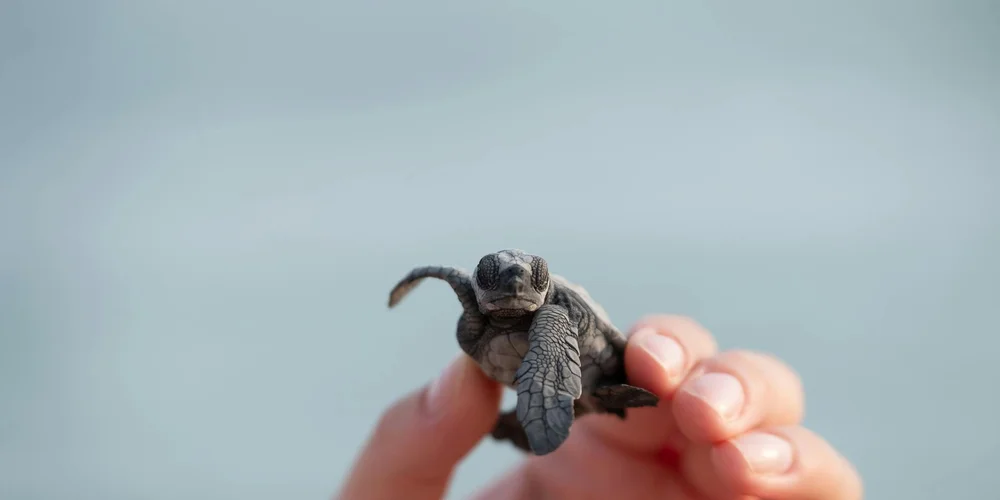
That beautiful, hard casing is a turtle’s signature feature, but its job goes far beyond looking good. Think of the shell as a Swiss Army knife for survival, blending armor, climate control, and life support into one elegant package. For pet owners, understanding these roles transforms how you set up a habitat, making it a true sanctuary. Let’s explore the key functions and what they mean for your care routine.
Protection and Defense: The Obvious Role
Imagine wearing a castle on your back-that’s a turtle’s reality. The shell, fused to their skeleton, is a bony shield against bites, falls, and scrapes. This natural armor is incredibly strong, yet it can still crack from sharp impacts in captivity. I’m meticulous with Orwell’s home; after finding a tiny chip on his dark brown shell from a jagged stone, I now hand-check every log and rock for smoothness. Run your fingers over all tank decorations to ensure no hidden edges threaten your turtle’s mobile fortress. Safe decor prevents painful injuries and supports their instinct to tuck safely inside.
Respiration: Where Do Turtles Breathe From?
Many people guess turtles breathe through their shells, but that’s a myth. Turtles inhale and exhale air through their lungs, with muscles attached to the shell aiding the expansion and contraction of their body cavity. You might see a slight movement in their shell as they breathe. This process requires clean, dry air to function smoothly. Always provide a spacious, dry basking area where your turtle can fully exit the water and breathe without restriction. I watch Austen and Bronte bask for hours; their steady breathing reminds me how vital a dust-free, warm platform is for their lung health. For those curious, aquatic turtles breathe with lungs, so proper respiration depends on both water and a dry basking area. A good guide will explain how water conditions, temperature, and safe dry space work together to meet their respiration and habitat needs.
Thermoregulation and Buoyancy Control
The shell is a master of temperature and floatation. Its broad surface soaks up warmth like solar panel, crucial for cold-blooded animals. By absorbing heat during basking, the shell helps regulate their internal temperature, which is why a proper heat gradient in the tank is non-negotiable. Additionally, the shell’s shape and density act like a natural life jacket. A healthy shell provides balanced buoyancy, allowing turtles to swim comfortably or rest at the water’s surface. For aquatic pets, match water depth to their size-deep enough to paddle, shallow enough to breach easily. Seeing Bronte float calmly during soaks shows how her shell grants graceful control in water.
Shell Growth and Development: From Soft to Strong
Picture your turtle’s shell as a living diary, with each year adding a new chapter in the form of subtle ridges. This growth never truly stops, and your care directly writes the story on those scutes. I’ve watched Austen, my gentle Russian tortoise, develop his brown and tan shell over ten years; the growth rings are faint lines that speak of steady meals and sunny days. But sometimes the story gets messy, with bumps or soft spots appearing when diet or light falls short. Your attentive eye and proper habitat setup are the best tools for guiding smooth, healthy development from a soft juvenile shell to a strong adult one.
How Shells Grow: The Role of Nutrition and Light
Think of shell growth like building a stone wall, slowly adding new bricks at the edges. Those bricks are made of bone and keratin, and the mortar is calcium processed with help from UVB light. Without this specific light, turtles struggle to use calcium from their food, leading to weak, pliable shells. My thoughtful Greek tortoise, Bronte, basks under her UVB lamp daily; it’s why her golden brown shell maintains such a graceful, even curve. The growth rings you see on scutes aren’t just for age—they can signal feast or famine in past seasons. Consistent, species-appropriate care creates smooth, strong growth rings you can be proud of. It’s critical to understand how a turtle’s shell grows and regenerates to provide the best care.
Support this natural process with a simple routine:
- Provide UVB lighting for 10-12 hours daily to enable calcium metabolism.
- Offer a balanced diet rich in dark, leafy greens and low in protein.
- Dust food with a calcium supplement a few times a week, especially for growing turtles.
Pyramiding: What It Is and How to Prevent It
Run your finger over a healthy shell; it should feel like a smooth, domed stone. Pyramiding creates a bumpy, textured surface like a cobbled street. This abnormal growth is a clear sign that something in your care routine needs adjustment. It’s often caused by too much dietary protein or an environment that’s too dry. For species like my Greek tortoise Bronte, who enjoys moderate humidity, arid air can encourage those unsightly pyramids to form. I corrected early signs in Bronte by misting her enclosure more often and swapping out high-protein foods for a leafy menu.
To keep shells smooth, focus on these preventative steps:
- Tailor the diet to your turtle’s species-most need plants, not protein.
- Monitor and adjust humidity levels; a simple hygrometer helps.
- Ensure UVB lighting is fresh and strong, as it degrades over time.
Can Turtles Regrow Their Shells? Healing vs. Regeneration
Here’s the honest truth: a turtle cannot regrow a large, missing piece of shell. The shell is fused bone, and like our spine, lost sections are gone for good. But their capacity for healing minor damage is remarkable. Small cracks or scars can knit together with time and care, leaving a story etched in keratin. My reserved box turtle, Orwell, healed a minor crack on his dark brown shell; with a vet’s guidance and a clean tank, it sealed up, though a faint yellow line remains in the pattern. Prompt action turns a scary injury into a manageable recovery. Can a turtle’s shell heal from cracks and injuries?
If you find a shell injury, follow these steps immediately:
- Gently rinse the area with clean, warm water to remove debris.
- Keep your turtle in a quiet, sanitary hospital enclosure to minimize stress.
- Contact a reptile veterinarian without delay for assessment and possible repair.
Advocating for animal welfare means preventing harm first. Regular habitat checks and safe handling are your best bets for keeping that precious shell intact.
Common Shell Issues in Pet Turtles: Identification and Action

Seeing your turtle’s shell change can send a wave of worry through any owner. I’ve felt that chill myself. Are early signs of shell trouble unhealthy? Knowing what to watch for helps you tell normal shedding from a problem. Recognizing shell problems early is your best tool for keeping your shelled friend healthy and comfortable for years. Let’s walk through the most common issues, how to spot them, and what you can do.
Shell Rot: Spotting and Stopping Fungal or Bacterial Infections
Shell rot often starts quietly, a hidden invader in damp conditions. My Greek tortoise, Bronte, once had a small patch I noticed during her weekly soak. Your nose is a powerful detective here; a foul, musky odor from the shell is a classic red flag. Look for these signs:
- Discoloration: White, green, or blackish spots that weren’t there before.
- Texture Changes: Areas that feel soft, pitted, or flaky when gently touched.
- Visual Damage: The outer keratin layer might lift, revealing a pale or sickly layer underneath.
This infection usually stems from persistent moisture. For aquatic turtles, it’s poor water quality. For tortoises like my Austen, it can be an overly wet substrate. Acting quickly can prevent a minor issue from becoming a major health crisis. Here are your steps:
- Isolate and Dry: Gently clean the area with a soft cloth and warm water. For a land tortoise, ensure their enclosure has a completely dry, warm basking area.
- Apply Treatment: After drying, a veterinarian may recommend a mild antifungal or antibacterial cream designed for reptiles. Never use human medications without guidance.
- Seek Professional Help: For any soft spots or odor, a vet visit is non-negotiable. They can prescribe the right treatment and rule out deeper infection.
Prevention is your anchor. Keep habitats clean and ensure proper dryness cycles. Bronte’s graceful nature meant she hated her brief drying times, but that routine saved her shell.
Soft Shell Syndrome: Causes and Corrections
A shell that gives under gentle pressure is a serious signal. It’s not just flexible growth; it’s often Metabolic Bone Disease (MBD). Think of the shell as a living bone bank, and without the right deposits, it becomes weak and spongy. The primary culprits are a lack of UVB light, which helps turtles produce vitamin D3, and a diet low in calcium. Does diet and nutrition impact a turtle’s shell health? It does—adequate calcium, vitamin D3, and a balanced diet are essential for a healthy shell.
I remember when Orwell, my box turtle, was younger and his shell didn’t have that firm feel. It was a wake-up call to audit his entire setup. Correcting a soft shell requires a multi-pronged approach, not a single fix. Follow this care checklist:
- Lighting Audit: Is your UVB bulb strong enough and replaced every 6-12 months? It should cover the basking spot.
- Diet Review: Are you offering calcium-rich foods like dandelion greens and calcium supplements? Dust insects or veggies with a reptile-specific powder.
- Veterinary Consultation: A vet can assess the severity and may suggest liquid calcium supplements or specific dietary plans.
Recovery is slow, like the steady growth of a tree. With consistent correction, the shell can regain strength. Orwell’s reserved intelligence seemed to understand the new routine, and his shell firmed up beautifully over time.
Injuries: Cracks, Abrasions, and Immediate Care
Accidents happen. A fall, a scrape against a sharp rock, or even a curious pet dog can cause shell injuries. The shell is nerve-rich at its edges, so injuries are painful. Your first job is to stay calm and prevent further harm, much like applying pressure to a cut. For any crack or deep abrasion, consider this an emergency.
Here is your immediate action plan for minor injuries while you contact your vet:
- Safe Containment: Gently move your turtle to a clean, dry, and quiet container lined with a soft towel. Keep them warm.
- Gentle Cleaning: If there’s debris, rinse the area with a sterile saline solution or clean water. Avoid harsh antiseptics like hydrogen peroxide, which can damage healthy tissue.
- Keep it Dry: Do not submerge the turtle. For aquatic species, this means a temporary hospital tank with very shallow, clean water or a damp towel setup.
Never attempt to glue or tape a shell crack yourself; improper sealing can trap infection inside. A veterinarian needs to clean the wound thoroughly, possibly apply medical-grade epoxy, and prescribe antibiotics. I advocate for this strongly because an untreated shell infection can swiftly become septic, endangering your turtle’s life. The gentle steadiness of a tortoise like Austen reminds us that their resilience depends on our responsible, swift care. Additionally, regular inspections are crucial to catch any issues early, so make sure to perform safe shell inspections on your turtle.
Anatomy in Action: How Turtle Biology Shapes Daily Care
Living with my three shelled companions has taught me that their unique anatomy is not just a fact from a book. It’s the daily blueprint for their health and happiness, a set of non-negotiable rules written in bone and keratin. Every choice I make for Austen, Bronte, and Orwell stems directly from understanding how they are built.
Dietary Foundations for Bone and Shell Health
You can’t build a strong house without the right materials. For a turtle, that material is calcium. I think of their diet as the direct fuel for their skeleton and that magnificent shell. Getting it wrong has visible, heartbreaking consequences.
I keep these principles at the forefront:
- Calcium is King: A constant, available source is mandatory. A piece of cuttlebone in the enclosure lets them self-regulate. I watch Bronte, my Greek tortoise, take delicate, precise bites from hers.
- Balance Phosphorus: Foods high in phosphorus, like some fruits and legumes, can block calcium absorption. I use them as the tiniest of treats, not staples.
- Species-Specific Greens: My Russian tortoise, Austen, thrives on a high-fiber, low-protein diet of broadleaf weeds and greens like dandelion and endive. Orwell, my box turtle, enjoys a more varied omnivorous menu with protein like earthworms.
- Dusting is a Duty: For their main meals, I lightly dust their food with a pure calcium powder a few times a week. It’s a simple, two-second ritual that pays off in lifelong strength.
Seeing Austen’s smooth, domed shell grow over the years is my proof that a proper, calcium-rich diet is the most profound care you can provide.
UVB Light and Calcium: A Non-Negotiable Pair
This is the partnership that makes everything else possible. You could serve a mountain of calcium-rich food, but without proper UVB light, your turtle’s body cannot use it. UVB lighting is what enables calcium to be used for bone and shell health. Setting it up correctly is essential to keep your turtle healthy. It’s like having a full pantry but no way to open the cans.
UVB light allows their skin to synthesize Vitamin D3, which is the key that unlocks calcium for their bodies. Without it, metabolic bone disease sets in, softening the shell and deforming the skeleton.
My setup routine is non-negotiable:
- Choose the Right Bulb: I use linear fluorescent UVB tubes that cover at least half the enclosure’s length. Compact coil bulbs often don’t provide adequate output.
- Position for Power: The bulb must be mounted inside the screen top, as mesh can block over 50% of the crucial rays. It needs to be within the proper distance, usually 10-12 inches from the basking area.
- Replace Religiously: UVB output degrades long before the bulb burns out. I mark my calendar to replace the bulb every 10-12 months, without fail.
When Orwell stretches out under his lamp, eyes closed in contented absorption, I know he’s not just warming up-he’s literally building his health photon by photon.
Habitat Design: Supporting Shell and Skeleton
Their enclosure is their entire world. Every inch must support their anatomical needs, from thermoregulation to safe movement. A poorly designed space creates silent stress and physical risk.
I design habitats around three core anatomical needs:
- The Basking Temple: A focused, dry heat source is critical for digestion and immune function. I create a flat rock or slate under the heat lamp, ensuring it gets to a species-specific warm temperature (often 90-95°F). This is where Bronte spends her thoughtful mornings.
- Water as a Resource: For swimming species, clean, deep enough water is exercise and hydration. For terrestrial tortoises like Austen, a shallow clay saucer for soaking is vital for hydration and helps with smooth shedding.
- Substrate for Safety: The ground they walk on matters immensely. I use a mix of organic topsoil and coconut coir-it holds moisture for humidity, allows for natural digging, and is soft on their plastrons. Abrasive substrates like sand or crushed walnut can cause painful wear and infections.
Watching Austen dig a shallow evening nest in her soft substrate isn’t just cute behavior; it’s a sign her environment correctly supports her deepest instincts.
Debunking Myths: The Truth About Turtle Shells
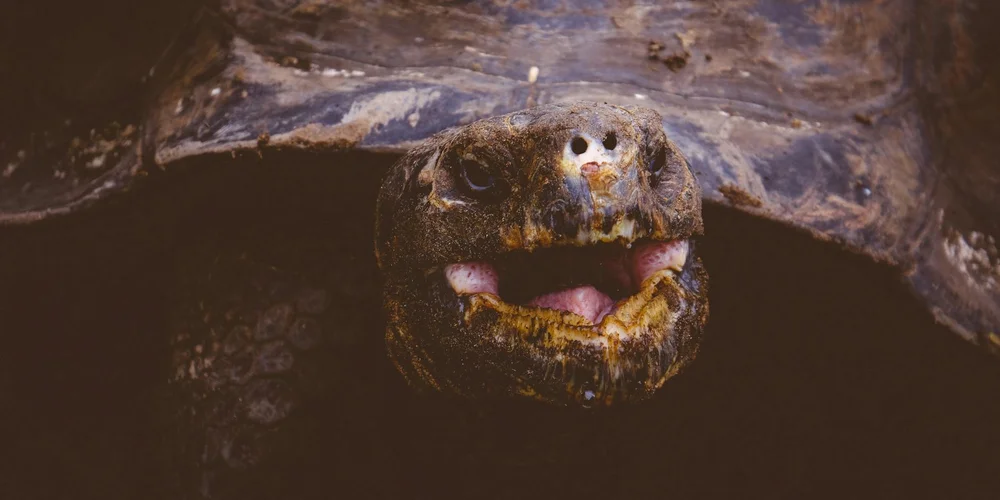
Let’s gently wash away some stubborn myths about turtle shells. These misconceptions often lead to well-meaning but harmful mistakes in care, which is why clearing them up is my first step in any care discussion. Today, we’ll debunk 6 common myths about turtle shell health care to help you care for your turtles correctly.
Can a Turtle Come Out of Its Shell? The Permanent Home
I need to be perfectly clear on this one: a turtle cannot leave its shell. Not today, not ever. The shell isn’t a house they carry; it’s literally part of their skeleton, fused to their spine and ribs. They cannot leave or swap shells; as they grow, the shell enlarges with them.
If you see a cartoon of a turtle popping out, that’s pure fantasy. In reality, what looks like a turtle without a shell is a gravely injured animal whose body has been separated from its bony structure—a fatal condition. A turtle cannot live without its shell—the shell is part of its skeleton and protects its organs. Without it, survival is virtually impossible. My tortoises, Austen and Bronte, are as inseparable from their shells as you are from your own ribcage.
Shell Sensitivity: Feeling Through the Armor
This myth breaks my heart because it leads to rough handling. A turtle’s shell is not a numb shield. It’s a living structure with a blood supply and a network of nerve endings, making it sensitive to pressure, scratches, and temperature.
When I gently stroke the ridges of Orwell’s box turtle shell, he can feel it. A shell that feels warm or cool to your touch tells you about his core body temperature. This sensitivity is precisely why we must advocate for gentle handling and scrupulously maintain proper habitat temperatures-to avoid causing them silent, unseen discomfort.
Think of the shell more like a very thick, bony fingernail that’s connected to feeling, rather than a piece of dead plastic. Treating it with the respect a living part deserves is fundamental to true animal welfare.
FAQs
How does a female turtle’s shell differ from a male’s?
In many turtle species, females often have a flatter or more concave plastron to accommodate egg development and laying. This design facilitates easier egg passage while maintaining overall shell integrity and protection.
What role do muscles play in a turtle’s shell and movement?
Muscles are intricately attached to the shell’s inner bone and limb girdles, enabling turtles to retract their limbs and head for defense. These muscles also assist in respiration by helping to expand and contract the body cavity within the rigid shell structure.
How are a turtle’s organs protected and arranged within the shell?
The shell’s bony carapace and plastron create a secure cavity that houses organs like the heart, lungs, and digestive system. Organs are strategically positioned and attached to allow normal function while benefiting from the shell’s robust, protective enclosure.
Navigating the World of Shells and Care
From my decade with Austen, my gentle Russian tortoise, I’ve learned that a turtle’s shell is a living diary of their well-being. Pair this insight with consistent habitat maintenance and a species-appropriate diet to form your first line of defense against common health issues.
True guardianship, as my graceful Greek tortoise Bronte has shown me, is a pact of patience and perpetual learning. Let your care evolve with trusted knowledge, always placing your turtle’s natural needs and comfort at the very heart of every decision you make.
Further Reading & Sources
- Turtle shell – Wikipedia
- A turtle’s shell is more than its home
- Sea Turtle Anatomy – ECOMAR
- Body plan of turtles: an anatomical, developmental and evolutionary perspective – PubMed
Matthew is a dedicated turtle enthusiast and conservationist with over 15 years of experience in reptile care. Known affectionately as "The Leatherback" among his peers, he combines his passion for turtles with a commitment to educating pet owners on responsible turtle care and environmental stewardship.
Aquatic Turtles