
How Aquatic Turtles Breathe: Respiration and Habitat Essentials
If you’ve ever watched an aquatic turtle glide through water and wondered how it breathes without coming up for air constantly, you’re not alone-many owners worry about their turtle’s respiratory health and habitat setup.
This guide covers turtle respiration anatomy, breathing methods in water and on land, ideal habitat features, and common care mistakes to avoid.
The Basics of Aquatic Turtle Respiration
Aquatic turtle respiration is fundamentally lung-based, which means they must regularly access the water’s surface to breathe air.
Despite living in water, these animals are not fish and possess lungs just like we do. They cannot extract oxygen directly from water through gills.
They employ a method called buccal pumping to move air.
- They contract and expand muscles in their throat.
- This action actively pumps air into their lungs.
- You can often see the area beneath their chin pulsing rhythmically.
I’ve spent countless hours watching my own turtles, Austen and Bronte, in their aquatic home.
It’s a calming, rhythmic sight that signals a content and healthy turtle. You’ll notice a smooth, deliberate motion as they take a breath before gracefully sinking back down to explore.
How Aquatic Turtles Breathe Underwater
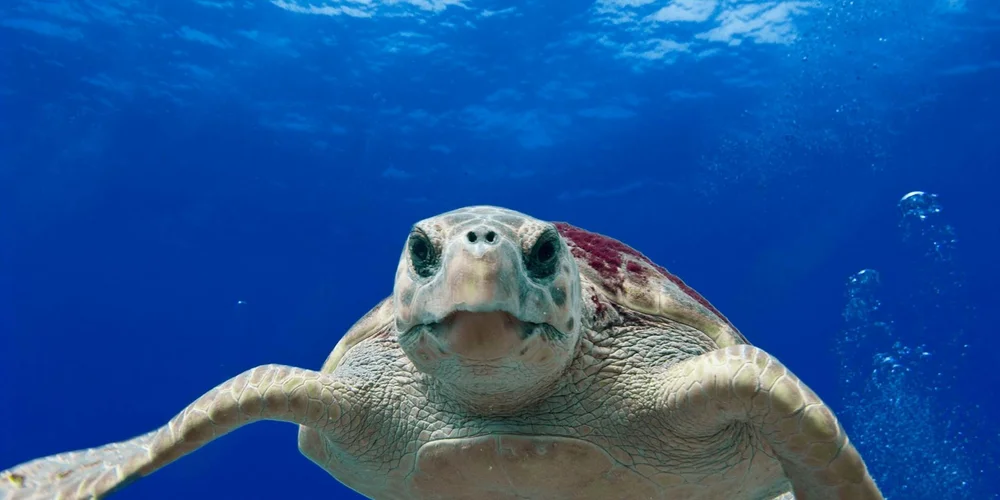
While they are air-breathers, aquatic turtles possess remarkable adaptations for extending their time beneath the surface.
These supplementary methods are what allow for those surprisingly long underwater naps.
- Cloacal Respiration: Some freshwater species can absorb oxygen directly through a specialized chamber called the cloaca.
- Cutaneous Respiration: All turtles engage in some gas exchange directly through their skin and the linings of their throat.
- Environmental Factors: Colder water holds more dissolved oxygen, enabling turtles to stay submerged longer. Warmer water accelerates their metabolism, requiring more frequent breaths.
Cloacal Respiration Explained
The cloaca is a multi-purpose opening used for excretion and reproduction, but in some turtles, it also functions like a gill.
It’s lined with highly vascularized tissues that can pull oxygen from the water.
- Water is drawn into the cloaca and over these tissues.
- Oxygen diffuses into the bloodstream while carbon dioxide is expelled.
- This process is most effective in highly oxygenated, cool water.
For the vast majority of common pet turtles, this is a secondary system.
It supplements their lung breathing but is not sufficient to keep them alive on its own. My box turtle, Orwell, utilizes this less than my fully aquatic species, but it still contributes to his overall oxygen intake during long soaks.
Cutaneous and Other Respiration Methods
A turtle’s skin itself acts as a passive respiratory surface.
Think of their skin as a giant, living membrane that constantly exchanges gases with the water.
- Oxygen molecules dissolve directly through the skin, especially in areas with a good blood supply.
- The lining of the mouth and throat also contributes to this gas exchange.
- This is a continuous, low-level process that happens whenever the turtle is submerged.
The efficiency of this system is deeply tied to their environment.
Clean, well-oxygenated water is absolutely critical for supporting these natural processes. Essential filtration systems keep turtle water clean by removing waste and maintaining steady circulation and oxygenation. Poor water quality or low oxygen levels force a turtle to surface more often, causing unnecessary stress. I always ensure my turtles’ filters are powerful and their water is pristine, not just for cleanliness, but for their very ability to breathe comfortably.
Adaptations for Underwater Respiration
- Aquatic turtles possess a dramatically reduced metabolic rate while submerged, which significantly lowers their body’s demand for oxygen.
- Their bodies are masters of efficient oxygen use, capable of extracting and utilizing a much higher percentage of oxygen from each breath compared to many other animals.
- Behavioral traits are equally crucial; turtles often enter a state of near-hibernation in cold water, moving very little to conserve energy and oxygen.
I’ve observed this firsthand with my own turtles during cooler months. Species like the painted turtle can slow their respiratory rate to a point where their heart may only beat once every several minutes, a survival superpower for icy ponds.
These three adaptations work in a beautiful, synchronized harmony. This powerful combination is what allows many aquatic turtles to remain comfortably submerged for hours, and in some cases of brumation (aquatic hibernation), even for months. For a practical, complete overview of turtle brumation and hibernation, this guide covers timing, conditions, and safety checks.
How Long Can Aquatic Turtles Stay Underwater?
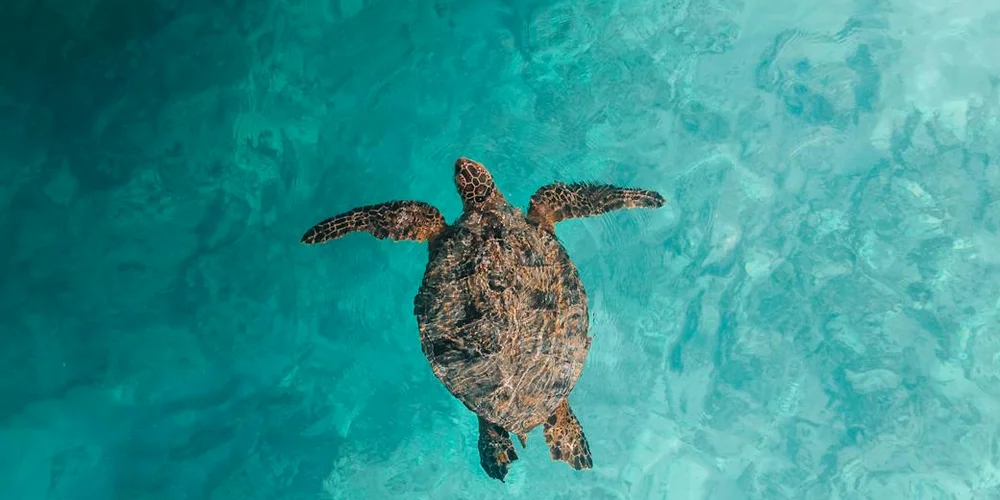
- The species is a primary factor; softshell turtles, for instance, can absorb some oxygen directly through their skin and often stay down longer.
- A turtle’s activity level directly impacts its oxygen consumption-a sleeping turtle uses far less than one actively swimming or hunting.
- Water temperature is a massive variable; cold water holds more dissolved oxygen and simultaneously slows the turtle’s metabolism.
- The available oxygen levels in the water itself also play a role, which is why proper filtration and aeration in an aquarium are non-negotiable.
From my time caring for various species, I’ve noticed distinct patterns. My red-eared sliders, for example, are typically more active and tend to surface for air every 15-20 minutes when awake and warm, whereas my more sedentary mud turtle might go 45 minutes or longer.
It’s vital to recognize when your turtle is signaling it needs air. Watch for signs like frantic swimming toward the surface, pacing at the water’s edge, or even an unusual increase in activity after a long period of stillness, as these can indicate it’s time for a vital breath. If these signs persist, or you notice other symptoms, see a veterinarian. Early veterinary guidance can help catch infections or respiratory issues early.
Comparing Aquatic and Terrestrial Turtle Breathing
Aquatic turtles are the snorkelers of the turtle world, while their terrestrial cousins are strictly land-based breathers. This fundamental difference in lifestyle has shaped their entire respiratory approach.
My Russian Tortoise, Austen, takes a simple breath of air, just like we do. Terrestrial turtles rely solely on their lungs and cannot extract oxygen from water. Their shells are generally more domed and less streamlined, built for life on land.
Aquatic turtles, however, have developed clever workarounds. They can absorb small amounts of oxygen directly from the water through specialized areas like their cloaca, essentially “breathing” through their rear end. Think of it as a built-in, low-power snorkel that supplements their main lung air supply. In turtle anatomy, the shell is a defining feature—formed by fused ribs and vertebrae and covered by scutes. This shell biology shapes their buoyancy and how they maneuver in aquatic habitats.
This is why a terrestrial turtle submerged for too long will drown, whereas an aquatic turtle can comfortably spend winter at the bottom of a pond.
Why Surfacing and Basking Are Crucial
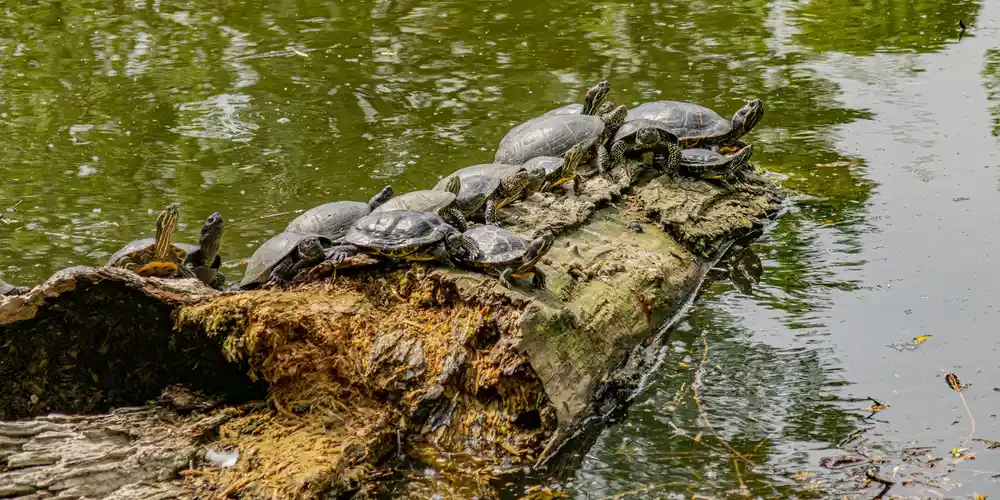
Despite their aquatic adaptations, these turtles are not fish. Surfacing for a fresh gulp of air is non-negotiable for replenishing their primary oxygen supply. It’s their chance to fully inflate their lungs and release built-up carbon dioxide.
Basking is the other half of this vital equation. By warming themselves completely out of the water, they raise their internal body temperature, which supercharges their metabolism and immune system. I’ve watched my own turtles spend hours on their platform, and it’s during this time they seem most alert and active. Understanding this behavior helps explain why they spend so much time out of the water. Basking regulates body temperature and metabolism, supporting health and daily activity.
A proper basking session helps them digest food efficiently and can even prevent fungal and bacterial infections by thoroughly drying their shell and skin.
Setting Up a Basking Area
Creating a space your turtle will actually use is easier than you might think. The goal is to mimic a sunny, comfortable riverbank right inside their tank. For a perfect basking area, include a dry, raised surface under a gentle heat source and an easy ramp for access. A well-designed basking spot helps regulate temperature and keeps shells healthy.
You will need just a few key items:
- A sturdy, easy-to-climb platform or floating dock.
- A dedicated heat lamp that creates a basking spot between 85-95°F.
- A high-quality UVB lamp placed next to the heat lamp.
Positioning is everything. Place the basking area at the tank’s end, easily accessible from the water, and ensure the platform is completely dry. Make sure the UVB and heat lights are on a consistent 12-hour daily timer to establish a natural day/night cycle that encourages regular basking behavior.
Habitat Requirements for Healthy Respiration
Creating a healthy home for your aquatic turtle goes beyond just filling a tank with water. Proper habitat setup directly supports their unique breathing needs and prevents stress on their respiratory system. I’ve learned through years of caring for my own shelled friends that neglecting these elements is the fastest way to a sick turtle.
Water Quality and Aeration
Think of your turtle’s water as the air you breathe. Dissolved oxygen is the invisible life force that keeps your turtle healthy, and it depletes quickly from waste and leftover food. I test my tanks weekly with a simple dissolved oxygen test kit, which gives me peace of mind.
To maintain high oxygen levels, I rely on two methods:
- Weekly partial water changes, replacing 25-50% of the tank water.
- A powerful air pump connected to an air stone, which creates thousands of tiny bubbles for maximum gas exchange.
Canister filters are my personal favorite for larger setups. They provide superior mechanical and biological filtration, which keeps the water crystal clear and toxin-free. A strong filter outlet agitating the water surface also significantly boosts oxygen absorption.
Temperature and Its Impact
Water temperature governs your turtle’s entire metabolism. A turtle in warmer water has a faster metabolism and a much higher demand for oxygen, just like how we breathe harder during exercise. If the water is too warm and oxygen levels are low, your pet can literally suffocate.
From my experience, most common pet aquatic turtles thrive in these ranges:
- Red-Eared Sliders: 75-80°F (24-27°C)
- Painted Turtles: 70-75°F (21-24°C)
- Mud Turtles: 72-78°F (22-26°C)
I always use a reliable submersible aquarium heater with an external thermostat for precise control. Stable temperatures prevent metabolic swings that can weaken your turtle’s immune system over time. Different aquatic turtle species have their own ideal water temperature ranges, so tailor the heater settings to your turtle’s species.
Recognizing and Addressing Respiratory Issues
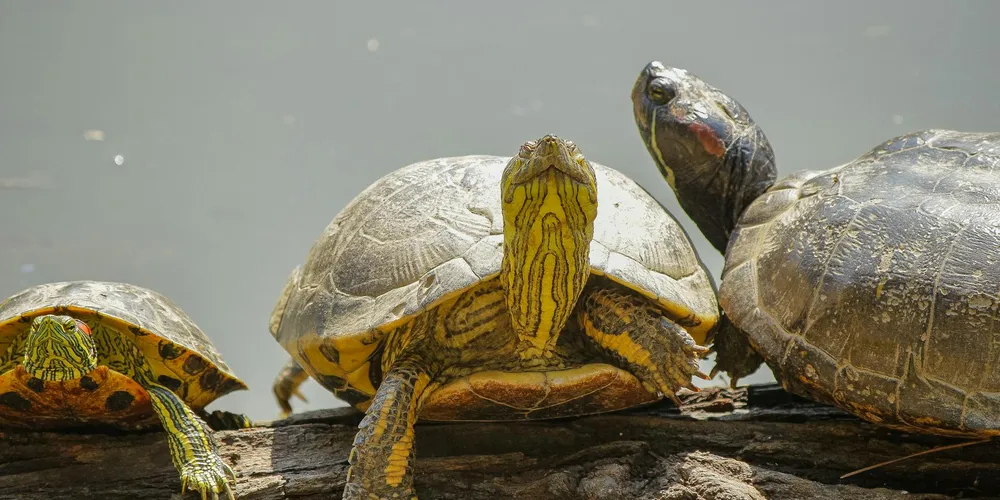
Respiratory infections are a common and serious health issue for aquatic turtles, often stemming from poor habitat conditions. Early detection is your most powerful tool for ensuring your turtle’s welfare and a full recovery. I’ve had to nurse a rescued turtle through pneumonia, and catching the signs early made all the difference. Recognizing the symptoms promptly can save your turtle’s life.
Watch for these key symptoms:
- Lethargy and loss of appetite
- Bubbles coming from the nostrils or mouth
- Wheezing, coughing, or audible breathing
- Swimming lopsided or struggling to dive
If you’re wondering how to tell if your turtle is sick, look for signs like lethargy, appetite loss, or breathing issues. If you notice any of these signs, act immediately. Your first step is a full habitat check—test the water quality, verify the temperature, and ensure the basking area is warm and dry. Isolate the sick turtle if you have a community tank.
Then, contact a reptile-experienced veterinarian without delay. Respiratory infections require prescription antibiotics and professional care; home remedies are not a substitute. Prompt veterinary attention is a non-negotiable part of responsible pet ownership and animal welfare.
FAQs
Do aquatic turtles have lungs?
Yes, aquatic turtles have lungs and rely on them as their primary breathing organ. They must surface regularly to take in air, as they cannot extract oxygen from water like fish do. There’s a surprising truth: some turtles can stay underwater longer by absorbing oxygen through their cloaca. This underwater gas exchange lets them linger below the surface between breaths.
Can aquatic turtles perform cloacal respiration?
Some aquatic turtle species can perform cloacal respiration, absorbing oxygen through a specialized chamber. This method supplements lung breathing but is not sufficient for survival on its own.
How do turtles obtain oxygen while submerged?
Turtles obtain oxygen while submerged through lung reserves and supplementary methods like cutaneous respiration through their skin. Cloacal respiration in certain species also provides minor oxygen intake from the water.
How long can an aquatic turtle stay underwater without surfacing?
The time an aquatic turtle can stay underwater varies by species, activity, and water temperature. In ideal conditions, some can remain submerged for hours, especially when resting or in cooler water.
Why do aquatic turtles need to surface to breathe?
Aquatic turtles need to surface to breathe because their lungs require air to function properly. Surfacing allows them to replenish oxygen levels and expel accumulated carbon dioxide from their bodies.
Caring for Your Turtle’s Unique Breathing Needs
From observing my own turtles like Orwell, I always ensure they have easy access to dry basking spots and clean, well-oxygenated water. Proper habitat design directly supports their ability to breathe air and stay healthy, reducing stress and preventing respiratory issues.
Committing to responsible pet ownership means continuously educating yourself on species-specific care, as I do with my tortoises Austen and Bronte. Your dedication to learning and adapting their environment is a powerful act of animal welfare that honors their natural behaviors.
Further Reading & Sources
- Cutaneous Surface Area and Bimodal Respiration in Soft-Shelled (Trionyx spiniferus), Stinkpot (Sternotherus odoratus), and Mud Turtles (Kinosternon subrubrum) | Physiological Zoology: Vol 65, No 2
- Turtle Breathing: Adaptations for Aquatic Life
- Nature curiosity: Why and how do turtles breathe with their butts? | Forest Preserve District of Will County
- Can Turtles Breathe Underwater? Surprising Truths Inside
Matthew is a dedicated turtle enthusiast and conservationist with over 15 years of experience in reptile care. Known affectionately as "The Leatherback" among his peers, he combines his passion for turtles with a commitment to educating pet owners on responsible turtle care and environmental stewardship.
Aquatic Turtles