
Turtle Tank Water Quality: Simple Testing and Maintenance Guide
Published on: December 17, 2025 | Last Updated: December 17, 2025
Written By: Matthew The
If you’re fretting over murky water or sudden health issues with your turtle, you’re not alone-I’ve been there too, watching Orwell, my box turtle, react to poor conditions.
In this article, we’ll cover water testing basics, a foolproof maintenance schedule, and easy troubleshooting steps to keep your turtle thriving.
Essential Water Tests for Your Turtle’s Home
Keeping your turtle’s water clean is like maintaining a tiny ocean-it needs balance to support life. From caring for Orwell, my box turtle, I’ve seen how even small changes in water quality can affect their energy and shell health. Regular testing helps you catch issues before they harm your pet.
- Ammonia comes from waste and uneaten food, and it’s highly toxic. It can irritate your turtle’s eyes and respiratory system. Safe level: 0 ppm.
- Nitrite is another harmful byproduct that interferes with oxygen in the blood. High levels can cause lethargy or loss of appetite. Safe level: 0 ppm.
- Nitrate is less toxic but builds up over time, leading to algae growth and stress. I aim to keep it under 20 ppm for Orwell’s semi-aquatic setup.
- pH affects how chemicals behave in the water, with extremes harming shells and skin. Most turtles thrive in a range of 6.5 to 8.0.
- Temperature influences metabolism and activity-too cold, and your turtle may become sluggish. For many species, 75-85°F works well.
- Hardness measures minerals like calcium, which are vital for strong shells. Low levels can lead to softening; aim for 100-200 ppm.
- Alkalinity acts as a buffer against pH swings, keeping the environment stable. A range of 80-120 ppm helps prevent sudden changes.
Your Weekly Water Testing Routine
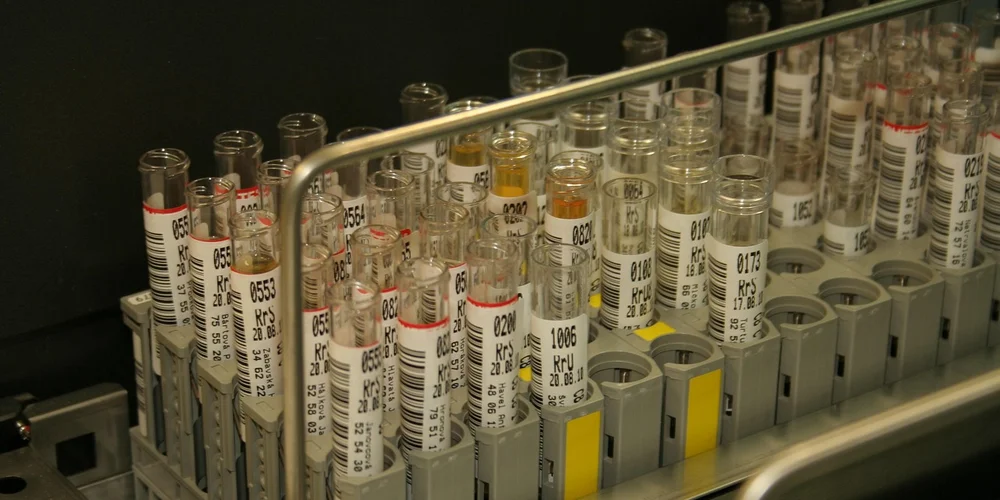
Testing water weekly is a simple habit that saves you from big headaches. I set a reminder every Sunday to check Orwell’s tank-it’s become a calming ritual that ensures his home stays safe. Follow these steps to make it quick and effective.
- Gather your test kits, a notepad, and a clean container for water samples.
- Start by testing for chlorine or chloramine in tap water before any changes. These chemicals can stress your turtle, so use a dechlorinator if detected.
- Collect a water sample from the middle of the tank, away from filters or decorations.
- Use liquid test kits for accuracy: add reagents, shake gently, and compare colors to the chart. Avoid guessing-follow kit instructions closely to get reliable results.
- Record each parameter in your log, noting any trends or spikes over time.
- If levels are off, adjust gradually-for example, do a partial water change for high nitrates.
Routine testing lets you act early, much like how I noticed Orwell’s unusual behavior once and traced it to a pH drop. Consistency is key to a healthy, happy turtle.
Setting Up Your Monthly Maintenance Schedule
-
Perform partial water changes every month, replacing 25-50% of the tank water.
This helps remove waste buildup and keeps minerals balanced.
With my box turtle Orwell, I stick to a 30% change monthly to avoid stressing him.
Consistent water changes prevent harmful toxin spikes and keep your turtle healthy.
-
Clean filter media gently each month using tank water to preserve beneficial bacteria.
Replace media like carbon pads every 3-6 months, depending on filter type.
I learned from Orwell’s setup that rinsing media in tap water can kill good bacteria.
Regular filter care ensures efficient waste breakdown and clear water.
-
Use a gravel vacuum to clean substrate without removing it entirely.
Focus on areas with visible debris, and do this during water changes.
For my turtles, I vacuum lightly to avoid disturbing their environment.
Gentle substrate cleaning reduces ammonia sources and maintains tank stability.
-
Check equipment monthly: ensure aeration pumps run quietly, UVB bulbs emit light (replace every 6-12 months), and basking lamps provide steady heat.
Test temperatures with a reliable thermometer.
I always feel the warmth from Bronte’s basking spot to confirm it’s just right.
Routine equipment checks prevent failures that could harm your turtle’s health.
Understanding Your Tank’s Nitrogen Cycle

-
Beneficial bacteria in your biofilter convert toxic ammonia into less harmful nitrates.
These microbes colonize surfaces like filter media and gravel.
In Orwell’s tank, I noticed clearer water once the bacteria established.
A healthy biofilter acts as a natural cleaner, breaking down waste safely.
-
Assess cycling status with a water test kit, measuring ammonia, nitrite, and nitrate levels.
Aim for zero ammonia and nitrite, with low nitrates.
I test monthly and keep a log to track changes over time.
Regular testing gives you a clear picture of your tank’s biological balance.
-
Signs of incomplete cycling include persistent ammonia spikes, cloudy water, or lethargic turtles.
You might see your turtle avoiding the water or acting stressed.
With Austen, I once spotted these signs and adjusted feeding to help the cycle catch up.
Recognizing incomplete cycling early allows you to take corrective action and protect your pet.
Quick Fixes for Common Water Quality Issues
When your turtle’s water tests show high ammonia, nitrite, or nitrate, act fast to prevent harm. High ammonia often stems from waste buildup or overfeeding, so start with a 25-50% water change to dilute toxins immediately. For beginners, understanding the nitrogen cycle—how ammonia is converted to nitrite and then to nitrate by beneficial bacteria—helps you prevent spikes before they harm your turtle. In a turtle tank, this cycling is the foundation of stability. I’ve seen this with Orwell’s tank; reducing his food portions and adding beneficial bacteria supplements kept levels stable. For nitrite spikes, ensure your filter is clean and cycled properly—consistent partial water changes help here too. Nitrate issues usually mean it’s time for more frequent water changes or adding live plants to absorb excess.
Solutions for High Ammonia, Nitrite, or Nitrate
- Perform a 25-50% water change right away to lower concentrations.
- Check and clean the filter media without replacing it entirely to preserve good bacteria.
- Cut back on feeding to reduce waste; turtles like Austen only need small, measured meals.
- Add a bacterial starter if the tank is new or after cleaning to speed up biological filtration.
Adjusting pH and hardness requires gentle steps to avoid shocking your turtle. For low pH, use a commercial pH increaser sparingly, or add crushed coral to the filter for a natural boost over time. In Bronte’s setup, I’ve used driftwood to slightly lower pH when needed, but test weekly to track changes. Hardness adjustments might involve mixing tap water with reverse osmosis water; aim for stability rather than perfect numbers, as sudden shifts stress turtles. This approach is in line with the ultimate guide to water conditioners for turtle tanks. For a deeper dive, the guide covers recommended products, testing frequency, and routine maintenance.
Adjusting pH and Hardness Levels
- Raise pH slowly with crushed coral or a pH-up product, monitoring with a test kit.
- Lower pH by adding almond leaves or driftwood, which release tannins safely.
- Adjust general hardness by blending water sources or using conditioners designed for mineral balance.
- Avoid drastic changes-turtles like Orwell thrive in consistent environments.
Water conditioners and dechlorinators are non-negotiable for tap water additions. Always use a conditioner when refilling the tank to neutralize chlorine and chloramines, which can damage gills and skin. I make it a habit with every water change for Austen and Bronte, ensuring their water is safe instantly. Reserve specialty conditioners for emergencies, like after medication treatments, to restore water quality without chemicals overwhelming the system.
When to Use Water Conditioners and Dechlorinators
- Apply conditioner every time you add new water to the tank, even for top-offs.
- Use dechlorinators during routine water changes to protect your turtle’s delicate membranes.
- Opt for ammonia-neutralizing conditioners if levels spike unexpectedly after cleaning.
- Skip them only if using pre-treated or filtered water to avoid unnecessary additives.
Recognizing Signs of Poor Water Quality
Your turtle’s behavior often shouts when the water is off. Watch for lethargy or refusal to eat-these were early warnings I noticed in Orwell before a nitrate issue escalated. If you’re wondering how to tell if your turtle is sick, these signs are exactly what to look for. Early detection makes treatment easier and can prevent escalation. They might bask excessively or avoid the water entirely, signaling discomfort. Active turtles like Bronte suddenly hiding or acting skittish mean it’s time to test the water; addressing this quickly prevents long-term health problems and supports their well-being.
List Behavioral Changes in Turtles
- Reduced appetite or ignoring food during feeding times.
- Increased basking or staying out of the water for prolonged periods.
- Erratic swimming, like rubbing against tank walls or objects.
- Unusual aggression or hiding, which I’ve seen in Austen during pH fluctuations.
Physical signs of water stress can appear on the shell, skin, or eyes. Shell rot or soft spots often indicate prolonged exposure to dirty water, requiring immediate cleaning and vet care. Cloudy eyes or skin lesions are red flags; in my care, Bronte once developed slight eye cloudiness from high ammonia, which cleared up with better filtration. Regular checks help spot these early, ensuring your turtle stays healthy and vibrant. For a comprehensive, step-by-step guide, see the ultimate turtle health troubleshooting checklist from Shell Tail. It compiles water-quality checks, symptom notes, and care actions into one go-to resource to help you act quickly when issues arise.
Physical Signs of Water Stress
- Shell abnormalities: discoloration, pitting, or soft areas.
- Skin issues: redness, sores, or excessive shedding.
- Eye problems: cloudiness, swelling, or frequent rubbing.
- Respiratory distress: gasping at the surface or mucus around the mouth.
Visual cues in the tank itself offer clear hints about water quality. Cloudy or murky water usually points to bacterial blooms or debris buildup, urging a filter check and water change. A strong, foul odor or excessive algae growth means nutrients are out of balance; I’ve tackled this in Orwell’s tank by adjusting lighting and cleaning schedules. Clear, odorless water is the goal-it should look inviting, not alarming.
Visual Cues in Tank Water Appearance
- Cloudiness: often from uneaten food or waste, requiring filtration improvement.
- Green tint: indicates algae overgrowth, so reduce light exposure and clean surfaces.
- Floating particles: suggest inadequate filtration or need for vacuuming the substrate.
- Oily film on surface: usually from lipids or bacteria, fixed with surface agitation or a water change.
Equipment Care for Consistent Water Quality
-
Filter maintenance keeps your turtle’s water clean and safe.
Clean mechanical filter media every two weeks to remove debris.
Replace chemical media like carbon every month to prevent toxin buildup.
From my time with Orwell, my box turtle, I learned that a clogged filter can spike ammonia levels overnight, so I stick to a strict schedule.
-
UV lighting supports shell health and water clarity by controlling algae.
Replace UVB bulbs every six months, as their output fades even if they still light up.
Position the light no more than 12 inches above the basking area for effectiveness.
When Bronte’s shell started softening, I realized her UV light was outdated, and replacing it made a visible difference in weeks.
-
Heater and thermometer checks prevent dangerous temperature swings.
Test your heater daily by feeling the water and comparing it to the thermometer reading.
Calibrate thermometers monthly with a separate device to ensure accuracy.
I once caught a heater malfunction early because Austen’s usual steady pace slowed-prompt checks saved him from stress.
-
Aeration system maintenance oxygenates water and reduces odors.
Clean air stones weekly by rinsing them in tank water to unclog pores.
Inspect air pumps monthly for unusual noises or reduced airflow.
Regular aeration upkeep keeps the water feeling fresh, much like a gentle ocean breeze, and my turtles stay active and healthy. Essential filtration systems keep turtle water clean by removing waste and debris. Together, aeration and filtration keep the tank balanced and safe for long-term health.
Creating Your Personal Maintenance Calendar
-
Sample weekly and monthly schedules simplify your routine.
Weekly tasks include a 25% water change, ammonia and pH testing, and filter inspection.
Monthly duties involve a full filter clean, equipment checks, and nitrate level assessments.
I use a basic calendar: Sundays for water tests and Wednesdays for quick equipment glances-it becomes second nature over time.
-
Adjusting for tank size and turtle load tailors care to your setup.
Small tanks under 20 gallons need weekly 50% water changes; larger ones can go two weeks.
Heavy turtle loads-like multiple adults-demand more frequent filter cleanings to handle waste.
With Bronte and Austen sharing space, I doubled my filter maintenance to keep their water pristine and avoid overload.
-
Tracking test results over time spots trends before issues arise.
Log readings in a notebook or app, noting dates and any changes in turtle behavior.
Review logs monthly to catch patterns, like rising nitrates before they harm shell health.
My records showed Orwell’s tank pH dipped in winter, so I now adjust buffers seasonally-it’s a simple step that prevents big problems.
FAQs
How often should ammonia be tested in a turtle tank?
Test ammonia levels weekly to detect any harmful spikes from waste or overfeeding. Regular checks help maintain a safe environment and prevent respiratory issues in turtles. This routine is a key part of the essential turtle tank setup and the complete daily, weekly, monthly care guide.
How to test nitrite levels in a turtle tank?
Use a liquid nitrite test kit by mixing a water sample with the provided reagents. Compare the color result to the chart to determine if levels are within the safe range of 0 ppm.
How to test nitrate levels in a turtle tank?
Apply a nitrate test kit by combining the water sample with specific chemicals and shaking gently. Read the color change against the guide to ensure nitrates stay below 20 ppm for turtle health. Integrate this test into your ultimate turtle habitat cleaning schedule by testing weekly and coordinating partial water changes as needed. Keep a short log to track nitrate trends and schedule future cleanings.
How to test water hardness for a turtle tank?
Employ a general hardness (GH) test kit to measure calcium and magnesium concentrations. Follow the instructions to get a reading, aiming for 100-200 ppm to support strong shell development.
How to perform a water test kit calibration for a turtle tank?
Calibrate kits periodically using manufacturer-provided calibration solutions or a reference standard. This verifies accuracy and ensures reliable monitoring of water parameters over time.
Your Turtle’s Health Starts with Clean Water
Consistent weekly water testing and partial water changes are your most powerful tools for a healthy habitat. Sticking to a simple, scheduled routine prevents the vast majority of common water quality issues before they can harm your turtle. Regularly checking essential water quality parameters—ammonia, nitrite, nitrate, pH, and temperature—helps confirm your turtle’s tank is healthy. When these values stay within safe ranges, your turtle thrives in a stable environment.
Caring for a turtle is a long-term commitment to learning and adapting as their needs evolve. Your dedication to understanding their aquatic world is the greatest gift you can give your shelled companion for a long, vibrant life. This is part of our care aquatic turtles essential guide, with tips on habitats, diets, and enrichment for both land and water lovers. Learn how to balance land and water needs for a thriving turtle.
Further Reading & Sources
- How To Check The Water Quality In Your Turtle Tank
- How to Check the Water Quality in Your Turtle Tank | PetMD
- Keeping the Water in Your Turtle Tank Clean
- How do I keep my turtle’s tank healthy? – RSPCA Knowledgebase
Matthew is a dedicated turtle enthusiast and conservationist with over 15 years of experience in reptile care. Known affectionately as "The Leatherback" among his peers, he combines his passion for turtles with a commitment to educating pet owners on responsible turtle care and environmental stewardship.
Water Quality