
Essential Water Quality Parameters for a Healthy Turtle Tank
Published on: December 21, 2025 | Last Updated: December 21, 2025
Written By: Matthew The
Are you staring at cloudy water or fearing sudden health issues in your turtle? I’ve faced those same worries with my own turtles, Austen, Bronte, and Orwell, and I can assure you that pristine water is the foundation of their vitality.
We’ll dive into pH, ammonia, nitrite, nitrate, temperature, and water hardness-key factors to monitor for a safe, happy home.
The Foundation of Turtle Wellness: Your Water’s Vital Signs
Think of your turtle’s water not just as a place to swim, but as the very air they breathe. Every sip they take, every bite of food, happens in this aquatic environment, making its quality the single most important factor in their long-term health. I learned this the hard way with my Russian tortoise, Austen, who developed a minor shell issue years ago that traced directly back to my inattention to water parameters.
Getting the water right isn’t about perfection, but about maintaining a stable, healthy balance. You are the steward of this miniature ecosystem.
Key Parameters to Test Regularly
- Ammonia: This is the most immediate danger, a toxic waste product.
- Nitrite: The second stage of the cycle, also highly toxic to your turtle.
- Nitrate: The final product; high levels signal it’s time for a water change.
- pH Level: Turtles generally thrive in neutral to slightly alkaline water.
- Water Hardness: Minerals in the water are essential for shell health.
Navigating the Nitrogen Cycle: Ammonia, Nitrite and Nitrate
This invisible process is the engine room of your tank’s health. The nitrogen cycle is a natural filtration system where beneficial bacteria convert harmful waste into less harmful substances. When my box turtle, Orwell, was new, I rushed his tank setup and faced the dreaded “new tank syndrome,” a crash course in why this cycle matters.
Here is the simple breakdown of what happens in a well-established tank.
- Your turtle produces waste and uneaten food decays, releasing Ammonia.
- Beneficial bacteria (Nitrosomonas) consume the ammonia and convert it into Nitrite.
- A second set of bacteria (Nitrobacter) then consumes the nitrite and converts it into Nitrate.
Understanding the Dangers
- Ammonia and Nitrite: Both are poisonous, causing burns, respiratory distress, and a suppressed immune system. Their presence should always be zero.
- Nitrate: This is far less toxic, but it accumulates over time. High nitrate levels are a primary cause of algae blooms and can slowly stress your turtle, making them prone to illness.
You manage this cycle through partial water changes, a good filter, and not overstocking or overfeeding. Set a regular turtle tank water quality testing maintenance schedule: test weekly, log results, and adjust as needed. Testing your water weekly with a liquid test kit is non-negotiable. It’s the only way to see the invisible world your turtle lives in.
Balancing Act: pH, Hardness and Mineral Content
Think of your turtle’s water as their personal atmosphere. The pH level is the fundamental measure of how acidic or alkaline that atmosphere is, and getting it wrong can cause serious health issues over time. I learned this the hard way with my Russian tortoise, Austen, who became lethargic when my tap water’s pH was a bit too low.
Most turtles thrive in neutral to slightly alkaline water. A pH between 7.0 and 8.0 is usually the sweet spot.
- Test Weekly: Use a reliable liquid test kit, not just strips, for accuracy.
- Lowering pH: Driftwood and Indian Almond Leaves release tannins that gently acidify water.
- Raising pH: Adding crushed coral or limestone to your filter will steadily increase alkalinity.
Water hardness, often overlooked, is vital for shell integrity. General hardness (GH) measures calcium and magnesium, minerals that are literally building blocks for a strong, healthy shell. Soft water can lead to shell softening and deformities, a heartbreaking sight for any owner.
My Greek tortoise, Bronte, has a beautifully solid shell, and I credit consistent mineral content. Aim for moderately hard water.
- Monitor GH with your test kit.
- Use calcium blocks designed for reptiles.
- Ensure a cuttlebone is always available in the tank for them to nibble on.
Breathing Easy: Dissolved Oxygen and Gas Exchange
Your turtle breathes air, but the water itself needs to “breathe” too. Dissolved oxygen is the invisible life force that sustains the beneficial bacteria in your filter and helps break down waste. Stagnant, low-oxygen water becomes a toxic soup, stressing your turtle and compromising the entire ecosystem of the tank.
Surface agitation is the key. It’s that simple. The movement where water meets air allows for vital gas exchange.
- Position your filter output so it ripples the water’s surface.
- Add an air stone connected to an air pump; the bubbles are less about the air inside them and more about the water movement they create.
- Ensure your tank isn’t overly crowded with decorations that block surface flow.
Temperature’s Role in Oxygen Saturation
Here’s a critical piece of the puzzle that many miss. Warmer water physically cannot hold as much dissolved oxygen as cooler water. This creates a delicate balancing act, as we need warm water for our turtle’s metabolism but must also ensure they have enough oxygen to thrive.
My box turtle, Orwell, taught me to be meticulous about this. His tank runs a bit cooler than my aquatic setups, which helps maintain oxygen levels.
- Keep your water heater calibrated and at the appropriate species-specific temperature.
- If your tank runs warm, increase surface agitation to compensate.
- Avoid letting water temperatures creep into the high 80s (Fahrenheit) for extended periods.
Clear Waters: Managing Turbidity and Total Dissolved Solids
Cloudy water in your turtle’s tank isn’t just an eyesore-it signals potential health risks from suspended particles blocking light and harboring bacteria. Turbidity makes it harder for your turtle to see and can stress them out, much like how murky pond water would affect wild turtles. I noticed this with Orwell’s setup; when his water looked hazy, he became less active and more hesitant to eat.
Total Dissolved Solids (TDS) measure all the invisible minerals, salts, and organic matter dissolved in the water. High TDS levels can irritate your turtle’s skin and shell, leading to infections or shedding issues over time. For semi-aquatic turtles like Orwell, keeping TDS in check helps mimic their natural habitat and supports overall well-being.
Filtration Systems That Actually Work
Choosing the right filter is like picking a reliable friend for your turtle—it needs to handle waste consistently. A good filtration system combines mechanical, chemical, and biological methods to clear debris and break down harmful toxins. In turtle habitats, people compare canister vs internal filters to balance space, maintenance, and flow. Knowing how they stack up helps you pick the best fit. I’ve found that canister filters work wonders for larger tanks, as they offer multi-stage cleaning without frequent changes.
Here’s a simple breakdown of filter types based on my experience:
- Mechanical filters trap solid waste like leftover food and feces.
- Chemical filters use activated carbon to remove odors and dissolved impurities.
- Biological filters rely on beneficial bacteria to convert ammonia into safer compounds.
Maintain your filter by rinsing media in tank water monthly to preserve bacteria. Neglecting filter care can spike ammonia levels, putting your turtle at risk for respiratory problems or shell rot. With Bronte’s gentle nature, I learned that a quiet, efficient filter reduces stress and keeps her environment pristine. This routine is central to the essential turtle tank setup and the complete daily, weekly, monthly care guide. Following it consistently helps ensure long-term health and stable water conditions for your turtle.
Testing and Monitoring: Your Water Quality Toolkit
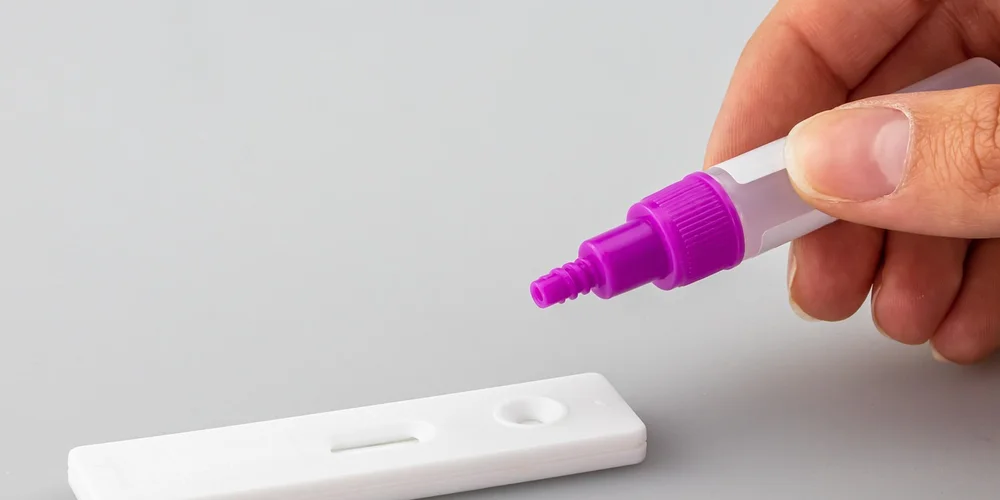
Regular testing is your best defense against hidden water issues that could harm your turtle. Think of it as a health check-up for their home, catching problems before they become emergencies. I test Austen’s water weekly because even small changes in clarity or smell can indicate bigger imbalances. It’s also important to have proper filtration systems in place to ensure the water stays clean between tests.
Invest in a reliable test kit that covers key parameters like pH, ammonia, nitrite, and nitrate. Digital testers or liquid kits give accurate readings and help you track trends over time. For animal welfare, consistent monitoring prevents avoidable illnesses and ensures your turtle thrives in a clean, safe space.
When to Test and What the Results Mean
Test your water at least once a week, and after any major tank changes like adding new decor or turtles. Immediate testing after feeding or cleaning helps you spot sudden shifts in water chemistry. I always check Orwell’s tank on Sundays-it’s become a calming routine that keeps his habitat stable.
Here’s what common results indicate:
- Ammonia above 0 ppm: Signals poor filtration or overfeeding; can cause burns or lethargy.
- Nitrite spikes: Mean beneficial bacteria aren’t fully established; leads to oxygen deprivation.
- pH outside 6.5-8.5: Stresses turtles’ immune systems; adjust slowly with buffers.
If levels are off, perform a partial water change and retest in 24 hours. Interpreting results quickly lets you act fast, much like how I adjusted Bronte’s tank when nitrites rose, preventing potential health declines. Trust your instincts-if something seems off, test it out.
Tank Setup Elements That Support Water Quality
Choosing the Right Home: Tank Size and Water Volume
Think of your turtle’s tank as a miniature ecosystem. A larger volume of water is your single best tool for maintaining stable, healthy conditions. My Russian tortoise, Austen, taught me this early on. In a small tank, waste builds up rapidly, creating a toxic environment almost overnight.
I recommend a minimum of 10 gallons of water per inch of your turtle’s shell length. For an adult Red-Eared Slider, that often means a 75 to 125-gallon tank. More water dilutes waste products like ammonia, giving your filtration system a fighting chance and reducing the frequency of water changes. A cramped tank is a constant battle; a spacious one is a manageable, thriving habitat. Choosing the right tank is essential for your turtle’s health and happiness.
The Basking Zone: More Than Just a Dry Spot
The basking area is the cornerstone of your turtle’s health and, indirectly, your water quality. My Greek tortoise, Bronte, spends hours there daily, and it’s not just for relaxation. A proper basking spot allows your turtle to dry its shell and skin completely, which is vital for preventing fungal and bacterial infections. These infections can quickly degrade water quality. To create the perfect basking area for your aquatic turtle, ensure a dry, accessible platform with a gentle ramp above the water. Keep it warm and well-lit to invite regular basking and support shell health.
Your setup needs two key elements:
- A Heat Lamp: The basking platform surface should be a consistent 90-95°F. This warmth aids their digestion and overall metabolism.
- A UVB Lamp: This is non-negotiable. UVB light enables turtles to synthesize vitamin D3, which is essential for metabolizing calcium and building a strong shell.
A turtle that cannot bask properly will become stressed and sick, and a sick turtle in the water is a direct assault on your tank’s delicate balance. Ensure the platform is sturdy, easy to climb onto, and large enough for your turtle to sprawl out comfortably.
Common Water Quality Issues and Practical Solutions
Even with a perfect setup, problems can arise. Recognizing them early is the key to a quick and easy fix.
Cloudy Water: The Two Culprits
Cloudy water is a common alarm bell, but it points to two very different issues.
- White, Milky Cloudiness: This is often a “bacterial bloom” in a new tank or after a deep clean. Beneficial bacteria are multiplying rapidly to establish the nitrogen cycle. The solution is patience; let your filter do its work, and it should clear within a few days.
- Green Cloudiness: This is an algae bloom, usually caused by too much light or an excess of nutrients (nitrates) in the water. Reduce the tank’s exposure to direct sunlight, cut back on lighting hours to 8-10 per day, and ensure you’re not overfeeding. A partial water change will provide immediate relief.
The Invisible Killer: Ammonia and Nitrite Spikes
You can’t always see the most dangerous problems. Ammonia and nitrite are highly toxic, even in small amounts.
If your turtle is lethargic, has puffy eyes, or refuses to eat, test your water immediately for ammonia. A spike often occurs from overfeeding, a dirty filter, or a tank that is too small. My box turtle, Orwell, once gave me a scare after I overdid it with the worms. The immediate fix is a 25-50% water change and a thorough cleaning of any waste from the tank bottom. Check that your filter is running properly and isn’t clogged.
Foul Odors and Surface Film
A healthy turtle tank should have a mild, earthy smell, not a foul one. A persistent bad odor typically means waste is accumulating and decaying somewhere out of sight.
You might also see a greasy film on the water’s surface. This film prevents proper gas exchange, meaning oxygen can’t get in and carbon dioxide can’t get out. It’s often caused by proteins from food and waste. Improving surface agitation with a filter outflow pointed at the surface or an air stone will break up the film and increase oxygen levels. This simple step makes a world of difference for your turtle’s respiration and the water’s vitality.
FAQs
What is the recommended tank size for a turtle by species?
For most aquatic turtles, provide at least 10 gallons of water per inch of shell length. Larger species like Red-Eared Sliders often require 75-125 gallon tanks as adults to thrive. For more specific information on their care requirements, check out this guide on caring for Red-Eared Sliders.
What is the ideal water temperature for aquatic turtles?
Maintain water temperatures between 75-85°F, varying by species for optimal health. Use an adjustable aquarium heater to keep the temperature stable and prevent stress.
How deep should the water be for aquatic turtles?
Water depth should allow turtles to swim and submerge fully, typically 1.5 to 2 times their shell length. Ensure they can easily reach the surface to breathe without struggle.
What substrate is safe for turtle tanks?
Avoid small gravel to prevent ingestion; opt for large, smooth stones or bare-bottom setups. Fine sand is also safe if it’s not easily swallowed and is kept clean.
Are live plants suitable in turtle tanks and which types are safe?
Live plants can improve water quality but may be eaten; choose hardy, non-toxic varieties like Java Fern or Anubias. In live plants in turtle habitats, these benefits help create a healthier, more natural environment. Secure plants well to avoid uprooting by active turtles.
Caring for Your Aquatic Companion
Focus on regular testing for ammonia, nitrite, and nitrate to keep toxins at bay. Stable pH and proper temperature create a foundation for your turtle’s vitality and well-being.
Responsible ownership means committing to their long-term health through consistent care and learning. Embrace the journey of understanding their needs, as I have with my own turtles, to ensure a thriving, happy life together.
Further Reading & Sources
- How To Check The Water Quality In Your Turtle Tank
- How to Check the Water Quality in Your Turtle Tank | PetMD
- Keeping the Water in Your Turtle Tank Clean
- How do I keep my turtle’s tank healthy? – RSPCA Knowledgebase
Matthew is a dedicated turtle enthusiast and conservationist with over 15 years of experience in reptile care. Known affectionately as "The Leatherback" among his peers, he combines his passion for turtles with a commitment to educating pet owners on responsible turtle care and environmental stewardship.
Water Quality