
How Long Can Pet Turtles Survive Without Food
If you’ve ever worried about missing a feeding day or need to travel, you’re likely wondering just how long your pet turtle can safely go without food. It’s a common and completely valid concern for any responsible turtle owner.
In this guide, we’ll cover the key survival factors | how different species and ages cope | underlying health conditions | and safe fasting guidelines. Drawing from my years of caring for my own shelled companions, I’ll help you understand their unique needs.
Understanding Turtle Starvation Survival
A turtle’s ability to survive without food is rooted in its incredibly slow metabolism. Their bodies are designed for efficiency, using stored energy reserves at a very gradual pace. Think of it like a car that gets hundreds of miles to the gallon; they don’t need constant refueling to keep going.
My Russian Tortoise, Austen, once went nearly three weeks without showing interest in food during a cooler period. This personal observation taught me that a healthy turtle’s reserves are far deeper than we often assume. It was a powerful lesson in trusting their natural biological rhythms.
Aquatic vs. Land Turtle Survival
The environment makes a significant difference in how long a turtle can last.
- Aquatic Turtles: Generally have faster metabolisms and may begin to show signs of distress after a few weeks without food.
- Land Tortoises: Like my Greek Tortoise, Bronte, are built for scarcity. They can often survive for several months, relying on fat stores and a profoundly slow metabolic rate.
The Critical Role of Temperature
Temperature is the master switch for a turtle’s hunger and metabolism. In cooler conditions, their digestive system slows to a near standstill, drastically extending the time they can go without a meal. A turtle kept at 60°F (15°C) can fast much longer than one kept at a balmy 80°F (27°C).
Factors That Influence Hunger Duration
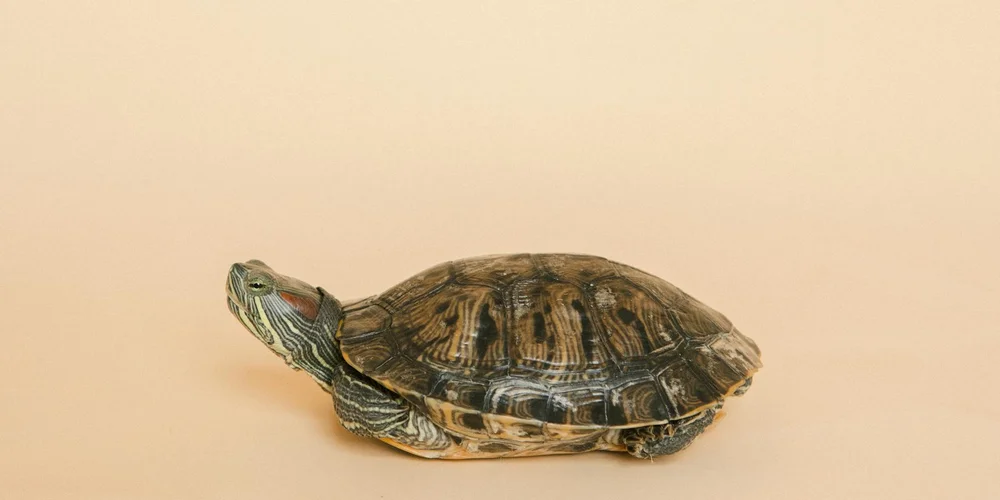
It’s never just one thing. A turtle’s fasting ability is a complex interplay of several key elements.
- Species: A large, adult tortoise will outlast a young, small aquatic turtle every time.
- Age & Health: Juveniles need constant fuel for growth, while a robust, mature turtle has substantial reserves. An ill turtle has no reserves to draw upon.
- Environmental Conditions: This includes temperature, lighting, and the overall stability of their habitat.
Seasonal Fasting and Brumation
Many turtles have a built-in seasonal clock. Brumation, a reptile’s version of hibernation, is a natural period of fasting and lowered activity, typically triggered by shorter days and cooler temperatures. My box turtle, Orwell, becomes noticeably less active and eats very little for weeks during the late fall. This is a healthy, instinctual behavior, not a cause for panic.
Stress and Its Impact on Appetite
A stressed turtle is often a turtle that won’t eat. Sudden environmental changes, loud noises, or improper handling can cause a turtle to refuse food for surprisingly long periods. If you’re unsure, look for other stress signs such as lethargy or hiding. If in doubt, seek help from a reptile vet. Always ensure their home is a peaceful, secure sanctuary to support a healthy appetite.
The Overlooked Importance of Hydration
While a turtle can survive a long time without food, dehydration is a far more immediate threat. Access to fresh, clean water is non-negotiable, even during a voluntary fast. A turtle can use its energy stores, but it cannot create water from nothing. Proper hydration supports organ function and helps process the remaining energy in their system.
Species-Specific Survival Timelines
Not all turtles possess the same fasting abilities. Their survival without food depends heavily on species, age, and overall health.
Common Pet Turtle Species Comparison
| Species | Typical Survival Without Food (Healthy Adult) | Key Factors Influencing Duration |
|---|---|---|
| Red-Eared Slider | Several weeks to a few months | Water temperature, body fat reserves, activity level |
| Box Turtle | Up to several months | Season, ability to enter a torpor-like state, hydration |
| Russian Tortoise | Several weeks | Ambient temperature, pre-fasting body condition, access to water |
| Greek Tortoise | Several weeks | Similar to Russian Tortoise, but can be influenced by seasonal brumation instincts |
Red-Eared Slider Fasting Capabilities
Red-eared sliders are surprisingly resilient. In a cool, quiet environment where their metabolism slows, a healthy adult can go weeks without a meal.
Their aquatic nature provides a slight buffer, as they can sometimes absorb minimal nutrients from their environment.
I’ve observed that younger sliders, with faster metabolisms, need food much more frequently than mature adults.
Box Turtle Survival Without Food
My box turtle, Orwell, has taught me a lot about patience and survival. Box turtles are masters of energy conservation.
They can drastically reduce their activity and metabolic rate, allowing them to survive for extended periods without food, especially if conditions mimic a natural off-season.
This adaptation is a holdover from their wild instincts to endure seasonal scarcity.
Tortoise Species Differences
My tortoises, Austen and Bronte, have different tolerances despite both being hardy species. A tortoise’s survival is tightly linked to its environment.
A warm habitat will increase their metabolic demand, shortening the time they can safely go without food.
Providing constant access to fresh water is non-negotiable for tortoises during any fasting period, as dehydration is a far greater immediate threat than starvation.
Recognizing Signs of Starvation
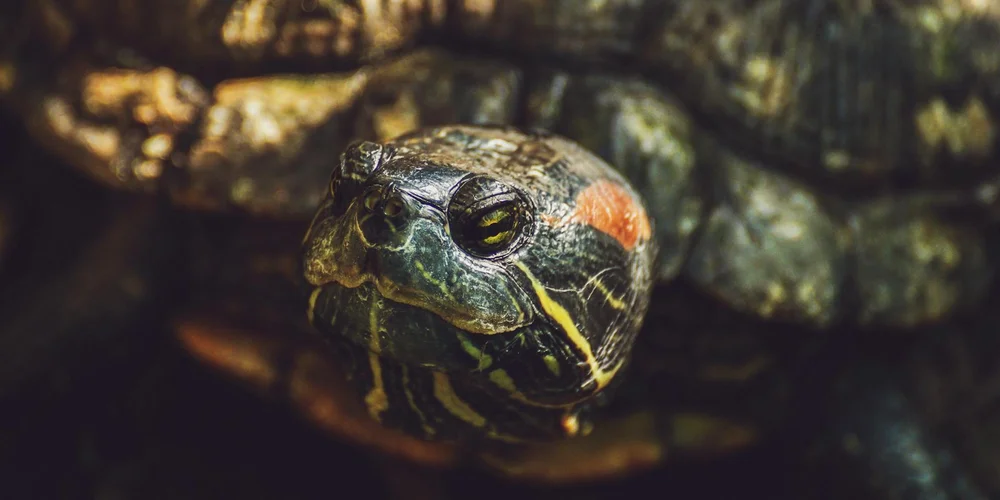
Knowing the difference between a turtle skipping a meal and one in genuine distress is a critical skill for any owner.
Physical Symptoms
- Pronounced Weight Loss: The most obvious sign. Their body may feel lighter, and limbs might appear thinner.
- Sunken Eyes: Eyes that appear recessed into the skull often indicate severe dehydration and emaciation.
- Lethargy and Weakness: A general lack of movement or inability to support their own body weight properly.
- Loss of muscle mass around the legs and neck.
Behavioral Changes Indicating Hunger Stress
A hungry turtle often becomes a very active turtle-for a while. You might see increased pacing, frantic swimming, or constant digging.
This hyperactivity can be a sign of hunger stress as they search for resources.
This eventually gives way to the lethargy mentioned above as their energy reserves deplete. A lack of interest in food that they normally relish is a major red flag.
How to Monitor Weight Effectively
I use a simple kitchen scale to track my turtles’ weight every few weeks. It’s the most objective way to spot a problem early.
- Find a small, sturdy container that your turtle fits in comfortably.
- Place the container on the scale and “tare” it to zero.
- Gently place your turtle inside and record the weight.
- Keep a simple logbook with dates and weights to track trends over time.
Regular, gentle weighing creates a baseline so you can detect concerning weight loss before it becomes severe.
Differentiating Between Starvation and Illness
This is where it gets tricky. Many illness symptoms mirror starvation signs. A turtle not eating is often the first indicator of sickness, not the cause.
Look for other clues. Is there nasal discharge, swollen eyes, or labored breathing? Is the turtle buoyant or listing to one side in the water?
Starvation is typically a slow process, while illness can cause a rapid decline in both appetite and overall condition. When in doubt, a reptile veterinarian can provide a definitive diagnosis.
Health Risks of Prolonged Fasting
When a turtle stops eating, its body begins to consume its own resources for energy, starting a dangerous internal process. This self-cannibalization doesn’t just burn fat reserves; it begins to break down vital muscle tissue, including the heart.
Organ Damage and Immune System Weakening
The liver is one of the first organs to suffer under the strain of a prolonged fast. My Russian tortoise, Austen, once went through a stressful period of inappetence, and my vet explained that his liver was working overtime converting stored fats into energy, risking hepatic lipidosis. This condition can permanently scar the liver and lead to complete organ failure.
- Muscle wasting, including crucial cardiac muscle, weakening the entire circulatory system.
- Liver damage from processing internal fat stores under duress, potentially causing irreversible harm.
- A severely compromised immune system, leaving your turtle vulnerable to infections they would normally fight off with ease.
Dehydration Complications
Many owners don’t realize that turtles get a significant portion of their water intake from their food, especially fresh greens and vegetables. Without this dietary moisture, dehydration sets in rapidly, thickening the blood and putting immense strain on the kidneys. Do turtles need water to survive? They do—regular access to clean water is essential for hydration, even if they draw much moisture from their food. I’ve seen my Greek tortoise, Bronte, become lethargic and sunken-eyed from just a short period of not eating her watery cucumbers and lettuces.
- Kidney failure from the body’s inability to process waste without adequate water.
- Gout, a painful condition where uric acid crystals form in the joints and organs.
- Impaction, as a dehydrated digestive tract cannot move material through, creating a dangerous blockage.
Long-Term Metabolic Consequences
Even if a turtle survives a long fast, the metabolic fallout can haunt them for years. Their metabolism can slow to a crawl, making it incredibly difficult to return to a healthy weight and digestive rhythm. It’s like their body’s internal furnace turns down to a pilot light, and stoking it back to a healthy flame is a slow, careful process. As turtles age, their metabolic rebound can falter. This connection helps explain how aging influences turtle longevity.
- A permanently altered, slower metabolism that predisposes the turtle to future health issues.
- Developmental problems in young turtles, including metabolic bone disease from missed nutrients.
- Long-term digestive sensitivity and a finicky appetite that is hard to manage.
Veterinary Guidance on Risk Thresholds
Based on countless conversations with my exotic vet, the risk escalates from concern to emergency at specific points. For an adult, otherwise healthy turtle, any period beyond two weeks without food warrants an immediate veterinary visit. For juveniles, hatchlings, or turtles already underweight, that timeline shrinks to just a few days. They simply don’t have the reserves to sustain themselves.
Emergency Care for Non-Eating Turtles

If your turtle has stopped eating, time is of the essence. A calm, methodical approach can make all the difference. Your first goal is not to force a full meal, but to provide life-sustaining hydration and easily digestible calories. Supportive care means keeping your turtle comfortable, hydrated, and gradually reintroducing gentle feeding. If there is no improvement, seek veterinary advice promptly.
Step-by-Step Emergency Feeding Protocols
- Assess and Stabilize: First, move the turtle to a quiet, warm quarantine enclosure with a proper basking spot. Stress is a primary cause of inappetence, so a calm environment is non-negotiable.
- Hydrate Before You Feed: Attempt to offer water via a shallow soak before any food. A dehydrated body cannot process nutrients effectively.
- Offer a “Sick Turtle” Slurry: For truly reluctant eaters, I’ve had success with a critical care slurry made from soaked, high-quality pelleted food pureed with water into a liquid consistency.
- Gentle Assistance: Using a small plastic syringe (without the needle), you can gently place small drops of the slurry on the turtle’s nose and lips, allowing them to lick it off.
Safe Food Options for Reluctant Eaters
When a turtle is sick, their usual favorites might not appeal. Focus on high-moisture, fragrant, and easy-to-digest foods to spark their interest and provide gentle nutrition. For my box turtle Orwell, ripe red strawberries often do the trick when he’s feeling reserved.
- Ripe, red strawberries or cantaloupe (the strong scent is enticing).
- Steamed and cooled squash or sweet potato (soft and easy to eat).
- Live, gut-loaded worms like earthworms or waxworms (movement can trigger a feeding response).
- Soaked Mazuri or Repashy tortoise diet pellets mashed into a paste.
Rehydration Methods
Rehydration is often more critical than immediate feeding. A warm, shallow electrolyte soak can be a lifesaving intervention for a dehydrated turtle. I use a plastic container with just enough lukewarm water to reach my turtles’ chins, sometimes adding a reptile-specific electrolyte solution for 15-20 minutes.
- Shallow soaks in lukewarm, dechlorinated water for 20 minutes daily.
- Misting their shell and head with water, which they may drink as it runs down.
- Offering water from a syringe drop-by-drop onto the mouth if they are too weak to soak.
When to Seek Veterinary Assistance
You are your turtle’s first line of defense, but some situations require professional expertise. If your turtle shows no interest in food or water after 48 hours of your interventions, it is time to call the vet. Do not wait, as the internal damage can progress quickly.
- No improvement or continued refusal after two days of home care.
- Signs of obvious weight loss, sunken eyes, or a flabby body condition.
- Presence of other symptoms like bubbly mucus from the nose or mouth, labored breathing, or paralysis in the limbs.
- If you suspect impaction (no defecation) or see any signs of injury.
Preventing Hunger Crises in Captive Turtles
Keeping your turtle well-fed starts with a thoughtful approach to their daily life. A consistent, balanced routine helps prevent hunger issues before they even begin. From my time with Austen, Bronte, and Orwell, I’ve seen how small changes make a big difference in their eating habits.
Proper Diet Planning Strategies
Offer a mix of foods that match your turtle’s species and age. Variety not only meets nutritional needs but keeps mealtime interesting for your shelled friend. For an omnivorous turtle, a balanced diet blends vegetables, fruits, and animal protein in the right portions. Adjust these portions as your turtle grows and according to species needs. For instance, my Russian Tortoise Austen thrives on dark leafy greens, while Orwell the Box Turtle enjoys occasional protein like earthworms.
- Feed juveniles daily and adults every other day to match their metabolism.
- Rotate between vegetables, fruits, and proteins to cover all nutrients.
- Use calcium supplements weekly to support shell and bone health.
Environmental Optimization for Appetite
Turtles eat best in a habitat that feels safe and natural. Proper lighting and temperature gradients encourage natural foraging behaviors. I noticed Bronte’s appetite improved when I adjusted her basking area to reach 90°F, mimicking the warm sun she’d seek in the wild.
- Install UVB lights to aid digestion and vitamin D synthesis.
- Maintain a clean water area for hydration and swimming.
- Provide hiding spots to reduce stress during feeding.
Routine Monitoring Techniques
Check your turtle’s weight and behavior weekly to catch changes early. Regular observations help you spot subtle signs of hunger or illness and identify whether your turtle is overweight or underweight. Weighing Orwell every Sunday lets me track his health without causing stress.
- Use a small scale to log weight trends over time.
- Watch for lethargy, sunken eyes, or loss of shell shine.
- Note eating patterns and adjust food amounts as needed.
Seasonal Care Adjustments
Many turtles slow down in cooler months, requiring less food. Adapting to seasonal rhythms supports their natural cycles and prevents overfeeding. During winter, I reduce Bronte’s meals as she enters a quieter phase, much like her wild counterparts. This approach fits a seasonal turtle care guide that emphasizes adjusting your routine for spring, summer, fall, and winter. By aligning light, temperature, and feeding with the season, you support Bronte year-round.
- Decrease food frequency in fall and winter for species that brumate.
- Increase hydration in summer with fresh water soaks.
- Adjust lighting schedules to mimic shorter or longer days.
Recovery After Extended Fasting

If your turtle has gone without food, a gentle refeeding process is key to their health. Patience and careful observation guide a safe return to normal eating. When Austen once skipped meals due to stress, I learned that rushing recovery can do more harm than good. Understanding why turtles refuse food is the first step in helping them heal.
Gradual Refeeding Process
Start with tiny, frequent meals to avoid overwhelming their system. Slowly increasing food amounts helps the digestive tract readjust without shock. I began with offering Orwell small bits of softened greens every few hours before moving to larger portions.
- Begin with one or two small feedings per day for the first week.
- Use easily digestible foods like soaked pellets or pureed veggies.
- Gradually extend intervals between meals as appetite returns.
Recovery Diet Components
Focus on nutrient-rich, soft foods that are easy to eat and digest. High-moisture items help rehydrate and replenish energy stores. For Bronte, I mixed mashed squash with a bit of calcium powder to boost her strength.
- Include watery vegetables like cucumber or zucchini for hydration.
- Add protein sources like boiled egg or insects for omnivorous species.
- Supplement with vitamins to support immune function.
Monitoring Progress Indicators
Watch for positive signs like weight gain and increased activity. Consistent improvement in behavior shows the recovery is on track. I celebrated when Austen started basking regularly again, a clear indicator he was feeling better.
- Track weight weekly to ensure steady gains.
- Observe energy levels and interest in surroundings.
- Check for normal bowel movements and shell condition.
Post-Recovery Care Recommendations
Once your turtle is stable, maintain a supportive environment to prevent relapse. Ongoing care ensures long-term health and reduces future fasting risks. With Orwell, I now keep a closer eye on habitat cleanliness to avoid stress-related eating issues.
- Stick to a regular feeding schedule with varied foods.
- Schedule vet check-ups to catch any underlying issues early.
- Minimize changes in their environment to keep stress low.
FAQs
How can I safely leave my turtle alone for a few days without feeding?
Ensure your turtle has constant access to clean water and adjust the habitat temperature to a cooler setting to slow their metabolism. For short absences of 2-3 days, a healthy adult turtle can typically manage without food, but always provide hydration to prevent dehydration risks. Daily, monitor water cleanliness and temperature and refresh as needed. For a comprehensive guide on important tasks, refer to Daily weekly monthly turtle care, which includes partial water changes and routine habitat maintenance to keep your pet healthy.
What are the first steps if my turtle suddenly stops eating?
Check for signs of stress or illness, such as changes in environment or physical symptoms, and ensure the habitat has proper temperature and lighting. Offer a small amount of a high-moisture, enticing food like ripe fruit or live worms to stimulate their appetite, and monitor closely for improvements.
Can turtles survive longer without food if they have access to water plants or other natural sources?
While some aquatic turtles might nibble on water plants, this provides minimal nutritional value and should not be relied upon to extend fasting periods significantly. Diet quality and nutrition directly influence shell health, with calcium and other nutrients supporting shell strength. Nutritional deficiencies can lead to soft or weakened shells. Always prioritize a controlled diet and hydration, as natural foraging alone is insufficient for long-term survival without proper feeding.
Your Turtle’s Lifelong Well-Being
From caring for my own tortoises over the years, I’ve seen that while turtles can manage without food for short periods, consistent and proper nutrition is vital for their health and vitality. Always prioritize a regular feeding routine and watch for any changes in behavior that might signal distress or illness.
Commit to being a proactive pet owner by continuously expanding your knowledge about turtle care and their specific needs. Your ongoing effort in learning and adapting ensures your turtle enjoys a happy, healthy life under your care.
Further Reading & Sources
- How Long Can a Turtle Go Without Eating? What to Know
- r/turtle on Reddit: How long do turtles usually survive without food? What do you do with your pet turtles when you’re out of town on holiday?
- How Long Can Turtles Live Without Food? – TurtleHolic
- How Long Can a Turtle Go Without Eating? Feeding Guide – All Turtles
Matthew is a dedicated turtle enthusiast and conservationist with over 15 years of experience in reptile care. Known affectionately as "The Leatherback" among his peers, he combines his passion for turtles with a commitment to educating pet owners on responsible turtle care and environmental stewardship.
Feeding Schedules