
Why Is My Turtle Not Eating and How to Encourage It to Eat
Published on: December 26, 2025 | Last Updated: December 26, 2025
Written By: Matthew The
It’s completely natural to feel a knot in your stomach when your turtle refuses food-I’ve been there, watching Austen, my Russian Tortoise, ignore his favorite greens and wondering what I did wrong.
In this article, we’ll walk through stress signals, health red flags, environmental tweaks, and gentle feeding tricks to help your shelled friend start eating again.
Common Reasons Your Turtle Isn’t Eating
When your turtle turns down a meal, it’s natural to worry. This behavior can stem from several key areas, and identifying the cause is your first step toward helping them.
- Illness: Look for lethargy, swollen eyes, or a runny nose. These signs often point to underlying health problems that need a vet’s attention.
- Stress: A new environment, loud noises, or an improper tank setup can make any turtle feel too anxious to eat.
- Brumation: As days shorten, many species naturally slow down. A reduced appetite is a classic sign of this seasonal rest period.
- Diet Issues: Spoiled food or a monotonous menu can lead to food refusal. Turtles, like my Bronte, appreciate variety.
- Habitat Problems: Incorrect water temperature, poor water quality, or a tank that’s too small can completely disrupt their feeding routine.
Illness and Health Concerns
A sick turtle rarely has an appetite. If you’re wondering how to tell if your turtle is sick, look for these signs. Watch for symptoms like persistent lethargy, bubbles from the nose or mouth, or soft spots on the shell. These can indicate respiratory infections, parasites, or metabolic bone disease. If you suspect illness, I immediately set up a quarantine area in a separate, clean tank. This prevents stress on your other pets and lets you monitor the unwell turtle closely. Any prolonged refusal to eat, especially when paired with these symptoms, warrants a visit to an exotic vet.
Environmental Stress and Habitat Issues
Turtles are sensitive creatures. A habitat that feels unsafe or uncomfortable is a primary reason for a hunger strike. An undersized tank, water that hasn’t been filtered properly, or a basking area that’s the wrong temperature can all be culprits. I learned with my Russian tortoise, Austen, that even placing his enclosure in a high-traffic area of the house was enough to make him hide and skip meals. Create a calm space with proper hiding spots, clean water, and stable temperatures. Sometimes, the simplest fix makes the biggest difference.
Dietary Problems and Food Preferences
Imagine eating the same bland meal every single day. A lack of variety or food that’s past its prime is a fast track to a picky eater. I once offered my box turtle, Orwell, greens that were slightly wilted, and he gave me a look of pure disdain before walking away. Rotate their diet to mimic what they’d find in the wild. Offer a mix of fresh leafy greens, high-quality commercial pellets, and appropriate proteins like earthworms. This keeps mealtime interesting and nutritionally balanced.
Seasonal Changes and Brumation
As autumn approaches, don’t be alarmed if your turtle’s appetite wanes. Brumation is a natural, hibernation-like state for many turtle species, and a reduced appetite is a normal part of the process. Your turtle may become less active and sleep more. The key is to support them without forcing the issue. Ensure they are healthy before this period begins, provide a slightly cooler area in their habitat, and always have fresh water available. Let their body’s natural rhythm guide you. For a complete guide on turtle brumation and hibernation, see our detailed resource. It walks you through signs, timing, and care steps to keep your turtle safe through the season.
How to Encourage Your Turtle to Eat
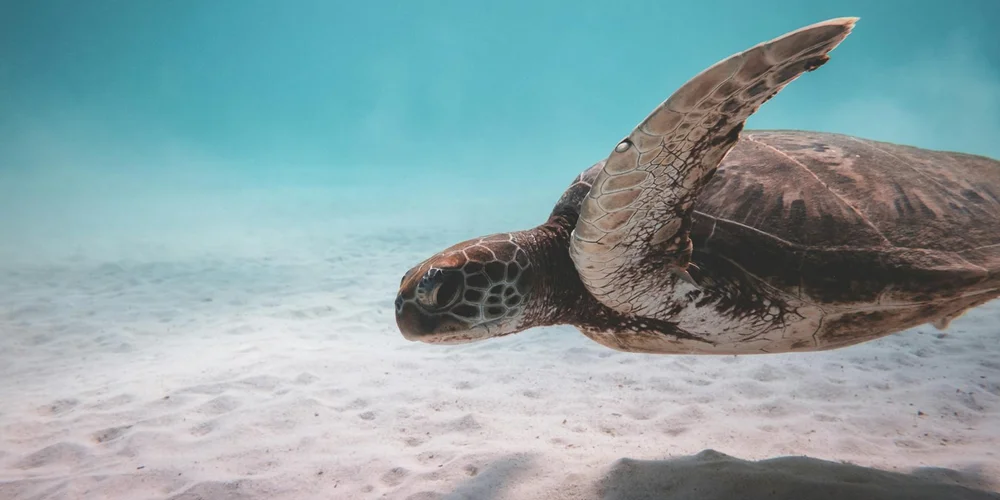
Patience is your greatest tool when coaxing a turtle to eat. Start with simple adjustments and observe their response closely. This approach is a core part of properly caring for red-eared slider turtles and is covered in the beginner’s guide. Keep notes on feeding and responses to tailor future meals.
- Adjust the time of day you offer food; some turtles are more active and hungry in the morning.
- Try offering live food, like bloodworms or small crickets, to stimulate their hunting instinct.
- Practice hand-feeding with long tweezers to build trust and make food more appealing.
- Never force-feed, as this causes immense stress. Let your turtle set the pace.
Adjusting Feeding Techniques
Sometimes, it’s not what you feed, but how you feed. Changing your method can make a familiar meal seem new and exciting. For my aquatic turtles, I often place their leafy greens in very shallow water, which seems to encourage nibbling. Using a feeding stick or long pair of aquarium tweezers can also help, as it allows for a more interactive experience and keeps your fingers safe. Varying the texture-perhaps by mashing a strawberry into their pellets-can also pique the interest of a hesitant eater. Live plants in a turtle’s habitat can offer enrichment and shelter beyond prepared greens. They can also help with water quality and provide additional grazing opportunities, making the habitat itself more beneficial.
Enhancing Appetite with Favorite Foods
Every turtle has a weakness. Using a favorite food as an “appetizer” can sometimes kickstart their hunger for a more complete meal. For many, this is a juicy earthworm or a piece of ripe strawberry. I use these treats sparingly to avoid creating a finicky eater who holds out for only the “good stuff.” Offer these enticing morsels first, then present their regular, balanced diet. The goal is to encourage eating, not to replace their nutritional staples with treats. For beginners, this approach is outlined in the Turtle Ultimate Beginners Guide, which explains how to balance treats with a steady, nutritious diet. It’s a simple, practical framework for first-time turtle owners.
Checking Your Turtle’s Habitat for Feeding Issues
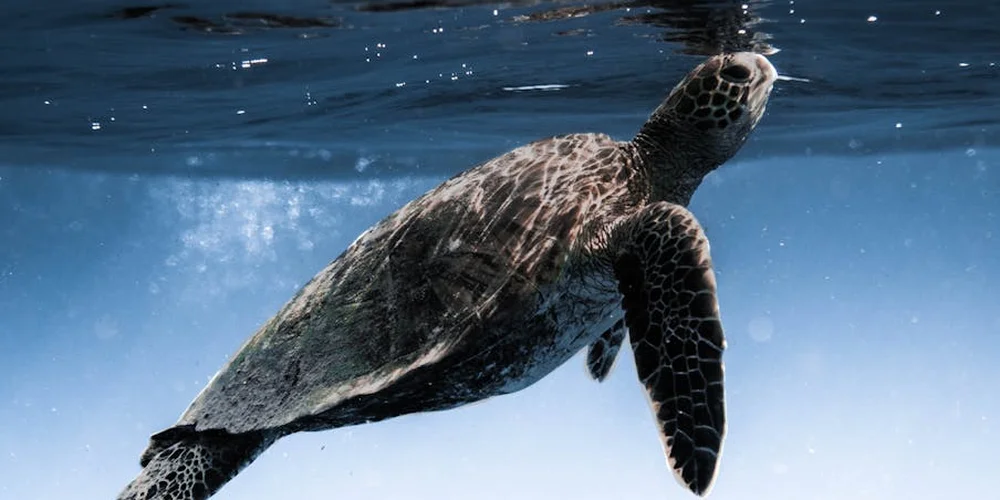
Your turtle’s home environment is the first place to look when their appetite vanishes. A poorly set up tank is one of the most common reasons a turtle stops eating. I learned this the hard way with my Russian tortoise, Austen, who once went on a hunger strike for days until I fixed his basking spot.
Use this quick checklist to review your setup:
- Is the basking area temperature correct for your species?
- Is the water temperature within the ideal range?
- Is the UVB bulb less than 6 months old and functioning?
- Is the basking area dry, secure, and easily accessible?
- Is the water crystal clear and free of odor?
- Is the filter running properly and not clogged?
Temperature and Lighting Needs
Turtles are ectotherms; they rely on their environment to regulate their body temperature and metabolism. If your turtle is too cold, its digestive system simply shuts down, making eating impossible. My Greek tortoise, Bronte, will only consider food once she’s had a proper warm-up under her lamp.
Use reliable thermometers in both the warm basking area and the cooler water zone. A timer for your lights creates a consistent day-night cycle, which reduces stress. For most aquatic turtles, aim for a basking spot of 85-95°F and water around 75-80°F. Tortoises like Austen and Bronte need a basking area around 95-100°F. To create the perfect basking area for your aquatic turtle, ensure a dry, easy-to-reach platform. Pair it with the recommended temps so the turtle can bask comfortably before returning to the water.
Water Quality and Hydration
Dirty water is a major appetite killer. Imagine trying to eat a meal in a room that smells foul and is filled with waste; your turtle feels the same. Essential filtration systems that keep turtle water clean are the backbone of a healthy tank. They continuously remove waste and help maintain safe ammonia and nitrite levels. A powerful filter is non-negotiable for aquatic species.
Perform partial water changes weekly. Test the water for ammonia and nitrite levels. Dehydration can also cause a loss of appetite. Watch for sunken eyes or thick, stringy saliva. I always make sure my box turtle, Orwell, has a shallow water dish he can fully sit in to soak and hydrate.
When to Seek Veterinary Care
Sometimes, the issue goes beyond the tank and requires professional help. If your turtle hasn’t eaten for more than a week and you’ve ruled out habitat problems, it’s time to call a vet. This is especially true for young turtles who have fewer energy reserves.
Search for a veterinarian who specializes in reptiles or exotics. During the visit, be prepared to discuss your turtle’s diet, habitat setup, and the timeline of their symptoms. The vet will likely perform a physical exam and may recommend tests like a fecal exam for parasites. This is an important part of the care for land and aquatic turtles, as outlined in our essential guide to land and aquatic turtle care.
Signs of Serious Health Issues
Certain symptoms mean you should not wait. Any of these signs paired with not eating signal a potential emergency.
- Swollen eyes or ears that stay closed
- Wheezing, bubbles from the nose, or labored breathing
- Visible parasites in the water or around the vent
- Lethargy to the point of being unresponsive
- Significant, rapid weight loss
- Soft or discolored shell
I once noticed Orwell was listless in the water and refusing his favorite worms. A vet visit revealed a minor respiratory infection. Catching it early meant a simple course of antibiotics had him back to his curious, hungry self in no time. Don’t hesitate; your quick action can make all the difference.
Preventing Future Appetite Problems
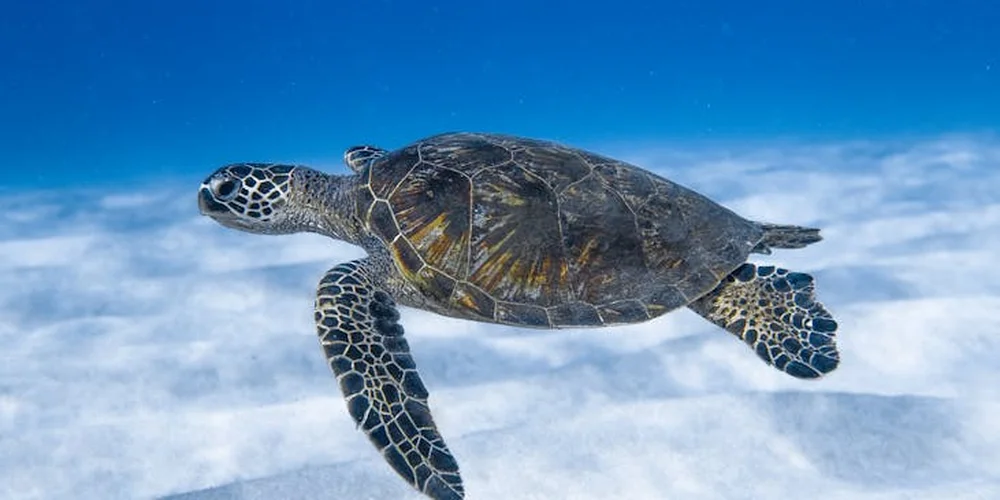
After navigating a turtle’s refusal to eat, you naturally want to prevent it from happening again. A consistent routine built on a foundation of excellent husbandry is your best defense against future feeding strikes. My own tortoises, Austen and Bronte, thrive on predictability, and their steady appetites reflect that stability.
- Serve a balanced diet tailored to your turtle’s species. For my herbivores, this means a rotating menu of dark, leafy greens, edible flowers, and the occasional Mazuri pellet for nutritional insurance.
- Perform regular, thorough habitat checks. I do a quick scan of temperatures and basking spots every morning with my coffee and a deep clean weekly.
- Monitor behavior during your daily interactions. Subtle changes in activity level or basking habits are often the first clue that something is amiss.
This proactive approach creates an environment where your turtle feels secure enough to eat consistently. Routine is not boring for a turtle; it is the rhythm of a safe and healthy life.
Daily Care and Observation
Integrating simple monitoring habits into your daily routine takes very little time but provides immense peace of mind. I keep a small notebook on the shelf next to my tortoises’ enclosure to jot down quick notes. This habit has helped me catch minor issues before they became major problems.
- Weigh your turtle weekly using a small digital kitchen scale. A stable or slowly increasing weight is a fantastic sign of good health.
- Note their eating patterns. Does Austen prefer dandelion greens over romaine? Does Bronte eat more in the morning or afternoon? These personal preferences matter.
To make tracking effortless, a simple log can reveal powerful patterns over time.
| Date | Food Offered | Amount Eaten | Basking Temp | Water Temp | Behavior Notes |
|---|---|---|---|---|---|
| Example: 10/26 | Collard Greens, Hibiscus | All greens, no flower | 95°F | 75°F | Active, basked for 3 hours |
| Example: 10/27 | Endive, Mazuri Pellet | Half portion | 92°F | 74°F | Seemed less interested, stayed in water |
This log helps you connect the dots between environment and appetite. You become a detective for your pet’s well-being, empowered by simple data. A sudden drop in food intake recorded in your log is a clear signal to check your temperatures or schedule a vet visit.
Common Questions
Why is my turtle not eating or swimming?
This behavior often signals a potential health issue like a respiratory infection or severe lethargy. Check water quality and seek veterinary care if it continues for more than a few days.
Why is my turtle not eating and basking a lot?
Excessive basking could mean your turtle is overheating or struggling with improper temperature gradients in its habitat. Verify that both the basking spot and water temperatures are correctly set for your species to support digestion.
Why is my turtle not eating but still active?
An active turtle refusing food might be stressed by recent changes or simply uninterested in the current diet. Experiment with offering live prey or varied foods while monitoring for any environmental stressors.
When to Seek Professional Help
If your turtle’s appetite doesn’t improve after checking its habitat and diet, the next step is a veterinary visit. A professional can rule out underlying health issues that simple adjustments can’t fix. For a comprehensive, practical guide, see the ultimate turtle health troubleshooting checklist from Shell Tail. It walks you through common symptoms, potential tests, and care steps so you know what to discuss with your vet.
Remember, a well-cared-for turtle is a happy turtle, and your commitment to learning makes all the difference. Your ongoing dedication is what transforms basic pet ownership into a truly rewarding, lifelong companionship.
Further Reading & Sources
- Why Is My Turtle Not Eating or Moving
- Why Is My Turtle Not Eating? Expert Answers & Solutions
- r/turtle on Reddit: My turtle is not eating
- Box Turtle Not Eating – Reptiles Magazine
Matthew is a dedicated turtle enthusiast and conservationist with over 15 years of experience in reptile care. Known affectionately as "The Leatherback" among his peers, he combines his passion for turtles with a commitment to educating pet owners on responsible turtle care and environmental stewardship.
Signs of Illness