
Where is the Best Place to Buy a Healthy Red-Eared Slider?
You’re likely wondering where to find a healthy red-eared slider, and it’s natural to worry about hidden health issues, unethical sourcing, or budget strains. I’ve felt that uncertainty myself while caring for reptiles like my gentle tortoise Austen, and I know how a poor choice can impact an animal’s life.
This guide will walk you through:
- Identifying ethical breeders and red flags
- Evaluating pet stores versus adoption centers
- Performing simple health checks
- Lessons from my own reptile-keeping journey
Why Your Choice of Seller Impacts Turtle Wellness
Your decision on where to get a red-eared slider shapes its entire life, from health to happiness. I’ve seen how a turtle’s start can affect its shell condition, energy levels, and even lifespan through my own pets like Austen, my gentle Russian tortoise. Sellers who prioritize profit over care often house turtles in cramped, dirty conditions, leading to stress and diseases like shell rot or respiratory infections.
Poor breeding practices can pass on genetic weaknesses. Choosing a responsible source ensures your turtle isn’t just surviving but thriving with vibrant colors and a curious personality. It’s a commitment to animal welfare that echoes in every healthy swim and basking session.
- Reduced risk of parasites and infections from clean environments
- Better socialization from early, gentle handling
- Accurate age and health history for tailored care
Top Sources for Acquiring a Red-Eared Slider

Finding a red-eared slider involves more than just picking a place—it’s about matching your values with a source that cares. I always lean toward options that put the turtle’s well-being first, much like how I chose Bronte, my graceful Greek tortoise, for her calm demeanor from a trusted breeder. If you’re weighing a painted turtle vs red-eared slider, consider which species fits your climate, tank space, and daily care routine. Choosing the right pet turtle comes down to matching your home, budget, and long-term commitment with their needs. Let’s explore the best paths to bring home a healthy companion.
Evaluating Reputable Reptile Breeders
A good breeder focuses on quality over quantity, raising turtles in spacious, clean setups. Look for breeders who openly share details about diet, habitat, and parent health, as this transparency builds trust and ensures better genetics. I’ve visited breeders who let me observe the turtles’ activity and ask questions-this hands-on approach reveals a lot.
- Check for clean, odor-free enclosures with proper UV lighting
- Ask about the turtle’s origin and any health screenings performed
- Observe the breeder’s knowledge on red-eared slider care and behavior
Reputable breeders often provide guidance for years. They treat each sale as the start of a lifelong relationship, not just a transaction.
Benefits of Adopting from Local Turtle Rescues
Adoption gives a second chance to turtles in need, and it’s a choice I deeply support. Rescues like the one where I found Orwell, my reserved box turtle, often rehabilitate sliders with past neglect, offering them a fresh start in a loving home. These organizations typically vet each turtle’s health and temperament, making your introduction smoother.
- Lower cost compared to breeders, with fees going toward rescue efforts
- Immediate access to turtles that are already accustomed to human interaction
- Support for animal welfare by reducing overpopulation and abandonment
Many rescues provide post-adoption support. You’re not just getting a pet; you’re joining a community dedicated to compassion.
Key Health Checks Before You Buy
Spotting Signs of a Healthy Captive-Bred Turtle
Walking into a pet store or browsing online listings can be overwhelming. My years with my own tortoises, Austen and Bronte, have taught me that a proactive health check is your single most important task. You’re not just picking a pet; you’re assessing a living creature’s long-term prospects.
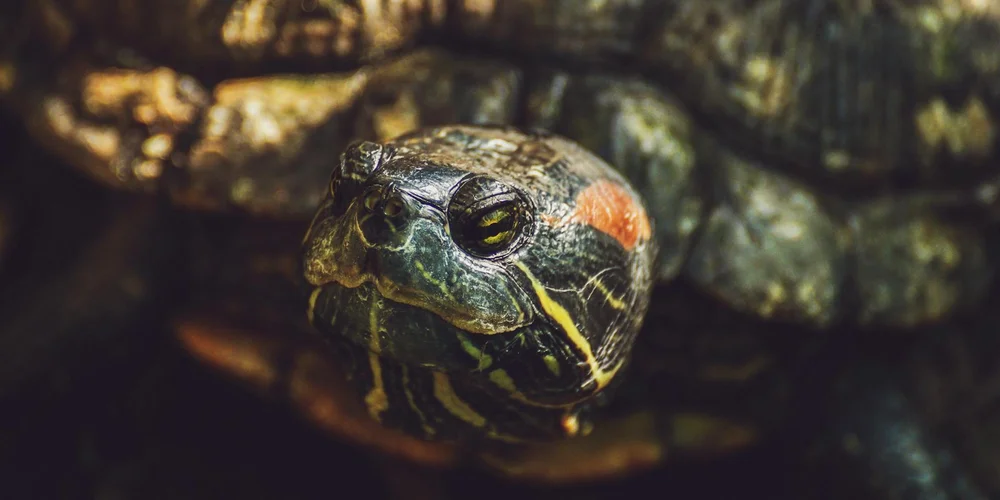
Start with the eyes. They should be fully open, clear, and bright, without any swelling or a filmy covering. A healthy turtle is alert and aware of its surroundings. Sunken or constantly closed eyes are a major red flag for dehydration or illness. If you notice this, it’s wise to schedule a check with a reptile veterinarian. Early veterinary care can catch dehydration or illness before it worsens. I learned this the hard way early on and now it’s the very first thing I look for.
Next, give the shell a visual once-over. A healthy shell is hard and firm, free of cracks, pits, or soft spots. The scutes (the individual scales on the shell) should fit together smoothly. Pyramiding, where the scutes rise into pyramid-like bumps, often indicates poor nutrition or improper habitat conditions in its past. Run your finger over it; it should feel solid, not spongy.
- Clear, alert eyes with no discharge
- A firm, hard shell without deformities
- Clean nostrils for easy breathing
- Skin free of sores, ulcers, or white fuzzy patches
- Active and responsive to movement
Don’t forget to observe the turtle in water if possible. A healthy red-eared slider should swim level, without listing to one side or struggling to stay submerged. It should also have a good appetite—ask the seller if you can see it eat. A refusal to eat can signal stress or underlying health issues. If you’re wondering how to tell if your turtle is sick, watch for changes in activity or appetite. Persistent lethargy or unusual signs warrant a visit to a veterinarian.
Legal and Ethical Considerations for Turtle Ownership
Understanding Captive-Bred vs. Wild-Caught Turtles
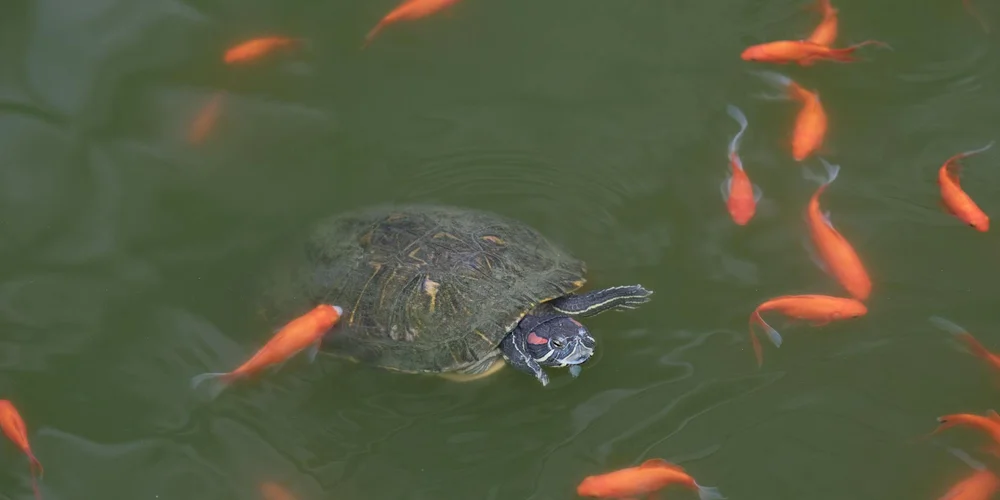
This is where your choice transcends simple pet ownership and touches on conservation and animal welfare. Always, without exception, choose a captive-bred red-eared slider over a wild-caught one, especially when considering the ethical aspects of pet ownership. Wild-caught turtles are often stressed, carry parasites, and struggle to adapt to captive life. Their removal also harms local ecosystems.
Captive-bred turtles, like my own, are born and raised in controlled environments. They are typically much healthier, better socialized to people, and free from the trauma of capture and relocation. They represent a sustainable choice that doesn’t deplete wild populations. Reputable breeders will be transparent about their turtle’s origins.
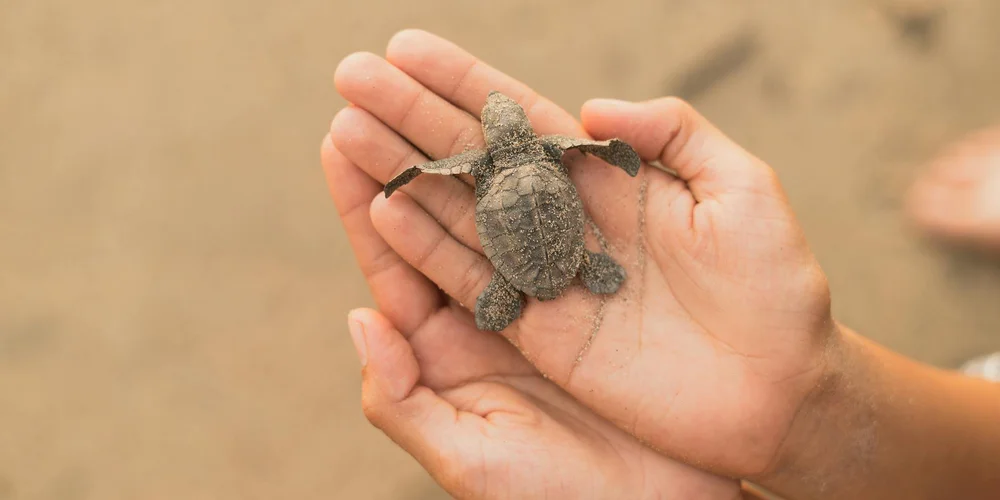
You also need to be aware of the law. In the United States, the FDA bans the sale of turtles with a carapace (shell) length of less than 4 inches. This “4-inch law” was enacted to reduce the risk of Salmonella exposure, especially to young children. Any seller offering tiny, hatchling-sized turtles is operating illegally and should be avoided immediately.
- Verify the turtle’s captive-bred status with the seller.
- Ensure the turtle you are purchasing is over 4 inches in shell length.
- Ask for any available health records or hatch dates.
- Research your local and state regulations regarding turtle ownership.
Choosing a captive-bred turtle from a responsible source is an ethical decision that supports animal welfare. It ensures your new companion has the best possible start and helps protect the wild populations these amazing creatures come from. When deciding between a pet store turtle vs breeder, look for transparency about origin and welfare to ensure you pick the right source. It’s a simple step that makes a world of difference.
Preparing Your Home for a New Red-Eared Slider
Setting Up the Ideal Turtle Enclosure
Before your new friend arrives, getting their space just right is a loving act of care. A well-prepared enclosure reduces stress and supports a healthy start for your red-eared slider. I learned this early on with my tortoises; Austen’s steady nature blossomed once his habitat mimicked the wild.
Start with a spacious tank-aim for at least 75 gallons for an adult, as cramped spaces can lead to health issues. Red-eared sliders need room to swim, bask, and explore to thrive. My Greek tortoise, Bronte, taught me that ample space encourages natural behaviors and prevents boredom.
Focus on water quality with a reliable filter to keep it clean and clear. Installing a powerful canister filter makes maintenance easier and protects your turtle from harmful bacteria. I change the water in Orwell’s enclosure weekly, and it keeps him active and alert. Following a weekly turtle tank maintenance checklist that includes water changes and filter cleaning helps ensure the setup stays optimal. Regular filter cleaning and water testing help maintain clarity and a healthy environment for Orwell.
- Use a submersible heater to maintain water temperature around 75-80°F.
- Add a basking area with a heat lamp set to 85-90°F for drying off.
- Include UVB lighting to help with shell and bone health-it’s non-negotiable.
- Decorate with smooth rocks and artificial plants for hiding spots.
Test the setup for a day or two to ensure temperatures are stable. This trial run lets you spot issues before your turtle moves in, just like I did with Austen’s first home. A calm environment sets the stage for a happy life together.
Smart Buyer Tips for a Successful Purchase
Choosing where to buy your red-eared slider is as important as the home you prepare. Look for sellers who prioritize animal welfare and provide clear health records. When I adopted Bronte, her detailed history helped me understand her needs from day one.
Visit the facility in person if possible to assess cleanliness and turtle behavior. Healthy sliders should have bright eyes, smooth shells, and energetic movements in clean water. Avoid places with overcrowded tanks-it’s a red flag for neglect, something I’ve seen in poorly run pet stores.
- Ask about the turtle’s diet and age to gauge proper care.
- Check for signs of illness like lethargy or shell discoloration.
- Inquire about the seller’s return policy for health guarantees.
- Consider adoption from rescues to give a home to a turtle in need.
Trust your instincts-if something feels off, walk away. A reputable seller will answer questions patiently and show genuine concern for the animals. My experience with Orwell taught me that patience in choosing leads to a lifelong bond.
Discuss ongoing support for care advice after purchase. Good breeders or rescues often offer guidance, which can ease your transition into turtle parenting. I still reach out to Bronte’s original caretaker for tips, and it’s made all the difference.
FAQs
Is it safe to buy a red-eared slider online in India?
Buying online can be safe if you choose reputable sellers with positive reviews and transparent health guarantees. Always verify that the seller follows local wildlife laws and provides captive-bred turtles to avoid legal and health issues.
What should I look for in an online seller when purchasing a red-eared slider?
Look for sellers who offer detailed photos, health records, and responsive customer service to ensure the turtle’s well-being. Avoid those with vague descriptions or no return policies, as they may not prioritize animal care. For responsible acquisition, consult a trusted guide on buying a pet turtle to find licensed breeders or rescues that follow welfare standards. This helps ensure ethical sourcing and proper care.
How can I assess the health of a red-eared slider when buying online?
Request clear videos showing the turtle swimming actively and check for signs like bright eyes and a smooth shell in the images. Insist on a health guarantee or recent vet report to confirm it’s free from common ailments. Think of this as part of your monthly turtle health check you do with the vet. When you see the vet, ask to review these signs month by month and set a baseline for ongoing care.
Are there reliable online platforms for buying red-eared sliders in India?
Yes, some specialized reptile websites and social media groups in India connect buyers with ethical breeders, but research each seller’s reputation thoroughly. Prefer platforms that enforce seller guidelines and encourage open communication about the turtle’s origin.
What legal aspects should I consider before buying a red-eared slider online in India?
Ensure the seller complies with India’s wildlife protection laws, which may require permits for certain species, and only purchase captive-bred turtles to support ethical practices. Avoid illegal wildlife trade by verifying the seller’s credentials and the turtle’s legal status.
Your Healthy Turtle Awaits
The best place to find a healthy red-eared slider is from a dedicated breeder or a well-regarded reptile rescue, as these sources prioritize the animal’s long-term welfare. Always prioritize a turtle’s health history and living conditions over a tempting low price from a questionable source. Pairing this with a red-eared slider cost guide—from purchase through setup—helps you budget for the enclosure, initial equipment, and first veterinary checks. Knowing typical prices for hatchlings, tanks, heat lamps, and ongoing care keeps you from questionable sources that cut corners.
Caring for red-eared sliders is a long-term commitment that requires you to stay curious and keep learning as your pet grows. A beginner-friendly guide on properly caring for red-eared sliders can lay out the basics you need to get started. It helps beginners understand setup, lighting, diet, and daily care. Your journey as a turtle keeper is one of continuous discovery, ensuring a thriving life for your shelled friend.
Further Reading & Sources
- Red Eared Sliders for sale | The Turtle Source
- Red Eared Slider Turtles for Sale | Petco
- Red Eared Slider – Garden Pond Sizes
- How to Select and Buy a Pet Red-Eared Slider – ReptiFiles
Matthew is a dedicated turtle enthusiast and conservationist with over 15 years of experience in reptile care. Known affectionately as "The Leatherback" among his peers, he combines his passion for turtles with a commitment to educating pet owners on responsible turtle care and environmental stewardship.
Aquatic Turtles