
Red-Eared Slider Turtle Care: A Simple Beginner’s Guide
Published on: December 12, 2025 | Last Updated: December 12, 2025
Written By: Matthew The
Welcoming a red-eared slider into your life brings joy, but it’s natural to feel concerned about their long lifespan, specific habitat needs, and keeping them healthy and happy. I’ve cared for aquatic turtles for years, and with the right approach, you can provide a thriving home.
This guide covers: habitat setup, feeding routines, health monitoring, and handling tips. You’ll find clear, step-by-step advice to build your confidence.
Quick-Start Red-Eared Slider Care Checklist
Getting started with your new turtle is exciting, but having the right gear from day one makes all the difference.
- Essential Supplies: A large tank, powerful canister filter, sturdy basking platform, high-output UVB light, heat lamp, submersible water heater, digital thermometer, water conditioner, high-quality turtle pellets, and a variety of leafy greens like romaine and dandelion greens.
- Initial Setup Steps: First, place the tank in a quiet, low-traffic area away from direct sunlight. Fill it with dechlorinated water, install all equipment, and let the filter run for several weeks to establish beneficial bacteria before introducing your turtle.
- Quarantine Importance: I always keep a new turtle in a simple, separate quarantine tank for the first few weeks. This simple step lets you monitor their health closely without stressing your main tank’s ecosystem.
Setting Up the Perfect Red-Eared Slider Habitat
Tank Size and Water Depth Requirements
Your turtle’s home is its entire world, so size truly matters for their health and happiness.
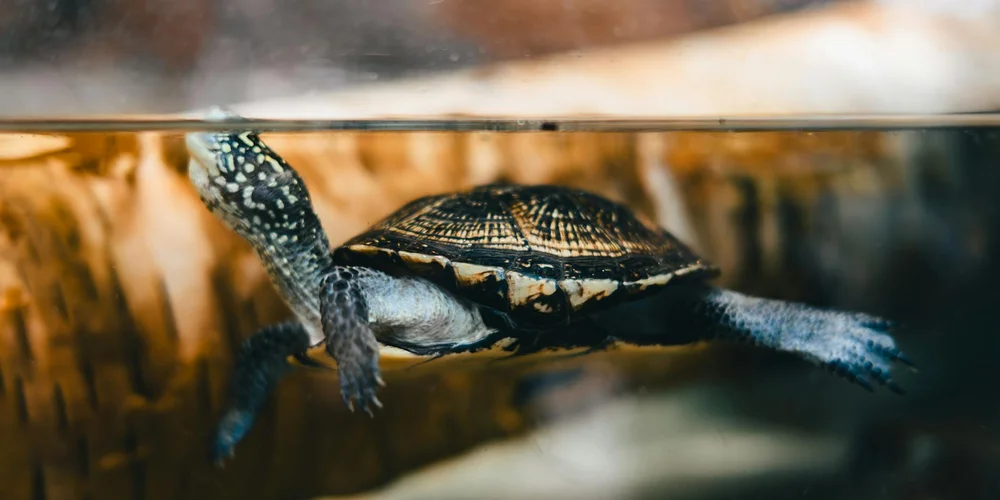
- Tank Size Guidelines: The golden rule is a minimum of 10 gallons of water per inch of your turtle’s shell length. A common 6-inch slider needs at least a 60-gallon tank, but bigger is always better.
- Ideal Water Depth: Provide a depth that allows your turtle to flip over easily if it ends up on its back. A good standard is water deep enough for the turtle to swim freely, typically 1.5 to 2 times its shell length.
- Recommended Tank Types: Glass aquariums are the classic choice for viewing, but large, sturdy stock tubs are an affordable and spacious alternative that many experienced keepers, including myself, swear by.
Creating a Proper Basking Area
A dry, warm spot to haul out is non-negotiable for a turtle’s shell health and digestion.
- Basking Platform Options: You can use floating commercial docks, create a stable area with stacked slate rocks, or use ramps that attach to the tank’s side. I’ve used all three with my turtles and find that a simple, large floating dock works wonderfully for most.
- Dry Area Specifications: The basking area should be entirely dry and large enough for your turtle to rest comfortably with its legs fully extended. Position it securely so it can’t be dislodged and create a drowning hazard near the tank’s edges.
- Easy Access: Ensure the ramp or entry point has a gentle, non-slip slope. Your turtle should be able to climb in and out without struggle.
Essential Lighting and Heating Setup
Replicating the sun’s energy inside a glass box is your most critical job as a turtle keeper.
- UVB Lighting Necessity: Turtles cannot process calcium without UVB light, which enables them to produce vitamin D3. Without it, they develop severe metabolic bone disease and shell deformities.
- Basking Spot Temperature: The area directly under the heat lamp must be a toasty 85-90°F (29-32°C). This warmth is vital for their digestion and immune system.
- Water Temperature Maintenance: The main body of water should be kept between 75-80°F (24-27°C) using a reliable, fully submersible heater.
- Recommended Equipment: Use a fluorescent tube-style UVB light (not a coil bulb) that spans half the tank’s length. Pair it with a simple basking bulb of appropriate wattage to achieve the correct temperature, and always use a heater guard for safety.
Water Filtration and Quality Maintenance
Turtles are incredibly messy, so your filter is the unsung hero of a healthy habitat.
- Filter Types: Canister filters are the gold standard. You must choose a filter rated for 2 to 3 times the actual volume of your tank to handle the turtle’s waste load effectively.
- The Nitrogen Cycle: This is the process where beneficial bacteria in your filter convert harmful ammonia from waste into less toxic nitrates. A “cycled” tank has this bacterial colony established, which is why you run the filter before adding the turtle.
- Water Change Schedule: Even with a great filter, perform a 25-50% water change every 1-2 weeks. This removes nitrates and keeps the water crystal clear.
- Water Conditioner Usage: Always treat tap water with a reptile-safe water conditioner to neutralize chlorine and chloramines, which would otherwise kill the beneficial bacteria in your filter.
Feeding Your Red-Eared Slider for Optimal Health
Balanced Diet Components by Age
- For juvenile red-eared sliders, prioritize protein-rich foods to fuel their growth. Offer high-quality turtle pellets, live insects like crickets or mealworms, and small fish such as guppies. This variety ensures they get the nutrients needed during their rapid development phase.
- As your turtle reaches adulthood, gradually introduce more vegetables to their diet to support overall health and prevent weight gain. Focus on leafy greens like romaine lettuce and spinach, plus aquatic plants such as duckweed. This shift helps mimic their natural eating patterns and reduces the risk of shell deformities.
- Adjust feeding frequency based on age: juveniles thrive with daily meals, while adults do well eating every other day or three times weekly. Monitoring their appetite prevents overfeeding and keeps them active and healthy.
Essential Nutritional Supplements
- Supplement calcium using methods like placing a cuttlebone in their tank for chewing or lightly dusting food with calcium powder. This routine supports strong shell and bone formation, which I’ve seen prevent issues in my own turtles like Orwell.
- Vitamin D3 is synthesized when your turtle basks under appropriate UVB lighting, crucial for calcium absorption. Providing a reliable UVB source ensures they can process nutrients effectively, just as my tortoises Austen and Bronte benefit from their setup.
- Avoid over-supplementation, as excess calcium or vitamins can cause kidney stress or metabolic imbalances. Stick to vet-recommended amounts to safeguard your turtle’s long-term wellness.
Monitoring Red-Eared Slider Health and Wellness
Recognizing Common Health Issues
-
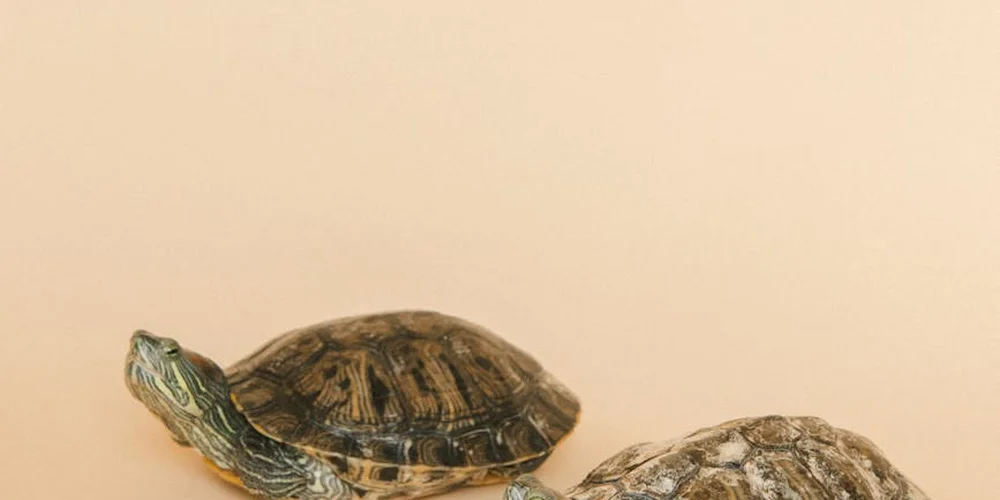
Watch for symptoms like soft, discolored patches or a foul odor on the shell, which signal shell rot. Respiratory infections may cause bubbles from the nose or wheezing sounds when your turtle breathes. Metabolic bone disease often shows as a soft, pliable shell or difficulty moving around. Early detection of these issues can save your turtle from prolonged discomfort and costly treatments. In my own experience with aquatic turtles, I once missed subtle shell changes in a rescue, leading to a longer recovery—so I now inspect shells closely during weekly checks, following the ultimate turtle health troubleshooting checklist.
-
A healthy shell feels hard and smooth, with uniform coloring and no cracks or pits. An unhealthy shell might appear flaky, sunken, or have unusual spots that don’t improve with proper care. Regularly feeling the shell for firmness helps you catch problems before they worsen, much like how I check my tortoise Austen’s shell for consistency. If you notice any soft areas or discoloration, it’s a sign to act quickly.
-
Behavioral changes like lethargy, refusing food, or hiding more than usual often indicate illness in red-eared sliders. A normally active turtle that becomes sluggish or stops basking needs attention. Trust your instincts-if your turtle’s behavior seems off, it’s better to investigate than wait. If you’re wondering how to tell if your turtle is sick, start by noting any changes from their usual routine. This includes eating, shedding, or basking patterns. I’ve seen this with Bronte, my Greek tortoise, who once hid for days before a vet visit revealed a minor infection we could treat early.
Preventative Care Practices
-
Establish a regular tank maintenance routine that includes partial water changes of 25-50% weekly and a full clean every month to remove waste and debris. Consistent cleaning prevents harmful bacteria buildup and keeps your turtle’s environment safe and inviting. I follow this with my own setups, using a siphon to make water changes easy and stress-free for the animals. This approach is the foundation of the ultimate turtle habitat cleaning schedule, designed to keep every corner of the enclosure clean and healthy. Following it regularly helps coordinate filter care, substrate upkeep, and basking area cleanliness.
-
Test water quality weekly for ammonia, nitrites, and pH levels to ensure a balanced aquatic habitat. Poor water conditions can lead to skin infections or shell issues over time. Simple test kits are affordable and give you peace of mind, much like how I monitor my turtles’ habitats to advocate for their long-term welfare. Ignoring this can cause avoidable health struggles, so make it a habit.
-
Schedule annual veterinary check-ups even if your turtle seems healthy, as vets can spot subtle issues you might miss. Routine exams help catch problems early and extend your turtle’s lifespan, reflecting my commitment to proactive pet care. I take Orwell for yearly visits, and it’s reassured me that small concerns don’t turn into big emergencies.
Red-Eared Slider Behavior and Enrichment
Understanding Normal Turtle Behaviors
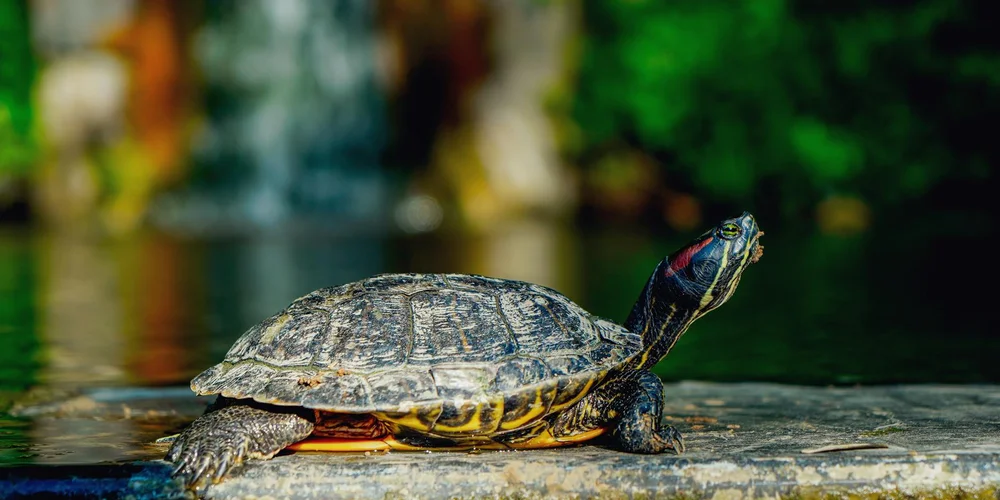
Watching a red-eared slider’s daily routine is a lesson in slow, purposeful living. You will see them spend hours hauled out on their basking platform, legs splayed to absorb every bit of warmth. This basking is not laziness; it is a critical process for their digestion, shell health, and immune system function. A turtle that avoids basking often signals a water temperature or water quality issue that needs your immediate attention. To support this behavior, create a perfect basking area for your aquatic turtle. Make sure it’s stable, dry, and warm with reliable UVB exposure and easy access from the water.
In the water, they are surprisingly active swimmers, constantly exploring their domain. Their feeding response is typically enthusiastic; a healthy slider will eagerly swim towards you at mealtime. If that eagerness fades, it is a quiet but clear signal that something is amiss.
Many new owners feel a jolt of panic seeing their turtle sleep fully submerged. Do not worry. Turtles are masters of slow, efficient metabolism and can absorb small amounts of oxygen directly from the water through specialized areas, like their cloaca. That’s the surprising truth about turtles: some can breathe underwater by absorbing dissolved oxygen from the water. It’s a natural adaptation that lets them rest calmly while submerged. They are not drowning; they are simply resting in their natural element.
Their behavior shifts with the seasons, even in a controlled indoor habitat. You might notice reduced appetite and lower activity levels during the shorter, cooler days of winter. My own turtles, Austen and Bronte, naturally slow down their eating around late fall, a gentle rhythm I have learned to respect and accommodate with smaller, less frequent meals. Over a turtle’s year, these seasonal rhythms are to be expected, guiding how you care for them through each phase. You can learn more about this by exploring what to expect over a turtle’s year. Anticipating the seasons helps you plan their meals, heat, and enrichment with the year in mind.
Safe Handling and Socialization
Handling should be a rare event, reserved for tank cleaning or health checks. These are not cuddly pets; they are observing wildlife that finds our large, warm hands inherently stressful. Always support the turtle’s entire body from below with both hands, keeping them level and secure. Never pick them up by the sides of their shell or a single limb, as this can cause serious injury and immense fear. It’s also important to ensure their proper environment is safe and stress-free when they’re in the water.
I recommend limiting handling to just a few minutes at a time, and only when absolutely necessary. Frequent handling can lead to chronic stress, which suppresses their immune system and makes them prone to illness. The best way to bond with your turtle is through calm, predictable presence during feeding and tank maintenance, not through physical holding.
Introducing tank mates is a complex decision with significant risks. Red-eared sliders can be surprisingly territorial and may nip at the fins or limbs of fish or other turtles. They also produce a substantial bioload that can overwhelm a shared filtration system. If you are determined to have a community tank, opt for fast-moving, larger fish that are not seen as food, and always provide ample space and visual barriers. From my experience with Orwell, my box turtle, I find most turtles truly thrive best in a species-specific setup where their unique needs are the sole focus.
Advanced Red-Eared Slider Care Considerations
Long-Term Habitat Maintenance
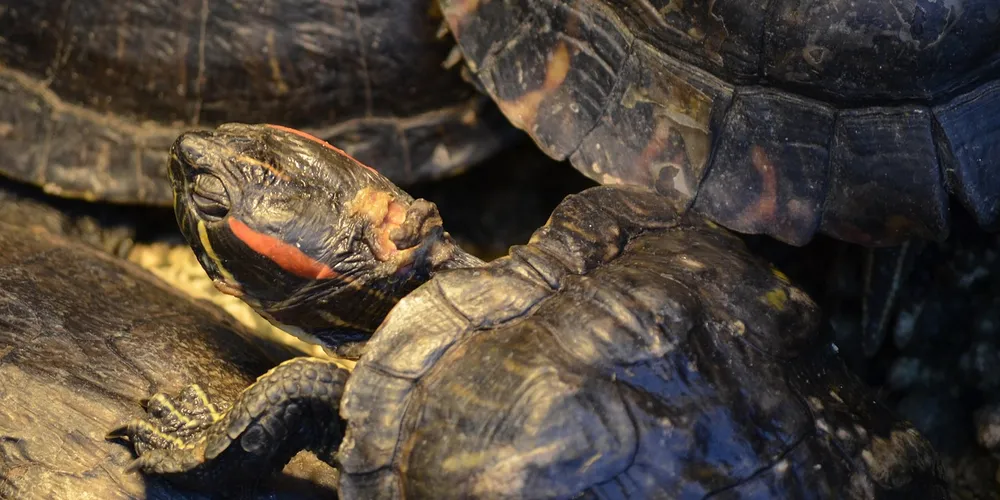
Keeping your red-eared slider’s home clean is a bit like maintaining a small aquatic ecosystem, and I’ve learned from years with my tortoises that consistency is key. Regular upkeep prevents health issues and keeps your turtle thriving in a stable environment. For safe cleaning, I also disinfect the enclosure with reptile-safe cleaners and rinse thoroughly before reintroducing your pet.
- Clean your filter every two to four weeks by rinsing media in tank water to preserve beneficial bacteria, and replace filter media like carbon or sponges every three to six months to maintain efficiency.
- For a full tank clean, do partial water changes of 25-50% weekly, and perform a thorough scrub and substrate rinse monthly to remove waste and algae buildup.
- Check and replace UVB bulbs every six to twelve months, as they lose effectiveness over time, and inspect heaters annually for cracks or malfunctions to avoid temperature drops.
Lifespan and Commitment Requirements
When I first brought home my Russian tortoise, Austen, I realized these pets are lifelong companions, and red-eared sliders are no exception. Their typical lifespan ranges from 20 to 40 years, meaning they could be with you through many life stages.
- Expect adults to grow up to 12 inches in shell length, requiring tank upgrades from a starter 20-gallon to a minimum of 75-100 gallons for proper swimming space.
- Plan for ongoing costs like larger habitats and specialized food, as their needs evolve with age, much like my Greek tortoise Bronte’s gradual dietary shifts.
- Commit to this long-term responsibility by considering future life changes, as rehoming can stress these sensitive creatures and disrupt their well-being.
FAQs
Where can I find a red-eared slider care guide for beginners?
Many reputable pet care websites and reptile forums offer detailed beginner guides beyond this article. Always look for sources that are frequently updated and backed by veterinary expertise.
Where can I find information about red-eared slider care on Reddit?
Subreddits like r/turtle and r/redearedsliders are great for community-driven tips and personal experiences. Just remember to cross-check any advice with trusted care resources to ensure accuracy.
Where can I find a red-eared slider care sheet PDF?
You can download free care sheet PDFs from organizations like the Association of Reptilian and Amphibian Veterinarians or dedicated turtle care sites. These documents provide quick-reference summaries for easy access. For a full resource on essential turtle tank setup and a complete daily, weekly, and monthly care guide, look for step-by-step checklists and routine maintenance tips.
Embracing Your Role as a Turtle Guardian
From my time with turtles like Orwell, I know that a spacious, clean habitat with proper basking spots and a balanced diet are the cornerstones of their well-being. Regular monitoring of water quality and temperature ensures your red-eared slider thrives in a stable environment.
Committing to lifelong learning about pet turtle care, from health checks to habitat upgrades, honors your responsibility to these remarkable creatures. Staying curious and adapting your care routine as new insights emerge helps prevent common issues and deepens your bond. Regularly educating yourself about their needs is a key part of this process.
Further Reading & Sources
- How to Care for Pet Red-Eared Slider Turtles
- Red Eared Slider Care – CHICAGO EXOTICS ANIMAL HOSPITAL
- Red-Eared Slider Care: Essential Guide for a Healthy Pet Turtle
- Basic Care: Red-eared Slider | Arizona Exotics | -Tortoises & Turtles Resources
Matthew is a dedicated turtle enthusiast and conservationist with over 15 years of experience in reptile care. Known affectionately as "The Leatherback" among his peers, he combines his passion for turtles with a commitment to educating pet owners on responsible turtle care and environmental stewardship.
Aquatic Turtles