
How Big Do Red-Eared Slider Turtles Get?
If you’re wondering just how large your red-eared slider might grow and feeling a bit anxious about tank space or care needs, you’re not alone in that thought. I’ve watched my own turtles, like Austen and Bronte, slowly expand over the years, and it’s a journey that requires patience and planning.
We’ll explore: average size ranges, factors that influence growth, ideal habitat setup, and health monitoring tips. This knowledge helps ensure your turtle thrives in a suitable environment.
Typical Adult Size of Red-Eared Sliders
Adult Red-Eared Sliders usually sport a carapace length between 8 and 10 inches, which translates to about 20 to 25 centimeters. Seeing my own turtles, like Austen and Bronte, thrive reminds me that consistent care helps them reach their full potential, and the same applies to Red-Eared Sliders.
| Sex | Carapace Length Range (inches) | Carapace Length Range (cm) |
|---|---|---|
| Male | 6-8 | 15-20 |
| Female | 8-12 | 20-30 |
Genetics and the specific subspecies, Trachemys scripta elegans, play a big role in how large these turtles get. From my observations with Orwell and other turtles, I’ve found that lineage can lead to subtle size differences, much like how humans inherit traits from their families. Some may stay on the smaller end if their ancestors did, while others might surprise you with a larger frame.
Red-Eared Slider Growth by Age
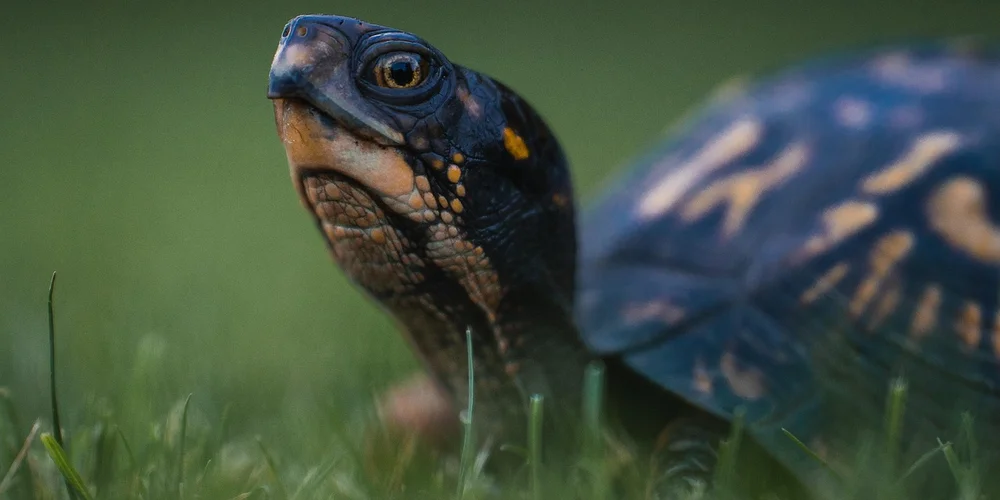
Watching a Red-Eared Slider grow from a tiny hatchling to a mature adult is a rewarding journey. Their growth isn’t just about size; it’s a sign of their overall health and the quality of care you provide.
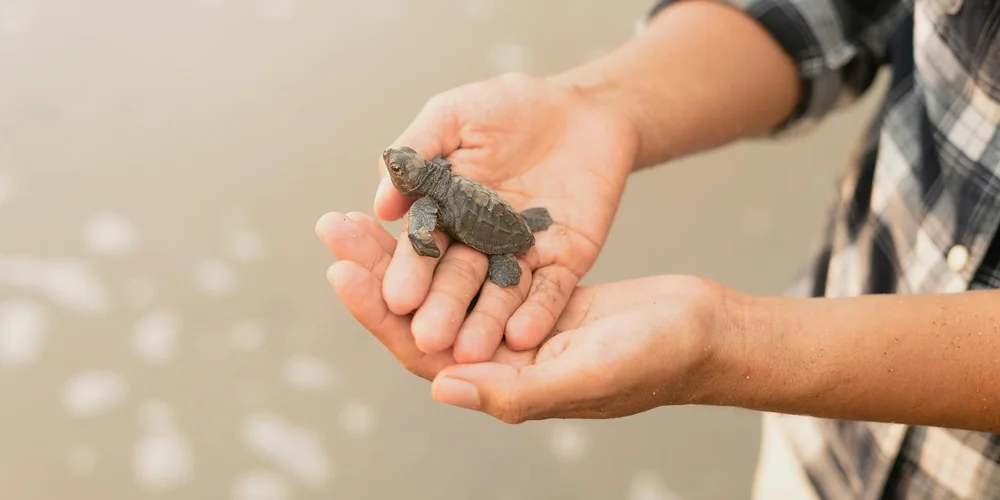
- Hatchling (0-1 year): Starts at 1 to 1.5 inches (2.5-4 cm), with rapid development in the first few months.
- Juvenile (1-3 years): Reaches 2 to 6 inches (5-15 cm), with growth spurts that make their shells feel firmer and colors more defined.
- Sub-adult (3-5 years): Climbs to 6 to 10 inches (15-25 cm), slowing down as they approach maturity.
- Adult (5+ years): Settles into their full size, typically 8 to 12 inches (20-30 cm), with females often larger.
| Age Range | Estimated Carapace Length (inches) | Estimated Carapace Length (cm) |
|---|---|---|
| Hatchling (0-1 year) | 1-1.5 | 2.5-4 |
| 1-2 years | 2-4 | 5-10 |
| 2-3 years | 4-6 | 10-15 |
| 3-5 years | 6-10 | 15-25 |
| 5+ years | 8-12 | 20-30 |
Growth rates shift noticeably as they age, with juveniles expanding quickly and adults tapering off. I’ve seen this in my tortoises too; providing a spacious habitat and varied diet ensures they don’t outgrow their environment too fast. Early years are like a sprint, but by adulthood, it’s more of a steady walk, so adjust feeding and tank size accordingly to support their well-being.
Male vs Female Size Differences
One of the most fascinating aspects of red-eared slider growth is the clear difference between males and females, a concept known as sexual dimorphism. This size difference isn’t just a slight variation; it’s a fundamental part of their biology that becomes more pronounced as they reach adulthood.
Let’s break down the specifics of their shell length and body mass.
- Shell Length: Female red-eared sliders are the true giants of the species. A mature female typically reaches a shell length of 10 to 12 inches. Males, in contrast, are considerably more petite, usually maxing out at 7 to 9 inches.
- Body Mass: This difference in length translates directly to weight. A full-grown female can be a hefty 5 to 6 pounds, while a large male might only weigh 2 to 3 pounds. The female’s body is broader and deeper to accommodate egg development.
These size ranges are for healthy, well-cared-for turtles. The divergence becomes most obvious once they hit maturity.
- Juvenile turtles are nearly impossible to sex by size alone.
- Around 2 to 4 years of age, as they become sexually mature, their growth rates begin to separate dramatically.
- The female’s body prioritizes energy for reproductive capacity, leading to a larger overall frame. The male’s smaller, more streamlined size is better suited for pursuing mates in the water.
How Care Affects Red-Eared Slider Size
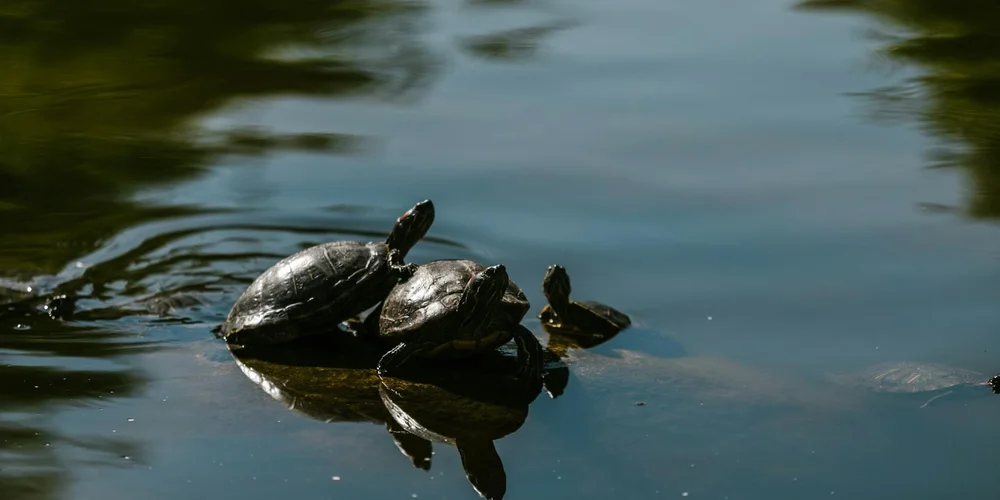
Genetics sets the potential size for your turtle, but your care determines whether it reaches that potential. A turtle’s environment and diet are the dials you control to ensure healthy, robust growth instead of a stunted or overweight pet.
Several key factors in your daily care routine have a direct impact on their final size.
- Diet Quality: This is the number one factor. A balanced diet rich in appropriate nutrients fuels proper skeletal and shell development.
- Basking Access: Turtles are cold-blooded. They need a warm, dry basking area to properly digest their food and metabolize nutrients. Without it, they cannot grow effectively.
- Habitat Space: A cramped tank can physically restrict movement and growth. Ample swimming space is crucial for muscle development and overall health.
To prevent the common pitfalls of stunted growth or obesity, follow these steps.
- Offer a varied diet of high-quality commercial pellets, leafy greens, and occasional protein, adjusting the portions as they age.
- Provide a basking spot with a dedicated heat lamp and a full-spectrum UVB light for at least 10-12 hours daily.
- House your turtle in the largest aquarium or pond possible, following the “10 gallons per inch of shell” rule as a bare minimum.
I’ve seen the direct results of diet in my own shelled family. My Russian tortoise, Austen, was a fussy eater when he first came to me. By persistently introducing a wider variety of calcium-rich greens and grasses, I watched his shell become stronger and his growth more consistent. Conversely, I once cared for a rescued box turtle, Orwell, who was fed mostly fruit. He was overweight for his size, which put extra strain on his legs and organs. It was a powerful lesson in how the wrong foods, even if they are “natural,” can negatively impact a turtle’s form and health. Diet and nutrition directly affect a turtle’s shell health and overall well-being.
Enclosure Size for Fully Grown Red-Eared Sliders
My Russian tortoise, Austen, enjoys a spacious terrarium, but aquatic turtles like red-eared sliders have very different needs when it comes to tank size and setup. For a single adult red-eared slider, the absolute minimum tank size is a 75-gallon aquarium, though a 100-gallon or larger is highly recommended for their well-being.
I learned this the hard way with my first aquatic turtle setup. A simple formula helps you calculate the required water volume: 10 gallons of water per inch of shell length. A 12-inch turtle needs at least 120 gallons of water space. How much water does a turtle tank need? More water means more swimming room and easier maintenance of water quality.
- Start hatchlings in a 20-30 gallon tank.
- Upgrade to a 40-50 gallon tank by the time they reach 4 inches.
- Plan for the final 75-120+ gallon adult enclosure early.
Planning for these upgrades from the start saves you money and prevents the stress of a cramped turtle. Invest in a quality canister filter rated for twice your tank’s volume to manage their significant waste. The best filter for an aquatic turtle tank helps maintain clean water and stable temperatures, reducing maintenance and keeping your turtle healthy. That’s why many keepers look for top-rated filters designed for larger bio-loads.
Comparing Red-Eared Slider Size to Other Turtles
Seeing my box turtle, Orwell, next to a friend’s red-eared slider really puts their size difference into perspective. Red-eared sliders are one of the larger commonly kept pet turtles. If you’re curious how big box turtles can get, a box turtles size growth guide helps. It explains typical growth, final size ranges, and growth-influencing factors.
| Turtle Species | Average Adult Size |
|---|---|
| Red-Eared Slider | 10-12 inches |
| Painted Turtle | 5-7 inches |
| Mud Turtle | 3-5 inches |
| Box Turtle (like Orwell) | 4-7 inches |
Their potential for large size is why so many are sadly surrendered to rescues when owners are unprepared. Red-eared sliders often grow larger due to their robust genetics, fast metabolism, and tendency to be enthusiastic eaters if offered food frequently.
Compared to the more delicate painted turtle, a red-eared slider is a substantial animal requiring a serious commitment to its habitat. Choosing the right turtle comes with understanding their different care needs.
Recognizing Healthy Growth Patterns
Watching your red-eared slider grow is one of the most rewarding parts of turtle ownership, and it starts with knowing what to look for in their development. Healthy growth in red-eared sliders follows a steady, predictable pattern that you can easily monitor with regular checks, especially when you know how to perform a safe shell inspection. From my years caring for reptiles, including my tortoises Austen and Bronte, I’ve learned that a turtle’s shell tells a vivid story of their overall health.
Visual Signs of Proper Shell Development
A well-developing shell should feel smooth and firm, much like a polished river stone under your fingers. Look for scutes that lie flat and uniform without any raised or bumpy areas, which indicates even growth. The coloration should be vibrant, with distinct patterns that don’t fade or blur over time. In my experience, a healthy red-eared slider’s shell grows proportionally, so the carapace and plastron expand together without odd bulges or dips.
- Smooth, unblemished shell surface free of cracks or soft spots
- Even, flat scute alignment that doesn’t pyramid or curl upward
- Consistent color intensity and clear, defined markings
- Proportional growth where the shell expands uniformly in width and length
Red Flags for Undergrowth or Overgrowth Issues
Spotting problems early can prevent long-term health issues, so keep an eye out for these warning signs. If the shell feels spongy or flexible, it often points to metabolic bone disease from poor nutrition. Pyramiding, where scutes rise like little mountains, is a common red flag I’ve seen in neglected turtles-it stems from diets too high in protein or low in calcium. Rapid, uneven growth can lead to deformities that affect mobility and internal organ space.
- Soft, pliable shell texture that indicates calcium deficiency
- Pyramiding or raised scutes from imbalanced diets
- Discoloration, such as whitish patches or dullness, signaling possible infections
- Asymmetrical shell shape or one side growing faster than the other
- Lethargy or reluctance to bask, which may relate to growth-related stress
When to Consult a Veterinarian About Size Concerns
Trust your instincts—if something seems off with your turtle’s growth, it’s better to seek professional advice sooner rather than later. Knowing the signs that your turtle may need veterinary care helps you act quickly. Common red flags include changes in appetite, lethargy, swelling, or shell abnormalities. Schedule a vet visit if you notice any red flags persisting for more than a week, as early intervention can correct many issues. I always recommend a check-up if growth stalls completely or accelerates unnaturally, which could hint at underlying diseases. For animal welfare, regular vet consultations ensure your red-eared slider stays on track for a long, healthy life.
- If the shell remains soft or shows deformities despite diet adjustments
- When growth halts or speeds up dramatically without obvious causes
- If your turtle exhibits behavioral changes like loss of appetite or unusual swimming patterns
- After any injury to the shell, to prevent infections or improper healing
FAQs
What is the typical full-grown size of a red-eared slider?
Fully grown red-eared sliders usually reach a shell length of 6 to 12 inches, with females often larger than males. Their final size depends on genetics, diet, and overall care quality.
How does age affect the size of red-eared sliders?
Red-eared sliders experience rapid growth in their first few years, often doubling in size annually as juveniles. By age 5, they typically reach their full adult size, with growth slowing significantly after maturity.
What tank size is recommended for an adult red-eared slider?
An adult red-eared slider needs a minimum of a 75-gallon tank to allow for proper swimming and basking space. Larger enclosures, such as 100 gallons or more, are ideal for supporting their health and natural behaviors.
Your Red-Eared Slider’s Full Growth Potential
Red-eared sliders can grow up to 12 inches, so investing in a large tank early on saves you from frequent upgrades. Providing a varied diet and clean habitat supports their steady growth and overall health, much like I’ve seen with my own shelled companions.
Commit to your turtle’s long-term care by staying curious and proactive about their needs. I always encourage fellow owners to keep learning and advocating for animal welfare, ensuring every pet thrives in a loving home. Establish daily, weekly, and monthly care tasks—feeding, tank checks, water changes, and filter maintenance. These routines keep your water turtle healthy and thriving.
Further Reading & Sources
- Red-eared slider – Wikipedia
- California’s Invaders: Red-Eared Slider
- Red-eared Slider Fact Sheet – Pennsylvania Sea Grant
- Red Eared Slider | Turtle (1)| Lowest Price in India
Matthew is a dedicated turtle enthusiast and conservationist with over 15 years of experience in reptile care. Known affectionately as "The Leatherback" among his peers, he combines his passion for turtles with a commitment to educating pet owners on responsible turtle care and environmental stewardship.
Aquatic Turtles