
How to Choose the Perfect Tank Size and Shape for Your Aquatic Turtle
Published on: December 22, 2025 | Last Updated: December 22, 2025
Written By: Matthew The
Worried that your aquatic turtle’s home might be too cramped or poorly shaped, limiting their natural behaviors and health?
From my years with reptiles like my tortoise Austen, I’ve seen how the right habitat transforms their daily life and longevity.
We’ll dive into tank dimensions, shape impacts, filtration essentials, and easy setup tips to create a thriving space.
Why Your Turtle’s Tank Dimensions Matter
Your turtle’s tank isn’t just a home-it’s their entire world, and the right dimensions can make all the difference in their health and happiness. A properly sized tank prevents stress, reduces the risk of shell deformities, and encourages natural behaviors like swimming and exploring. From my own experience with Orwell, my box turtle, I noticed how a cramped space made him less active and more withdrawn; aquatic turtles need even more room to thrive in water.
Think of the tank as a mini-ecosystem where every inch counts for swimming, basking, and hiding. Inadequate space can lead to poor water quality, which spikes ammonia levels and harms your turtle’s delicate skin and respiratory system. Are essential water quality parameters healthy in your turtle tank? Regular testing of ammonia, nitrite, nitrate, pH, temperature, and dissolved oxygen helps you keep the habitat safe and thriving. I’ve seen how a well-proportioned tank keeps water cleaner longer, saving you time on maintenance and keeping your pet vibrant.
Shape plays a role too-long, wide tanks beat tall, narrow ones because they offer more surface area for swimming and basking spots. Opt for a rectangular design to mimic natural habitats, giving your turtle room to paddle freely and feel secure. It’s a simple change that honors their wild instincts and supports their well-being.
Finding Your Perfect Tank Size: A Simple Calculator
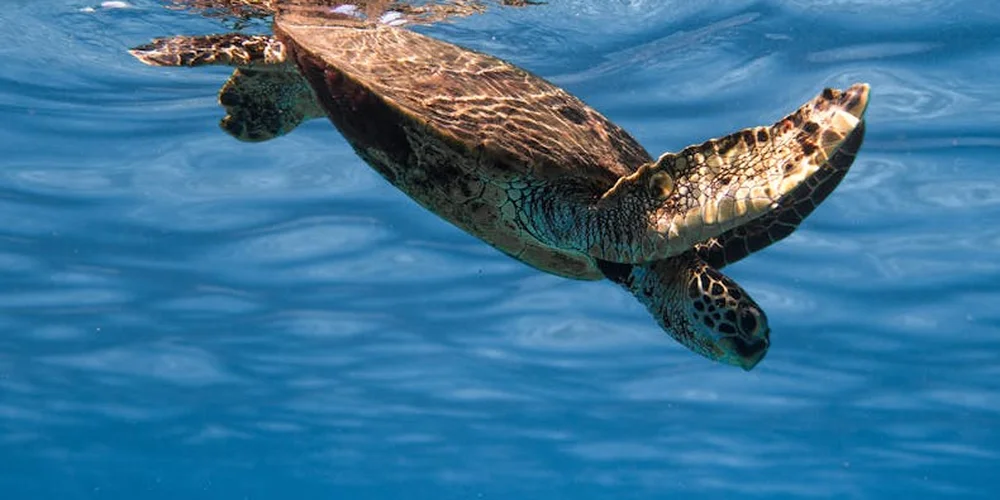
Let’s break down tank sizing into an easy formula you can use today. Start by measuring your turtle’s shell length from head to tail; for every inch, plan on 10 gallons of water volume as a baseline. This rule stems from years of reptile care research and my own adjustments with Bronte, ensuring they have space to grow without overcrowding. It’s a crucial part of turtle tank setup that can’t be overlooked.
Follow these steps to calculate your ideal tank size:
- Measure your turtle’s shell length in inches.
- Multiply that number by 10 to get the minimum gallon capacity.
- Add extra gallons if you have multiple turtles or plan for decorations.
For example, a 5-inch turtle needs at least a 50-gallon tank, but I always recommend going bigger to accommodate their active nature. Bigger tanks dilute waste better, making water changes less frequent and your turtle’s environment more stable. It’s a small upfront investment that pays off in a healthier, happier pet.
Aquatic Turtle Species and Their Space Needs
Different species have unique requirements based on their size and behavior. Researching your turtle’s adult size is crucial-many grow larger than expected, and undersized tanks can stunt their development. I learned this early on with Austen; though he’s a tortoise, the principle applies to all turtles: always plan for their full-grown potential.
Here’s a quick guide to common aquatic turtles and their space needs:
| Species | Adult Shell Length | Minimum Tank Size |
|---|---|---|
| Red-Eared Slider | 8-12 inches | 75-120 gallons |
| Painted Turtle | 4-10 inches | 40-75 gallons |
| Musk Turtle | 3-5 inches | 20-40 gallons |
Remember, these are minimums-aim larger if possible to give your turtle room to roam. Providing ample space isn’t just about comfort; it’s a commitment to their long-term welfare, reducing aggression and promoting mental stimulation. Your turtle will thank you with lively antics and a longer, healthier life.
The Great Debate: Tank Shape and Layout Choices
Longer vs Taller: What Works Best for Turtles
When I set up Orwell’s first home, I learned that turtles aren’t built for vertical living like some fish. Aquatic turtles thrive in longer tanks that mimic their natural riverbeds and ponds, giving them room to paddle and explore horizontally. A tall, narrow tank might save floor space, but it restricts their movement and can lead to stress or health issues.
Think of it this way: turtles are swimmers, not climbers. Longer tanks support better exercise, reduce boredom, and prevent shell deformities by allowing full extension of limbs. With Orwell, I noticed he became more active and curious once I switched to a low, wide enclosure-it was like watching him rediscover his wild side.
- Longer tanks offer more surface area for swimming and basking setups.
- Taller tanks can waste vertical space that turtles rarely use.
- Aim for a length at least 4-5 times your turtle’s shell size for comfort.
From my experience, a tank that’s too tall forces turtles to struggle for air or basking spots. Stick with a longer design to keep your turtle happy and healthy, just as nature intended.
Essential Tank Features That Affect Your Size Choice
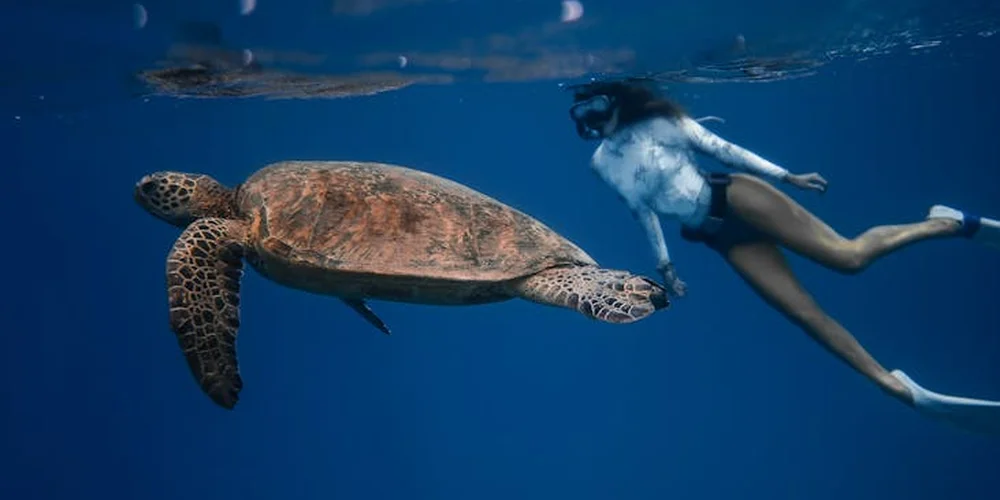
Creating the Perfect Basking Zone
Your turtle needs a dry, cozy spot to soak up heat and dry off completely. A proper basking zone isn’t just an add-on—it’s vital for digestion, shell health, and preventing infections. When I designed Bronte’s area, I made sure it was spacious enough for her to stretch out without crowding. To avoid common terrestrial turtle tortoise enclosure mistakes, ensure ample space, a proper heat gradient, and a safe substrate.
Consider the basking platform’s size and placement early on. It should take up about 25-30% of the tank’s surface area and be easy for your turtle to access from the water. I’ve found that ramps or sturdy rocks work well, and they add a natural touch that turtles seem to love. This approach helps you create the perfect basking area for your aquatic turtle. A well-designed basking spot supports warmth, drying, and shell health.
- Measure your turtle’s full length to ensure the basking area fits them comfortably.
- Use non-slip materials to prevent accidents-smooth surfaces can be slippery.
- Position it under a heat lamp, but not too close to avoid burns.
With Austen, I learned that a cramped basking spot led to him avoiding it altogether. Give them room to lounge, and you’ll see more natural behaviors emerge.
Filtration and Water Quality Considerations
Clean water is non-negotiable for turtle health, and your tank size directly impacts filtration needs. Larger tanks dilute waste better, but they require powerful filters to handle the bioload from food and debris. I made the mistake early on with Orwell by underestimating this, and it led to frequent water changes and stress.
Choose a filter rated for at least twice the volume of your tank. Turtles are messy eaters, so over-filtration is your best friend for maintaining crystal-clear water and reducing maintenance. When comparing canister vs internal filters for turtle habitats, consider flow rate, maintenance needs, and available space. Canister filters have worked wonders in my setups, keeping the environment stable and odor-free.
- Match filter capacity to tank gallons-e.g., a 40-gallon tank needs an 80-gallon filter.
- Include mechanical, biological, and chemical filtration layers for best results.
- Regularly check water parameters like pH and ammonia to catch issues early.
From caring for my turtles, I’ve seen how poor filtration can cause skin and shell problems. Invest in a robust system to safeguard your turtle’s well-being and make your life easier.
Setting Up Your Turtle’s Aquatic Home
Material Choices: Glass vs Acrylic Tanks
Picking the right tank material feels like choosing a forever home for your shelled friend-it impacts their safety and your peace of mind. Glass tanks offer a classic, scratch-resistant surface that holds up well over time, making them a reliable choice for busy turtle parents. I’ve used glass for years with my own setups, and its clarity lets me keep a close eye on water quality and turtle behavior without distortion.
Acrylic tanks, on the other hand, are lighter and less prone to shattering, which can ease your mind during moves or cleanings. They do scratch more easily, so handle them with care to maintain that crystal-clear view your turtle deserves for swimming and exploring. From my experience, acrylic works wonders for larger custom enclosures where weight is a concern, but always check that it’s non-toxic to protect your turtle’s health.
- Glass: Heavy, durable, and scratch-resistant-ideal for stable, long-term homes.
- Acrylic: Lightweight, impact-resistant, but requires gentle cleaning to avoid scratches.
- Cost and maintenance: Glass often costs less upfront, while acrylic may need more frequent care.
Think about your turtle’s needs first – opt for materials that support clean water and easy monitoring to keep them thriving. I lean toward glass for its rugged simplicity, but acrylic shines when you need flexibility in tank shape or size. This choice is a key point in the Care Aquatic Turtles Essential Guide, which helps you design habitats that support both land and aquatic needs. In the guide, you’ll find practical tips for setup and maintenance to keep turtles thriving.
Planning for Growth: Juvenile to Adult Transitions
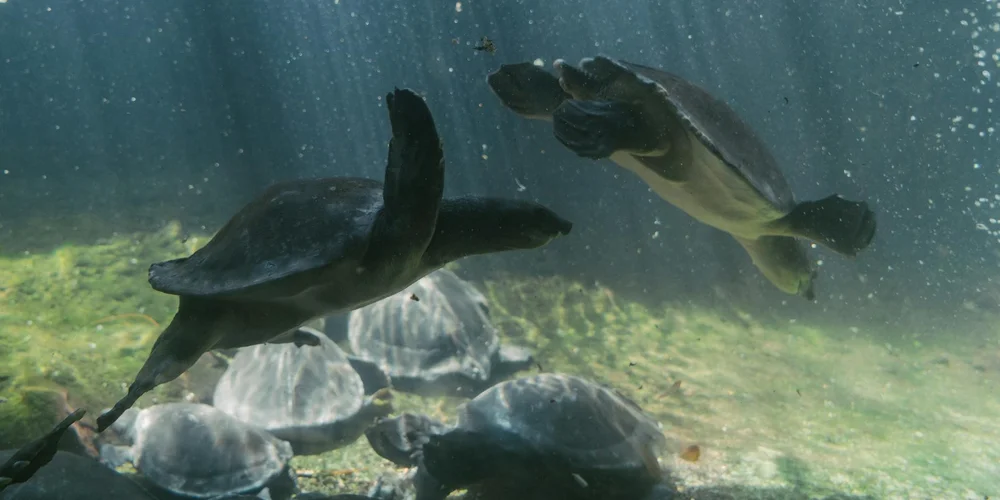
Watching a tiny turtle grow into a majestic adult is a joy, but it demands foresight to avoid cramped living conditions. Start with a tank that accounts for their full adult size, or commit to upgrading as they outgrow their space-it prevents stress and health issues down the line. I learned this the hard way with a rescued slider who quickly overwhelmed his starter tank, teaching me to plan ahead for those rapid growth spurts.
Aquatic turtles can double or triple in size within a few years, so factor in shell length and swimming room from the get-go. A good rule is to provide 10 gallons of water per inch of shell length, adjusting as they mature to ensure they have space to swim, bask, and hide comfortably. This approach mirrors natural habitats, reducing aggression and promoting well-being.
- Measure your turtle’s current shell length and research their species’ maximum size.
- Choose a tank that accommodates adult dimensions, or set a timeline for upgrades.
- Incorporate adjustable features like modular basking areas to adapt as they grow.
By anticipating growth, you create a stable environment that supports their lifelong journey. I always recommend erring on the larger side-it saves money and hassle while giving your turtle the room they need to flourish.
FAQs
How do I calculate the right tank size for my turtle?
Use the simple rule of 10 gallons of water per inch of your turtle’s shell length. Always round up to account for growth and extra space for decorations. In a beginner’s guide, the next step is to cycle the tank to establish beneficial bacteria before adding your turtle. This ensures a safe, stable environment from day one.
Does a tank size calculator include filtration needs?
Most basic calculators only estimate water volume based on size, not filtration. You should select a filter rated for at least double the tank’s gallon capacity to handle waste effectively.
What is the ideal tank size for a musk turtle?
Musk turtles, typically reaching 3-5 inches, need a minimum of 20-40 gallons. Providing a larger tank promotes natural swimming and reduces stress.
How big should a tank be for a painted turtle?
Painted turtles grow to 4-10 inches and require at least 40-75 gallons. A spacious tank supports their active lifestyle and helps maintain water quality.
What tank size is recommended for a map turtle?
Map turtles, similar in size to painted turtles, thrive in 50-100 gallon tanks. Ensure the enclosure is long and wide to allow for ample swimming and basking areas.
Setting Up for a Lifetime of Happy Swimming
Pick a tank that gives your aquatic turtle plenty of space to grow and explore freely. A rectangular shape supports their natural swimming instincts, making every day in the water feel like home. To create a naturalistic turtle habitat, include proper decor such as driftwood, rocks, and plants, along with a realistic substrate to mimic their native environment. This setup helps keep your turtle comfortable and engaged.
Caring for a turtle is a long-term commitment that starts with a proper habitat. Many people wonder if pet turtles are easy or hard to care for. The answer depends on the species and setup. Keep educating yourself on their needs, because a well-informed owner makes for a thriving, content turtle.
Further Reading & Sources
- r/turtle on Reddit: What is the best sized tank for turtles?
- Turtle Tank Size Calculator
- How to Set Up a Tank for a Red-Eared Slider Turtle
- Red-Eared Slider Tank Size Requirements | ReptiFiles
Matthew is a dedicated turtle enthusiast and conservationist with over 15 years of experience in reptile care. Known affectionately as "The Leatherback" among his peers, he combines his passion for turtles with a commitment to educating pet owners on responsible turtle care and environmental stewardship.
Tank Size and Type