
Creating a Proper Hibernation Setup for Box Turtles
Are you feeling unsure about how to hibernate your box turtle safely? It’s a common worry that many owners share, especially when the cooler months approach.
I’ve been through this with Orwell, my box turtle who’s been with me for seven years-his reserved nature made me extra cautious, but getting hibernation right is key to their health and well-being.
This article covers: choosing a hibernation location, setting up the substrate, controlling temperature and humidity, monitoring health, and knowing when to end hibernation.
Understanding Box Turtle Brumation and Hibernation
Brumation is a reptile’s version of slowing down during colder months, not the deep sleep of true hibernation seen in mammals. In brumation, box turtles like my reserved Orwell remain somewhat aware and may occasionally stir, whereas hibernating animals are in a near-comatose state. This distinction matters because it affects how we care for them—brumation allows for brief activity, so setups must accommodate this without causing stress.
Box turtles naturally enter brumation as temperatures drop and daylight shortens, mimicking their wild cycles to conserve energy and avoid harsh conditions. This seasonal rhythm helps them regulate metabolism and boost longevity, much like how my thoughtful Bronte, a Greek tortoise, thrives on predictable routines. During winter, feeding is typically reduced or paused to reflect natural seasonal scarcity. As temperatures rise, reintroduce a light, gradually increasing diet to support their transition back to active seasons. In the wild, they’d burrow into leaf litter or soil, so replicating this in captivity supports their instinctual needs and overall health.
- Brumation involves reduced activity and metabolism, but turtles can still drink or move slightly, unlike in hibernation where movement is minimal.
- Common misconception: Brumation is optional for pet box turtles-in reality, skipping it can lead to health issues like weakened immune systems or reproductive problems over time.
- Key fact: Not all box turtles brumate; age, health, and species play a role, so observe your turtle’s behavior closely, as I do with gentle Austen, my Russian tortoise, who has different needs.
- Misconception: Brumation requires no monitoring-truth is, regular checks are vital to prevent dehydration or illness, ensuring a safe dormant period.
Pre-Hibernation Health Assessment and Preparation

Start with a thorough health check to ensure your box turtle is fit for brumation, focusing on weight, shell condition, and signs of illness like nasal discharge or lethargy. I always examine Orwell’s dark brown shell for cracks or soft spots, as any abnormality could signal underlying issues that need addressing before cooling begins. Early shell changes can be warning signs that the turtle’s health is compromised. Detecting these early signs prompts veterinary input to ensure safe dormancy. If you notice anything off, such as weight loss or unusual behavior, seek vet clearance immediately to avoid risks during dormancy.
Gradually reduce feeding and lighting over 2-4 weeks to mimic natural cooling, stopping food entirely once temperatures drop to prevent undigested meals. This slow transition helps their bodies adjust without shock, similar to how I ease my graceful Bronte into seasonal changes by dimming lights incrementally. Lower the habitat temperature by a few degrees each week until it stabilizes around 40-50°F (4-10°C), using a thermostat for precision and safety.
- Offer shallow, lukewarm soaks for 15-20 minutes daily in the weeks leading up to brumation to ensure hydration, as dehydration is a common brumation risk.
- Quarantine new or sick turtles separately for at least 30 days to prevent disease spread, observing them closely like I do with any new addition to my reptile family.
- Monitor weight weekly; a healthy turtle should maintain or gain slightly before brumation, with sudden drops indicating potential health concerns.
Choosing Between Indoor and Outdoor Brumation
Deciding where your box turtle will brumate is the first major choice you’ll make. Each option has distinct benefits and challenges that depend heavily on your specific situation. I’ve used both methods over the years with my turtles, and the right choice always comes down to safety and stability.
Pros and Cons of Each Method
- Indoor Brumation
- Pros: Complete environmental control, protection from predators and extreme weather, easy monitoring.
- Cons: Requires more equipment and space, higher risk of dehydration if not managed carefully.
- Outdoor Brumation
- Pros: Natural temperature cycles, less human intervention needed, often results in a more natural sleep-wake cycle.
- Cons: Unpredictable weather risks, potential exposure to predators, difficult to monitor health.
Key Decision Factors
Your local climate is the biggest factor in this decision. Areas with harsh, unpredictable winters make indoor setups a safer bet for most keepers. Temperature stability is crucial; outdoor temperatures that frequently dip below freezing or spike unseasonably warm can be dangerous. I always assess the risk of flooding, burrow collapse, and local predator activity before considering an outdoor setup for my box turtle, Orwell.
When to Choose Each Method
| Choose Indoor Brumation When… | Choose Outdoor Brumation When… |
|---|---|
| You live in a region with harsh, unpredictable winters. | You live in a mild climate with stable, cool winters. |
| Your turtle is very young, old, or has health issues. | Your turtle is healthy, mature, and has a secure, established outdoor enclosure. |
| You are a first-time brumation keeper. | You have significant experience with reptile brumation cycles. |
Indoor Brumation Setup Guidelines
Creating a safe indoor space requires attention to detail. Select an enclosure like a plastic storage bin or an insulated cooler that is escape-proof and easy to clean. I use a large plastic tub for my Russian tortoise, Austen, which provides ample space without being cavernous.
- Enclosure & Insulation: Choose a container with a secure lid and drill small air holes. Line the bottom and sides with insulation board to buffer against room temperature fluctuations.
- Moisture Balance: This is critical. The substrate must be damp, not wet, to prevent shell rot while providing necessary humidity.
- Essential Tools:
- A reliable digital thermometer to track ambient temperature.
- A hygrometer to monitor humidity levels.
- A thermostat to control any supplemental heating if your storage area gets too cold.
Outdoor Brumation Considerations
An outdoor setup relies on mimicking a safe, natural burrow. Understanding this natural burrowing behavior helps explain why providing a safe, accessible digging spot matters. Turtles dig to regulate temperature, seek moisture, and, in females, to nest—so a thoughtfully designed burrow supports these instincts. You must assess the location for safety from digging predators like raccoons and for proper drainage to prevent flooding. Good concealment under leaf litter or behind plantings helps your turtle feel secure.
The area should offer a natural temperature gradient, allowing the turtle to move slightly to self-regulate. In warmer climates like California, brumation may be shorter or shallower, and you must ensure the spot doesn’t get too warm on sunny winter days (especially when setting up the outdoor brumation environment). My Greek tortoise, Bronte, brumates outdoors in a specially prepared corner of her yard that stays consistently cool and dry.
Building the Hibernation Enclosure and Environment
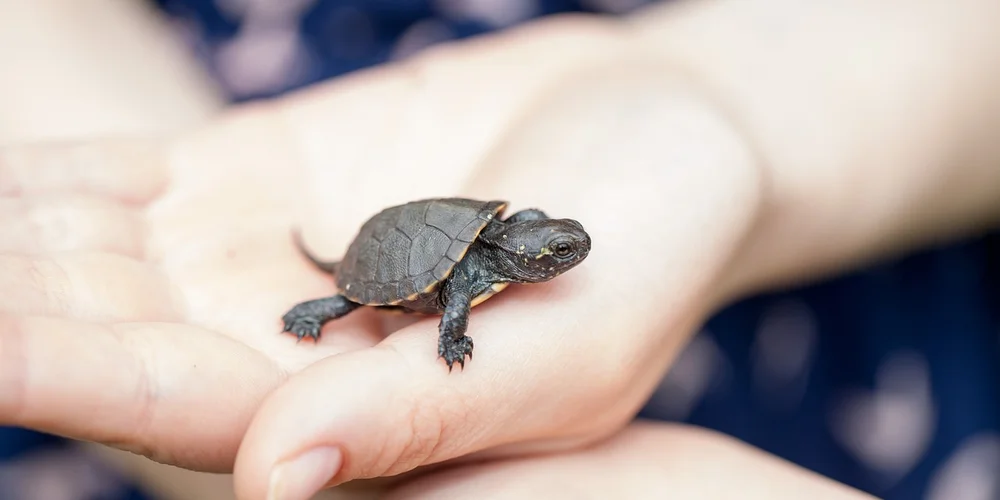
Constructing the physical space is where your planning becomes reality. A proper hibernation box provides security and the correct microclimate for months of rest. The goal is to create a stable, quiet, and slightly humid environment that discourages waking.
Construction and Materials
You can build a simple yet effective box from untreated wood or use a sturdy plastic container. The dimensions should allow your turtle to turn around comfortably but not be so large that it loses the beneficial humidity from its own respiration. A box about three times the length of your turtle’s shell and twice its width is a good rule of thumb. Check the size recommendations for turtle enclosures to ensure your DIY home is just right.
Step-by-Step DIY Setup
- Select Your Container: Choose a plastic storage bin or construct a wooden box. Ensure it has a secure but ventilated lid.
- Prepare the Base: Add a 4-6 inch layer of slightly damp substrate. I use a mix of topsoil and sphagnum moss for my turtles.
- Create Concealment: Partially bury a small terracotta pot on its side or add a layer of loose leaf litter on top to make a dark, den-like space.
- Check Moisture: The substrate should feel cool and damp to the touch, but no water should squeeze out when you press a handful.
- Place in a Stable Location: Move the finished box to a cool, dark, and quiet spot like a basement, garage, or closet where temperatures are stable.
Key Environmental Parameters
Maintaining the right conditions is non-negotiable for a safe brumation. The ideal temperature range for most North American box turtles is a steady 40-50°F (4-10°C). Humidity should be maintained between 70-80% to prevent dangerous dehydration. To prepare your pet turtle for brumation, begin by gradually acclimating it to cooler temperatures in a secure setup. Throughout the prep period, monitor temperature and humidity closely to ensure the targets are met.
- Substrate Depth and Types:
- Depth: Provide a substrate layer at least 4-6 inches deep for burrowing.
- Topsoil: Holds moisture well and is natural.
- Coconut Coir: Excellent for moisture retention and is mold-resistant.
- Sphagnum Moss: A great additive to mix with soil to boost humidity.
Consistently monitoring these parameters prevents the two biggest risks: freezing and desiccation. A weekly check-in, without disturbing your turtle, gives you the peace of mind that everything is running smoothly.
Monitoring and Maintaining Brumation Safety
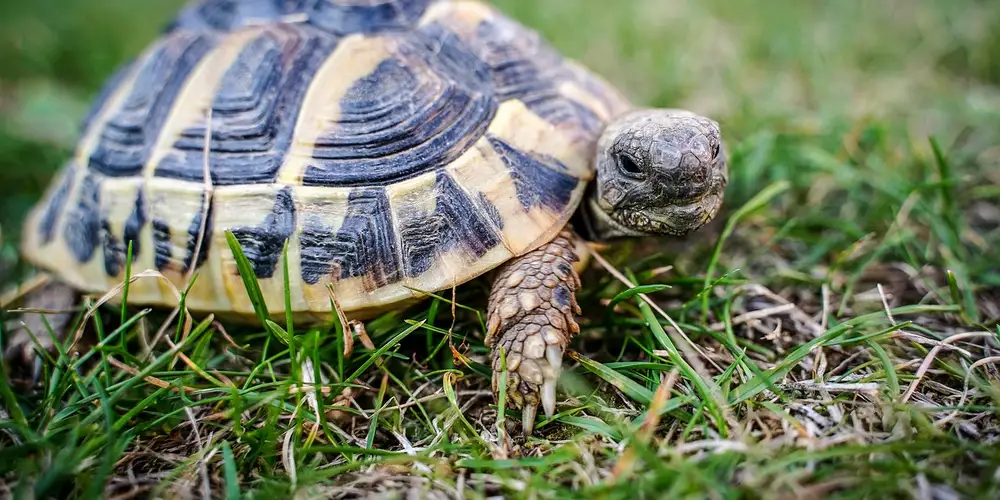
Your job isn’t over once your turtle settles in for the winter. Vigilant monitoring is the single most important factor for a safe brumation period. I learned this the hard way with Orwell one year when a sudden cold snap dropped his enclosure temperature too low, and I had to gently warm him back up.
Regular Checks and Tools
Think of yourself as a groundskeeper for a sleeping giant. You need the right tools for the job.
- Digital Thermometer: For precise temperature readings at a glance.
- Hygrometer: To monitor humidity levels and prevent dangerous dehydration.
- Digital Scale: For monthly weigh-ins to track any significant loss.
- Small Notebook: To log your observations and spot trends over time.
I check on Orwell weekly, keeping my interactions brief and calm to avoid startling him. This schedule gives me a consistent baseline without causing unnecessary stress.
Signs of Distress and Necessary Intervention
A brumating turtle should be still, but not lifeless. You need to know the difference.
- Significant Weight Loss: Losing more than 10% of body mass is a major red flag.
- Mucus Around Nostrils or Mouth: This can indicate a respiratory infection.
- Sunken Eyes or Skin: A clear sign of dangerous dehydration.
- Spontaneous Waking and Activity: This often means the environment is not correctly cooled.
If you notice any of these signs, it’s time to gently end brumation and consult your veterinarian. Trust your gut; you know your turtle best. If you’re unsure whether these signs mean your turtle needs to see a veterinarian, consider a quick consult with a reptile vet for guidance. Early professional input can help address potential issues before they escalate.
Post-Hibernation Care and Waking Process
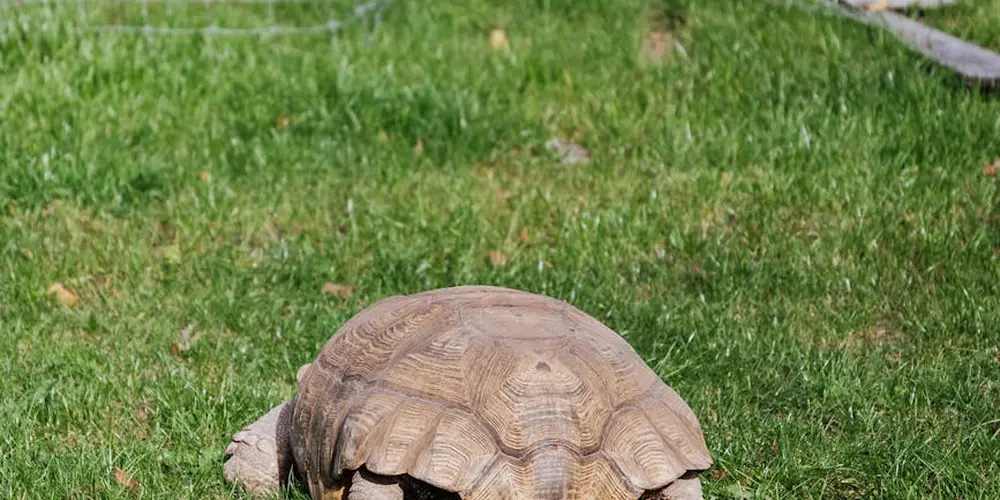
Waking up is a gradual process, not a sudden event. The goal is to mimic the slow, natural warming of spring in their native habitat. Rushing this stage can shock their system after months of slowed metabolism.
Gentle Waking and Reintroduction
When the days begin to lengthen, it’s time to help your turtle greet the world again.
- Move the entire enclosure to a slightly warmer room over 2-3 days.
- Provide a shallow dish of lukewarm water for soaking before offering any food.
- After their first soak, offer a small, easily digestible meal like chopped earthworms.
- Gradually increase daylight hours and food portions over the next two weeks.
I always let Orwell soak and rehydrate for a full day before he even thinks about food. His first meal is always a celebration of fresh greens and a single strawberry as a welcome-back treat.
Post-Brumation Health Checks
Once your turtle is fully alert and eating, a thorough health assessment is crucial.
- Check eyes and nose for any discharge.
- Inspect the shell for any new soft spots or abnormalities.
- Monitor their energy levels and appetite for a full return to normal.
- Weigh them again to establish a new post-brumation baseline.
Any lingering lethargy, refusal to eat after a week, or swelling around the eyes warrants an immediate vet visit. A post-brumation check-up can provide great peace of mind for the year ahead.
Common Questions
How can I tell if my box turtle is hibernating or dead?
A hibernating box turtle may show slight movement or retract its limbs when gently touched. If it is completely stiff, unresponsive, or has a foul odor, it could indicate death and require veterinary attention. If you’re unsure whether your turtle is dead or just hibernating, observe for any subtle breathing or movement. When in doubt, consult a reptile veterinarian for guidance.
What is the typical hibernation time for box turtles?
Box turtles generally brumate for 3 to 5 months, starting in late fall and ending in early spring. The exact timing depends on local climate conditions and the turtle’s health and species.
Are there special considerations for hibernating box turtles in California?
In California’s mild winters, box turtles may experience shorter or intermittent brumation periods due to warmer temperatures. Always monitor outdoor setups to prevent overheating and ensure a stable, cool environment for safety.
Your Path to Peaceful Hibernation
Focus on a secure, temperature-controlled enclosure and always assess your turtle’s health before hibernation begins. A well-prepared setup mimics nature’s cues, reducing risks and promoting restful dormancy. This is part of a complete guide to turtle brumation and hibernation, helping you navigate timing, precautions, and monitoring. Follow the guidance step by step for a safe, healthy dormancy.
From tending to Orwell, my reserved box turtle, I’ve seen how attentive care builds trust and longevity. Embrace learning as a lifelong part of pet ownership, ensuring your turtle thrives through every cycle of life.
Further Reading & Sources
- Hints On Hibernating Your Turtles and Tortoises
- Box Turtle Hibernation – Pismo Beach Veterinary Clinic
- BOX TURTLE CARE Thomas H. Boyer, DVM, DABVP, Reptile and Amphibian Practice
- Hibernating Box Turtles Inside | Box Turtle World
Matthew is a dedicated turtle enthusiast and conservationist with over 15 years of experience in reptile care. Known affectionately as "The Leatherback" among his peers, he combines his passion for turtles with a commitment to educating pet owners on responsible turtle care and environmental stewardship.
Winter Care