
How to Build Trust With Your New Pet Turtle
Published on: June 17, 2026 | Last Updated: June 17, 2026
Written By: Matthew The
Bringing home a new turtle can feel overwhelming, especially when they retreat into their shell at your slightest movement. It’s completely normal to worry if your turtle will ever feel safe and connected with you, but I promise, with gentle persistence, a beautiful bond can form.
Based on my years caring for Austen, my steady Russian Tortoise, graceful Bronte the Greek, and reserved Orwell the Box Turtle, I’ll guide you through the essentials. This article covers habitat setup, daily interaction routines, handling do’s and don’ts, and interpreting turtle behavior cues.
Understanding Your Turtle’s Behavior and Trust Cues
Learning to read your turtle’s subtle language is the first step toward a meaningful friendship. Their body speaks volumes long before they feel comfortable approaching you.
Watch for a relaxed, elevated head when you’re near; this is a sign of curiosity, not fear. My Russian tortoise, Austen, often does this when he hears my voice, a slow, deliberate motion that shows he’s paying attention. Slow, deliberate movements from your turtle indicate a calm and comfortable state.
You’ll know they’re truly at ease when they rest with their limbs and neck fully extended, soaking in the warmth of their basking lamp without a care in the world.
Interactions to Avoid to Prevent Fear
- Never approach from above, as you will mimic a predator. Always come from the side and at their level.
- Avoid sudden, loud noises or fast movements near their enclosure, which can send them retreating into their shell for hours.
- Resist the urge to pick them up frequently. Handling should be minimal, especially in the beginning, and always be gentle and supportive.
- Do not disturb them while they are sleeping or eating. These are vulnerable times, and interruptions can break trust.
Creating a Calm and Secure Habitat
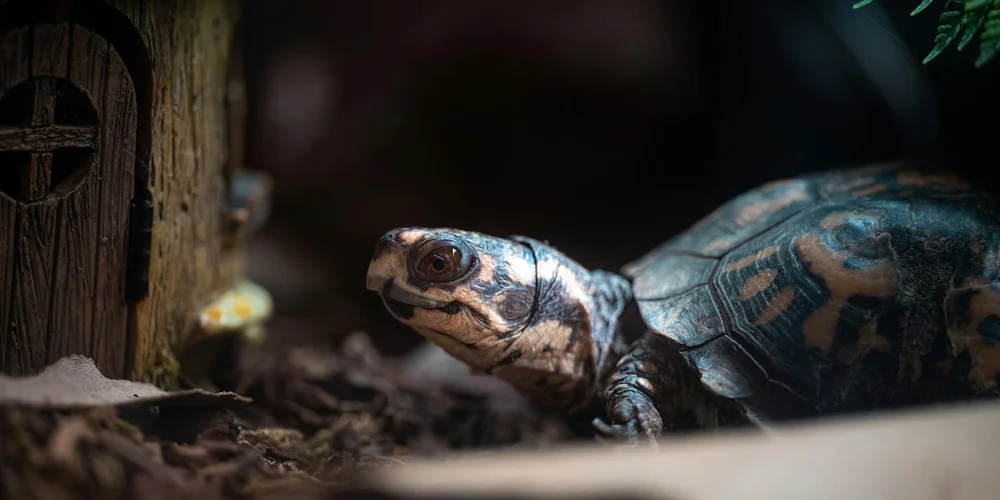
A turtle’s environment is their entire world, and a well-crafted one is the bedrock of trust. A stressed turtle in a poor habitat will never feel safe enough to bond with you.
Start with a proper enclosure that gives them ample room to roam, explore, and simply be a turtle. My box turtle, Orwell, thrives because he has space to satisfy his natural curiosity. Multiple hiding spots are non-negotiable, providing essential retreats for when they feel overwhelmed.
The basking area must offer a precise temperature gradient, allowing them to thermoregulate their body, while a high-quality UVB light is critical for their shell and overall health. The right substrate, like a mix of topsoil and coconut coir, lets them dig and burrow, a deeply instinctual behavior.
A quiet environment, away from the household’s main hustle, supports this entire trust-building process. Consistency in their surroundings tells them that their home is a predictable and safe place.
Essential Habitat Components for Reducing Stress
Think of this as a checklist for turtle contentment. Getting these elements right eliminates major sources of anxiety and paves the way for trust.
- Clean, Dechlorinated Water: Always available for drinking and, for aquatic species, swimming. Stagnant, dirty water is a huge stressor.
- Stable Water Quality: For aquatic turtles, a powerful filter is a must to keep their water pristine and their health optimal.
- Secure Hides: At least two-one on the warm side and one on the cool side-so they always have a safe place to retreat.
- Proper Enclosure Size: A common mistake is too small a tank or tortoise table. Bigger is always better for their mental well-being.
- Enrichment Items: Smooth rocks, untreated driftwood, and even edible plants like dandelion greens encourage natural behaviors and prevent boredom.
Gentle Handling and Slow Interaction Techniques
Approaching your turtle with care sets the foundation for trust. I learned this with Austen, my Russian Tortoise, who would retreat if I moved too quickly. Slow, deliberate actions show your turtle you mean no harm and encourage them to feel safe around you.
- Start by moving slowly toward your turtle, keeping your body low to appear less intimidating.
- Speak in a soft, calm voice to soothe them-I often hum gently to Bronte, my Greek Tortoise, which seems to relax her.
- Avoid sudden movements or loud noises that could startle them and erode their confidence.
When picking up your turtle, always support their entire shell with both hands. For Orwell, my Box Turtle, I gently scoop from below to prevent any feeling of instability. Proper handling prevents stress and helps your turtle associate you with safety and comfort.
Patience in every interaction pays off over time. Rushing can undo progress, as I noticed with Austen when I tried to hurry our bonding. Consistent, gentle patience teaches your turtle that you are a reliable and non-threatening presence.
Recognizing and Addressing Stress During Handling
Watch for subtle cues that your turtle is uncomfortable, like hissing or pulling into their shell. When Bronte does this, I pause and give her space. Responding calmly to stress signals reinforces that you respect their boundaries and care for their well-being.
- Hiding in their shell: Step back and wait for them to emerge before continuing.
- Rapid leg movements or attempts to flee: Reduce noise and movement to help them settle.
- Refusing food after handling: Offer a favorite treat later to rebuild positive associations.
Establishing a Consistent Care Routine
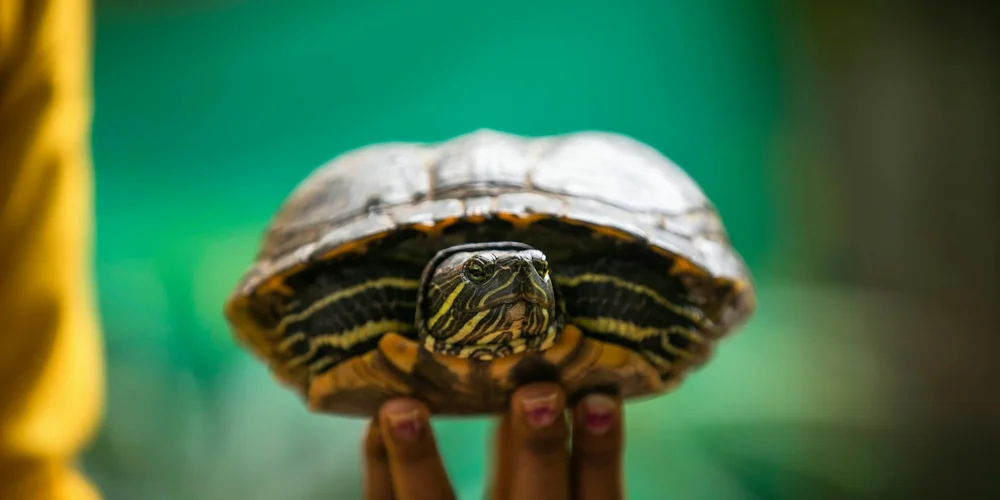
A predictable routine makes your turtle feel secure in their environment. I feed Austen at the same time each morning, which he now anticipates eagerly. Turtles do best with consistent portions and a regular, moderate feeding schedule. Regular schedules in feeding, cleaning, and interactions reduce uncertainty and build a trusting relationship.
- Feed your turtle at consistent times daily-this helps them learn to expect and trust your presence.
- Clean their habitat on a set schedule to maintain a healthy, stress-free space.
- Interact with them during specific periods, like gentle handling after feeding, to create reliable patterns.
Using Feeding and Enrichment for Bonding
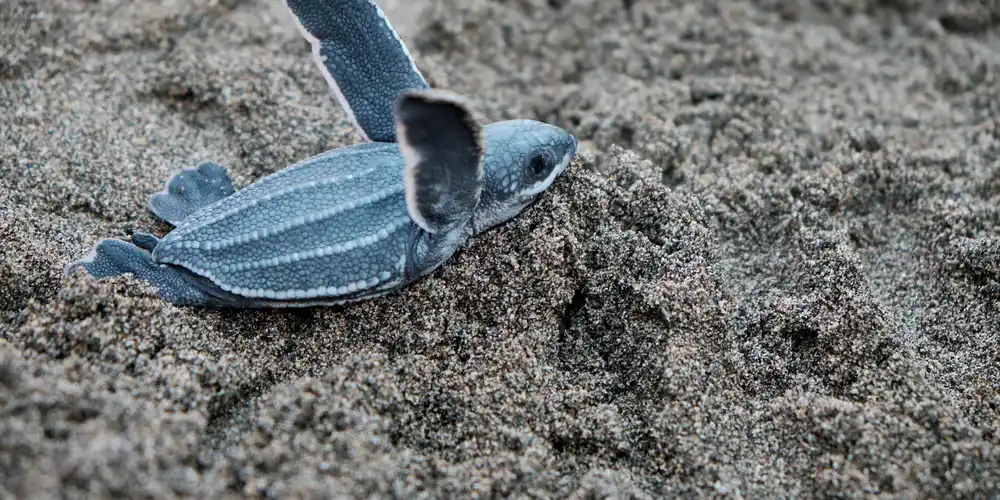
Food is a universal language, and for your turtle, it’s the first step toward friendship. I’ve found that slow, deliberate feeding methods completely change how my tortoises interact with me. Instead of just dropping food in the bowl, I stay present and make sure to avoid the common feeding mistakes.
Start by placing their regular food close to you. Sit quietly and let them eat while you’re near. This builds a positive association with your presence.
Hand-Feeding and Nutritious Treats
Once your turtle is comfortable eating near you, you can try hand-feeding special treats. Hand-feeding high-value treats was the breakthrough moment for my Greek tortoise, Bronte. She went from hiding to eagerly awaiting my visits. If you want to learn how to hand-feed a sick or reluctant turtle, check this guide.
- Use long, flat treats like a dandelion green or a small piece of zucchini slice. This keeps your fingers safe.
- Hold the treat steady and let your turtle come to you. Do not chase them with it.
- Offer these special treats sparingly to maintain their value and keep the diet balanced.
A healthy turtle is a happy, more receptive turtle. A nutritious diet directly supports their overall well-being, making them more curious and less stressed. Diet and nutrition also affect shell health: a balanced intake of calcium and other minerals helps keep shells strong. Inadequate or imbalanced nutrition can contribute to shell problems. A stressed turtle will always hide; a content one might just come out to say hello.
- Provide a base of dark, leafy greens like romaine and turnip greens.
- Add variety with safe flowers like hibiscus or nasturtiums.
- For protein, offer a small amount of soaked, high-quality turtle pellets.
Keeping Your Turtle Engaged
Boredom leads to stress, and stress breaks trust. Enrichment is not just for fun; it’s a critical part of making your turtle feel secure and engaged in its environment. A comfortable turtle is much more likely to trust you. Explore 15 practical ways to prevent boredom in the tank. These enrichment ideas help create a richer, safer habitat for your turtle.
- Rearrange their enclosure decor every few weeks. This encourages natural exploring behavior.
- Create a “dig box” with organic soil or coconut coir for burrowing species.
- Place food in different spots or in a puzzle feeder to stimulate their mind.
- Add safe, smooth rocks and pieces of wood to create a more complex and natural landscape.
Timeline for Building Trust and What to Expect
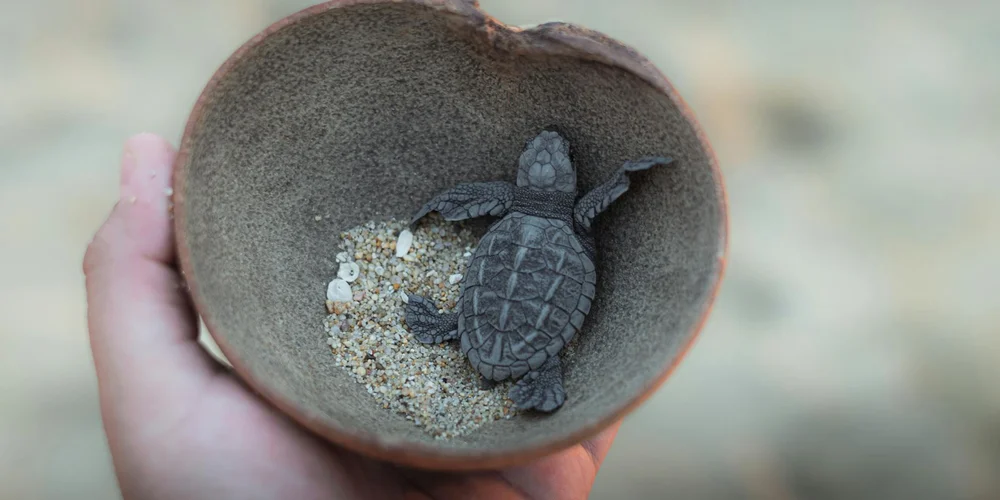
Trust with a turtle is not built in a day. Think of this process not as a race, but as a slow, gentle walk where your turtle sets the pace. My box turtle, Orwell, took nearly a month to even eat in front of me.
- Initial Settling (Days 1-7): Your turtle may not eat much and will hide constantly. This is normal. Your role is to be a calm, non-threatening presence.
- Early Recognition (Weeks 2-3): They may start to recognize you as the food-bringer. You might see a head pop up when you enter the room.
- Active Engagement (Weeks 4-6): This is when hand-feeding often becomes possible. Your turtle might approach the front of the enclosure when you’re near.
- Maintained Trust (Months 2+): Your turtle is now comfortable with your routine. They see you as part of their safe world, not a threat.
Patience is your most important tool. Observing even the smallest progress, like a slightly shorter hiding time, is a cause for celebration. Each turtle is an individual, and their timeline will be unique.
Weekly Milestones in Trust-Building
Breaking it down week by week can help you see the subtle progress.
- Week 1: Focus on consistency. Perform tank maintenance and feed at the same times each day. Do not attempt to handle your turtle.
- Weeks 2-3: Begin sitting by the enclosure for 10-15 minutes daily, reading or talking softly. Your goal is simple, calm exposure.
- Weeks 4-5: Introduce the slow feeding methods mentioned above. This is the time to try offering a long, hand-held treat.
- Weeks 6 and Beyond: Your turtle likely associates you with positive things. You can now experiment with very short, gentle handling sessions if your species tolerates it, always putting their comfort first.
FAQs
How can I tell if my turtle is starting to trust me?
Look for behaviors like your turtle approaching the enclosure glass when you’re near or not retreating immediately upon your arrival. These signs indicate they are becoming more comfortable and curious about your presence. If you notice unusual or sudden changes in behavior, a quick turtle behavioral diagnostic checklist can help you determine why your turtle is acting strange. It guides you to check factors like enclosure temperature, lighting, diet, and stressors so you can address the issue effectively.
What should I do if my turtle seems scared all the time?
Ensure their habitat has plenty of hiding spots and is in a quiet area to reduce stress factors. Be patient and maintain a consistent routine, as sudden changes can heighten fear and delay trust-building.
Is it safe to let my turtle explore outside its enclosure for bonding?
Only allow supervised exploration in a secure, enclosed area free from hazards like other pets or small spaces where they could get stuck. Keep sessions short to prevent stress and always return them gently to their habitat.
Your Journey to a Trusting Turtle Bond
Building trust with your turtle is a slow, steady process built on a foundation of patience and keen observation. By providing a consistent routine and respecting their unique personality, you create a safe space where a genuine connection can flourish.
Remember that responsible turtle guardianship is a lifelong commitment to learning and adapting. Continue to educate yourself on their specific needs, and you’ll be rewarded with a fascinating, long-term companion whose trust is a true privilege to earn. 🐢 For practical guidance, consult our land and aquatic turtles guide. It covers habitat setup, diet, and health care for both land and aquatic species.
Further Reading & Sources
- How Can I Get My Turtle to Trust Me?
- r/turtle on Reddit: How can I get my turtle to like me
- How To Make Your Turtle Not Afraid Of You? – Clever Pet Owners
- Red Eared Slider Handling & Behavior Notes – ReptiFiles
Matthew is a dedicated turtle enthusiast and conservationist with over 15 years of experience in reptile care. Known affectionately as "The Leatherback" among his peers, he combines his passion for turtles with a commitment to educating pet owners on responsible turtle care and environmental stewardship.
Understanding Turtle Behavior