
Turtle Feeding Schedule: How Often and How Much to Feed
Published on: January 22, 2026 | Last Updated: January 22, 2026
Written By: Matthew The
Are you wondering how often to feed your turtle or how much food is just right, worried you might harm their health by getting it wrong? I’ve felt that uncertainty myself while caring for my turtles like steady Austen and thoughtful Bronte.
This article covers feeding frequency, portion sizes, species differences, and signs of proper nutrition.
Understanding Your Turtle’s Basic Feeding Schedule
Consistency is the heartbeat of a healthy turtle feeding routine. Your turtle’s internal clock relies on a predictable schedule to regulate digestion and metabolism. I’ve seen my Russian tortoise, Austen, become visibly more active and alert when his meals arrive at the same time each day.
Learning to read your turtle’s unique language is part of the joy. Watch for them swimming to the front of the tank when you approach or eagerly following your finger along the glass. My Greek tortoise, Bronte, makes a gentle, deliberate beeline for her food dish, a clear signal she’s ready.
A simple, effective routine can guide your feeding habits.
- For young, growing turtles: Offer a small amount of food daily.
- For adult turtles: Feed them a proper portion every other day.
- Always provide fresh, leafy greens for grazing, even on “off” days.
- Remove any uneaten food after 15-20 minutes to keep their habitat clean.
Building a Nutritious Turtle Diet: What to Include
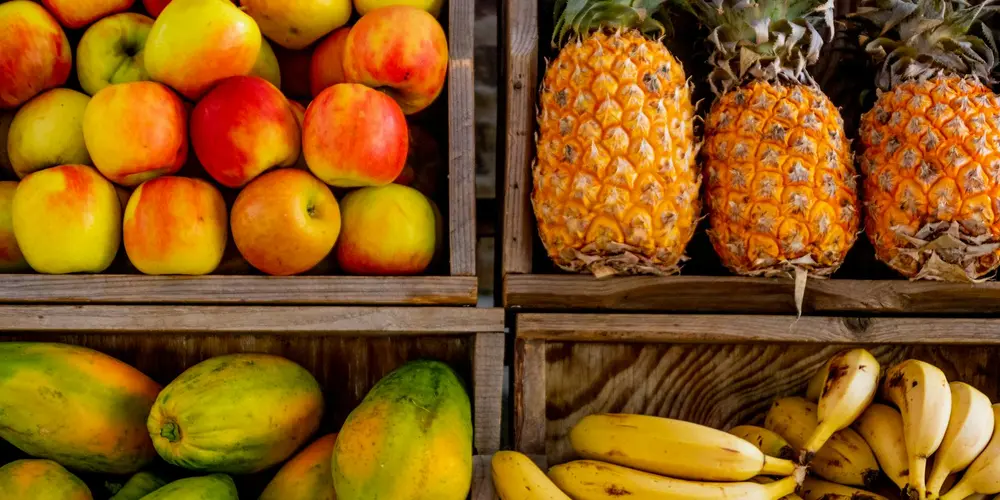
A balanced turtle diet is like a colorful mosaic, each piece vital for their well-being. Think of commercial turtle pellets as the foundational base, packed with essential vitamins and minerals. I use high-quality pellets as the main course for my box turtle, Orwell, ensuring he gets a complete nutritional start. Many keepers weigh the pros and cons of commercial diets versus homemade options to protect turtle health. A blended approach often brings better variety while still ensuring nutrient completeness.
Fresh greens and vegetables add texture and vital nutrients. Dark, leafy greens like dandelion greens and collard greens should be a daily staple for most species. I always wash them thoroughly to remove any pesticide residue, a simple step for their safety.
Protein sources are crucial, especially for younger, more carnivorous turtles. Offer live or frozen prey like earthworms or bloodworms to stimulate their natural hunting instincts. Watching Orwell patiently stalk a worm is a fascinating glimpse into his wild ancestry.
Calcium is non-negotiable for a strong, healthy shell. I always keep a cuttlebone in all my turtles’ enclosures for them to gnaw on as needed. A light dusting of a calcium and vitamin D3 supplement on their food a few times a week provides an extra safeguard against metabolic bone disease.
Knowing what to avoid is just as important as knowing what to feed.
- Safe Foods: Romaine lettuce, bell peppers, zucchini, green beans, cooked sweet potato, raspberries, earthworms, commercially raised snails.
- Unsafe Foods: Iceberg lettuce (mostly water, no nutrients), avocado, rhubarb, dairy products, processed human foods, raw meat, fireflies (highly toxic).
How Feeding Frequency Changes with Age and Species
Your turtle’s feeding schedule isn’t a one-size-fits-all plan. The right frequency depends heavily on their life stage and whether they spend most of their time in water or on land. Getting this right is the foundation of a long, healthy life for your shelled friend. For aquatic turtles, a balanced diet typically includes live foods and pellets, and plenty of vegetables. This mix supports growth, energy, and overall health.
Feeding Juvenile Turtles: High Frequency for Growth
Young turtles are like little eating machines, and for good reason. Their bodies are building bone and shell at an incredible rate, requiring a steady supply of nutrients. My Russian tortoise, Austen, was a voracious eater in his youth.
- Feed juvenile turtles daily to support their rapid development.
- Their diet should be heavily weighted towards protein-rich foods to fuel growth.
- For hatchlings, offer an amount of food roughly the size of their head at each meal.
- Suitable foods include small, gut-loaded insects, finely chopped worms, and high-quality commercial pellets.
Feeding Adult Turtles: Slower Pace for Maintenance
As turtles mature, their metabolism slows way down. Overfeeding an adult turtle is one of the most common mistakes and can quickly lead to obesity and shell pyramiding. My Greek tortoise, Bronte, now enjoys a much more relaxed eating routine.
- Most adult turtles thrive on being fed every other day or even just 3-4 times a week.
- Their diet should shift to be primarily leafy greens and vegetables, with protein offered only once or twice a week.
- Monitor their weight by feeling the space above their back legs; it should be firm, not sunken or bulging.
- A healthy adult turtle should have a smooth, hard shell and be active and alert.
Species-Specific Feeding Frequency Guide
| Species Type | Juvenile (Under 1 year) | Adult (1 year +) |
|---|---|---|
| Aquatic Turtles (e.g., Red-Eared Slider) | Daily feeding of protein-rich pellets and live prey. | 3-4 times per week; shift to 50% plant matter. |
| Land Turtles/Tortoises (e.g., Russian, Greek) | Daily feeding of mixed greens and occasional protein. | Every other day; diet is almost entirely leafy greens and weeds. |
| Semi-Aquatic Turtles (e.g., Box Turtle) | Daily feeding of a balanced mix of protein, fruits, and vegetables. | 3-4 times per week; varied diet of insects, veggies, and some fruit. |
Determining the Right Portion Size for Each Meal
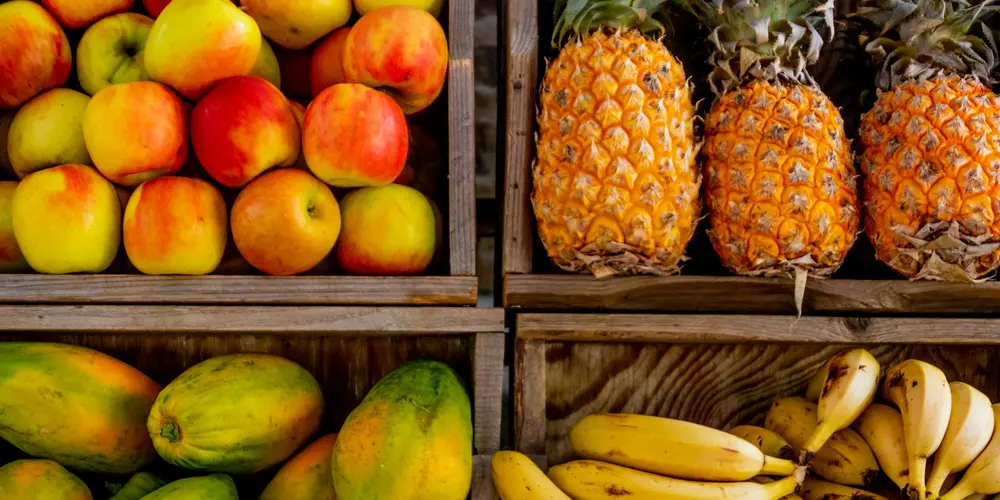
Figuring out the perfect amount of food can feel tricky, but a few simple rules make it easy. Portion control is just as critical as feeding frequency for maintaining your turtle’s health.
The most reliable method I’ve used is the “head size” rule. Imagine a hollow version of your turtle’s head and neck. The total volume of food you offer at a single meal should be roughly equal to that space. This provides a visual portion that grows appropriately with your turtle.
Watch for these visual cues during and after feeding to check your portions:
- Food is completely consumed within 5-15 minutes. This is the ideal scenario.
- There is a significant amount of food left uneaten after 20 minutes. This means you offered too much.
- Your turtle scavenges frantically and seems unsatisfied. You may be underfeeding.
- You notice excessive weight gain or fatty deposits near the legs. This is a clear sign of chronic overfeeding.
Step-by-Step Guide to Assessing Portion Size
- Prepare a meal using the “head size” rule as your initial guide.
- Place the food in your turtle’s enclosure and start a timer.
- Observe their eating behavior. Are they eating steadily or losing interest?
- Check the enclosure after 15 minutes. Is all the food gone?
- Adjust the amount for the next meal based on what was left uneaten. Slightly decrease if there was waste, slightly increase if it was gone in just a couple of minutes.
- Repeat this process for a week to dial in the perfect, consistent portion for your individual turtle.
Seasonal Adjustments to Your Turtle’s Feeding Schedule
As a turtle owner for over a decade, I’ve learned that seasons shape your pet’s eating habits like tides shift the shore. Water temperature and daylight length directly influence your turtle’s appetite and digestion speed. Colder water slows their metabolism, making food take longer to process, while warmer temps rev up their hunger. My Russian Tortoise, Austen, often eats less in autumn as days shorten, a natural rhythm I’ve come to respect, along with how weather and barometric pressure affects their behavior.
During winter, many turtles enter a dormant phase. For hibernating species, reduce feeding gradually and stop entirely before they bed down. With my Greek Tortoise, Bronte, I cut back her meals weeks before her winter rest to prevent digestive issues. Indoor turtles might not hibernate, but still need lighter feeding—perhaps once weekly—to match their lowered activity. These notes form part of a complete guide to turtle brumation and hibernation. It covers feeding timing, housing preparation, and monitoring during dormancy.
- Monitor your turtle’s weight and behavior; if they’re less active, scale back food amounts.
- Ensure their habitat mimics natural light cycles to support these seasonal cues.
Summer brings a burst of energy, so ramp up feeding to fuel their adventures. Increase portions or offer meals more frequently, like adding an extra serving of greens or protein. Orwell, my Box Turtle, thrives on this adjusted schedule, eagerly munching on worms and veggies under the longer, sunnier days.
Spotting and Fixing Common Feeding Problems

Over the years, I’ve seen how feeding missteps can affect turtle health, and early detection is key. Overfeeding often shows up as shell pyramiding-where scutes rise unevenly-or general lethargy from carrying extra weight. I once overfed a rescue turtle, and his sluggishness was a clear wake-up call to cut back. Learning about common turtle feeding mistakes helps you avoid them. Follow a balanced plan and monitor weight to keep your turtle healthy.
- Signs of overfeeding: Uneven shell growth, refusal to eat, bloated appearance, or reduced mobility.
- Symptoms of underfeeding: Noticeable weight loss, lack of energy, sunken eyes, or a dull shell.
If you notice weight issues, act gently to correct them. For underfed turtles, gradually increase food with nutrient-rich options like leafy greens or commercial pellets. Start with small, frequent meals to avoid shocking their system. For overfed pets, reduce portions slowly and focus on a balanced diet to shed excess pounds without stress. Learn how to tell if your turtle is overweight or underweight, so you can effectively manage their diet.
- Assess your turtle’s body condition by feeling for a firm shell and healthy weight.
- Adjust feeding amounts by 10-20% weekly, monitoring changes in activity and appearance.
- Consult a vet if problems persist, as underlying issues might need professional care.
Safely Transitioning Between Different Turtle Foods
Switching your turtle’s diet too quickly can upset their delicate digestive system, leading to stress or health issues. I’ve found that a slow, steady approach works best, much like how my Russian tortoise, Austen, prefers a calm, predictable routine. From my years of caring for Austen, Bronte, and Orwell, I’ve learned that patience here pays off in their overall well-being. If you’ve been feeding commercial fresh foods, begin a slow transition by mixing in greens and hay and reducing the commercial items. This gradual switch helps prevent digestive upset as you move away from commercial fresh foods.
- Begin by mixing 75% of their current food with 25% of the new food for about 3-5 days.
- Gradually shift to a 50-50 blend over the next 3-5 days, watching for any signs of discomfort.
- Move to 25% old food and 75% new food for another 3-5 days before fully switching.
- If your turtle shows reluctance or digestive upset, slow down the timeline-some, like my Greek tortoise Bronte, need extra time to adapt.
During this phase, keep the total portion size consistent to avoid overfeeding. Adjust the mix ratios without increasing the overall amount, as sudden changes in quantity can add unnecessary stress. For instance, with Orwell, my box turtle, I maintained his usual serving while tweaking the blend, which helped him transition smoothly without weight fluctuations.
Adjusting Feeding for Sick or Recovering Turtles
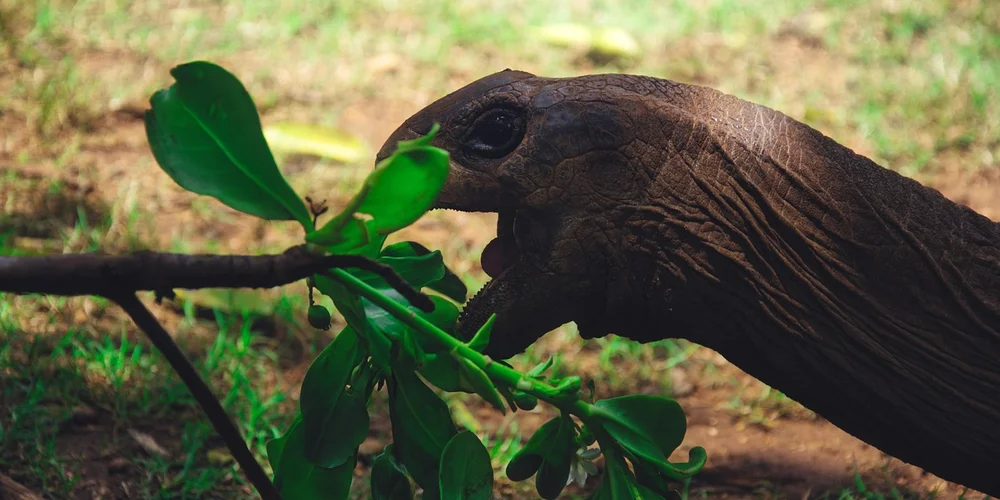
Illness often reduces a turtle’s appetite, making it essential to modify their feeding routine gently. When Bronte was recovering from a respiratory issue, I noticed her eating less, which is common as their bodies focus energy on healing. This personal experience taught me to prioritize easy-to-digest options and smaller, more frequent meals to support recovery without overwhelming them.
Offer soft, moist foods like soaked pellets, pureed leafy greens, or finely chopped vegetables that are gentle on their system. Feeding smaller amounts every other day, instead of daily, can prevent digestive strain and encourage gradual intake. For example, with Orwell during a sluggish period, I shifted to offering food every 48 hours, which helped him regain strength without pressure.
If your turtle refuses food for more than a few days or shows worsening symptoms like lethargy or weight loss, seek veterinary assistance promptly. Persistent feeding issues can signal underlying health problems that require professional care to ensure your turtle’s welfare. Many of the 11 turtle health misconceptions that delay critical vet visits contribute to late diagnoses. Understanding these myths can help you seek care sooner. I always advocate for early vet visits, as timely intervention made a big difference for my turtles’ recoveries.
FAQs
How does age affect feeding frequency?
Young turtles require daily meals to fuel their rapid growth and development. Adult turtles need less frequent feeding, such as every other day, to maintain a healthy weight and avoid metabolic issues.
What are signs of overfeeding in turtles?
Overfeeding may lead to shell deformities like pyramiding and cause lethargy or obesity. You might also observe leftover food after meals or a bloated appearance in your turtle.
What are signs of underfeeding in turtles?
Underfed turtles often exhibit noticeable weight loss, sunken eyes, and a lack of energy. Their shells can become dull, and they may constantly search for food or appear weak.
Should feeding schedules change with the seasons?
Yes, reduce feeding in colder months when turtles are less active or hibernating to match their slowed metabolism. During winter brumation, turtles’ appetite and metabolism drop significantly, so minimal feeding is appropriate. As temperatures rise and brumation ends, gradually increase feeding again to support renewed activity. For more details on this, refer to the guidelines on feeding during winter brumation. Increase portions or frequency in warmer seasons to support higher energy needs and activity levels.
How can I adjust feeding for turtles recovering from illness?
Offer smaller, more frequent meals with soft, easy-to-digest foods to prevent digestive strain. Monitor their appetite and gradually reintroduce regular feeding as they show signs of recovery and improved health.
Your Turtle’s Feeding Routine Made Simple
From my time with Austen, Bronte, and Orwell, I stick to feeding juveniles daily and adults every other day. Measure portions carefully and mix greens, proteins, and calcium to keep your turtle healthy and active.
Watch your turtle’s habits and weight to catch any changes early. If you notice signs like lethargy, a drop in appetite, breathing changes, or shell problems, your turtle may need to see a veterinarian. When in doubt, consult a reptile vet early rather than waiting for symptoms to worsen. Stay engaged with turtle care communities and resources to grow alongside your pet and support their welfare for years.
Further Reading & Sources
- r/turtle on Reddit: How often should I be feeding my turtle?
- How Often (and How Much) Should You Feed Your Aquatic Turtle? A Detail – BUBBLE-MAGUS
- How Often Should You Feed Your Pet Turtle?
- How Much & How Often to Feed Turtles: Vet-Reviewed Guide | Hepper Pet Resources
Matthew is a dedicated turtle enthusiast and conservationist with over 15 years of experience in reptile care. Known affectionately as "The Leatherback" among his peers, he combines his passion for turtles with a commitment to educating pet owners on responsible turtle care and environmental stewardship.
Feeding Schedules