
Do Turtles Have Beaks? How They Work and If They Grow
Published on: June 23, 2026 | Last Updated: June 23, 2026
Written By: Matthew The
If you’ve ever peered at a turtle’s mouth and questioned if that hard, curved structure is a beak, you’re tapping into a common curiosity-and perhaps a worry about how it affects their eating or health.
We’ll dive into: whether turtles have beaks, how these beaks function in daily life, and if they grow and require care.
The Anatomy of a Turtle Beak: What Is It Made Of?
If you’ve ever looked closely at my Russian tortoise, Austen, you’ve seen that distinctive, hard mouth. A turtle’s beak is composed of keratin, the same protein that makes up our fingernails and hair. This isn’t a soft, fleshy mouth like a dog or cat has.
This keratin forms a continuous sheath over the jawbones, creating a sharp, scissor-like edge. I’ve noticed that the texture varies slightly between my turtles; Austen’s feels incredibly smooth, while my box turtle Orwell’s has a more textured, almost serrated feel. This robust structure is perfectly designed for a life of gripping, tearing, and crushing food.
The very edge of the beak, where the upper and lower parts meet, is called the tomium. This is the business end. Keeping this edge properly aligned is crucial for your turtle’s health and ability to eat comfortably. An overgrown or misaligned beak can cause serious problems, which is why observing its condition is a key part of responsible care.
How Turtle Beaks Function in Feeding and Behavior
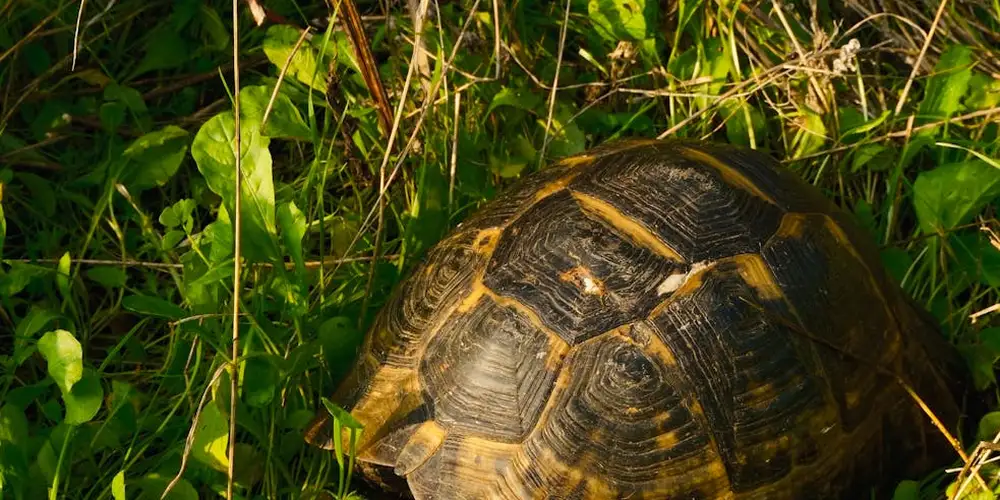
Watching my turtles eat is a masterclass in evolutionary design. Their beaks are not just for show; they are multifunctional tools. A turtle uses its beak like a combination of scissors, nutcracker, and grappling hook.
Each of my turtles has a slightly different technique, shaped by their natural diet:
- Austen, my Russian tortoise, uses his beak to neatly snip off tough grasses and leafy greens. He makes a precise, clipping motion.
- Bronte, the Greek tortoise, employs a more delicate tearing action for her mixed greens and edible flowers. She is very methodical.
- Orwell, the box turtle, has the most varied use. I’ve seen him crush snails, tear apart worms, and even munch on soft fruits with a powerful, crushing bite.
The function extends beyond mealtime. Turtles also use their beaks for manipulating objects in their environment and even for gentle social interactions. I’ve seen Bronte gently “taste” or nudge another turtle with her beak, a form of communication. It’s a vital part of how they experience their world.
You can often hear the sound of a healthy beak at work—a satisfying *snip* or *crunch*. If that sound changes or you see your turtle struggling to pick up food, it’s a clear sign the beak may need attention. If your turtle isn’t eating, that clue can help you troubleshoot their care. Encourage eating by offering a variety of tempting, appropriately sized foods and sticking to a regular feeding schedule. Providing cuttlebone and appropriate rough foods helps them naturally maintain this essential tool.
Do Turtle Beaks Grow and Change Over Their Lifespan?
Yes, turtle beaks grow continuously throughout their lives, much like your fingernails. This constant growth helps them maintain a functional shape despite daily wear from eating and exploring. I’ve watched Austen, my Russian Tortoise, slowly reshape his beak over the years by munching on tough greens and occasional cuttlebone. Over a turtle’s lifespan, growth in shell size and body mass can be gradual, taking years to reach full size. This slow, lifelong growth means beak maintenance matters at every stage of life.
Keratin, the same protein in human nails, forms their beaks and requires regular abrasion to prevent overgrowth. In captivity, a lack of proper chewing surfaces can lead to beak overgrowth, making eating difficult and painful. With Bronte, my Greek Tortoise, I provide rough-textured foods and calcium blocks to keep her beak naturally trimmed.
How to Support Healthy Beak Growth
- Offer hard vegetables like carrots or squash for gnawing.
- Include cuttlebone or mineral blocks in their habitat.
- Schedule regular vet check-ups to catch early signs of overgrowth.
Overgrown beaks can curve oddly, blocking the mouth and causing weight loss. I learned this firsthand when Orwell, my Box Turtle, needed a gentle filing after his beak grew too long from a soft-food diet. Always monitor your turtle’s beak shape and seek professional help if changes seem off.
Variations in Turtle Beaks Across Different Species

Turtle beak shapes vary dramatically based on diet and lifestyle, reflecting their unique evolutionary paths. Herbivorous species often have broad, flat beaks ideal for grinding plants, while carnivorous turtles sport sharp, hooked beaks for tearing prey. Observing Austen’s sturdy, rounded beak compared to Orwell’s more pointed one shows how diet dictates form.
My Greek Tortoise, Bronte, has a delicate, slightly curved beak perfect for nibbling tender leaves and flowers. In contrast, aquatic turtles like sliders may have stronger, serrated edges to crush snails or insects. This diversity means care must be tailored to each species’ natural habits.
Common Beak Types in Pet Turtles
- Russian Tortoises: Robust and blunt for tough vegetation.
- Greek Tortoises: Gracefully curved for selective grazing.
- Box Turtles: Versatile, with a mix of sharp and flat areas for omnivorous diets.
Species like snappers have powerfully hooked beaks that can deliver a nasty bite, so handling requires extra caution. Understanding these differences helps you choose the right foods and enrichment to keep your turtle healthy and happy. I adjust Bronte’s diet with more fibrous greens to match her beak’s design, promoting natural wear. In the wild, snapping turtles eat fish, amphibians, and some vegetation. Captive diets should mirror that balance.
Beak color can also hint at health or species traits, from pale yellows to dark browns. Regularly comparing your turtle’s beak to species standards ensures you’re meeting their specific needs and advocating for their well-being. With proper attention, those beaks will stay functional and fascinating for years to come.
Identifying a Healthy Beak in Your Pet Turtle

You can easily spot a healthy beak by its smooth, even shape and firm texture. Regular checks on your turtle’s beak help you catch issues early and keep them thriving. I often examine Austen’s beak during our handling sessions; it should feel solid and look symmetrical without any rough edges.
A balanced diet plays a big role in beak maintenance. Offering a mix of leafy greens and occasional hard foods encourages natural wear. With Bronte, I’ve seen how consistent nutrition keeps her beak in top condition-it’s a golden brown marvel that matches her graceful personality.
- Smooth surface without cracks or chips
- Even length that doesn’t obstruct eating
- Firm structure that resists flaking
- Natural coloration without discoloration
Watch how your turtle uses its beak during meals. A healthy beak allows for precise biting and tearing of food without struggle. Orwell, my Box Turtle, shows this perfectly when he nibbles on insects—his dark brown beak moves with reserved intelligence. In cases where a turtle is sick or reluctant to eat, hand-feeding can help ensure it gets enough nourishment. Watching his response during gentle hand-feeding can also guide your care.
Common Beak Problems and How to Address Them
Beak issues often stem from diet or environment, but they’re manageable with care. Overgrowth is a frequent problem that can lead to eating difficulties if left unchecked. I’ve dealt with minor overgrowth in my turtles by adjusting their habitat and food choices. One practical step is to gradually wean your turtle off unhealthy, addictive foods and replace them with a balanced, varied diet. This approach helps prevent beak issues and supports long-term health.
Cracks or splits in the beak need immediate attention. These can expose sensitive tissue and increase infection risk. Providing cuttlebone or rough stones for chewing helps prevent such damage naturally.
Signs Your Turtle’s Beak Needs Professional Attention
Certain symptoms mean it’s time to consult a vet. Bleeding, severe asymmetry, or refusal to eat are clear red flags. When Austen once showed signs of discomfort, a quick vet visit saved us from bigger troubles.
- Visible bleeding or swelling around the beak
- Excessive overgrowth causing mouth misalignment
- Persistent difficulty grasping or chewing food
- Unusual discharge or foul odor
Never attempt to trim a severely overgrown beak yourself. Vets have the right tools and expertise to handle delicate procedures safely. Animal welfare comes first, so prioritize professional help for serious issues.
At-Home Care and Prevention for Beak Health
Simple daily habits can keep your turtle’s beak in great shape. Incorporate hard, chewable items into their environment to promote natural wear. I always include pieces of carrot or squash in Bronte’s meals—she loves the crunch, and it benefits her beak. Source fresh, pesticide-free produce and prepare it into bite-sized pieces for easy chewing. This helps ensure your turtle gets a varied, nutritious, fresh-food routine that supports natural wear on the beak.
- Provide a varied diet with calcium-rich foods
- Offer cuttlebone or mineral blocks for gnawing
- Schedule regular beak inspections during handling
- Ensure clean water and habitat to reduce stress
Monitor your turtle’s behavior during feeding times. A proactive approach prevents most beak problems before they start. From my years with Orwell, I’ve learned that consistency in care makes all the difference for their long-term health. Being aware of common feeding mistakes helps you avoid them. Watch for overfeeding, inappropriate foods, and inconsistent feeding schedules to keep beak health on track.
Guidance on Beak Trimming and Maintenance for Pet Turtles

An overgrown beak isn’t just a cosmetic issue; it can make eating difficult and even painful for your turtle. I’ve seen this firsthand with my Greek tortoise, Bronte, who developed a slight overhang that made munching on her dandelion greens a clumsy affair. It’s a common problem in captivity, where their diet and environment don’t always provide the natural wear and tear they’d get in the wild.
Signs Your Turtle’s Beak Needs Attention
You don’t need to be a herpetologist to spot a potential problem. Keep an eye out for these telltale signs during your regular interactions.
- The upper beak extends noticeably beyond the lower jaw.
- You notice a misalignment, where the beak doesn’t close evenly.
- Your turtle is dropping food or having trouble grabbing it.
- They show a sudden lack of interest in eating.
- You hear a clicking sound when they try to close their mouth.
Natural Beak Maintenance vs. Manual Trimming
The best approach is always to prevent overgrowth before it starts. A proper diet and habitat setup are your first and most powerful lines of defense for a healthy beak.
| Natural Maintenance | Manual Trimming |
|---|---|
| Offering whole prey (like snails with shells for aquatic turtles) and crunchy vegetables helps grind the beak down naturally. | A necessary procedure when the beak is already overgrown and causing functional problems. |
| Providing a cuttlebone allows them to chew and self-regulate calcium intake, which also files the beak. | Should only be performed by a trained veterinarian or an experienced reptile keeper. |
| Feeding on a rough stone or slate tile creates friction during mealtime. | Involves specialized tools like a Dremel or nail clippers designed for reptiles. |
How Beak Trimming is Safely Performed
If your turtle needs a trim, leave it to the professionals. The beak contains a blood and nerve supply, called the quick, and cutting into it is painful and can cause significant bleeding. A vet will safely restrain your turtle and use a rotary tool to gently file the overgrown keratin back to a proper length, avoiding the sensitive inner tissue. It’s a quick, precise process that brings immediate relief.
After Bronte’s minor beak adjustment, her dexterity with food returned almost instantly. Watching her confidently bite into a piece of cactus pad was a simple but powerful reminder of how a small aspect of care can dramatically improve their quality of life. Regular observation and providing the right tools for natural wear are the kindest things you can do for your shelled companion.
FAQs
Do all turtles have beaks?
Yes, every turtle species has a beak made of keratin. This structure is essential for feeding and is present in both land and aquatic turtles.
Is a turtle’s beak considered its mouth?
A turtle’s beak functions as its mouth, housing the jaw and feeding mechanisms. It replaces soft, fleshy lips with a hard, efficient tool for eating. This is a basic element of turtle anatomy, illustrating how the beak fits with the shell and limbs to support feeding and overall structure.
Do sea turtles have beaks?
Yes, sea turtles have beaks that are specialized for their ocean diets. These beaks help them slice through jellyfish or crush hard-shelled prey like crabs. They also eat fish and other seafood when opportunities arise.
Why do turtles have beaks instead of teeth?
Beaks provide turtles with a strong, versatile tool for handling diverse foods without teeth. This adaptation supports their survival across various habitats and diets. When people wonder whether sea turtles have teeth, the answer is no—sea turtles have beaks and no teeth.
Can a turtle’s beak recover from damage?
Minor beak injuries can heal as new keratin grows continuously. For serious cracks or breaks, veterinary care is needed to ensure proper healing and function.
Final Thoughts on Your Turtle’s Beak
Your turtle’s beak is a vital, keratin-made tool that requires the right diet to stay naturally trimmed and healthy. Offering a balanced mix of foods with appropriate textures is the best way to support its beak function and prevent overgrowth.
Responsible turtle care means observing your pet closely and committing to lifelong learning about their unique biology. Staying curious and informed is the most powerful way to ensure you provide a thriving, enriching life for your shelled companion.
Further Reading & Sources
- Development, structure, and protein composition of the corneous beak in turtles – Alibardi – 2021 – The Anatomical Record – Wiley Online Library
- Development, structure, and protein composition of the corneous beak in turtles – PubMed
- Rhamphotheca – an overview | ScienceDirect Topics
- The Pipsqueakery – Facebook
Matthew is a dedicated turtle enthusiast and conservationist with over 15 years of experience in reptile care. Known affectionately as "The Leatherback" among his peers, he combines his passion for turtles with a commitment to educating pet owners on responsible turtle care and environmental stewardship.
Turtle Myths and Misconceptions