
How to Source and Prepare Fresh Foods for Your Turtle
Published on: January 8, 2026 | Last Updated: January 8, 2026
Written By: Matthew The
Feeding your turtle fresh foods might seem tricky, especially when you worry about where to find safe options and how to prepare them without harming your pet.
sourcing safe foods, washing and cutting techniques, creating balanced meals
Why Fresh Foods Are Vital for Turtle Nutrition
Processed turtle pellets are convenient, but they often lack the vibrant nutrients found in whole, fresh foods. Fresh greens, vegetables, and live prey provide a complex matrix of vitamins, minerals, and moisture that processed kibble simply cannot replicate. This natural diet supports better digestion and a more robust immune system.
Offering a rotating menu of fresh items directly impacts your turtle’s physical resilience. A varied diet rich in calcium and vitamins is fundamental for building a strong, smooth shell and supporting overall vitality. Think of their shell as their armor; you want it to be unbreakable, not brittle.
I’ve seen this firsthand with my own turtles. My Russian tortoise, Austen, used to be a sluggish eater on a pellet-heavy diet. Since switching to a fresh diet of dandelion greens and hibiscus flowers, his energy has soared and his brown and tan shell has a much healthier sheen. Bronte, my graceful Greek tortoise, has become even more active and curious since I introduced a wider variety of fresh produce into her meals.
Where to Source Fresh Turtle Foods Responsibly
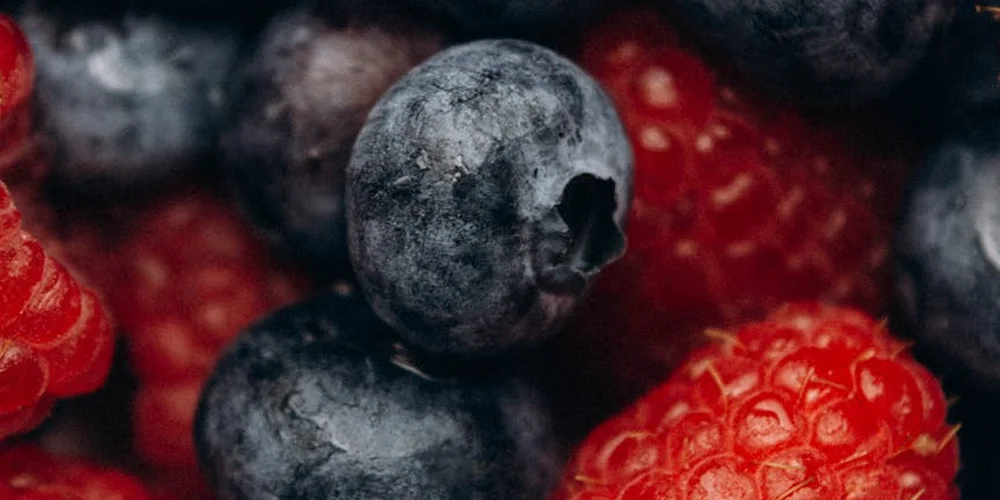
You can find excellent fresh foods for your turtle in many everyday places. Your local grocery store, farmers markets, and neighborhood produce stands are all fantastic starting points for leafy greens and safe vegetables. A complete safe list of vegetables that turtles can eat can guide your shopping. Knowing which vegetables are safe helps you build a balanced, turtle-friendly diet. For live foods like crickets or worms, reputable pet stores are your best bet.
Whenever possible, I opt for organic or pesticide-free produce. Choosing organic options significantly reduces the risk of your turtle ingesting harmful chemical residues that can accumulate in their system over time. It’s a simple step for a huge payoff in their long-term health.
Responsible sourcing extends beyond just pesticides. Ethical sourcing means being mindful of where your turtle’s food comes from to avoid environmental contaminants and support sustainable practices. I always ask vendors about their growing methods to ensure the food is safe for my gentle companions.
Evaluating Food Sources for Safety and Quality
Before you buy, give produce a quick inspection. Check for vibrant color, firm texture, and a lack of bruises or soft spots to verify the freshness of your turtle’s future meal. If you’re transitioning your turtle from commercial fresh foods, start by mixing in small amounts of fresh produce. Gradually phase in more greens as tolerated and monitor digestion. Wilted or slimy leaves are a definite no-go.
Knowing the origin of your food is another layer of safety. I prefer to buy from local farmers because I can directly ask about their pest control and soil health, ensuring a cleaner product for my turtles. This is especially important for items they eat frequently.
Learn to recognize and avoid potentially toxic items. Some common plants, like iceberg lettuce or certain flowers, offer little nutritional value or can be outright dangerous for turtles. Some plants and flowers can be safe for turtles to eat in moderation. Always cross-reference a new food before offering it. If an insect supplier’s stock seems lethargic or has a high mortality rate, find a different source immediately.
Selecting the Best Produce and Insects for Your Turtle
Choosing the right foods is like building a colorful, nutritious palette for your shelled friend.
My Russian tortoise, Austen, has taught me that variety isn’t just the spice of life-it’s the foundation of good health.
Recommended Leafy Greens
Think of leafy greens as the daily bread of your turtle’s diet.
These should form the bulk of their vegetable intake.
- Collard greens and dandelion greens are my top picks for their excellent calcium-to-phosphorus ratio.
- Kale works well in rotation, though I limit it to once or twice weekly.
- Romaine lettuce offers hydration but should be mixed with more nutrient-dense greens.
Vegetable Options
Vegetables add crucial vitamins and texture to meals.
My crew gets particularly excited when they see orange slices appearing.
- Squash and zucchini are soft and easy to digest, perfect for younger turtles.
- Carrots provide vitamin A-I shred them for my smaller turtles, chop them for larger ones.
- Bell peppers come in colorful varieties that make meals visually appealing and nutrient-rich.
Insects and Proteins
Protein sources should be thoughtful additions rather than daily staples.
I’ve learned that even my most enthusiastic insect hunters need moderation.
- Earthworms and red wigglers are excellent natural options I collect from pesticide-free areas.
- Feeder crickets should be gut-loaded with nutritious foods before offering.
- Offer protein sources just 1-2 times weekly for most adult turtles, slightly more for growing juveniles.
Fruit Frequency and Considerations
Fruits are the occasional treats in our turtle household.
I think of them like dessert-special but not everyday fare.
- Fruits contain natural sugars that can disrupt digestive balance if overfed.
- I offer small portions of berries or melon only once every 7-10 days.
- Fruits work well as medication carriers or for encouraging eating in reluctant turtles.
Step-by-Step Guide to Safe Food Preparation
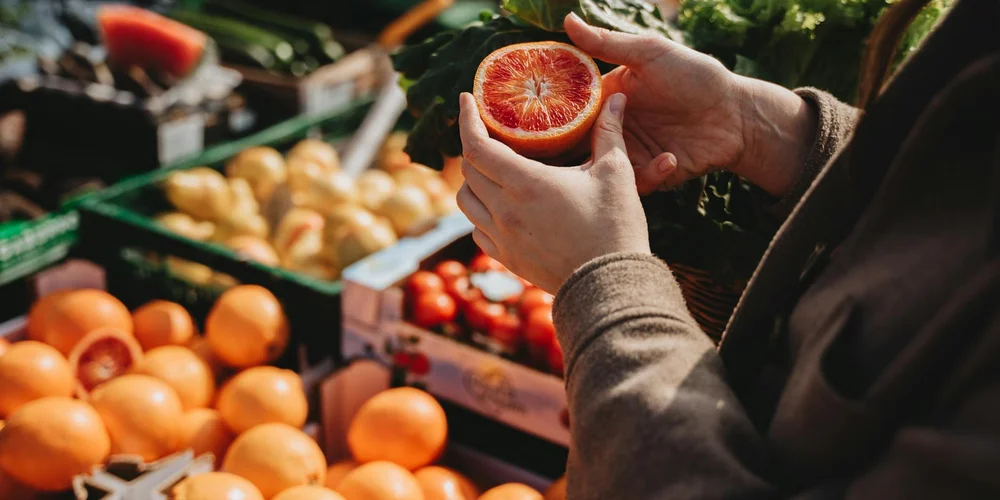
Proper preparation transforms good ingredients into great turtle meals.
This process ensures safety and makes nutrition accessible to your pet.
Thorough Washing Techniques
I approach washing with the same care I’d use for my own salad.
Every leaf and vegetable gets individual attention.
- Rinse under cool running water while gently rubbing surfaces.
- Soak for 5-10 minutes in a vinegar-water solution (1 part vinegar to 3 parts water).
- Use a produce brush for firm vegetables like carrots and squash.
- Pat dry with clean towels or use a salad spinner.
Proper Cutting Methods
Size matters tremendously when preparing turtle food.
I match the food piece size to my turtle’s mouth and species.
- For hatchlings and small species: dice into pieces smaller than their head width.
- For medium turtles: create strips or chunks they can bite through easily.
- For large turtles: offer whole leaves or larger sections they can tear themselves.
- Always consider your turtle’s beak strength-softer foods need less preparation.
Serving Suggestions
Presentation encourages natural feeding behaviors.
I’ve found that spreading food across their enclosure mimics natural foraging.
- Use a flat, smooth stone as a natural feeding platform.
- Mix different colored foods together to create visual interest.
- Place leafy greens in shallow water for aquatic species.
- Rotate feeding locations to stimulate mental engagement.
Washing and Handling Produce Correctly
This extra attention to cleaning protects your turtle from invisible threats.
I never skip these steps, even with organic produce.
Best Practices for Cleaning Leafy Greens and Vegetables
Leafy greens can harbor pesticides in their folds and crevices.
My method has evolved through trial and error over the years.
- Separate leaves and inspect both sides for soil or debris.
- Swish vigorously in a bowl of clean water, then rinse under running water.
- For greens like kale, pay extra attention to the stem areas where dirt collects.
- Let produce air dry completely if storing before feeding.
How to Handle Live Insects Safely
Live feeders require careful management to prevent problems.
I’ve had enough escapee crickets in my house to develop a foolproof system.
- Transfer insects using tongs or a dedicated scoop rather than bare hands.
- Work over a deep container to catch any jumpers or climbers.
- Dust insects with calcium powder in a separate container before feeding.
- Store live feeders in secure, ventilated containers with food and hydration sources.
Incorporating Variety and Essential Supplements
-
Rotating your turtle’s food keeps meals exciting and wards off nutritional gaps. I’ve watched Austen, Bronte, and Orwell perk up with new textures and flavors, which mimics their natural foraging habits and supports overall health. Common turtle feeding mistakes to avoid, such as turtle feeding mistakes to avoid, include overfeeding and relying on a single food type. By rotating textures and keeping portions appropriate, you can prevent these issues and support long-term health. Sticking to one type of food can lead to picky eating or deficiencies, so I mix leafy greens, vegetables, and occasional fruits to keep things fresh.
-
Calcium and vitamin D3 are key for strong shells and bones, especially for indoor turtles. I dust their food with a calcium supplement twice a week and rely on UVB lighting to help them produce vitamin D3 naturally. This topic is covered in our calcium vitamin supplements complete guide. It covers dosages, schedules, and safety. For young or egg-laying turtles, you might need supplements more often—always check with a vet to avoid overdoing it.
-
Balancing diets for multiple turtles taught me to tailor meals individually. This approach also helps you create a balanced diet for your omnivorous turtle. By observing Austen’s steady pace and Bronte’s graceful nibbling, I adjust greens and supplements to match their energy levels and prevent waste. Keep a weekly food chart to track variety and ensure each turtle gets what they need without overlap.
Tailoring Diets to Your Turtle’s Species and Needs
-
Species-specific diets make a huge difference in health and happiness. For Russian tortoises like Austen, I emphasize fibrous weeds and flowers, while Greek tortoises like Bronte thrive on more succulent plants and herbs. Box turtles such as Orwell enjoy a mix of protein from insects and veggies, reflecting their omnivorous nature in the wild.
-
Age and personality shape how turtles approach food. Orwell’s reserved nature means he eats best in a calm, secluded spot, whereas younger turtles might need more frequent, smaller meals to support growth. Pay attention to cues like appetite changes or hiding-it helps you adjust feeding times to reduce stress.
-
Portion sizes and schedules depend on your turtle’s size and activity. I feed my adults like Austen and Bronte every other day, offering enough food they finish in about 15 minutes to prevent obesity. For juveniles or active species, daily feeding with controlled portions works well according to recommended schedules; always remove uneaten food to keep their habitat clean.
FAQs
Why is the source of turtle food important?
The source impacts the safety and nutritional value of the food, as contaminated or low-quality sources can harm your turtle’s health. Choosing clean, responsibly sourced options helps prevent exposure to toxins and supports overall vitality.
What are natural sources of turtle food?
Natural sources include wild plants like dandelion greens and insects such as earthworms from pesticide-free areas. These foods mimic what turtles eat in the wild, providing essential nutrients for optimal growth and shell strength. For terrestrial turtles, feeding should include a mix of weeds, insects, and fruits to cover a broad range of nutrients. Fruits should be given in moderation due to their sugar content.
Are there ethical sources of turtle food?
Yes, ethical sources include organic farms and suppliers that use sustainable practices to minimize environmental impact. By selecting these vendors, you support animal welfare and ensure safer, healthier meals for your pet.
A Final Word on Feeding Your Turtle
Focus on offering a wide variety of fresh, appropriate greens and vegetables, and always prepare them in a way that’s safe and easy for your turtle to eat. This simple, consistent routine is the foundation of a thriving, healthy turtle. In addition to greens, you can occasionally offer safe live foods or pellets to ensure protein and calcium for aquatic turtles. A varied approach that includes vegetables helps keep their nutrition balanced.
Remember, being a great turtle keeper means committing to lifelong learning about their specific needs and advocating for their well-being. Our care land-dwelling and aquatic turtles essential guide helps translate that commitment into practical steps for both land-dwelling and aquatic turtles. It covers habitat setup, nutrition, health checks, and enrichment to support lifelong well-being. Your dedication to understanding their care makes all the difference in their quality of life.
Further Reading & Sources
- Mazuri® Aquatic Turtle Diet | Turtle Food for Freshwater Turtles
- Mazuri Aquatic Turtle Food, 25 lb. Bag at Tractor Supply Co
- Amazon.com: Turtle Food
- Turtle Food Collection – Premium Reptile Nutrition | ReptileSupply.com
Matthew is a dedicated turtle enthusiast and conservationist with over 15 years of experience in reptile care. Known affectionately as "The Leatherback" among his peers, he combines his passion for turtles with a commitment to educating pet owners on responsible turtle care and environmental stewardship.
Common Turtle Foods