
Turtle Lifespan and Growth Size: Key Facts for Happy Pets
Are you wondering how many years your turtle might live or how large it could grow, and feeling a bit anxious about providing the right care? You’re not alone-many turtle owners share these concerns, and addressing them early ensures a healthier, happier life for your shelled companion.
In this article, we’ll guide you through the essentials in a clear, easy-to-skim format:
- Average lifespans for different turtle species
- Growth stages and typical size ranges
- Factors that impact health and development
- Care tips based on my own experiences with tortoises like Austen and Bronte
The Lifespan of Pet Turtles: How Long They Really Live
Many new turtle owners are surprised to learn that their shelled friend is a lifelong commitment. Pet turtles often outlive their owners, with some species regularly reaching 50 years or more with proper care. Their long lives are a testament to their resilient biology and a constant reminder of the responsibility we accept.
Life expectancy varies dramatically between species, largely influenced by their native habitat and adult size.
- African Sideneck Turtles: These charismatic swimmers typically live for 25 to 50 years. Their long necks and curious personalities make them a joy for decades.
- Map Turtles: Known for the intricate, map-like patterns on their shells, these aquatic turtles have a lifespan of 15 to 20 years in captivity.
- Russian Tortoises (like my Austen): Hardy desert dwellers, they commonly live 40 to 50 years. I’ve met many that are still going strong in their 60s.
- Greek Tortoises (like Bronte): Similar to their Russian cousins, these tortoises often enjoy lifespans of 50 years or more.
- Box Turtles (like Orwell): These terrestrial turtles are long-lived, with many reaching 30 to 50 years in a well-maintained habitat.
I’ve watched my Russian tortoise, Austen, for a decade now. His steady, gentle pace hasn’t changed a bit since he was a young tortoise, which is a beautiful lesson in consistency. My Greek tortoise, Bronte, seems to become more graceful and thoughtful with each passing year. Their longevity isn’t just about years; it’s about the deepening of a unique bond.
Turtle Growth Patterns: From Hatchling to Adult Size
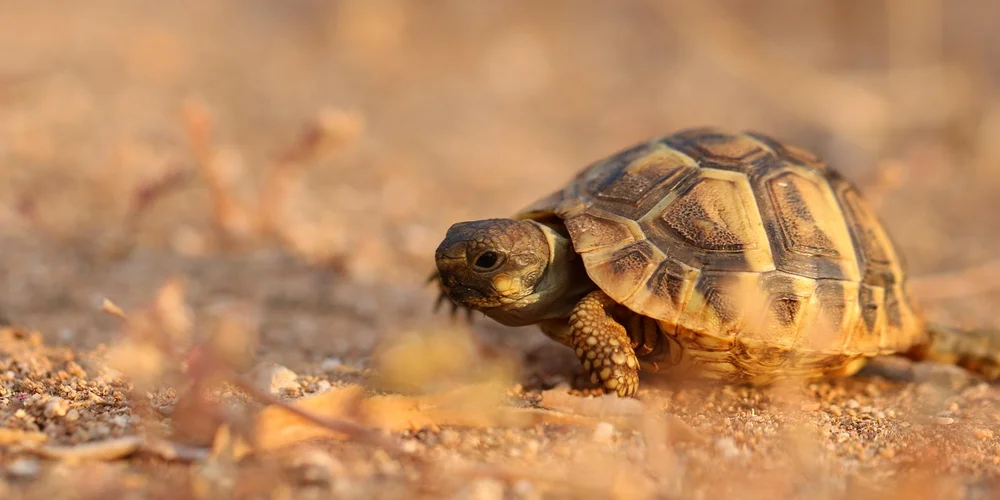
Watching a turtle grow is a slow, rewarding process. They don’t simply get bigger; they transform from tiny, vulnerable hatchlings into majestic, fully-formed adults. Understanding this progression helps you provide the right environment at every stage.
Growth happens in three distinct phases.
- Hatchling Stage (0-1 year): Turtles start life incredibly small, often no bigger than a quarter. Their shells are soft and require careful handling and perfect nutrition to build a strong foundation.
- Juvenile Stage (1-5 years): This is the period of most rapid growth. You’ll notice significant increases in shell length and body weight every few months. Their personalities also begin to shine.
- Adult Stage (5+ years): Growth slows to a near halt. The turtle has reached its genetic potential and focus shifts from growth to long-term maintenance and health.
Growth rates are not universal. A turtle’s final size is a direct result of its species genetics, diet quality, and habitat space. An underfed turtle in a small tank will not reach its full potential, which can lead to health problems later in life.
Species-Specific Adult Sizes
| Species | Average Carapace Length | Average Adult Weight |
|---|---|---|
| African Sideneck Turtle | 8 – 12 inches | 2 – 5 pounds |
| Map Turtle | 4 – 10 inches | 1 – 3 pounds |
| Russian Tortoise | 5 – 8 inches | 1 – 3 pounds |
| Greek Tortoise | 6 – 10 inches | 2 – 4 pounds |
| Box Turtle | 4 – 7 inches | 1 – 2 pounds |
My box turtle, Orwell, is a perfect example. He reached his full 6-inch carapace length by his fifth year and has maintained a healthy weight of just under two pounds ever since. Providing a varied diet and ample space for exercise was key to his steady, healthy development.
Factors Influencing Turtle Lifespan and Growth
Your turtle’s journey from a tiny hatchling to a venerable elder is shaped by a few key elements in their daily life. I’ve found that consistent, proper care in these areas is what truly separates a turtle that merely survives from one that truly thrives.
Environmental Factors
Temperature and lighting aren’t just details; they are the engines of your turtle’s metabolism. A basking area that’s too cool can lead to digestive issues, as turtles rely on external heat to process their food. My Russian Tortoise, Austen, always becomes more active and has a better appetite when his basking spot is a perfect 95°F. Proper UVB lighting is non-negotiable, as it allows them to synthesize vitamin D3, which is critical for absorbing calcium and building a strong shell. UVB lighting is the critical mechanism behind this process. Set it up correctly with the right bulb, proper distance, and a reliable timer to ensure consistent exposure. Without it, metabolic bone disease is a real and heartbreaking risk.
Diet Impact
What you feed your turtle directly fuels their growth and long-term health. I learned this early on with my Greek Tortoise, Bronte. A diet too high in protein can cause unnaturally rapid, pyramided shell growth, while a calcium deficiency leads to soft, pliable shells. A balanced, species-appropriate diet is the single greatest gift you can give your shelled companion for a long life. In other words, a turtle’s nutrition directly impacts shell health, influencing growth, strength, and the risk of deformities. That’s why ensuring calcium, vitamin D3, and balanced protein is essential for a hard, well-formed shell. For my herbivorous tortoises, this means a variety of leafy greens and calcium supplements, while my Box Turtle, Orwell, enjoys a more varied menu with some protein.
Habitat Influence
The size and cleanliness of your turtle’s home are paramount. A cramped enclosure causes stress and inhibits natural behaviors, which can stunt growth. I’ve observed that my turtles are most content and healthy in spacious habitats that mimic their wild environments as closely as possible. Clean, filtered water for aquatic species and a stress-free environment for all turtles are fundamental pillars of longevity. Poor water quality is a silent killer, leading to shell rot and respiratory infections that can cut a life tragically short.
Species-Specific Insights: Lifespan and Size of Popular Pet Turtles
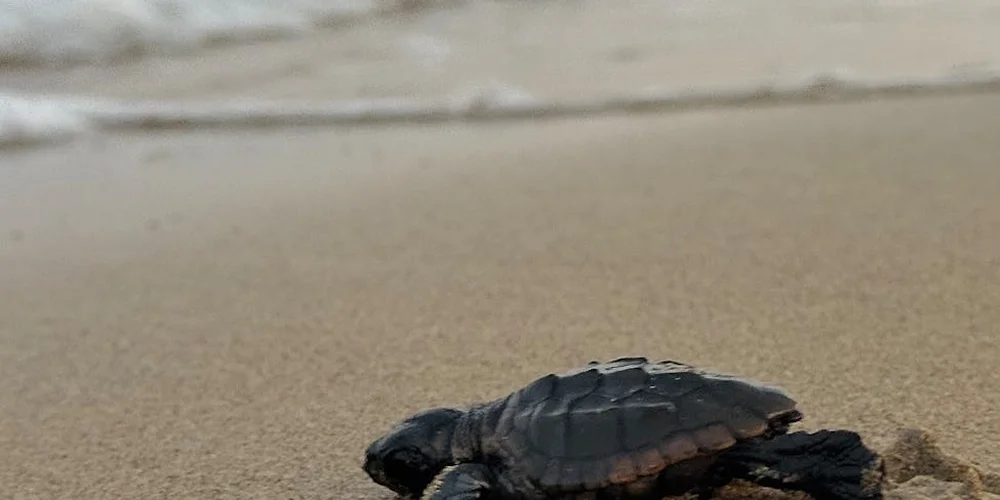
Understanding the natural blueprint of your specific turtle species helps you set realistic expectations and provide the best care. Each species carries its own genetic roadmap for growth and lifespan, and respecting these differences is key to responsible ownership.
African Sideneck Turtles
These charismatic turtles, with their unique neck-retraction style, are a long-term commitment. Leatherback sea turtles are another long-lived species, often reaching several decades of age. This broader pattern helps put African sideneck lifespans in perspective, showing that with proper care they can also span many decades in captivity. In a proper captive environment, they can easily live for 25 to 50 years. An African Sideneck’s growth is steady, often reaching their full adult size of 7 to 12 inches in shell length within the first 5 to 7 years of life. They tend to grow more consistently in captivity than in the wild, where food scarcity can lead to a slower, more stunted growth pattern.
Map Turtles
Map turtles are known for the intricate, map-like patterns on their shells and their somewhat skittish nature. Their lifespan is generally shorter than the African Sideneck, typically ranging from 15 to 25 years in captivity. Map turtles exhibit significant sexual dimorphism in size; females can grow to a robust 7 to 10 inches, while males often stay a petite 3 to 5 inches. Their growth curve is most rapid in the first few years, slowing considerably as they approach maturity around age 5. Painted turtles also follow a similar growth pattern, with females typically reaching larger adult sizes than males. A full-size growth chart for painted turtles can help you track when individuals reach their full size.
Comparing Growth and Maturation
- Maturation Age: Many turtle species, like Map Turtles, reach sexual maturity between 3 and 5 years. Larger species, like some tortoises, may not mature until they are 10-15 years old.
- Captive vs. Wild Growth: Turtles in captivity often grow faster and larger than their wild counterparts due to consistent food availability and lack of predators. However, this makes a balanced diet even more critical to prevent obesity and related health issues.
- Size Variation: Even within a single species, you’ll see a range of sizes. Genetics, clutch order, and individual metabolism all play a role. My two tortoises, Austen and Bronte, are similar ages but have slightly different growth patterns and final sizes.
Practical Care Tips for Optimal Turtle Growth and Longevity
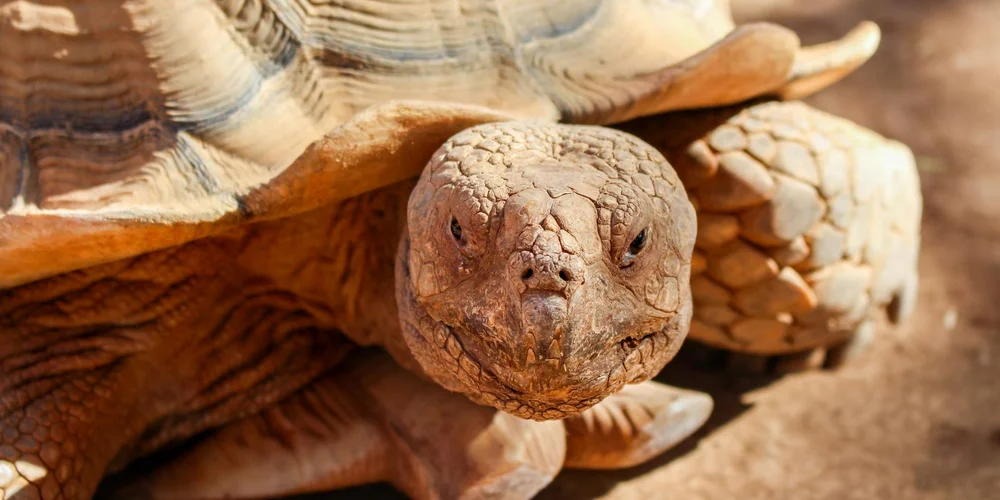
Getting your turtle’s care right is the single most important factor for a long, healthy life. Consistent, proper care directly prevents stunted growth and chronic health issues. This is part of Care Land’s Aquatic Turtles Essential Guide, which covers care for both land and aquatic turtles.
Step-by-Step Feeding Guide
- Offer a chopped salad of dark leafy greens (like dandelion greens and endive) daily.
- Provide high-quality commercial pellets 2-3 times a week for balanced nutrition.
- Include occasional treats like shredded carrots or a bit of fruit for herbivorous species.
- Always dust food with a calcium supplement containing Vitamin D3 twice a week.
I learned the hard way with my Russian tortoise, Austen, that inconsistent calcium leads to soft, pyramided shells. His shell health improved dramatically once I stuck to a strict supplement schedule.
Habitat Setup Essentials
Your turtle’s home is its entire world. A proper setup is non-negotiable.
- Clean Environment: Spot clean waste daily and perform a full substrate change monthly to prevent bacterial and fungal growth.
- Proper UVB Lighting: Use a linear fluorescent UVB tube light, replaced every 6-12 months, even if it still turns on. The UV output degrades over time.
- Temperature Gradient: Create a warm basking area (90-95°F) and a cooler zone (70-80°F) so your turtle can regulate its body temperature.
My Greek tortoise, Bronte, became much more active and her appetite increased when I upgraded her to a larger enclosure with the correct temperature gradient. A spacious, well-lit habitat encourages natural behaviors and healthy metabolism.
Health Monitoring Routine
Catching small issues early makes all the difference.
- Weigh your turtle monthly with a kitchen scale. A sudden weight loss is a major red flag.
- Check their eyes and nose for any discharge daily.
- Observe their swimming (for aquatic turtles) or walking for any signs of lameness or imbalance.
- Schedule a yearly check-up with a reptile-savvy veterinarian, even if your turtle seems perfectly healthy.
This routine helped me catch a minor respiratory infection in my box turtle, Orwell, simply by noticing he was less active than usual. Your daily observations are your first and best line of defense for your turtle’s health.
Choosing the Right Turtle Based on Lifespan and Size
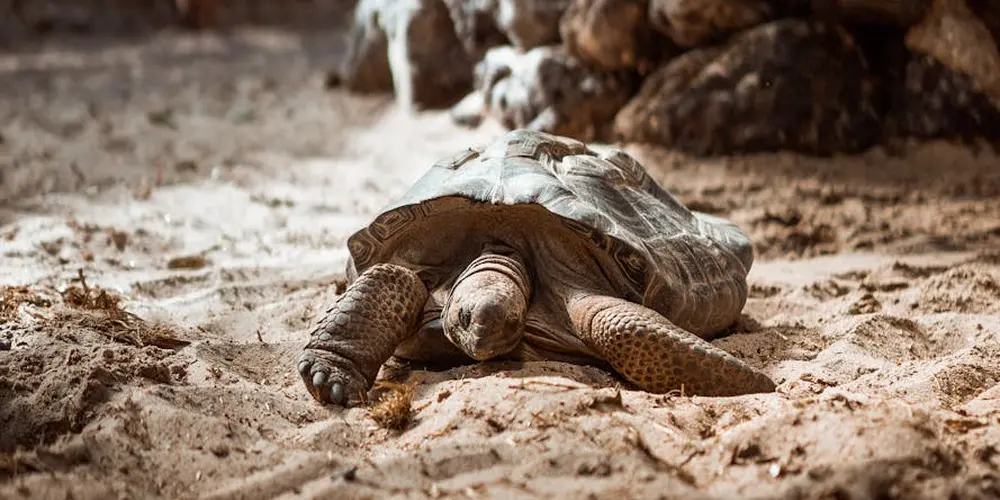
Selecting a turtle is a decision that will impact decades of your life. Be brutally honest with yourself about the space you can provide and the commitment you can keep. Think of it as the ultimate cost-benefit analysis of owning a turtle: weigh upfront setup, ongoing care, and vet costs against decades of companionship. Only if the balance looks favorable should you proceed, with a clear plan to sustain care for many years.
Turtles with Long Lifespans
These species are a lifelong companion, often outliving their owners.
- Sulcata Tortoise: Can live 70+ years and grow over 150 pounds. They require a huge, secure outdoor space for most of their lives.
- Red-Eared Slider: Commonly live 20-40 years and reach 10-12 inches in shell length, needing a very large aquatic tank.
- African Sideneck Turtle: Lifespans of 25-50 years are common, with a potential size of 8-12 inches.
Choosing one of these turtles means making a plan for their care in your will. It’s a serious responsibility.
Turtles That Stay Smaller
Ideal for keepers with limited space who still want a long-term pet.
- Russian Tortoise: Like my Austen, they typically max out at 8-10 inches and can live a hearty 40-50 years.
- Greek Tortoise: Similar to my graceful Bronte, they stay in the 6-8 inch range with a 50+ year lifespan.
- Musk Turtle: A fully aquatic species that rarely exceeds 5 inches, perfect for a smaller tank, with a lifespan of 30-50 years.
Even “smaller” turtles require significant enclosures and multi-decade care plans. There is no truly “easy” or “tiny” turtle. So, what size enclosure does your turtle or tortoise actually need? The answer depends on the species and adult size.
How Growth Size Affects Habitat Needs
Your initial setup is just the beginning. You must plan for the adult your turtle will become.
| Expected Adult Size | Minimum Enclosure Size |
|---|---|
| Under 6 inches | 40-gallon breeder tank or equivalent floor space |
| 6 to 10 inches | 75-gallon tank or a 4’x2′ custom enclosure |
| Over 10 inches | A custom-built enclosure no smaller than 8’x4′ for most large tortoises |
Investing in an enclosure your turtle can grow into saves you money and stress in the long run. Upgrading a habitat multiple times is disruptive to your pet and hard on your wallet.
FAQs
What is the typical lifespan range for pet turtles?
Pet turtles can live from 15 to over 50 years, depending on the species. Proper care and habitat conditions are essential for maximizing their longevity. Understanding turtle lifespan and aging helps owners plan for a long, healthy life across generations of pets. Regular veterinary care becomes especially important as turtles age, to monitor common age-related health issues.
How fast do turtles grow from hatchling to adult?
Turtles grow most rapidly during their juvenile stage, typically between 1 to 5 years old. Growth slows significantly once they reach adulthood, usually by 5 years or later.
What are the main factors that influence how long a turtle lives?
Key factors include a balanced diet, proper UVB lighting, and a clean, spacious habitat. Stress, poor nutrition, and inadequate environmental conditions can shorten their lifespan.
Why might a turtle not reach its expected size?
Insufficient diet, cramped living space, or underlying health issues can stunt a turtle’s growth. Providing optimal care from an early age helps ensure they achieve their full size. A balanced diet supports proper shell and bone development. Regular veterinary checks can help monitor shell health and overall anatomy.
Do turtles grow at the same rate throughout their life?
No, growth is fastest in the juvenile years and nearly stops in adulthood. After maturity, energy shifts from growth to long-term health maintenance.
Your Turtle’s Journey Ahead
Turtles thrive when you anticipate their full lifespan and growth, ensuring their environment evolves with them. From my own Russian tortoise Austen’s steady growth, I’ve seen how a proper setup prevents stress and supports their natural behaviors.
Embrace the role of a lifelong learner in pet turtle care, always seeking new ways to enrich their lives. Advocating for animal welfare starts with your commitment to understanding and meeting their unique needs every day.
Further Reading & Sources
- Turtle – Longevity, Adaptations, Conservation | Britannica
- How Long Do Turtles Live?
- How Long Do Turtles and Tortoises Live? | PetMD
- r/turtle on Reddit: How long do turtles living at home?
Matthew is a dedicated turtle enthusiast and conservationist with over 15 years of experience in reptile care. Known affectionately as "The Leatherback" among his peers, he combines his passion for turtles with a commitment to educating pet owners on responsible turtle care and environmental stewardship.
Common Turtle Foods