
How to Tame a Shy or Scared Turtle
Published on: June 23, 2026 | Last Updated: June 23, 2026
Written By: Matthew The
If your turtle hides or acts skittish around you, it’s natural to feel concerned about forming a bond, but with gentle patience, even the most reserved shelled friends can learn to trust.
You’ll find insights on interpreting turtle behavior, step-by-step trust-building techniques, and habitat tweaks for comfort.
Recognizing Signs of a Shy or Scared Turtle
When your turtle feels nervous, they show clear body language that you can learn to read over time. Observing these subtle cues helps you respond with care and avoid adding to their stress. My Russian tortoise, Austen, often tucks his head deep into his shell when he senses sudden movements, a classic sign of fear.
- Hiding in their shell for long periods, even when no threats are present.
- Refusing to eat or showing little interest in food during regular feeding times.
- Quickly retreating or swimming away when you approach their habitat.
- Keeping limbs tightly drawn in, making their body appear smaller and more closed off.
You might notice their shell feels unusually rigid or see them avoid basking spots they usually enjoy. Each turtle has a unique personality, so what scares one might not bother another. Bronte, my Greek tortoise, sometimes freezes in place instead of hiding, which taught me to watch for stillness as a fear response.
Building Trust Through Patience and Gentle Interaction

Gaining a turtle’s trust takes consistent, calm efforts that respect their pace. Rushing interactions can set back progress, so focus on creating a predictable routine they can rely on. I started with Orwell, my box turtle, by simply sitting near his enclosure daily without making direct contact. That steady, patient approach is how you build trust with a new pet turtle. Keep sessions short and let him approach when he’s ready.
- Spend quiet time near their habitat each day, speaking in a soft voice to get them used to your presence.
- Offer favorite foods by hand, holding treats still so they can approach without pressure.
- Introduce gentle touches slowly, beginning with brief strokes on the shell when they seem relaxed.
- Keep handling sessions short and positive, always placing them back gently to build confidence.
I found that Austen responds best to leafy greens offered from my palm, while Bronte prefers slow movements and minimal noise. Celebrate small victories, like the first time they take food from your hand, as these moments strengthen your bond. Always prioritize their comfort, moving at a speed that feels safe for them, and remember that patience is your greatest tool in helping them feel secure.
Optimizing the Enclosure for Comfort and Security
Essential Hiding and Basking Setup
Your turtle needs a sanctuary that feels safe and inviting, much like a cozy nook in your own home. Providing ample hiding spots reduces stress by giving your turtle a place to retreat when it feels overwhelmed. I’ve seen this with my Russian tortoise, Austen—his gentle nature blossomed once I added a small cave-like hideout made from untreated wood. You can use half-logs, terracotta pots on their sides, or commercial reptile hides placed in cooler areas of the enclosure. For basking, ensure a flat, stable surface under a heat lamp where your turtle can fully stretch out and absorb warmth without feeling exposed. Bronte, my Greek tortoise, loves her slate tile basking spot because it retains heat evenly and feels secure under her feet. Pairing basking spots with discreet hiding areas lets your turtle warm up while staying protected. Creating these basking hiding areas supports thermal regulation and stress reduction, contributing to overall well-being.
- Place at least two hides: one in a warm zone and one in a cool area to offer choice.
- Use natural materials like cork bark or smooth stones to mimic their wild habitat and prevent injuries.
- Position basking areas away from high-traffic spots to minimize startling your pet during rest.
Maintaining Ideal Environmental Conditions
Consistency in the environment builds trust, as sudden changes can frighten a shy turtle. Keep temperatures stable with a gradient from warm basking zones (85-95°F) to cooler areas (70-75°F) so your turtle can self-regulate comfortably. I learned this through trial and error with Orwell, my box turtle; his reserved personality softened when I used a thermostat to prevent temperature swings. Humidity matters too—aim for 50-70% for most species, using a hygrometer to monitor levels. Proper UVB lighting is non-negotiable for shell health and behavior; replace bulbs every 6-12 months to ensure effectiveness. To diagnose your turtle’s habitat, use a simple checklist for perfect lighting, heat, and water. Regular checks of lighting, heat, and water help you keep conditions within the ideal range.
- Check temperatures daily with digital thermometers at both ends of the enclosure.
- Mist the habitat lightly in the morning to simulate natural dew and maintain humidity without soaking substrates.
- Use timers for lights to create a predictable day-night cycle, reducing anxiety over unexpected changes.
Step-by-Step Taming Techniques for Daily Practice

Safe Handling and Touch Introduction
Start slow and let your turtle set the pace to avoid triggering fear responses. Begin by sitting near the enclosure for 10-15 minutes daily, speaking in a soft, calm voice to get your turtle used to your presence without direct contact. With Austen, I’d read aloud nearby, and over weeks, he stopped retreating into his shell at the sound of my voice. When introducing touch, use gentle strokes on the shell’s back edge first-never the head or limbs initially. Always support the turtle’s entire body with both hands to prevent drops, and keep sessions short (under 5 minutes) to build positive associations. These early steps lay the groundwork for training and bonding with your pet turtle. With consistent, gentle practice, you’ll strengthen your bond and your turtle’s trust over time.
- Wash your hands before handling to remove unfamiliar scents that might cause alarm.
- Approach from the front or side so your turtle sees you coming, avoiding sudden movements from above.
- If your turtle hides, wait patiently instead of forcing interaction; respect its need for space to foster trust.
Using Feeding and Enrichment for Bonding
Food is a powerful tool for building connections, turning mealtime into a bonding opportunity. Hand-feed small, favorite treats like dandelion greens or berries to create positive associations with your presence. Bronte, for instance, became more graceful in her movements when I offered bits of squash from my palm-she now associates my hand with safety and reward. Enrich activities by scattering food in the enclosure to encourage natural foraging, which reduces boredom and builds confidence. Rotate toys like ping-pong balls or safe, chewable items to keep your turtle engaged and curious about its surroundings.
- Offer food at the same time each day to establish a routine that your turtle can anticipate eagerly.
- Use a feeding stick or tongs initially if your turtle is too shy for hand-feeding, gradually moving closer over time.
- Introduce new textures and smells in the habitat, such as edible flowers or herbs, to stimulate exploration without stress.
Species-Specific Insights and Temperament Variations
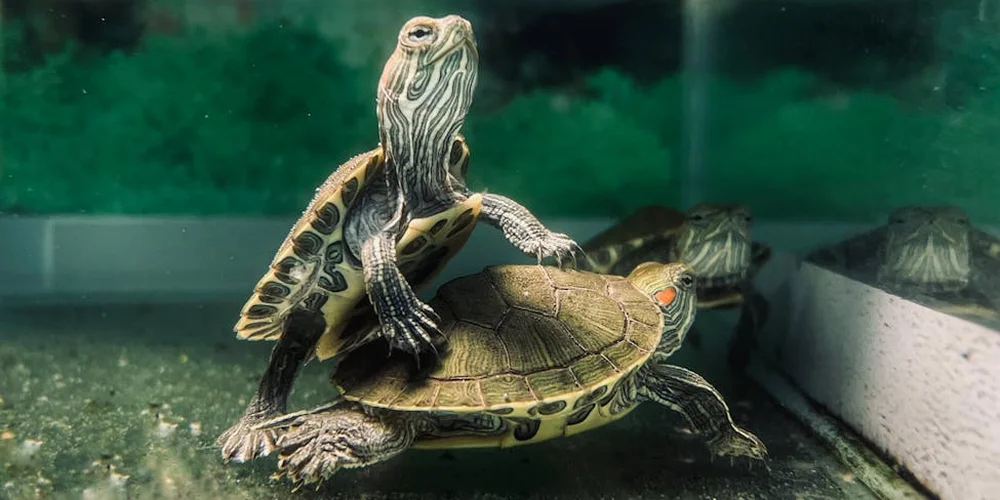
Understanding Takeshi Turtles and Similar Species
Not all turtles are created equal when it comes to personality. My Russian tortoise, Austen, took months to stop hiding in his shell when I walked by. Species like the Russian tortoise are often more reclusive, viewing the world from a safe, armored distance. Their instinct is to be a fortress, not a friend. When choosing a turtle, consider key factors like temperament, space, and daily care needs. These considerations help you pick a species that fits your home.
Contrast this with my Greek tortoise, Bronte. She was curious much sooner, often peeking out to watch my daily routines. Greek tortoises tend to be slightly more investigative, which can speed up the taming process if you work with their natural curiosity. You must observe your turtle’s baseline behavior to set realistic expectations.
Then there are box turtles, like my clever Orwell. He is a master of disguise and can be incredibly stubborn. Box turtles require a different kind of patience; they are less about slow exposure and more about earning their intellectual trust through consistent, non-threatening interaction. Understanding these innate tendencies is your first step to success.
Troubleshooting Common Taming Challenges
You’ve been patient, but your turtle still acts like you’re a mountain-sized predator. I’ve been there. The most common mistake is moving too fast and flooding your turtle with more stimulation than it can process. If your turtle constantly retreats, you need to pull back and slow your pace even more. If you’re asking why your turtle is acting strange, a quick behavioral diagnostic checklist can help you spot signs of stress, illness, or environmental issues. These notes can guide you on when to consult a vet or reptile specialist.
When Progress Seems Nonexistent
It can feel like you’re getting nowhere. I spent weeks just sitting near Austen’s enclosure, reading a book out loud. Progress with a shy turtle is measured in tiny victories, like a slightly shorter retreat time or one curious glance. Celebrate these moments. They are the building blocks of trust.
- Re-evaluate the Environment: Is the enclosure in a high-traffic area? Move it to a quieter, but still socially relevant, part of your home.
- Check for Health Issues: A turtle that is consistently hiding might be unwell. Ensure temperatures, humidity, and diet are perfect.
- Change Your Approach: If hand-feeding isn’t working, try simply placing the food and stepping away. Remove the pressure of your direct presence.
Dealing with a Turtle That Won’t Stop Hiding
A turtle that lives permanently in its hide box is telling you it feels unsafe. Creating safe exposure points, like a partially obscured basking spot, can encourage your turtle to observe you without feeling completely vulnerable. That approach is part of creating a bio-secure environment for your turtle. A clean, stable enclosure reduces stress and disease risk while still inviting exploration. I arranged Orwell’s plants so he could bask while still feeling hidden, and it made a world of difference.
- Never forcibly remove a turtle from its hiding spot. This destroys trust.
- Ensure there are multiple appropriate hides so your turtle always has a choice and a safe retreat.
- Associate your presence with a specific, gentle sound, like a soft tap on the enclosure before you approach.
Promoting Long-Term Confidence with Enrichment and Socialization
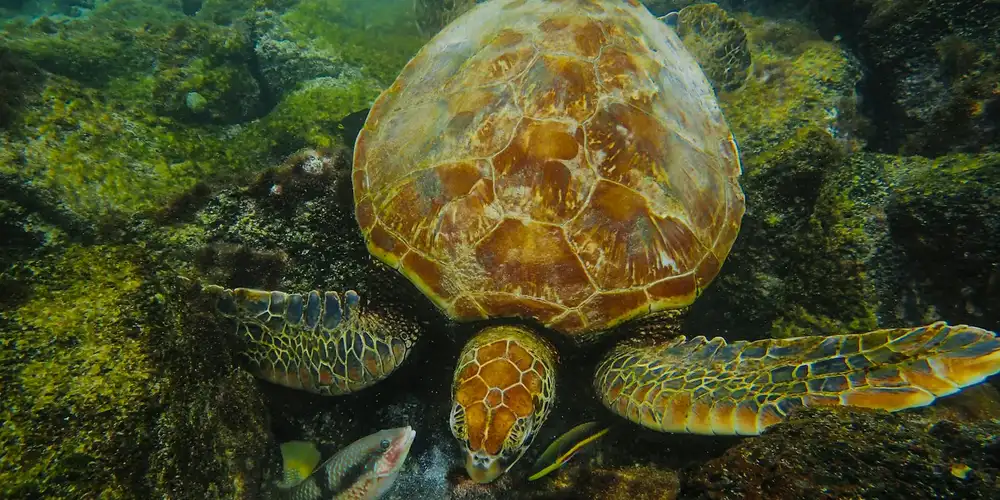
Think of your turtle’s habitat not just as a home, but as a classroom for courage. A thoughtfully enriched environment provides the mental stimulation that builds a brave and curious personality over time. I’ve watched my own tortoises, Austen and Bronte, transform from timid creatures into bold explorers simply by giving them interesting things to investigate.
Engage Their Senses with Creative Enrichment
Enrichment isn’t about expensive toys; it’s about creating a dynamic world that appeals to their natural instincts.
- Food Puzzles: Scatter their leafy greens around the enclosure instead of using a bowl. This encourages natural foraging behavior and turns mealtime into a rewarding hunt.
- Textural Variety: Offer different substrates to walk on, like a flat slate tile for basking, a patch of soft sphagnum moss for burrowing, and smooth river rocks to navigate.
- Safe Obstacles: Create simple, low-height obstacles with cork bark or half-buried terracotta pots. This gives them a choice to climb or go around, building problem-solving skills.
- Novel Scents: Occasionally place a sprig of fresh, turtle-safe herbs like basil or cilantro in a corner. The new scent will pique their curiosity without causing stress.
My Greek tortoise, Bronte, became noticeably more confident after I introduced a shallow dig box filled with organic topsoil. Providing outlets for innate behaviors is the most direct path to a content and self-assured turtle.
The Gentle Art of Socialization
Socialization is a slow dance, not a race. The goal is to build positive associations with your presence.
- Become the Food Bringer: Always be the one to offer their favorite treats. Hand-feed a small piece of dandelion green or a flower petal, moving your hand slowly and predictably.
- Practice Non-Threatening Presence: Sit quietly by their enclosure during their most active hours. Read a book or simply be still. This teaches them that your presence does not mean disruption.
- Introduce Gentle Touch: When they are relaxed and out in the open, gently stroke the top of their shell with one finger. Avoid touching their head or legs until they are completely comfortable with shell touches.
- Respect Their “No”: If they immediately retract into their shell, stop and try again later. Forcing interaction shatters trust. Their comfort is your ultimate benchmark for progress.
Every positive, low-pressure interaction deposits a little more trust into your relationship bank. My box turtle, Orwell, used to hide for days after a handling session. Now, he will tentatively approach the front of his enclosure when I’m near, a small victory that took months to achieve.
Reading Your Turtle’s Body Language
Understanding their silent communication is your superpower. A turtle that feels safe will move with purpose.
- Signs of Relaxation: Neck fully extended, limbs relaxed and not tucked tightly, eyes bright and alert, actively exploring or basking.
- Signs of Stress or Fear: Head and limbs retracted, hissing sound (a release of air from the lungs), frantic attempts to climb walls, refusing food in your presence.
Learning to differentiate between curiosity and fear allows you to tailor your approach to their specific comfort level each day. Some days they will be bold, other days they need more space. Honoring that builds a deeper bond.
FAQs
What are Takeshi turtles?
Takeshi turtles are a specific species known for their distinctive shell patterns and calm demeanor. They are often sought after by reptile enthusiasts for their manageable size and unique appearance.
Where do Takeshi turtles come from?
Takeshi turtles are native to the forested regions and slow-moving waterways of East Asia. Their natural range includes areas with abundant vegetation and mild climates that support their lifestyle.
What do Takeshi turtles eat?
Takeshi turtles have an omnivorous diet, feeding on a mix of leafy greens, insects, and occasional fruits in the wild. In captivity, they thrive on balanced commercial pellets supplemented with fresh vegetables and protein sources. To create a balanced diet for your omnivorous turtle, combine the pellets with a rotating selection of leafy greens and a modest amount of animal protein. Aim for variety and portion control to meet all nutritional needs.
How big do Takeshi turtles grow?
Takeshi turtles typically reach a shell length of 6 to 8 inches when fully mature. Their growth rate depends on factors like diet, habitat conditions, and overall health care. In many turtles, lifespan and growth size are linked: longer lives can mean more time to grow toward a larger final size. Understanding a turtle’s lifespan helps explain its growth trajectory and ultimate size.
Are Takeshi turtles kept as pets?
Yes, Takeshi turtles are commonly kept as pets due to their hardy nature and adaptability to captive environments. Turtles live on land and in water, so their habitats need both terrestrial and aquatic features. This dual niche supports their natural behaviors and overall health. Potential owners should ensure proper enclosure setup and research their specific care needs for a healthy life.
Your Gentle Path to a Trusting Turtle
Patience and a calm, consistent approach are the heart of taming a shy turtle, as I’ve seen with my own tortoises like Austen, who gradually warmed up to gentle handling. Always let your turtle guide the pace of interactions, using slow movements and positive reinforcement to build confidence without pressure.
Responsible turtle ownership means committing to lifelong learning about their unique needs, from habitat setup to health care, ensuring their well-being. Stay curious and seek out reliable resources to grow alongside your pet, creating a nurturing environment where they can thrive for years to come.
Further Reading & Sources
- Turtle – Official Mo’ Creatures Wiki
- stress – Is it advisable to “tame” a turtle? – Pets Stack Exchange
- r/turtle on Reddit: Turtle Taming Tips🐢????
- How To Tame A Turtle – All Turtles
Matthew is a dedicated turtle enthusiast and conservationist with over 15 years of experience in reptile care. Known affectionately as "The Leatherback" among his peers, he combines his passion for turtles with a commitment to educating pet owners on responsible turtle care and environmental stewardship.
Safe Handling Techniques