
The Ultimate Turtle Habitat Cleaning Schedule
Published on: November 22, 2025 | Last Updated: November 22, 2025
Written By: Matthew The
Does the thought of cleaning your turtle’s tank make you sigh, worrying about time, effort, and keeping your pet safe and healthy?
I remember staring at Austen’s enclosure, wondering how to balance cleanliness with his calm, steady life. A clean home is not just about looks; it’s a direct act of care that prevents illness and lets your turtle thrive.
This schedule breaks it down into manageable parts: daily visual checks, weekly water and surface cleaning, monthly full habitat refreshes, choosing the right supplies, and building effortless maintenance habits.
The Cleaning Frequency Framework: Daily to Seasonal
Think of habitat cleaning like the gentle, steady rhythm of ocean tides-predictable and necessary for life. A structured schedule is your best defense against hidden health issues like shell rot or respiratory infections. I saw this with Bronte, my graceful Greek tortoise; a minor lapse in routine once led to a worrying algae bloom. Consistency in care creates a stable, stress-free environment where your turtle can truly thrive.
| Period | Key Tasks | Primary Focus |
|---|---|---|
| Daily | Behavior check, waste removal | Health monitoring & debris control |
| Weekly | Partial water change, surface scrubbing | Water quality & algae prevention |
| Monthly | Filter service, equipment inspection | System integrity & deep cleaning |
| Seasonal | Full disinfecting, substrate replacement | Habitat renewal & setup reassessment |
Daily Quick Checks
These moments are your quiet connection with your pet. Spend five minutes each morning observing. Is your turtle active and eager for food? My box turtle, Orwell, has a reserved personality, so I note any change in his usual curious demeanor. This daily ritual helps you spot subtle signs of illness long before they become emergencies.
- Watch your turtle’s behavior and appetite closely.
- Skim any floating debris from the water’s surface with a net.
- Listen and look to verify the filter is running smoothly.
- Remove any visible waste from the substrate with a quick scoop.
Weekly Water and Surface Care
This is your core maintenance block. I perform mine every Sunday, a calm routine that keeps Austen’s aquatic zone pristine. Replacing 25-50% of the water prevents toxin buildup. Regular partial changes are far less stressful for your turtle than rare, massive overhauls.
- Siphon out 25-50% of the tank water for replacement.
- Gently scrub the interior glass to control algae spots.
- Clean the basking platform with hot water and a dedicated brush.
- Rinse all decorations under running water to remove film.
Monthly Deep Maintenance
Dive a little deeper this one day a month. It ensures all the life-support systems work perfectly. I always check my UVB bulb’s output; proper lighting is non-negotiable for shell health. This proactive check saves you from costly equipment failures and protects your turtle’s welfare.
- Clean or replace the filter media as the manufacturer directs.
- Inspect UVB bulbs for age and output-they often need replacing every 6-12 months.
- Vacuum the substrate thoroughly to pull waste from the bottom.
- Test all heaters, pumps, and lights for proper function.
Seasonal Habitat Overhaul
With each change of season, plan for a fresh start. This full reset, which I do every three months, safeguards against persistent bacteria. It is a chance to rethink the habitat’s layout for your growing friend. A completely clean slate is a profound act of care, giving your turtle a vibrant, healthy home.
- Move your turtle to a safe, temporary holding container.
- Disinfect the empty enclosure with a reptile-safe cleaner.
- Replace all substrate with new, clean material.
- Disassemble and thoroughly clean the filter unit.
- Reassess the setup for space, heating, and enrichment.
Assembling Your Habitat Cleaning Toolkit
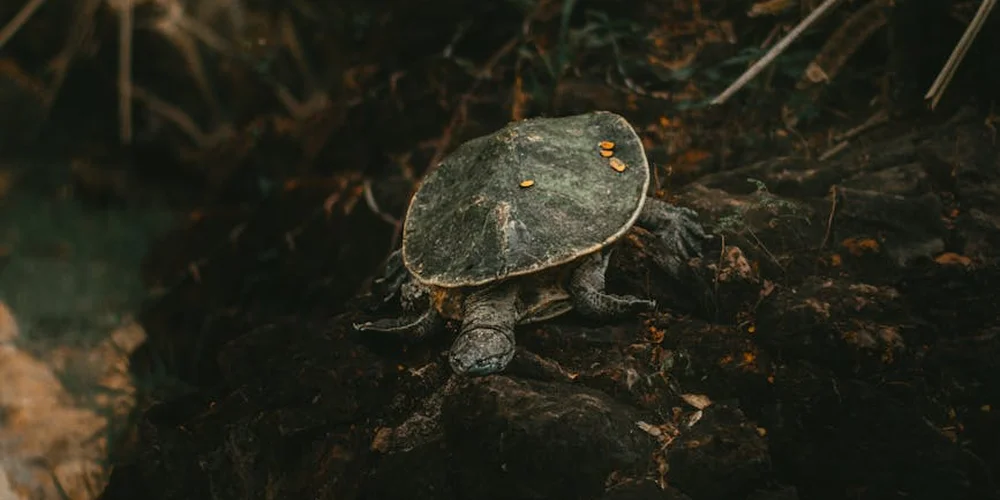
Having the right tools turns a chore into a simple, almost meditative practice. I keep my supplies in a dedicated bucket-this prevents cross-contamination and makes every clean efficient. Investing in proper gear shows respect for your animal’s need for a sanitary environment.
- For Water: A gravel vacuum siphon, water conditioner, and several clean buckets designated for turtle use only.
- For Surfaces: Soft algae scrapers, assorted brushes for different tasks, and a magnetic glass cleaner for easy daily wipes.
- For Safety: Non-toxic, veterinary-approved disinfectant and a pair of rubber gloves to protect your hands and your turtle.
Must-Have Tools for Every Clean
These items are the backbone of your routine. My gravel vacuum is my most-used tool; it makes water changes for Orwell’s paludarium simple and swift. Quality tools last for years and make consistent care effortless.
- A reliable gravel vacuum for substrate cleaning and water removal.
- Soft-bristled scrub brushes that won’t scratch tank surfaces.
- A fine mesh net for skimming debris and handling your turtle if needed.
- A digital thermometer to verify water temperature after every change.
Optional but Helpful Extras
These additions are not required, but they elevate your care. I find a water testing kit brings immense peace of mind, letting me see the invisible chemistry of Bronte’s home. These extras provide deeper insight and can prevent problems you might otherwise miss.
- A magnetic algae cleaner for quick glass maintenance between scrubs.
- A liquid-based master test kit to monitor pH, ammonia, and nitrite levels.
- A separate, spacious plastic tub to safely hold your turtle during deep cleans.
- A dedicated spray bottle filled with vinegar solution for spot-cleaning hard water marks.
Safely Relocating Your Turtle for Cleaning
Moving your shelled friend for habitat cleaning requires a gentle touch. I’ve learned through caring for Austen and Bronte that a calm, methodical transfer keeps their stress levels low and makes the whole process easier on you both.
Follow these steps to ensure a smooth transition to their temporary space.
- Prepare the temporary container first. Choose a secure, escape-proof bin with a lid that has air holes. Line it with a soft towel and place a familiar object inside, like a small hide or a rock from their usual home. This provides instant comfort.
- Regulate the temperature immediately. Turtles are ectotherms, so they rely on external heat. I always set up a low-wattage heat lamp near one end of Bronte’s holding bin to create a warm zone, mimicking her beloved basking spot.
- Approach with serene confidence. Move slowly into the habitat and let your turtle see your hand. Speak in a soft, reassuring tone-I often talk to Austen about what I’m doing to keep us both calm.
- Lift with complete shell support. Slide both hands underneath, one supporting the front third of the shell and the other the back third. Avoid picking them up by the limbs or the shell edges.
- Place them gently into the prepared container. Lower them slowly so they can feel the secure base. Allow a moment for them to tuck in and adjust before you secure the lid and begin cleaning.
Preparing the Holding Area
A proper holding area is more than just a empty box. Think of it as a miniature, comforting retreat that meets their core needs while you refresh their main home.
Based on what keeps my turtles content, here are the three essentials:
- Shallow water for hydration. Provide a small, heavy dish with dechlorinated water deep enough for drinking and a brief soak. Austen often takes a quiet sip shortly after being moved, which tells me he feels settled.
- A secure hiding spot for privacy. Include an overturned flower pot with a smooth entrance or a commercial reptile hide. Bronte, my Greek tortoise, immediately seeks out her temporary cave for a sense of security.
- Consistent warmth to mimic basking. Use a thermometer to ensure one area of the container stays at their preferred basking temperature, typically between 85-90°F. This warmth is crucial for their digestion and comfort.
Gentle Handling Techniques
The way you handle your turtle builds trust over time. To build trust with your new pet turtle, start with calm, gentle handling and short, regular sessions. Consistency helps them feel secure and more cooperative during care. Rushed or insecure handling can frighten them, making future cleanings more difficult for everyone involved.
My experience with Orwell, Bronte, and Austen has taught me these fundamental techniques.
- Always support the full width and length of the shell. Imagine cradling a precious, living bowl-your hands should be a platform, not a clamp. This prevents strain on their spine and legs.
- Move with deliberate slowness and avoid sudden noises. Quick gestures startle them. I move Orwell with slow, fluid motions and keep the room quiet, sometimes playing soft music to mask cleaning sounds.
- Limit handling to the necessary time. Advocate for your turtle’s welfare by keeping them in the holding area only as long as the deep clean requires. Extended handling can be exhausting for them.
Aquatic Environment Care: Water and Filter Maintenance
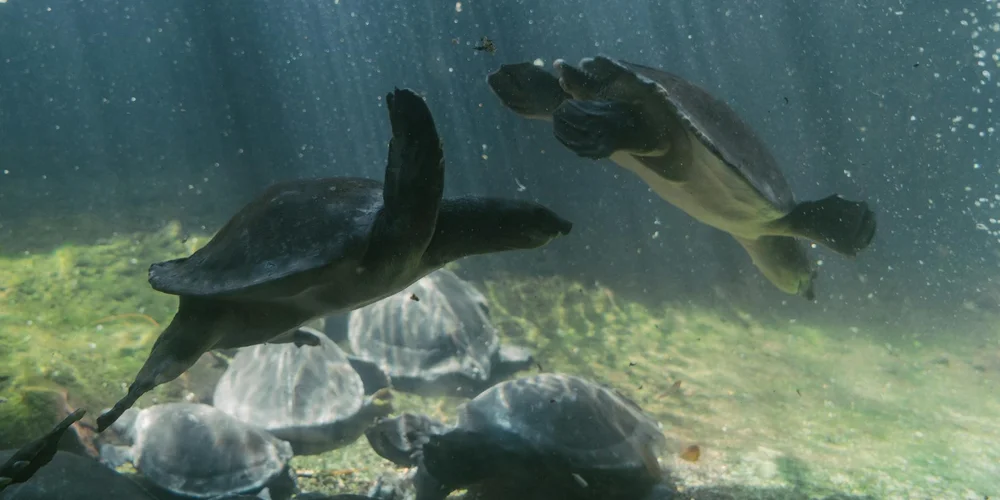
Keeping your turtle’s water pristine feels like tending to a miniature, living sea. A balanced aquatic environment prevents illness and lets your turtle thrive, much like my box turtle Orwell enjoys his clean soaking dish. I remember one week I got busy, and Orwell’s water clouded over; he became less active, a quiet reminder that water quality directly shapes their world. You’ll want to focus on two pillars: regular water changes and mindful filter care. To keep this steady, establish a turtle tank water quality testing maintenance schedule. Weekly checks of key parameters will guide when to perform water changes and when to service the filter.
Filters are the unsung heroes, working silently to remove waste and toxins. The type of filter you choose dictates your cleaning rhythm, so picking one that matches your tank size and turtle’s habits is key. When comparing canister vs internal filters for turtle habitats, consider tank size and how much waste your turtle produces. In larger setups, canister filters usually handle the bio-load better; in smaller tanks, internal filters keep things simple. Canister filters, powerful and often placed outside the tank, are excellent for larger setups but require a bit more disassembly for cleaning. Internal filters, submerged inside the tank, are simpler but may need more frequent attention. For a gentle soul like Orwell, a small internal filter in his water area does the trick, and I clean it every other week to keep his little lagoon clear.
Partial Water Change Procedure
Replacing all the water at once shocks the system, wiping out the good bacteria that break down waste. A partial change, about 25-30% weekly, refreshes the water while keeping that essential biological balance intact. Here’s how I do it for Orwell’s enclosure, a process that’s become a calming ritual.
- Siphon out the old water using a gravel vacuum. This tool lifts debris from the bottom without you needing to scoop. Go slowly to avoid stressing your turtle.
- Prepare the new water in a separate, clean bucket. Treat it with a water conditioner to neutralize chlorine and chloramines, which harm turtles and beneficial bacteria.
- Match the temperature of the new water to the tank water. I test it with my wrist-it should feel neither warm nor cool, just neutral. This prevents temperature shock.
- Gently pour the treated, temperature-matched water back into the tank. Aim for a quiet spot to minimize disturbance.
Filter Cleaning Without Crash
Filters house colonies of beneficial bacteria, and scrubbing them under tap water can wipe those colonies out, causing a dangerous “cycle crash.” Always clean your filter media in a bucket of water you’ve just siphoned from the tank; this preserves the bacteria while removing clogged waste. Your schedule depends on the filter type and how messy your turtle is. As part of your weekly turtle tank maintenance checklist, include regular water changes. Also schedule a quick filter cleaning during that routine to prevent buildup and protect the beneficial bacteria.
For internal filters, I give the sponge a gentle squeeze in tank water every two weeks. Canister filters might only need this rinse-out monthly, but always check the impeller for debris to keep water flowing smoothly. Replace filter media like chemical cartridges or floss based on the manufacturer’s guide, but never all at once. Stagger replacements over a few weeks to keep the bacterial bed stable. Watching Orwell paddle in his crystal-clear water after a proper filter clean is a small joy, knowing his home supports his reserved, intelligent nature perfectly.
Choosing Safe Cleaning Solutions for Turtle Enclosures
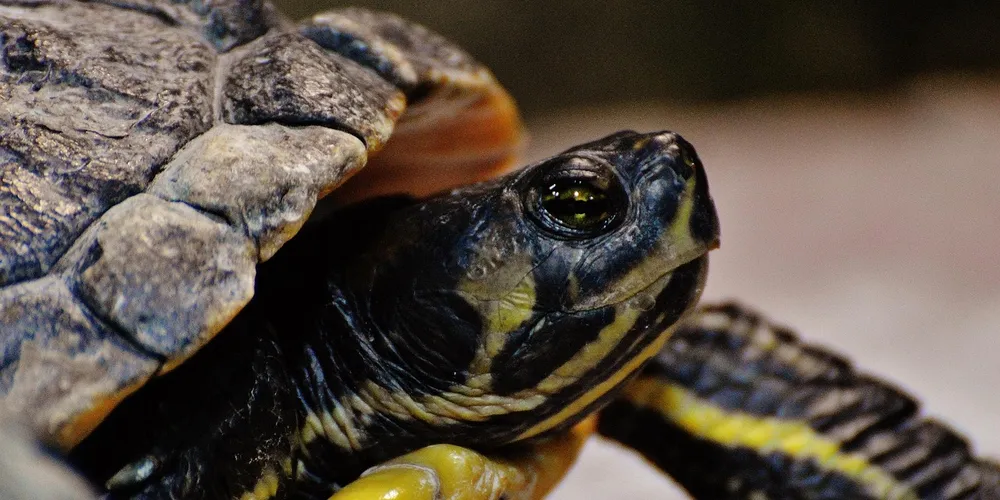
Selecting a cleaner for your turtle’s tank feels simple until you see their small, curious eyes watching you. I made a mistake early on with Orwell, my box turtle. I used a common kitchen spray, and his usually bright demeanor faded into a sluggish retreat for days. Your turtle’s world is delicate, and every chemical choice ripples through their health so be sure to avoid these mistakes when cleaning your turtle’s tank.
Diluted white vinegar became my sanctuary after that scare. Its sharp, clean scent washes away without a trace, unlike harsh residues. Reptile-specific disinfectants are another stellar choice, designed to vanish safely after use. These gentle warriors tackle grime while honoring your pet’s fragile biology.
Effective and Safe Disinfectants
You have several excellent options that clean deeply without danger. I rotate through these based on the cleaning task, ensuring Austen’s and Bronte’s homes stay fresh without stress.
- Vinegar solutions: Mix one part white vinegar with three parts water. This is my weekly workhorse for wiping down surfaces; it dissolves water spots and mild waste effortlessly.
- Specialized reptile cleaners: Products like F10SC or Zoo Med Wipe Out are formulated to kill pathogens while being non-toxic. I use these for monthly deep cleans, especially after Orwell explores every muddy corner.
- Steam cleaning: A handheld steamer uses only hot water vapor to sanitize. It is perfect for obliterating stubborn algae or disinfecting after an illness, leaving no chemical footprint behind.
Agents to Absolutely Avoid
Some household staples are silent threats in a turtle habitat. Banned these from my cleaning cabinet after seeing how even fumes affected my tortoises.
- Bleach residues: Bleach can linger on surfaces and in the air, causing shell and skin irritation. If you must use it for severe cases, rinse the enclosure three times and air it out for over 24 hours.
- Ammonia-based cleaners: These release vapors that can scar a turtle’s sensitive lungs. I once used a window cleaner nearby, and Bronte started wheezing-a lesson I never forgot.
- Soaps and detergents: They often leave a slippery, toxic film that turtles might drink or absorb. Their residue is a slow poison, so stick to rinsable solutions.
Advanced Cleaning: Algae, Disinfection, and Substrate
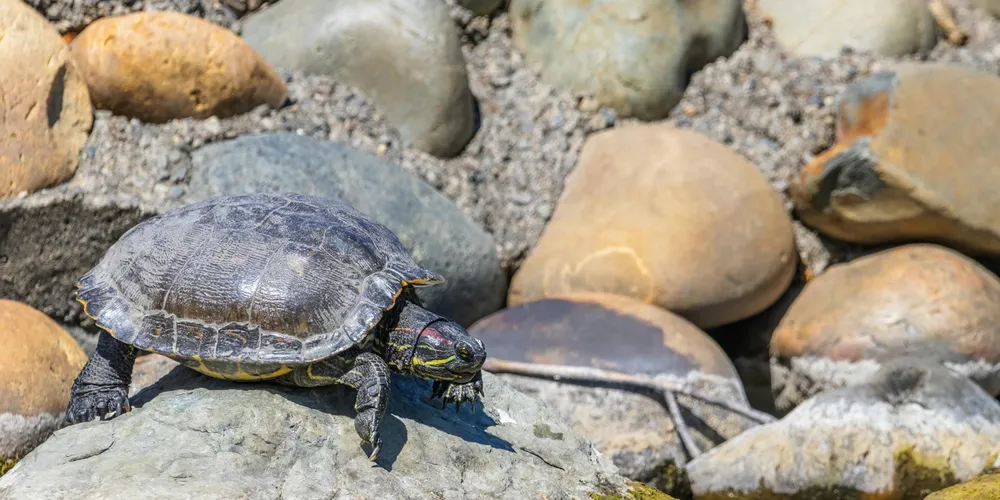
Moving past basic wipe-downs, you face the trio of algae blooms, dirty substrate, and germy surfaces. I treat these not as separate chores, but as connected parts of a healthy habitat, a lesson my tortoise Bronte taught me when her graceful strolls were slowed by a slick tank floor. Tackling them together prevents one problem from fueling another, like algae thriving in old, damp gravel.
Controlling Algae Growth Naturally
A little algae is normal, but a green takeover stresses your turtle and clouds the water. For my Russian tortoise Austen, a gentle soul, I found that mimicking natural light cycles worked wonders. Here are safe, effective ways to keep it in check.
- Reduce light exposure to 8-10 hours daily. Too much light, especially direct sun, is a feast for algae.
- Consider a tank mate like a nerite snail if your turtle is calm. Orwell, my box turtle, shares his space with a few, and their reserved natures coexist well.
- Manual removal is key. Use a clean, soft algae pad or an old toothbrush designated for the tank. Scrape glass during water changes, and always rinse debris away.
Feel the tank walls; a slippery film means it’s time to scrape, a simple act that protects your turtle’s delicate skin and shell.
Substrate Management and Replacement
Your turtle’s flooring needs attention just like yours. Spotting the signs early prevents a stinky, compacted mess that can harbor harmful bacteria. Similarly, early warning signs of respiratory infections in turtles should be checked promptly. Look for symptoms like nasal discharge, coughing, or wheezing as you inspect the habitat. Here’s how to know when and how to refresh it.
- Watch for change signals: A persistent foul odor, substrate that packs into hard clumps, or visible waste that won’t rinse out are clear cues.
- Remove the old substrate safely: During a full tank clean, scoop it out with a dedicated dustpan. For Austen and Bronte, I place them in a temporary bin with a hide and some greens to keep them steady and thoughtful during the process.
- Add new substrate properly: Rinse new gravel or sand under running water until it runs clear. Layer it evenly, aiming for a depth that allows natural burrowing for species that enjoy it.
I use a simple sniff test each week; if the substrate smells more like a pond than earth, plan for a change soon.
Thorough Surface Disinfection
After algae and substrate are handled, disinfecting kills unseen germs. This step is vital for animal welfare, ensuring your turtle returns to a truly clean home, not one with chemical traces. Follow this process for decorations, tanks, and tools. Disinfect turtle tank accessories safely by using reptile-safe cleaners and thorough rinsing. For detailed guidance, visit this resource. Rinse well and allow to dry before reusing items in the tank.
- Rinse all items with hot water to remove loose dirt and algae bits.
- Apply a safe disinfectant. I use a diluted white vinegar solution or a reptile-safe commercial product. Never use harsh household cleaners; their fumes and residues can harm delicate lungs.
- Scrub every surface, especially crevices in decorations where gunk hides. A good brush and elbow grease work best.
- Rinse everything thoroughly, twice. Run water over items until you smell nothing but clean water. This final rinse is the most important step to protect your pet.
Let everything air-dry completely before reassembling the habitat, a calm moment that guarantees no leftover moisture breeds new problems.
FAQs
How often should you replace substrate in a turtle enclosure?
Replace substrate every few months or when it becomes foul-smelling and compacted. Regular spot-cleaning during weekly maintenance can help extend the time between full replacements.
What cleaning agents are safe for turtle enclosures?
Opt for reptile-specific disinfectants or a diluted white vinegar solution, as they are effective yet non-toxic. Always avoid soaps, detergents, and ammonia-based cleaners that can leave harmful residues.
How do you remove algae from a turtle tank?
Manually scrub algae off glass and decorations during water changes using a soft brush or pad. Reducing light exposure and considering peaceful algae-eaters like snails can also help control growth naturally.
How should you disinfect turtle habitat surfaces without harming the turtle?
Apply a safe disinfectant, such as a vinegar mix, and scrub all surfaces thoroughly. Rinse everything multiple times with clean water and allow complete air-drying before your turtle returns to its cleaned enclosure.
What maintenance steps should be done during routine turtle habitat cleaning?
Conduct partial water changes, clean filter media in tank water, and remove any visible waste from the substrate. Always check equipment function and observe your turtle for normal behavior and appetite. Proper maintenance practices are essential, much like cleaning a turtle tank properly.
A Sanctuary of Serenity: Closing Thoughts on Cleanliness
Based on my life with steady Austen, graceful Bronte, and intelligent Orwell, your turtle’s health hinges on a predictable cleaning rhythm. Commit to weekly water refreshes and monthly habitat overhauls to stop problems before they ever start.
Owning a turtle is a beautiful promise to provide a safe, clean world for their entire, long life. Let your care evolve with new knowledge, because a pristine habitat is the purest form of respect you can offer these remarkable animals.
Further Reading & Sources
- The Ultimate Turtle Habitat Cleaning Schedule – Shell Sanctuary
- How to Clean a Turtle Tank or Tortoise Habitat | PetSmart
- Turtle Tank Cleaning and Maintenance
- Turtle Tank Cleaning – Nashville Aquarium Services: Experts In Aquarium Maintenance
Matthew is a dedicated turtle enthusiast and conservationist with over 15 years of experience in reptile care. Known affectionately as "The Leatherback" among his peers, he combines his passion for turtles with a commitment to educating pet owners on responsible turtle care and environmental stewardship.
Regular Cleaning Routines