
How to Clean and Disinfect Your Turtle or Tortoise Enclosure Safely
Published on: December 28, 2025 | Last Updated: December 28, 2025
Written By: Matthew The
You might feel overwhelmed by the thought of cleaning your turtle or tortoise’s home, worrying about harmful chemicals or stressing your pet, but I’ve found a gentle routine that works wonders for my own shelled friends Austen, Bronte, and Orwell.
In this guide, we’ll cover essential supplies, step-by-step cleaning, safe disinfectants, and maintaining a healthy habitat.
Understanding Your Cleaning Schedule and Needs
Keeping your turtle’s home tidy isn’t just about aesthetics-it’s a vital part of their health and happiness. Regular cleaning prevents harmful bacteria and parasites from taking hold, reducing stress and illness risks for your shelled friend. I’ve seen this firsthand with my Russian tortoise, Austen; a clean space keeps him active and content.
Spot Cleaning Versus Deep Disinfecting
Spot cleaning is your daily or weekly quick fix, like picking up uneaten food or waste before it builds up. Think of it as tidying up the living room to avoid a big mess later. Deep disinfecting, on the other hand, involves a full breakdown of the enclosure, scrubbing surfaces, and using safe sanitizers to kill germs-something I do monthly for my Greek tortoise, Bronte, to maintain her graceful demeanor.
Simple Cleaning Frequency Schedule
Your cleaning routine should adapt to your turtle’s age and enclosure size. Younger turtles and smaller habitats need more attention to prevent rapid contamination. Based on my experience with Orwell, my box turtle, here’s a general guide:
- Hatchlings (under 1 year): Spot clean daily, deep clean every 1-2 weeks.
- Juveniles (1-5 years): Spot clean 2-3 times a week, deep clean every 2-3 weeks.
- Adults (5+ years): Spot clean weekly, deep clean monthly for large enclosures; smaller ones may need every 2-3 weeks.
Signs Your Enclosure Needs Immediate Cleaning
Don’t wait for a set schedule if you notice these red flags. A strong, foul odor or visible mold means germs are spreading fast and could harm your pet. Watch for algae overgrowth, slimy surfaces, or if your turtle acts lethargic or avoids certain areas—these are cries for help I’ve learned to heed with my own crew. This is how I tell if my turtle is sick—by watching for these early warning signs. If any of them pop up, I take prompt steps to help.
- Persistent bad smells that don’t fade after spot cleaning.
- Cloudy or discolored water in aquatic setups.
- Your turtle showing signs of respiratory issues or skin irritation.
Gathering Your Cleaning Arsenal: Safe and Effective Supplies
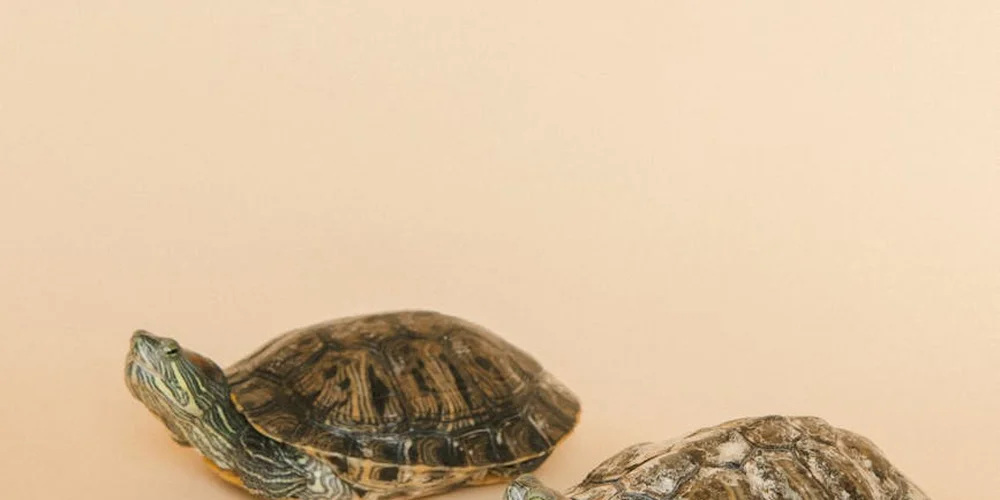
Having the right tools on hand makes cleaning efficient and safe for both you and your turtle. Investing in proper supplies protects your pet from toxic residues and keeps their environment natural and stress-free. I always double-check my kit before starting, especially for sensitive souls like Bronte.
Essential Supplies for a Full Clean
Gather these items to tackle everything from grime to germs. Protective gear is non-negotiable to avoid cross-contamination and skin irritation. Here’s what I use regularly:
- Nitrile or rubber gloves to shield your hands.
- Soft-bristled scrub brushes and sponges for gentle scrubbing.
- Buckets for mixing solutions and rinsing.
- Clean towels or paper towels for drying.
- A spray bottle for applying disinfectants evenly.
- A temporary holding container for your turtle during cleaning.
Comparing Safe Disinfectants
Not all cleaners are turtle-friendly, so choose wisely to avoid harming their delicate systems. Diluted bleach is a strong option but requires thorough rinsing to prevent shell damage. I’ve tested a few on Austen’s enclosure and found that chlorhexidine is milder for routine use, while hydrogen peroxide works well for spot treatments without harsh chemicals.
- Diluted bleach (1 part bleach to 10 parts water): Kills most pathogens; rinse thoroughly and air out.
- Chlorhexidine (follow product dilution): Gentle on skin and effective against bacteria; great for frequent cleans.
- Hydrogen peroxide (3% solution): Eco-friendly and breaks down safely; best for light disinfecting.
Dangerous Household Cleaners to Avoid
Steer clear of products with harsh chemicals that can linger and poison your turtle. Ammonia-based cleaners or those with phenols can cause respiratory distress or shell degradation over time. I never use things like window cleaners or all-purpose sprays near Orwell’s space-it’s a simple step that safeguards their well-being. An essential filtration system keeps turtle water clean and stable, minimizing toxin buildup. Regular filter maintenance is essential to a healthy aquatic habitat for your turtle.
- Ammonia-based products (e.g., some glass cleaners).
- Phenol-containing disinfectants (common in heavy-duty cleaners).
- Bleach in undiluted form or mixed with other chemicals.
- Anything with strong fragrances or aerosols that could irritate lungs.
The Step-by-Step Deep Cleaning Process
Preparing the Enclosure and Your Pet
-
Gently lift your turtle from the enclosure with both hands, supporting their shell fully to prevent stress or injury. I always make sure Austen, my Russian tortoise, feels secure by keeping movements slow and predictable. Place them in a temporary container with a damp towel and some hiding spots to mimic their home environment.
-
Remove old substrate and waste using a small shovel or scoop, and seal it in a biodegradable bag before disposal. This step prevents harmful bacteria from spreading and keeps your pet’s space hygienic. I’ve found that doing this outside or in a well-ventilated area reduces mess and odors.
Scrubbing and Sanitizing All Surfaces
-
Wash the empty enclosure and accessories with hot water and a soft brush to loosen grime. Hot water effectively breaks down dirt without harsh chemicals, which I rely on for Bronte’s delicate Greek tortoise setup. Focus on corners and crevices where waste tends to accumulate.
-
Apply a reptile-safe disinfectant, like diluted vinegar or a commercial product, following label instructions for contact time. Avoid bleach-based cleaners; they can leave toxic residues that harm your turtle’s health. I spray surfaces evenly and let it sit for 10 minutes to ensure germs are neutralized. This step is part of our complete hatchling turtle care guide, which covers setup, sanitation, and ongoing care to keep hatchlings healthy.
The Crucial Final Steps: Rinsing and Drying
-
Rinse every surface thoroughly with clean water multiple times to eliminate any chemical traces. Leftover disinfectant can irritate your pet’s skin or cause respiratory issues, so I double-check for slickness or odors. Use a spray bottle or gentle stream to reach tight spots.
-
Allow the enclosure to air dry completely in a sunny, well-ventilated space before adding new substrate. Moisture encourages mold growth, which I prevent by patting dry with a clean cloth and waiting at least an hour. This patience ensures a fresh start for your turtle.
Tackling Specific Enclosure Components
Water and Filtration System Care
-
Clean the water area by gently swishing it with a sponge and old tank water to preserve beneficial bacteria. Disrupting these microbes can lead to poor water quality, so I never use tap water directly on filter media. For filters, rinse components in discarded tank water to maintain balance.
-
Use dechlorinated water at room temperature—around 75°F—to avoid shocking your turtle’s system. This temperature mimics their natural habitat and reduces stress during cleaning. For nighttime care, a basic nighttime heat management guide can help keep the enclosure in a safe range. It helps prevent stress from overnight temperature drops. I test it with my wrist, like checking a baby’s bottle, to ensure it’s just right.
Accessory and Decor Sanitation
-
Scrub basking platforms, rocks, and hides with a brush and hot water, then soak them in a vinegar solution for 15 minutes. This natural approach removes algae and bacteria without risky chemicals, which I use for Orwell’s box turtle hides. Rinse well to avoid any acidic residue.
-
Sanitize items by air-drying them in sunlight, as UV rays help kill germs naturally. Sunlight acts as a free disinfectant, and I’ve seen it keep Bronte’s decor spotless between deep cleans. Avoid harsh scrubs that could scratch surfaces and trap dirt.
Substrate Management and Replacement
-
Fully replace substrate every 4-6 weeks, but spot-clean daily by removing visible waste with a small scoop. Spot-cleaning extends substrate life and prevents odor buildup, a trick I learned from caring for Austen’s enclosure. If you notice dampness or mold, replace it immediately.
-
Choose substrates like coconut coir or cypress mulch, which absorb moisture and control odors effectively. These options are biodegradable and safe for digging, reducing the risk of impaction in tortoises. I mix in sphagnum moss for extra humidity control in Bronte’s habitat.
Proactive Enclosure Hygiene and Problem Prevention
-
Preventing mold, algae, and odors starts with consistent habits that keep your turtle’s home fresh and healthy. Spot clean daily by removing uneaten food and waste to stop bacteria from thriving. I do this with Austen, my Russian tortoise, and it cuts down on smells dramatically. Use substrates like coconut coir or cypress mulch that resist moisture buildup and allow for better air circulation. Ensure proper ventilation in the enclosure to reduce humidity levels, which discourages mold growth. For water areas, change it frequently and use a filter if possible—this has kept Bronte’s habitat algae-free for years. Regularly inspect and replace damp bedding to avoid musty odors that can stress your pet. These steps are essential parts of a complete care routine.
-
When introducing a new turtle, quarantine is essential to protect your existing pets from potential illnesses. Set up a separate, simple enclosure away from others for at least 30 days to monitor health. I did this with Orwell, my box turtle, and it gave me peace of mind while he adjusted. During quarantine, clean and disinfect this space more frequently, using mild solutions to avoid overwhelming the newcomer. Observe for signs like lethargy or unusual behavior, and handle the new turtle last during your routine to prevent cross-contamination. This step ensures a smooth transition and keeps your whole turtle family safe from hidden threats.
-
Cleaning approaches vary between juvenile and adult turtles due to their different needs and behaviors. Juveniles, with their faster metabolisms, often require more frequent cleanings – aim for twice a week to manage their messier eating habits. All of these considerations feed into the ultimate turtle habitat cleaning schedule you can tailor to your setup. When you establish a clear rhythm for different life stages, you’ll keep enclosures healthier and maintenance smoother. I noticed this with Bronte as a young tortoise; her small size meant quicker soiled areas. Use gentle, non-toxic cleaners and avoid harsh chemicals that could harm developing shells. For adults, like my steady Austen, weekly cleanings usually suffice, but focus on thorough waste removal from larger enclosures. Adjust substrate depth and enclosure size as they grow to make maintenance easier and reduce stress during cleaning sessions.
FAQs
How often should you replace the substrate in a turtle enclosure?
Substrate typically needs replacement every 4-6 weeks to avoid mold and odors. Daily spot cleaning of waste can help extend its lifespan between changes.
How should you clean the water and filter system of a turtle enclosure?
Gently clean the water area with a sponge and old tank water to protect beneficial bacteria. Rinse filter media in discarded tank water to maintain water quality without shocking the system.
How do you clean juvenile vs. adult turtle enclosures differently?
Juvenile enclosures require more frequent cleanings, about 2-3 times weekly, due to their messier habits. Adult setups can often be cleaned weekly, with a focus on thorough waste removal from larger spaces.
What signs indicate the enclosure needs cleaning sooner than scheduled?
Persistent foul smells or visible mold growth are clear signs to clean immediately. Watch for cloudy water or if your turtle acts lethargic, as these suggest urgent maintenance is needed. Regularly testing essential water quality parameters—ammonia, nitrite, nitrate, pH, and temperature—helps determine if the tank is healthy for your turtle. Keeping these parameters within safe ranges is a key part of turtle care.
How do you sanitize reptile enclosure accessories without leaving harmful residues?
Use mild solutions like diluted vinegar and rinse accessories thoroughly with clean water afterward. Allow items to air-dry completely in sunlight to eliminate germs naturally without chemical buildup.
A Clean Start for a Happy Shell
Establish a routine cleaning schedule using only reptile-safe disinfectants to maintain a healthy habitat. Thorough rinsing and complete drying are non-negotiable steps that protect your turtle from chemical exposure and stress. In addition, implement a turtle tank water quality testing schedule to monitor ammonia, nitrite, nitrate, pH, and temperature. Use the results to guide regular water changes and maintenance.
Owning a tortoise like my gentle Austen has shown me that consistent care builds a trusting bond over years. Commit to ongoing education about species-specific needs to honor the lifelong responsibility of pet turtle ownership.
Further Reading & Sources
- How to Clean a Turtle Tank or Tortoise Habitat | PetSmart
- Cleaning My Tortoise Enclosure & Setup – YouTube
- How often to clean enclosure/replace substrate? | Tortoise Forum
- Turtles 101: How to Clean and Care for Your Turtle’s Tank | PetMD
Matthew is a dedicated turtle enthusiast and conservationist with over 15 years of experience in reptile care. Known affectionately as "The Leatherback" among his peers, he combines his passion for turtles with a commitment to educating pet owners on responsible turtle care and environmental stewardship.
Regular Cleaning Routines