
Turtle Identification and Classification Made Simple
Published on: November 18, 2025 | Last Updated: November 18, 2025
Written By: Matthew The
Have you ever spotted a turtle and wondered exactly what kind it is, or felt a twinge of concern that misidentifying it could harm its chances in the wild? You’re not alone-many of us share that worry, especially when a turtle’s survival can depend on proper recognition.
In this guide, we’ll explore turtle species, key identification features, shell and behavior clues, habitat insights, and classification basics to build your confidence.
The Importance of Turtle Identification in Pet Care
Getting your turtle’s identity right is the first and most loving act of pet ownership. I learned this the hard way when I mistakenly tried to create a single habitat for my Russian tortoise, Austen, and a water-loving friend. Their needs were worlds apart.
Proper identification directly shapes every part of your care routine.
- Habitat Design: Is your turtle terrestrial, aquatic, or semi-aquatic? A box turtle like my Orwell needs a humid terrarium with shallow water, while an aquatic turtle requires a large, filtered tank with a powerful basking platform.
- Diet and Nutrition: Species have specific dietary needs. Many tortoises, like my Greek tortoise Bronte, are strictly herbivores, while other turtles are omnivores or even carnivores. Feeding the wrong diet leads to severe health issues.
- Health and Lifespan: Knowing your turtle’s species helps you recognize normal behavior versus signs of illness. It also prepares you for their potential lifespan, which can span decades.
- Legal and Ethical Responsibility: Many turtle species are protected by law. Correct identification ensures you are not accidentally keeping a protected or endangered species, which supports global conservation efforts.
Understanding Turtle Taxonomy: The Science Behind Classification
Taxonomy might sound like a dusty scientific term, but it’s simply the system we use to name and group all living things. Think of it as a giant, organized family tree for the entire natural world. This system helps us understand the relationships between different turtles and why they look and act the way they do.
The classification starts broad and gets more specific. For my Russian tortoise, Austen, his full scientific “address” is:
- Kingdom: Animalia (all animals)
- Phylum: Chordata (animals with a spinal cord)
- Class: Reptilia (all reptiles)
- Order: Testudines (all turtles, tortoises, and terrapins)
- Family: Testudinidae (tortoises-the land-dwellers)
- Genus: Testudo
- Species: Testudo horsfieldii
Key Taxonomic Terms Every Owner Should Know
You don’t need a biology degree, but a few key words will make you a more informed turtle parent.
- Order Testudines: This is the big umbrella. Every single animal we call a turtle, tortoise, or terrapin belongs to this one order. It’s defined by that iconic bony or cartilaginous shell.
- Family: This groups turtles with closer common ancestors. The family Testudinidae, for instance, includes all true tortoises. The family Emydidae includes many common pond turtles and box turtles.
- Genus and Species: This is the most specific part of the name, the unique identifier. The genus is like the immediate family surname, and the species is the individual’s first name. Together, they form the scientific name, which is universal across all languages.
How Turtles Differ from Lizards and Other Reptiles
It’s easy to lump all scaly friends together, but turtles are wonderfully unique. I often watch my tortoises and compare them to my friend’s bearded dragon. The differences are profound.
The most obvious distinction is the shell. A turtle’s shell is not a separate house it carries; it’s a living, integrated part of its skeleton, fused to its ribs and spine. A lizard’s body is completely separate from its skin and scales.
- Skeleton and Posture: Because their ribs form the shell, turtles have a rigid body. This gives them a distinctive, often slow, gait. Lizards have a flexible ribcage, allowing for quicker, more fluid movement.
- Teeth: Modern turtles are toothless! They have sharp, horny beaks for cutting and chewing. Most lizards, on the other hand, have visible teeth.
- Limb Structure: Look at their feet. Tortoises have stout, elephant-like feet for walking on land, while aquatic turtles have webbed feet or even flippers. Lizards typically have clawed toes suited for climbing or running.
Step-by-Step Guide to Identifying Your Turtle
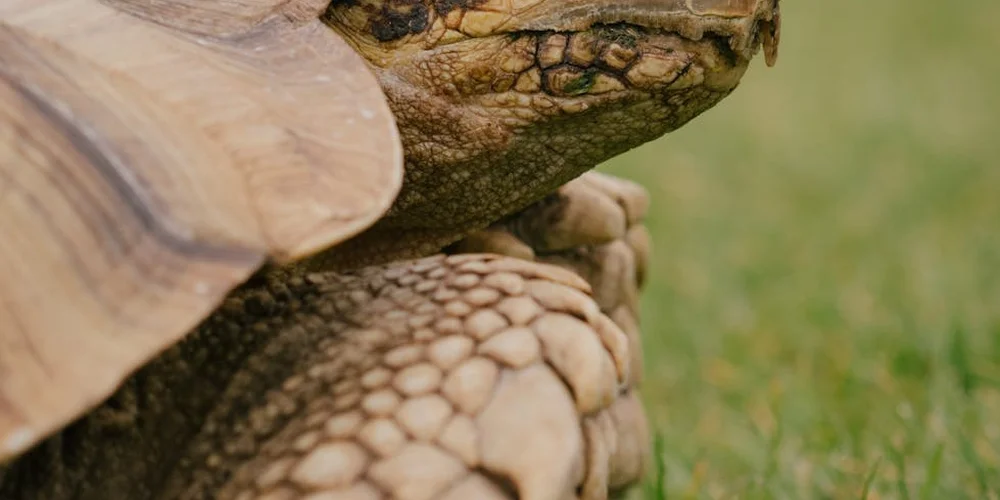
Identifying your turtle feels like solving a gentle puzzle, and I’ve spent years doing just that with my own shelled friends. Take your time observing each feature, as rushing can miss subtle details that make all the difference. Let’s walk through this together, step by step.
Examining Shell Morphology and Patterns
Start by gently observing the shell from a safe distance to avoid stressing your pet. The shell’s shape and patterns are like a turtle’s fingerprint, offering clear clues to its species. For instance, my Russian Tortoise Austen has a high-domed, brown and tan shell with dark markings that hint at his hardy nature.
- Look at the overall shape: Is it domed like a Russian Tortoise or flatter like some aquatic species?
- Check the scute patterns: Count the large scales on the carapace; many land turtles have distinct, symmetrical arrangements.
- Note the colors and markings: Bronte, my Greek Tortoise, shows golden brown with dark blotches, common in her breed.
- Feel for texture: Run your eyes over the surface-smooth shells often belong to younger or certain species, while rough ones might indicate age or habitat.
From my experience, handling should be minimal and always support the shell fully to prevent injury. Observing these traits without touching first helps keep your turtle calm and safe.
Assessing Head, Skin, and Other Diagnostic Features
Move on to the head and skin, where personality and species traits shine through. Pay attention to the head shape and eye placement, as they can reveal if your turtle is more terrestrial or aquatic. Orwell, my Box Turtle, has a reserved look with a dark brown head and yellow patterns that match his intelligent demeanor.
- Examine the head: Is it large and blocky like a Snapping Turtle’s, or small and streamlined like a Painted Turtle’s?
- Look at the eyes: Color and position vary; for example, Bronte’s eyes are set high, aiding her graceful, thoughtful movements.
- Check the skin texture and color: Dry, scaly skin often points to land turtles, while smoother skin might indicate water-loving species.
- Observe the legs and claws: Webbed feet suggest swimming ability, and claw length can hint at digging habits.
I always advocate for gentle, brief inspections to respect your turtle’s comfort. Noting these features carefully ensures you’re not just identifying a species but understanding a unique individual.
Common Pet Turtle Species and Their Diagnostic Features
Getting to know the common pet turtles is like learning the faces of friendly neighbors. Each has a unique look and personality that makes them special. Recognizing these features is your first step to providing the right home and care for your shelled companion. My own Russian tortoise, Austen, has taught me so much about the gentle pace of these wonderful creatures.
Red-Eared Slider
You can’t miss the bright red stripe behind each eye on these popular aquatic turtles. Their olive-green shells often feature yellow markings. Sliders are energetic swimmers and dedicated baskers, needing both a large water area and a warm, dry spot to thrive.
Painted Turtle
Think of these as the artists of the turtle world. Their dark shells are edged with red, and their skin is streaked with vibrant yellow and red lines. Their relatively small size and stunning coloration make them a beautiful, though still demanding, pet choice.
Russian Tortoise
These small, hardy tortoises have a rounded, tan-and-brown shell. Their stumpy, elephant-like legs are built for digging, not swimming. A Russian tortoise is a perfect example of a purely terrestrial pet that needs a spacious, dry enclosure with plenty of substrate to burrow in. Watching my tortoise, Austen, methodically explore his terrain is a daily lesson in contentment.
Spotting the Differences: Snapping Turtles vs. Tortoises
This is a classic case of “looks can be deceiving.” While both have shells, their lifestyles are worlds apart. Understanding this distinction is vital for both your safety and the animal’s welfare.
- Habitat: Snapping turtles are aquatic, living in ponds and rivers. Tortoises are terrestrial, inhabiting dry grasslands and deserts.
- Shell Shape: A snapper’s shell is rugged and often algae-covered for camouflage. A tortoise’s shell is typically a high, domed shape.
- Limbs: Snappers have webbed feet with long claws for swimming and digging. Tortoises have stout, column-like legs for walking on land.
- Diet: Snappers are omnivorous hunters. Tortoises are primarily herbivores, munching on grasses and leafy greens.
- Temperament: Snapping turtles are defensive and can deliver a powerful bite if threatened. Tortoises are generally reclusive and will retreat into their shells.
Alligator Snapping Turtles are a separate, formidable category. They possess a primitive, ridged shell and a worm-like lure on their tongue to attract prey, making them fascinating but entirely unsuitable as pets. I strongly advocate for appreciating these ancient creatures in the wild or reputable conservation facilities, not in a home aquarium.
Identifying Rare and Uncommon Pet Turtles
Venturing beyond the common species can lead you to some truly extraordinary turtles. These rare pets often come with very specialized care requirements and significant legal considerations. Always prioritize adoption and ensure any animal was bred in captivity, not taken from the wild.
Indian Star Tortoise
This tortoise is a living work of art. Its high-domed, black shell is covered with striking yellow star-like patterns. Their stunning appearance demands a strict, warm, and dry habitat to prevent respiratory issues.
Fly River Turtle
Also known as the Pig-Nosed Turtle, this is one of the few fully aquatic freshwater turtles. Its flipper-like limbs and soft, leathery shell are adaptations for a life almost entirely in the water. Caring for a Fly River turtle requires a very large, pristine aquarium, mimicking a river environment.
Mata Mata Turtle
With a triangular, flattened head covered in flaps and a knobby, rough shell, the Mata Mata looks like a pile of dead leaves. This bizarre appearance is a perfect camouflage for an ambush predator that sucks in its prey. They are a true specialist, best left to expert keepers.
Essential Resources for Accurate Turtle Identification
Getting the species right is the first step to providing excellent care. A proper identification directly influences habitat setup, diet, and long-term health planning. I learned this the hard way when I initially misjudged the needs of one of my first turtles.
Using Digital Tools and Apps for Quick ID
Modern technology puts a powerful field guide right in your pocket. These tools can give you a fantastic starting point.
- iNaturalist: This is my go-to app. You upload a clear photo, and a community of naturalists and algorithms helps suggest an identification. It’s incredibly accurate for common pet species.
- Picture Insect & Picture Bird Apps: Don’t let the names fool you. The underlying technology from these developers is excellent at recognizing shell patterns, head shapes, and other reptilian features.
- Online Forums and Groups: Dedicated turtle communities on platforms like Reddit or Facebook are filled with experienced keepers. Post clear pictures of the shell (top and bottom), head, and limbs for the best help.
Remember, these apps provide suggestions, not definitive diagnoses, so always cross-reference your findings. The subtle differences between, say, a Greek and a Hermann’s tortoise can be easy to miss on a small screen.
When to Seek Help from Veterinarians or Experts
Some situations demand a professional eye. Your turtle’s health and welfare depend on it.
- Shell Damage or Abnormalities: If you see soft spots, pits, unexplained cracks, or discoloration, see a vet. These can be signs of metabolic bone disease or shell rot, which require specific treatment.
- Uncertainty After Your Own Research: If online resources give you conflicting answers or you’re just not confident, an exotic veterinarian can provide a definitive identification during a wellness check.
- Rescued or Found Turtles: If you’ve taken in a turtle from the wild or a rescue, a vet visit is non-negotiable. They can check for parasites, confirm the species, and ensure the animal is fit for captivity.
- Strange Behavior or Appetite Loss: A turtle that isn’t eating, is lethargic, or has swollen eyes needs medical attention first; identification is part of that diagnostic process.
Finding a vet who specializes in reptiles is one of the most important things you can do as a turtle keeper. My tortoise, Orwell, once had a minor respiratory issue that a general vet missed, but our reptile specialist caught it immediately. Proper tank setup is the next line of defense. Here are 7 deadly turtle tank setup mistakes and how to fix them fast.
FAQs
What is the average lifespan of a pet turtle?
Lifespan varies dramatically by species, ranging from 20 to over 80 years. Proper identification is crucial for understanding this long-term commitment and providing appropriate care throughout their life.
Can I feed my turtle the same food I eat?
No, a turtle’s diet is highly species-specific and human food is often unsuitable. Feeding an incorrect diet, such as giving fruit to a species that requires primarily vegetation, can lead to serious health problems.
How often should I clean my turtle’s habitat?
Cleaning frequency depends on whether your turtle is aquatic or terrestrial and the type of enclosure setup. Aquatic tanks typically require more frequent partial water changes and filtration maintenance than a tortoise’s dry terrarium.
Why is my turtle’s shell soft or discolored?
A soft or discolored shell can indicate serious health issues like Metabolic Bone Disease or shell rot. This requires immediate attention from a veterinarian who specializes in reptiles for a proper diagnosis and treatment plan.
Do turtles need a companion in their enclosure?
Most turtles are solitary animals and do not require or often even tolerate a companion. Housing turtles together can lead to stress, aggression, and competition for resources like food and basking spots.
Your Turtle Care Journey Continues
Properly identifying your turtle’s species is the first step to creating a thriving home for them. I’ve learned from my own tortoises, like Austen and Bronte, that matching care to their specific traits makes all the difference in their well-being.
Commit to being a lifelong learner and advocate for your turtle’s health and happiness. Stay engaged with trusted sources and fellow enthusiasts to keep growing in your pet care knowledge, especially when it comes to caring for land and aquatic turtles.
Further Reading & Sources
- Turtle ID Guide
- Turtles of North America · iNaturalist
- Turtles — identification guide — Discover Life
- Turtle identification
Matthew is a dedicated turtle enthusiast and conservationist with over 15 years of experience in reptile care. Known affectionately as "The Leatherback" among his peers, he combines his passion for turtles with a commitment to educating pet owners on responsible turtle care and environmental stewardship.
Unusual Turtle Species