
Creating the Ideal Brumation Environment for Your Turtle
Is your turtle slowing down as the days grow shorter, and you’re worried about keeping it safe and healthy through its winter rest? This natural process, called brumation, can feel intimidating for any reptile owner.
I’ve guided my own tortoises, Austen and Bronte, through many successful brumation cycles, and I’m here to walk you through it step-by-step. With the right setup, you can provide a safe, stable environment that supports your turtle’s natural instincts.
In this article, we will cover: setting up the perfect enclosure, managing temperature and humidity, monitoring your turtle’s health, and timing the process correctly.
Understanding Turtle Brumation
Brumation is a natural seasonal slowdown, similar to hibernation, that many reptiles experience during colder months.
This isn’t a deep sleep but a state of greatly reduced activity where their metabolism slows to a crawl.
I’ve watched my Russian tortoise, Austen, go through this cycle for years, and it’s a fascinating, instinctual process.
Common Signs Your Turtle is Preparing for Brumation
Your turtle will give you clear signals that it’s time to wind down.
- Noticeably decreased appetite or a complete refusal to eat.
- Seeking out the coolest, darkest corner of its enclosure to burrow or hide.
- A significant drop in overall activity levels and movement.
- Spending much more time basking, as if storing up one last bit of warmth.
Seeing these behaviors can be unsettling at first, but recognizing them as natural is the first step to providing proper care.
Which Turtle Species Typically Brumate
Not every turtle is programmed for this winter rest.
- Common brumators include many North American species like Box Turtles, Russian Tortoises, and Greek Tortoises.
- My own tortoises, Austen and Bronte, are classic examples that expect this seasonal break.
Tropical species, like Red-Eared Sliders kept in warm indoor environments, often do not need to brumate and may not show these signs at all.
Knowing your specific turtle’s natural origin is key to understanding its needs.
Pre-Brumation Health and Safety Checks
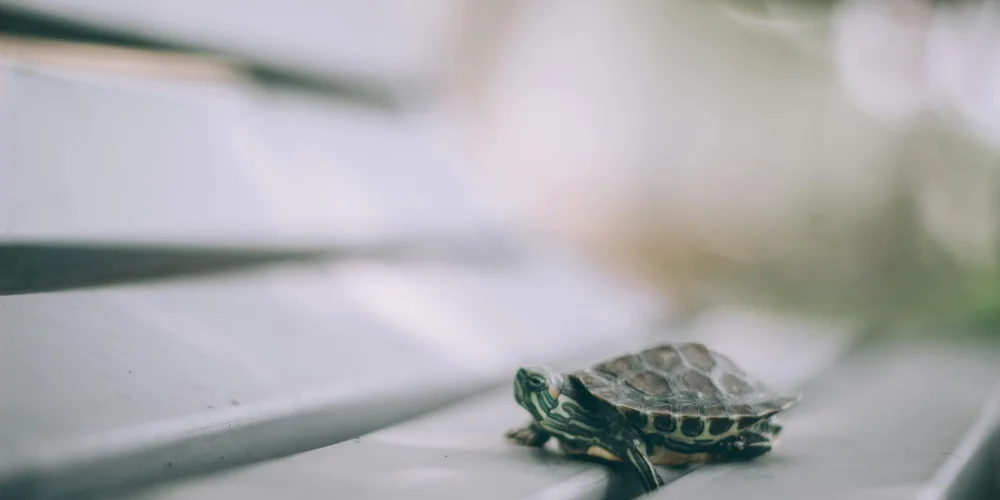
Before you even think about lowering the temperature, a thorough health assessment is non-negotiable.
Brumation places stress on a turtle’s body, and only a healthy animal should undergo it.
Steps for a Pre-Brumation Veterinary Visit
A check-up with a qualified reptile vet provides a crucial safety net.
- Schedule a wellness exam specifically mentioning your intent to allow brumation.
- Request a fecal exam to rule out internal parasites, which can wreak havoc during this vulnerable period.
- Discuss your specific brumation plan with the vet and get their professional approval.
This proactive visit can identify hidden health issues that could become serious during their seasonal slowdown.
How to Assess Your Turtle’s Weight and Overall Health
You are your turtle’s first line of defense in judging its readiness.
- Weigh your turtle and ensure it has good body mass; a prominent, sunken plastron (bottom shell) is a red flag.
- Check for clear, bright eyes and nostrils free of discharge.
- Look for any wounds, shell rot, or signs of respiratory infection like wheezing.
An underweight or sick turtle should not be allowed to brumate, as it may not have the reserves to wake up.
The Importance of Fasting Before Cooling Begins
This is one of the most critical steps for a safe brumation.
A turtle must have a completely empty digestive tract before its body cools down.
Undigested food left in the gut can rot, leading to a fatal bacterial infection.
I stop offering food to my tortoises about two to three weeks before the cooling process starts, while still providing warm soaks to encourage them to clear out.
This fasting period ensures they enter their rest clean and safe.
Setting Up the Brumation Enclosure
Your turtle needs a quiet, undisturbed space that mimics a natural underground burrow. I use a spare, well-cleaned terrarium placed in a rarely used room to prevent vibrations and noise from disturbing their rest. This setup has worked wonderfully for my tortoises, Austen and Bronte.
Selecting the Brumation Habitat
You don’t always need a fancy tank. A simple, sturdy plastic storage bin can work perfectly. The key is ensuring the container is secure, well-ventilated, and large enough for your turtle to move around slightly and burrow. Size matters: a turtle needs a tank that gives it space to move, stretch, and burrow. For Orwell, an opaque bin can provide that size without the need for glass.
Ideal Substrate Choices
The right bedding is crucial for insulation and maintaining humidity. A deep layer allows your turtle to burrow and feel safe.
- Topsoil or Coco Coir: These are my top choices. They hold moisture well and allow for natural digging behavior.
- Sphagnum Moss: I often mix this in to help retain humidity around the turtle’s shell.
- Leaf Litter: Adding a top layer of clean, dry leaves provides extra insulation and mimics a forest floor.
Aim for a substrate depth that allows your turtle to completely bury itself; for my Russian tortoise, that’s about 6 to 8 inches.
Providing Hides and Shelters
Security is non-negotiable during this vulnerable period. I always include multiple hide options.
- Half-Logs: These offer a familiar, enclosed space.
- Cork Bark Rounds: Their natural texture is great for climbing in and out.
- Terracotta Plant Saucers: A simple, inexpensive DIY hide that works remarkably well when partially buried.
Placing hides at both the warmer and cooler ends of the enclosure gives your turtle choice and control over its environment, which reduces stress.
Managing Temperature and Cooling
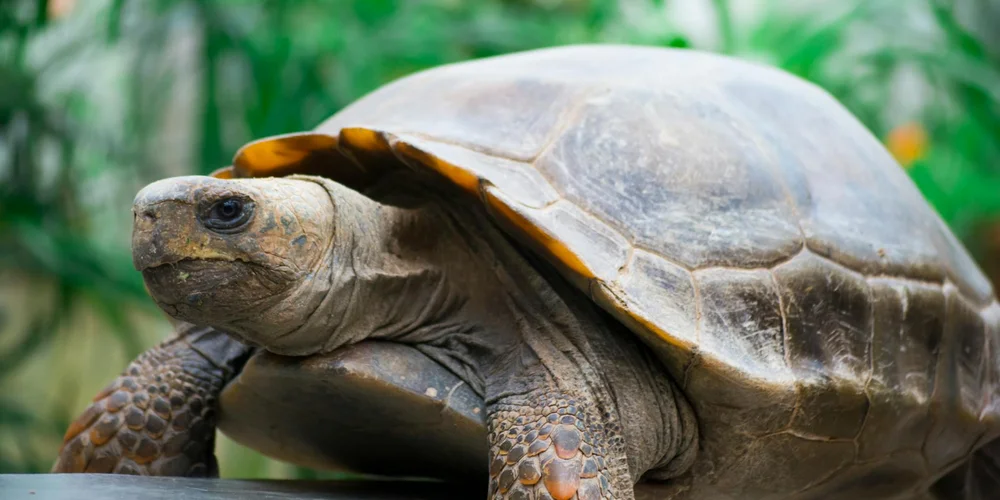
Getting the temperature right is the most critical part of brumation. A mistake here can be dangerous. Based on my experience and widely accepted herpetological guidelines, a safe range is typically between 40°F and 55°F (4°C to 13°C).
Species-Specific Temperature Ranges
Not all turtles brumate at the same temperature. It’s vital to know your pet’s needs.
- Mediterranean Tortoises (like my Greek, Bronte): 45-55°F (7-13°C)
- Russian Tortoises (like Austen): 40-50°F (4-10°C)
- Box Turtles (like Orwell): 40-50°F (4-10°C)
Always research your specific species, as some, like tropical turtles, should not brumate at all. Do all turtle species brumate?
Methods for Gradual Temperature Reduction
You cannot just put your turtle in a cold place. The cooling process must be slow and steady over 2-3 weeks.
- Begin by stopping all feeding while still providing warm soaks and basking lights.
- Each week, reduce the daytime basking temperature and shorten the photoperiod.
- Move the enclosure to a progressively cooler location, like a basement or insulated garage.
This gradual shift mimics the natural cooling of autumn and allows your turtle’s metabolism to safely slow down.
Using Thermostats for Monitoring
Never guess the temperature. I rely on a high-quality thermostat with a probe placed at turtle-level within the enclosure.
- Digital Thermometers: Provide accurate, easy-to-read numbers.
- Thermostat Controllers: These can be connected to a small heat mat on a low setting to prevent the area from dropping below a set minimum.
- HyGrometers: Essential for monitoring humidity levels alongside temperature.
I check my thermometer readings daily to ensure the environment remains stable and safe for my sleeping companions.
Controlling Humidity and Ventilation
Balancing humidity is crucial to prevent shell rot and respiratory issues in your turtle. I’ve learned through caring for Austen, my Russian Tortoise, that too much moisture can soften his shell, while too little leaves him dehydrated. Aim for a slightly dry environment, but not bone-dry, to mimic their natural brumation spots. In a terrestrial turtle habitat, you’ll want to maintain proper humidity levels. Use a hygrometer to monitor moisture and adjust as needed.
- Use a hygrometer to monitor levels, keeping humidity around 50-60% for most species.
- Lightly mist the substrate occasionally to maintain slight dryness without soaking it.
- Ensure good airflow with vents or a small fan to stop mold from forming, which I’ve seen cause problems in Bronte’s enclosure.
Proper ventilation helps avoid stagnant air that breeds mold and bacteria. In my setup for Orwell, the Box Turtle, I use a screened lid to allow fresh air circulation without drafts. This simple step has kept his space healthy and mold-free over the years.
Adjusting Lighting and Photoperiod
Gradually reduce light hours to signal brumation, starting with shortening day length by an hour each week. For Bronte, my Greek Tortoise, I begin this process in late autumn, cutting back from 12 to 8 hours of light over a month. This slow change prevents stress and helps her body adjust naturally.
- Simulate seasonal darkness by dimming lights or using timers for a consistent schedule.
- Eliminate artificial lighting entirely once your turtle stops moving and eating regularly, usually after 2-3 weeks of reduced light.
Simulating natural darkness is key to triggering brumation instincts. I’ve observed that Austen responds best when the light reduction mirrors the shorter days of fall, making his transition smooth and worry-free. Keep the area dark and quiet to support deep rest, just like in the wild.
Monitoring Your Turtle During Brumation
Keeping an eye on your turtle while it brumates feels like watching over a sleeping friend—you want to ensure everything is okay without causing a stir. Recognizing signs your turtle is entering brumation—such as a drop in appetite or reduced activity—can cue you to adjust care without disturbing him. This awareness helps you know when to check and when to let rest take its course. A gentle, infrequent checking routine helps you spot issues early while respecting your turtle’s need for rest. With my Russian Tortoise Austen, I’ve learned that less is more; I check on him once every seven to ten days, using a soft voice and minimal light to avoid startling him.
- Observe breathing patterns from a distance-slow, rhythmic movements are a good sign.
- Weigh your turtle monthly if it’s safe to do so, but skip handling if it risks disturbance.
- Look for subtle shifts in position or substrate, which can indicate natural activity.
Healthy brumation shows in steady breathing, maintained weight, and occasional slight adjustments. Watch out for red flags like rapid weight loss, mucus around the eyes or nose, or a foul odor from the enclosure. My Greek Tortoise Bronte once had a slight discharge, which signaled a need for closer attention.
Intervention becomes necessary if weight drops over 10%, breathing is labored, or there are signs of infection. Rewarm your turtle slowly in a warm, quiet space if health declines, and consult a vet for persistent issues. I had to gently rouse Orwell, my Box Turtle, when he lost too much weight, and a gradual warm-up helped him recover.
Ending Brumation and Acclimation
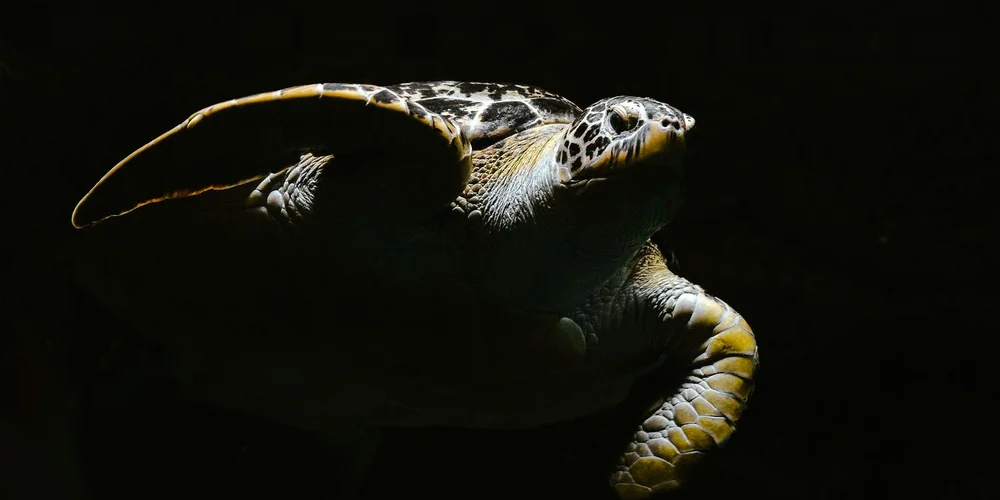
Waking your turtle from brumation is a delicate process, much like easing out of a deep sleep. Gradual rewarming over one to two weeks prevents shock and supports a smooth transition. I start by increasing the enclosure temperature by about five degrees Fahrenheit every couple of days, mimicking natural spring warmth for turtles like Bronte. To safely wake your turtle from brumation, monitor its activity and hydration closely and adjust the pace if needed. If your turtle shows signs of stress or lethargy, slow the warming and consult a reptile veterinarian.
- Reintroduce light slowly, beginning with dim periods and extending to full daylight hours.
- Offer shallow, lukewarm soaks to encourage hydration and gentle movement.
- Monitor for increased alertness and exploration as signs of successful awakening.
Post-brumation, your turtle’s diet should start light and simple. Begin with easily digestible foods like leafy greens or soaked pellets before reintroducing variety. Austen always perks up with a small serving of dandelion greens, and I gradually add fruits and proteins over a week.
Resume normal routines by slowly increasing handling and activity levels. Behavioral shifts like steady eating, curious roaming, and brighter eyes show your turtle has completed brumation well. Orwell’s reserved nature gives way to intelligent curiosity once he’s fully acclimated, telling me he’s ready for regular life again.
FAQs
How long should brumation last for my turtle?
Brumation duration varies by species and individual health, typically ranging from a few weeks to several months. Note that in turtles this state is called brumation rather than hibernation, though the goal is the same. The difference is largely terminology and minor management nuances across species. Always monitor your turtle’s condition and adjust based on its behavior and weight stability.
Is it safe to brumate a young or juvenile turtle?
Juvenile turtles have higher metabolic demands and may not tolerate brumation well, so consult a reptile veterinarian before proceeding. For a complete guide to turtle brumation and hibernation, see our step-by-step coverage of timing, preparation, and safety. In many cases, it’s best to delay brumation until the turtle is older and healthier.
What are the signs that my turtle is not brumating properly and needs intervention?
Look for symptoms like significant weight loss, abnormal breathing, or any signs of infection, which may indicate a problem. If these occur, slowly rewarm your turtle and contact a vet for further guidance. If you’re wondering how to tell if your turtle is sick, these signs are a quick guide. Keep an eye on changes over time and consult a vet if anything concerns you.
Your Turtle’s Peaceful Brumation Path
Focus on a cool, stable environment and gentle monitoring to support your turtle’s natural brumation cycle. From my time with Bronte, my Greek tortoise, I’ve seen how a steady setup reduces stress and promotes health. If you’re preparing your pet turtle for brumation, plan a gradual temperature drop and a quiet, dim setting in the enclosure. Monitor hydration and health as brumation approaches.
Always prioritize your pet’s comfort by learning and adapting your care methods over time. Staying informed about turtle welfare ensures you provide a loving, lifelong home for your shelled companion.
Further Reading & Sources
- Turtle Brumation: The Benefits & Dangers Of The Hibernation Cycle
- Brumation in Turtles and Tortoises | Taking Caring of Reptiles
- Brumating Box Turtles are Back!
- Turtles Don’t Hibernate, They Brumate. | PBS North Carolina
Matthew is a dedicated turtle enthusiast and conservationist with over 15 years of experience in reptile care. Known affectionately as "The Leatherback" among his peers, he combines his passion for turtles with a commitment to educating pet owners on responsible turtle care and environmental stewardship.
Winter Care