
Maintain Ideal Humidity for Your Terrestrial Turtle
Published on: December 29, 2025 | Last Updated: December 29, 2025
Written By: Matthew The
Are you worried your turtle’s habitat might be too dry or damp, risking their health? I’ve felt that concern too, especially with my Russian tortoise Austen, who thrives when humidity is just right.
This article covers measuring humidity, adjusting levels with simple tools, monitoring techniques, and fixing common mistakes.
Why Humidity Matters for Your Turtle’s Health
When I first brought home Austen, my Russian tortoise, I noticed his shell looked a bit dull and he seemed less active than usual. Proper humidity is not just about comfort-it directly supports hydration, shell integrity, and respiratory function in terrestrial turtles. Low humidity can lead to dehydration, causing issues like flaky skin or difficulty shedding, while high levels might encourage shell rot or fungal infections.
Think of humidity as the invisible blanket that keeps your turtle’s environment balanced, much like the moist soil they’d naturally burrow into. From my experience with Bronte, my Greek tortoise, maintaining steady humidity has kept her shell smooth and her movements graceful, reducing stress-related behaviors. Turtles absorb moisture through their skin and cloaca, so consistent levels help them stay hydrated without constant soaking.
- Prevents dehydration and supports kidney health
- Reduces risk of respiratory infections by keeping airways moist
- Promotes healthy shell growth and shedding
- Minimizes stress, leading to more natural activity levels
Orwell, my box turtle, taught me that even reserved species thrive when humidity mimics their native habitats. Ignoring this can lead to costly vet visits and discomfort for your pet, so it’s a simple step with big rewards for their well-being.
Finding Your Turtle’s Ideal Humidity Level
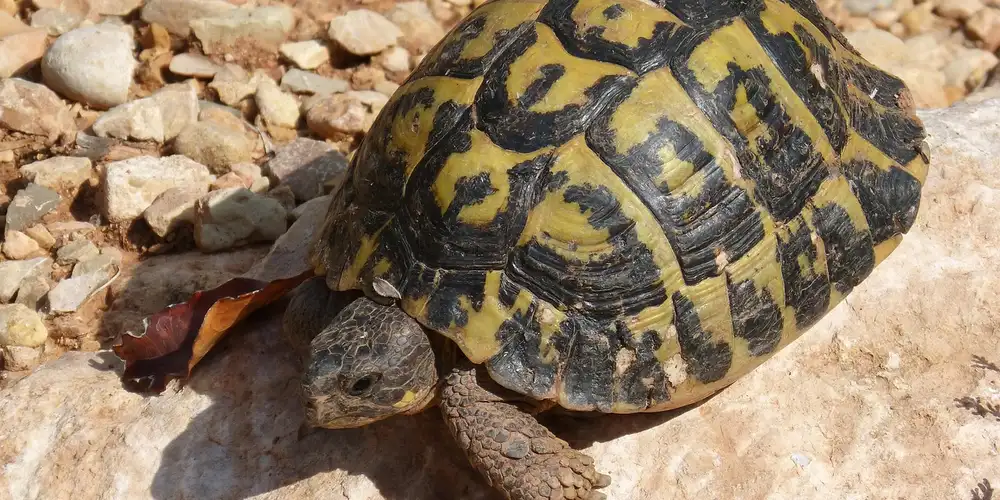
Each turtle species has unique needs, much like people preferring different climates. Start by researching your turtle’s natural habitat—desert species like Russian tortoises need lower humidity, while forest-dwellers like box turtles require higher levels. These habitat needs are among the key factors to weigh when choosing a turtle species. I use a digital hygrometer to monitor Austen’s enclosure, aiming for 40-50% humidity, whereas Bronte’s Greek tortoise setup stays around 50-60% for her golden shell to stay supple.
Here’s a simple way to gauge and adjust levels based on my trials with Orwell: Observe your turtle’s behavior—if they’re constantly hiding or have watery eyes, the humidity might be off. Beyond behavior, healthy turtle tanks depend on stable essential water quality parameters—ammonia, nitrite, nitrate, pH, and temperature. Regular testing helps ensure they’re in safe ranges. Use a spray bottle for quick boosts or add a shallow water dish to increase evaporation.
- Identify your turtle’s species and native environment
- Invest in a reliable hygrometer for accurate readings
- Adjust with substrates like coconut coir or sphagnum moss
- Test changes gradually and watch for positive signs like active foraging
For box turtles like Orwell, I keep humidity at 60-80% by misting his dark brown shell lightly each morning. Regular checks prevent swings that could harm their health, making it easier to create a stable, thriving home.
Choosing the Best Substrate for Humidity Control
Your choice of substrate is the foundation of your entire humidity management plan. I’ve found that using moisture-retentive materials like coconut coir or cypress mulch makes a world of difference for my Russian and Greek tortoises. These substrates absorb water slowly and release it as humidity, creating a stable environment.
You want a substrate that holds moisture without becoming soggy or moldy. Orchid bark is another fantastic option I often mix with coconut coir. Avoid sand, gravel, or crushed walnut shell, as they offer zero humidity benefits and can even be dangerous if ingested.
A good substrate depth is crucial for effective moisture retention. Aim for a layer that is at least three to four inches deep, which allows you to hydrate the lower levels while the surface stays drier. This creates a natural moisture gradient, much like the soil in a forest.
How to Properly Hydrate Your Substrate
Simply spraying the surface isn’t enough to maintain deep, consistent humidity. You need to hydrate the substrate from within. I use a simple pitcher to pour dechlorinated water directly into the corners of the enclosure, allowing it to soak downward.
Here is my personal method for a thorough substrate hydration:
- Mix your substrate in a large bucket with dechlorinated water until it clumps together like a damp sponge.
- Add this pre-moistened mix to your enclosure to the desired depth.
- Check the moisture weekly by digging a finger two inches down. It should feel cool and damp, not wet.
- Add more water to the corners as needed, never saturating the entire area at once.
The goal is to achieve a deep, damp base that wicks moisture upward over time, preventing the need for constant surface spraying. This method has kept my tortoises’ shells healthy and prevented any pyramiding issues.
Creating Effective Humidity Zones in the Enclosure
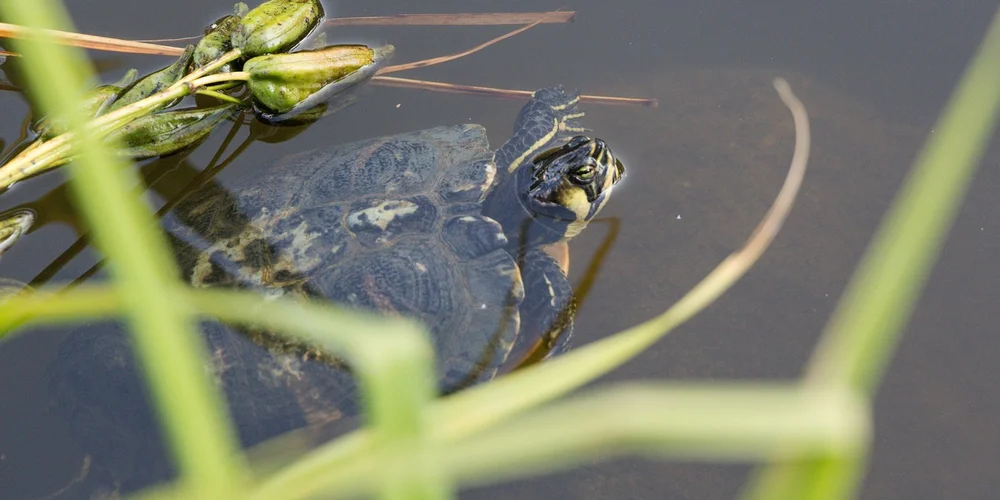
Turtles and tortoises, like my box turtle Orwell, appreciate having choices. Creating distinct humidity zones allows your pet to self-regulate, moving from a humid area to a dry basking spot as needed. This mimics their natural behavior in the wild.
Place the water dish on the warmer side of the enclosure; the heat will help water evaporate and boost local humidity. You can also group humidity-loving live plants together in one section, as their transpiration releases moisture into the air. The area directly under the heat lamp will always be the driest, providing a perfect escape from the moisture.
Building a Simple Humid Hide
Every terrestrial turtle enclosure needs a humid hide. It’s a critical retreat for proper shedding and hydration. I use a simple plastic container turned upside down with a door cut out, as it’s easy to clean and holds humidity perfectly. To avoid common enclosure mistakes, balance humidity with good ventilation. Make sure the humid hide is accessible from the basking area.
Follow these steps to make your own:
- Select a plastic container large enough for your turtle to turn around in comfortably.
- Cut a smooth-edged entrance hole on one side.
- Fill the hide with a thick layer of damp sphagnum moss, which is naturally antimicrobial.
- Place the hide on the cooler end of the habitat to prevent the moss from drying out too quickly.
My tortoises, Austen and Bronte, use their humid hides daily, and I frequently see them resting inside with noticeably brighter, healthier eyes. Check the moss every few days and re-moisten it with a spray bottle to keep this microclimate effective.
Using Water Features to Boost Humidity
Adding a water feature to your turtle’s habitat is a simple and effective way to increase humidity levels naturally. I’ve seen firsthand how a large, shallow water dish in Austen’s enclosure keeps the air moist and provides a drinking spot he enjoys. Place it in a warm area to encourage evaporation, which steadily releases moisture into the environment.
Choose a dish with low sides for easy access and safety. Opt for ceramic or heavy plastic bowls to prevent tipping, as I learned when Orwell’s lighter one kept flipping over. This small change can make a big difference in maintaining consistent humidity without constant intervention.
- Select a wide, shallow dish to maximize surface area for evaporation.
- Position it under a heat lamp to speed up moisture release.
- Clean and refill it daily to prevent bacterial growth and ensure freshness.
For larger habitats, consider a small pond or waterfall feature. Bronte’s graceful movements around her water feature show how it enriches her environment while boosting humidity. Always monitor water depth to keep it safe for your turtle’s size and species. When planning the setup, choose the perfect tank size and shape to suit your aquatic turtle. A well-sized tank offers ample swimming space while leaving room for a safe basking area and good filtration.
Misting and Fogging Systems for Humidity Maintenance
Misting and fogging systems offer precise control over humidity, especially in dry climates. Manual misting with a spray bottle works well for small setups, but an automatic system saves time and ensures consistency. I use a fogger for Bronte’s habitat, and the gentle mist mimics the dewy mornings she’d experience in the wild.
Foggers create a fine vapor that disperses evenly, reducing the risk of overly wet spots. This method helps prevent shell rot by maintaining moisture without soaking the substrate. It’s a reliable way to keep your turtle comfortable and healthy.
- Use a timer-based fogger for automated, hands-off humidity management.
- Combine misting with water features for a balanced approach to moisture levels.
- Adjust frequency based on your home’s ambient humidity and seasonal changes.
Regularly check the system for clogs or malfunctions to avoid sudden drops in humidity. I’ve found that a weekly inspection keeps everything running smoothly and prevents stress for my turtles. This proactive care supports their well-being and mimics natural conditions. These steps are part of the essential turtle tank setup and the complete daily, weekly, monthly care guide. Keep the routine consistent to maintain stable humidity, clean water, and substrate health.
Setting Up an Automatic Misting System
Setting up an automatic system is straightforward and highly effective for maintaining ideal humidity. Start by choosing a quality fogger or mister designed for reptile habitats, as cheaper models can fail and disrupt your turtle’s environment. I invested in a durable one after a budget option left Austen’s enclosure too dry.
- Position the misting nozzles above the habitat to allow even coverage without direct spraying on your turtle.
- Connect the system to a timer, setting intervals for morning and evening misting to simulate natural cycles.
- Test the output initially to ensure it doesn’t oversaturate the substrate, adjusting as needed for your specific setup.
Monitor humidity levels with a reliable hygrometer to fine-tune the settings. Keeping a log of readings helped me optimize Orwell’s system for his reserved personality and specific needs. This attention to detail ensures your turtle thrives in a stable, humid environment.
Monitoring Humidity with Hygrometers
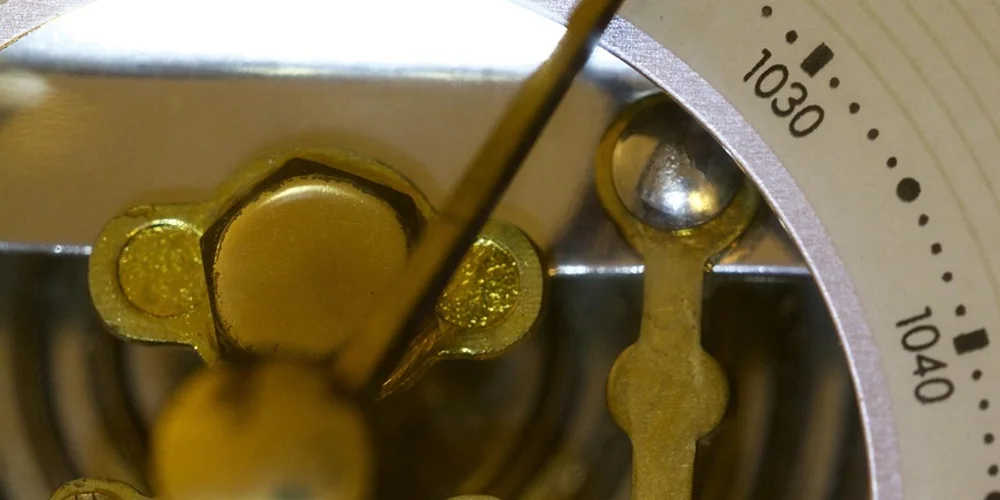
Keeping an eye on humidity starts with a reliable hygrometer, a tool I swear by after years of caring for my Russian tortoise, Austen. Digital hygrometers offer precise readings and are easier to read than analog ones, reducing guesswork in your turtle’s habitat. Place one at substrate level and another near hiding spots to capture variations across the enclosure.
Check levels at least twice daily, especially during seasonal changes. Consistent monitoring helps you spot trends and adjust quickly, preventing health issues like shell deformities or respiratory infections. I’ve noticed Austen’s shell stays smoother when I track humidity closely, a small effort for his well-being.
- Choose digital over analog for accuracy and durability
- Position sensors away from direct heat or water sources
- Calibrate periodically with a salt test for reliability
Over time, you’ll develop a feel for the ideal range. Trusting your observations alongside the hygrometer builds confidence in maintaining a stable environment.
Balancing Ventilation and Humidity
Finding the sweet spot between airflow and moisture is key, something I learned while setting up Bronte’s Greek tortoise enclosure. Good ventilation prevents mold growth and stale air, but too much can dry out the habitat rapidly. Use a mesh lid and adjust coverage based on your hygrometer readings-partial covering often does the trick.
In my experience, adding a small fan on low speed in a well-ventilated area circulates air without dropping humidity too low. This approach mimics natural breezes, keeping the environment fresh and reducing the risk of respiratory problems. For Orwell’s box turtle setup, I use a combination of covered and open sections to maintain balance.
- Start with a fully ventilated lid and monitor humidity drops
- Gradually cover parts with plastic or acrylic sheets if needed
- Test adjustments over a few days to observe stability
Watch for condensation on walls-it’s a sign to increase ventilation slightly. Balancing these elements ensures your turtle breathes easily while staying properly hydrated.
Troubleshooting Common Humidity Problems
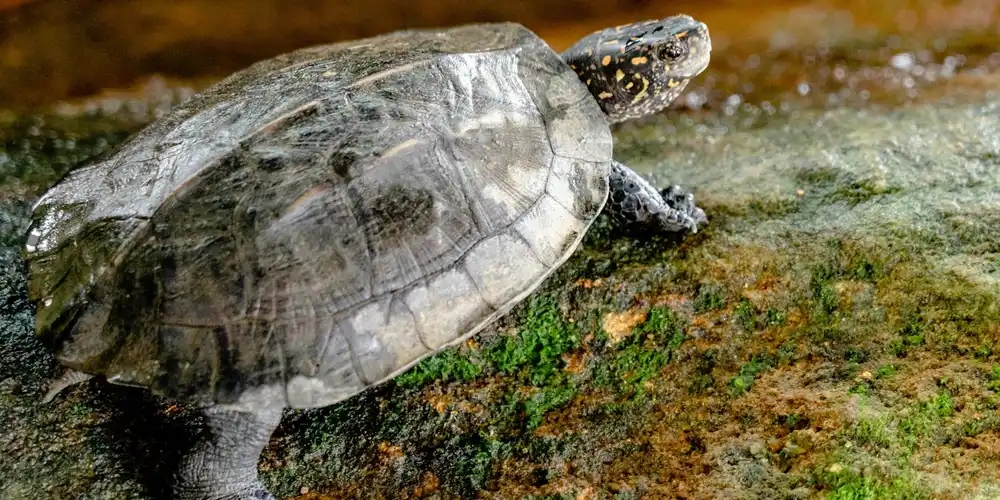
Even with the best setup, you’ll sometimes face humidity challenges. Don’t panic-these are common hurdles, and each one has a straightforward solution. I’ve dealt with them all while caring for my own shelled companions, Austen and Bronte.
When Humidity is Too High
You might notice condensation constantly fogging the glass or, more worryingly, a fuzzy white or green mold starting to form on decorations or even the substrate itself. High humidity creates a breeding ground for mold and shell rot, which can seriously compromise your turtle’s health. My Greek tortoise, Bronte, once developed a small patch of shell fungus because her hide became too damp.
Here is how to bring high humidity down:
- Increase ventilation by cracking the lid or adding more screened areas.
- Stir the substrate daily to help it dry out more evenly.
- Replace a portion of the damp substrate with fresh, dry bedding.
- Shorten the duration of misting sessions or reduce their frequency.
- Ensure your habitat is not in a naturally damp area of your home, like a basement.
When Humidity is Too Low
The signs of low humidity are often subtle but serious. You might see your turtle trying to burrow more than usual or spending excessive time in its water dish. Chronic low humidity can lead to dehydration and pyramiding, a condition where the scutes on the shell grow abnormally and form pyramid-like shapes. I monitor my Russian tortoise, Austen, closely for this, as his species is particularly susceptible. If you’re wondering how I tell if my turtle is sick, I also watch for changes in appetite, activity, and shell or eye discharge, and I seek veterinary advice if they persist.
To effectively raise low humidity levels:
- Increase the depth of your moisture-holding substrate to at least 4 inches.
- Mist the entire enclosure more thoroughly, twice daily if needed.
- Add a larger water dish or place it near the heat source to encourage evaporation.
- Cover part of the screen top with a non-porous material like aluminum foil or a glass pane to trap moisture.
- Incorporate live, turtle-safe plants, as they release moisture into the air.
The key is to observe your turtle’s behavior – they are your best indicator of whether the environment is just right. A happy turtle will be active, have clear eyes, and a smooth, well-hydrated shell. For a thorough assessment, refer to the ultimate turtle health troubleshooting checklist from Shell Tail. It walks you through shell, tail, and overall health signs and what to do if anything seems off.
Common Questions
What is a quick way to raise humidity in an emergency?
Place a warm, wet towel over part of the enclosure’s mesh lid to release moisture quickly into the air. You can also add a temporary humid hide box filled with damp sphagnum moss for your turtle to retreat into immediately. For more tips, learn how to create basking and hiding areas for turtle well-being.
How does room humidity affect my turtle’s habitat?
The ambient humidity in the room where you keep the enclosure will directly influence the habitat’s baseline moisture level. You may need to run a room humidifier in dry climates or a dehumidifier in damp rooms to help maintain a stable environment for your turtle.
What behavior indicates the humidity is incorrect?
If your turtle is constantly soaking in its water dish or trying to burrow excessively, the humidity is likely too low. A proper substrate that retains some moisture and offers grip can help support digging and nesting behaviors. Conversely, if they are always avoiding the substrate and staying only in the driest areas, the overall humidity may be too high for their comfort.
Your Journey to Perfect Turtle Habitat Humidity
Keeping your turtle’s habitat at the right humidity boils down to two simple actions: consistently monitoring levels with a reliable hygrometer and making adjustments through regular misting or offering a proper soaking area. Think of it not as a daily chore, but as a simple, vital rhythm that supports their health from the inside out. (How to care for land and aquatic turtles)
Providing the correct environment is a fundamental part of being a responsible pet owner and shows a deep respect for the unique creatures in your care. I encourage you to keep learning and observing, as your growing knowledge is the greatest gift you can give your shelled companion for a long, healthy life.
Further Reading & Sources
- Humidity Needs for Box Turtles | Box Turtle World
- Box turtle humidity | Eastern | Ornate | 3 Toed | Chinese Florida box turtles
- How to Care for Your Eastern Box Turtle | Reptile Supply
- Redfoot tortoise Care – CHICAGO EXOTICS ANIMAL HOSPITAL
Matthew is a dedicated turtle enthusiast and conservationist with over 15 years of experience in reptile care. Known affectionately as "The Leatherback" among his peers, he combines his passion for turtles with a commitment to educating pet owners on responsible turtle care and environmental stewardship.
Terrestrial Turtles