
How to Create the Perfect Basking Area for Your Aquatic Turtle
Published on: December 22, 2025 | Last Updated: December 22, 2025
Written By: Matthew The
Are you worried your aquatic turtle isn’t basking properly, leading to health issues like shell rot or lethargy? Many turtle owners face this challenge, but with a few adjustments, you can build a spot where your turtle thrives.
This guide covers temperature control, platform setup, lighting needs, and safety tips to ensure your turtle’s well-being. Drawing from my own care for Orwell, my box turtle, I’ll share insights that make a real difference.
Understanding Why Basking Matters
Think of a basking area as your turtle’s personal sun deck, a critical dry zone above the water where they can completely exit the tank. This setup is fundamental to their health, mimicking the natural shoreline environments they would seek out in the wild.
You’ll often see them stretch their legs and necks out, absorbing warmth and light in a state of pure contentment. This behavior allows their shell to dry completely, which is vital for preventing fungal and bacterial infections that thrive in constant moisture.
Watching my Russian tortoise, Austen, find the perfect sunbeam is a lesson in deliberate calm. He shows me that basking isn’t just a luxury; it’s a core part of their daily ritual for well-being.
What Is a Turtle Basking Setup?
A proper basking setup has three key components working in harmony.
- A Platform: This is the dry land, the stage for all the action.
- A Heat Source: Usually a basking lamp that creates a warm spot, like a sunny rock.
- A UVB Light: This special bulb acts like synthetic sunshine, which is non-negotiable for their health.
Think of it like this: the platform is their beach, the heat lamp is the sun’s warmth, and the UVB light is the sun’s invisible, health-giving rays. All three elements must be present to create a truly effective and healthy basking zone.
Why Do Turtles Need a Basking Area?
This dry spot is not for relaxation alone; it serves several critical physiological functions.
- Digestion: Turtles are cold-blooded and need external heat to properly metabolize their food.
- Vitamin D3 Production: UVB light enables them to synthesize Vitamin D3, which is essential for absorbing calcium and preventing metabolic bone disease.
- Parasite Control: A dry, warm shell is a hostile environment for many skin and shell parasites.
I’ve seen the difference it makes. Providing a proper basking area is one of the clearest acts of turtle welfare, directly impacting their shell strength, energy levels, and overall longevity.
Choosing the Right Basking Platform
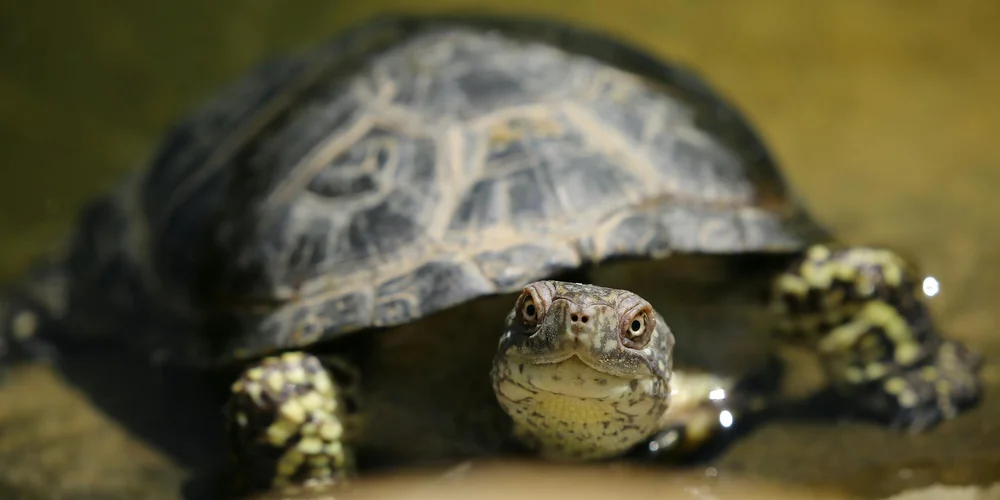
Selecting the perfect platform is about more than just looks; it’s about safety and function. The platform must be large enough for your turtle to rest on comfortably without any part of its body hanging off into the water. When choosing a platform, make sure to also consider the size and shape of your tank to ensure it fits well within your aquatic environment.
For a young turtle, plan for growth. For an adult, the platform should be at least 1.5 times the length of its shell. Stability is non-negotiable; a wobbly platform can stress or even injure your pet.
Materials range from natural driftwood and slate to commercial plastic docks. Each option has its own benefits, but the surface must always be textured or non-slip to allow for easy climbing.
Ideal Size and Materials
A good rule is that the basking area should be large enough for the turtle to turn around easily. The platform should sit high enough that the turtle is completely dry, but the climb up should be a gentle, manageable ramp.
Aim for a perch height where the top of the turtle’s shell is at least 6-8 inches from the UVB and heat lamps to prevent overheating. I personally prefer natural materials like slate or driftwood because they hold heat well and provide a more enriching, naturalistic texture under their feet.
Always ensure any wood is turtle-safe and has not been treated with chemicals.
Types of Basking Platforms
You have several excellent options to consider for your turtle’s sunning spot.
- Driftwood Ramps: These offer a natural look and a textured surface for easy climbing. They can sometimes alter water chemistry.
- Rock Piles: Stacking smooth, large stones creates a stable and aesthetically pleasing basking area. Ensure the structure is secure and won’t collapse.
- Commercial Dry Docks: These plastic ramps often use suction cups to attach to the tank wall. They are easy to clean but can lose their grip over time.
For a DIY project, a simple slate tile secured to a stack of bricks makes a fantastic, affordable platform. Choosing a platform with different textures and levels can provide mental stimulation and enrichment, encouraging natural climbing and exploring behaviors.
Setting Up Lighting and Heat
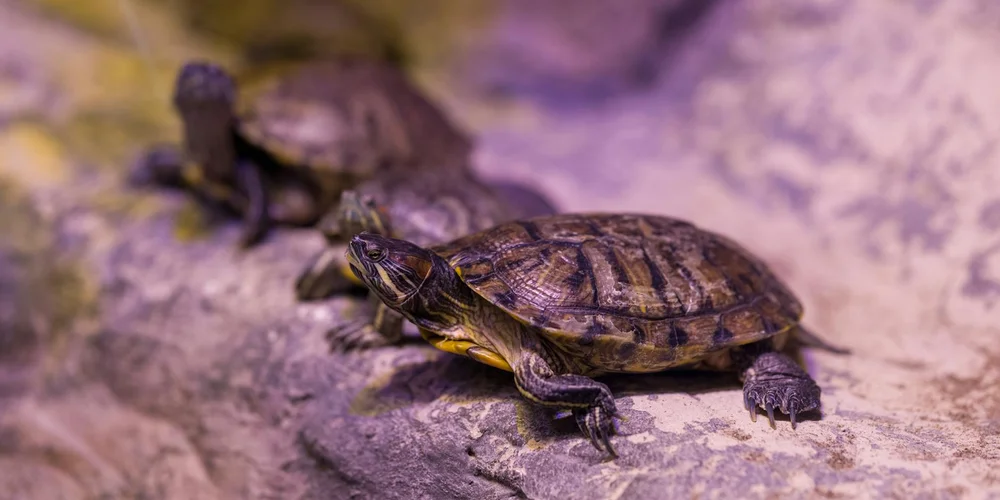
Getting the lighting and heating right is the foundation of a healthy basking area. This setup directly influences your turtle’s digestion, shell health, and overall vitality. In turtle anatomy, the shell is a living structure made of bone and keratinized scutes, so heat and UV exposure drive its growth and calcium balance. That means good basking conditions support shell biology as well as overall health.
UVB Light Essentials
UVB light is non-negotiable for turtles. It enables them to produce vitamin D3, which is essential for absorbing calcium. Without proper UVB exposure, turtles quickly develop metabolic bone disease, leading to soft shells and severe health issues. That’s why setting up UVB lighting correctly is critical for turtles. Properly placed, timed bulbs help ensure calcium metabolism and prevent bone disease.
I learned this the hard way with my Russian tortoise, Austen, who showed early signs of shell softening before I upgraded his UVB setup. Nighttime heat management matters for many turtles too, and a quick guide on whether turtles need nighttime heat can help you keep them healthy. For most aquatic turtles, a 10.0 or 10% UVB fluorescent tube bulb is ideal. Compact coil bulbs often don’t provide adequate coverage.
- Choose a linear fluorescent tube bulb for even UVB distribution.
- Replace UVB bulbs every 6-12 months, as their output diminishes even if the light still works.
- Ensure the bulb is not blocked by glass or plastic, which filters out UVB rays.
Heat Lamp and Temperature Control
The basking area needs a dedicated heat lamp to create a warm spot for your turtle to dry off and regulate its body temperature. You’re aiming for a basking spot temperature between 85-95°F (29-35°C), with the rest of the habitat being cooler. Maintaining essential water quality parameters is crucial for a healthy turtle tank. Regularly test pH, ammonia, nitrite, nitrate, and temperature to keep the water in good condition.
A simple incandescent or halogen bulb works perfectly as a heat source. I use a thermostat with my heat lamps for my Greek tortoise, Bronte; it automatically turns the lamp on and off to maintain a perfect temperature, preventing dangerous overheating.
- Use a ceramic heat emitter for 24-hour heat without light disruption.
- Always have a reliable digital thermometer in the basking area to monitor temperatures.
- Create a temperature gradient so your turtle can choose its comfort level.
Proper Lamp Placement and Timers
Placement is critical for safety and effectiveness. Lamps must be securely mounted above the basking platform to prevent falls and positioned at the correct distance to prevent thermal burns.
For most setups, position the heat and UVB lamps 10-12 inches above the basking surface. I use a simple lamp stand to achieve this consistent height for my box turtle, Orwell. A programmable timer is a lifesaver, automating a consistent 12-hour day/night cycle that mimics nature and reduces your daily chores.
- Secure all lamps with a sturdy fixture that cannot swing or be knocked over.
- Never place lamps where your turtle can touch them or where water can splash on them.
- Set your timer for 12 hours on and 12 hours off to promote a natural circadian rhythm.
Creating a Safe and Accessible Environment
A perfect basking spot is useless if your turtle can’t get to it comfortably or safely. Accessibility and safety are what transform a good habitat into a great one.
Ramps and Steps for Easy Access
The journey from water to basking area must be easy, even for the smallest or weakest swimmer. A gentle, textured slope is far better than a steep climb, which can lead to exhaustion and flipping over.
My turtle Bronte struggled with a slippery ramp until I added river rocks for traction. You can use commercial turtle docks, slate tiles, or even DIY platforms made from PVC and egg crate. The key is a surface they can grip with their claws.
- Commercial floating docks are great for adjusting to water levels.
- Fixed ramps built from stacked slate provide a permanent, stable structure.
- Ensure the ramp is wide enough for your turtle to turn around on comfortably.
Safety Measures and External Setups
Vigilance prevents most common accidents. Regularly check for algae buildup on the basking platform, as a slimy surface is a slipping hazard. Also, ensure all platform mounts are secure; a collapsing platform can injure your turtle and damage your tank.
Some keepers use external basking areas, like a secure pen on a patio. This provides excellent natural sunlight but comes with risks. I tried this with Orwell and learned you must provide shaded areas and constant supervision to prevent overheating or escape.
- Scrub the basking platform weekly to prevent slippery algae growth.
- Perform a weekly “wiggle test” on all fixtures to check for looseness.
- Outdoor basking offers superb natural UVB but requires predator-proof enclosures and weather monitoring.
Maintaining the Basking Area
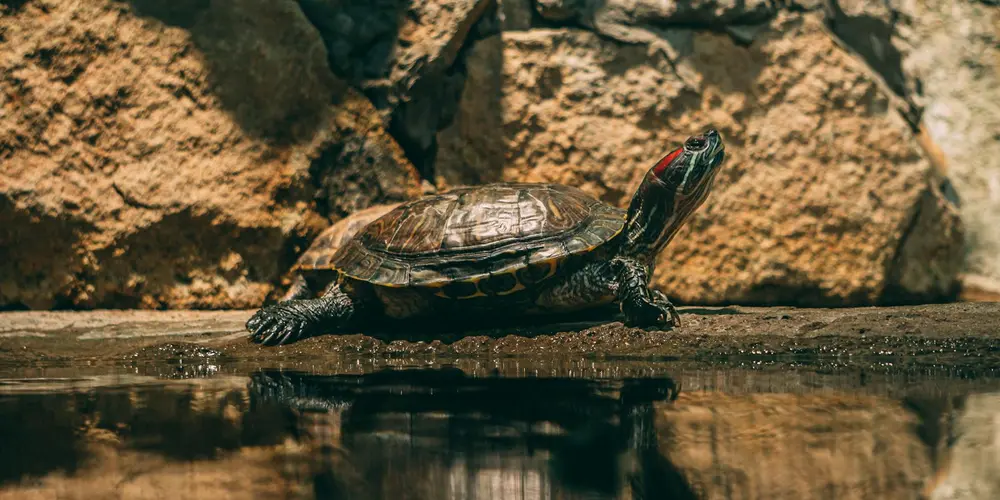
A clean basking spot is a healthy basking spot. I’ve found that a consistent cleaning routine prevents most health issues before they even start.
My own turtles, Austen and Bronte, are much more eager to use a platform that feels fresh and secure.
Cleaning and Algae Management
Algae happens to the best of us, but you can stay ahead of it. A simple weekly wipe-down with a clean, damp cloth removes most slime before it becomes a problem.
For a deeper clean, take the platform out every two weeks.
- Use a designated scrub brush and warm water.
- Avoid soaps or chemicals; their residue can make your turtle sick.
- Scrub firmly to remove any stubborn algae or waste.
- Rinse the platform thoroughly with clean water.
- Let it air-dry completely before placing it back in the tank.
For natural algae control, consider adding a few Nerite snails to your aquarium. They are peaceful, hardworking cleaners that graze on algae without bothering your turtle.
Managing your light cycle also helps. I keep my tank lights on for only 10-12 hours a day to limit algae’s favorite fuel: excessive light.
Ongoing Maintenance and Enrichment
Your turtle’s environment is their whole world, so keeping it interesting matters. I check all my equipment every Sunday to ensure everything is running smoothly and safely. This is part of my ultimate turtle habitat cleaning schedule. It keeps the water clear and the habitat thriving.
Run your hands over the basking platform edges, feeling for new sharp spots. Inspect the ramp for any loose parts. Look at your heat and UVB bulbs; their output dims long before they burn out.
Every few months, I refresh the substrate around the basking area if I use any. This prevents waste buildup and keeps the area smelling fresh.
Enrichment is key for a happy, active turtle. Simple changes, like rearranging the rocks on the platform every so often, can spark new curiosity. If you’re curious about how turtle anatomy affects movement, check the turtle anatomy biology FAQs. They explain how shells, limbs, and muscles influence behavior and activity.
- Place a piece of edible greens, like dandelion leaves, on the basking area for them to discover.
- Add a smooth, flat stone that absorbs heat, giving them a different texture to experience.
- Ensure the platform layout allows them to fully stretch out and turn around with ease.
A little ongoing care makes their basking area a place of comfort and stimulation for years to come.
FAQs
Should the water temperature be kept separate from the basking area?
Yes, maintaining distinct temperatures is essential for proper thermoregulation. The water should be cooler to allow your turtle to cool down after basking. For a complete guide on hatchling turtle care from incubator to tank, see our step-by-step recommendations for incubation, transition, and habitat setup. It also covers how to balance air and water temperatures to maintain proper thermoregulation during every stage.
How do you ensure proper humidity around the basking area?
Use a hygrometer to monitor humidity levels and adjust with ventilation or misting. Proper humidity prevents respiratory issues and supports overall health.
What substrate should be used in the basking area?
Choose non-toxic, easy-to-clean materials like slate, tile, or reptile-safe sand. Avoid substrates that retain moisture to reduce bacterial growth.
How far should the basking light be from the platform?
Position the light 10-12 inches above the basking surface for safety and efficiency. This distance helps prevent burns while ensuring adequate heat and UVB exposure.
Do turtles need a ramp or steps to reach the basking platform?
Yes, a gently sloped, textured ramp is necessary for easy and safe access. It helps prevent stress and injury by allowing turtles to climb comfortably.
Your Turtle’s Slice of Sunshine
Creating the perfect basking spot boils down to providing the right heat, the proper UVB light, and a safe, easy-to-climb platform. When you get this trifecta right, you’re giving your turtle a foundation for a long, healthy, and active life. For hatchlings and juveniles, the first year is key. Keep temperatures steady and monitor basking behavior as they grow.
Caring for an aquatic turtle is a rewarding, long-term commitment that thrives on your curiosity and dedication. Keep observing your shelled friend and continue your learning journey with resources like Shell Sanctuary to ensure their habitat evolves with their needs.
Further Reading & Sources
- r/turtles on Reddit: First time making a basking area for my turtle
- How to Encourage Basking for Your Red-Eared Slider Turtle
- The Best Basking Platform for Turtles – Jacob’s Reptile Info
- Amazon.com: Turtle Basking Area
Matthew is a dedicated turtle enthusiast and conservationist with over 15 years of experience in reptile care. Known affectionately as "The Leatherback" among his peers, he combines his passion for turtles with a commitment to educating pet owners on responsible turtle care and environmental stewardship.
Heating and Lighting