
Turtle Basking Behavior: Why They Love the Sun
Published on: January 16, 2026 | Last Updated: January 16, 2026
Written By: Matthew The
If you’ve ever watched your turtle spend what seems like an entire afternoon perched on a rock, completely still and out of the water, you might start to worry. Is he bored? Is he sick? Is he just being stubborn? I’ve had those same thoughts watching my own shelled companions, Austen and Bronte, soak up the rays for hours on end.
This article will guide you through the essential reasons for this sun-worshipping ritual, covering the critical roles of thermoregulation, vitamin D3 synthesis, shell health, and drying off to prevent infections.
The Basics of Turtle Basking Behavior
When you see your turtle lounging out of the water, it might look like pure laziness, but there’s a lot more happening. Basking is a vital part of a turtle’s daily routine, helping them stay healthy and balanced. I’ve spent years observing my own turtles, like Austen, my gentle Russian Tortoise, who often settles on his favorite rock for hours. This behavior isn’t random; it’s instinctual and essential for their well-being.
Turtles typically bask by finding a warm, dry spot where they can fully extend their limbs and soak up heat. You’ll notice them stretching out their legs and neck, sometimes even closing their eyes in what seems like deep relaxation. In captivity, this could be on a platform, rock, or log you’ve provided. From my experience with Bronte, my graceful Greek Tortoise, she prefers spots with good sunlight or under a heat lamp, showing how they seek out optimal conditions.
- Common basking spots include rocks, logs, and specially designed platforms in tanks.
- Basking often occurs after feeding or in the morning when temperatures rise.
- Duration can vary from minutes to several hours, depending on the species and environment.
Understanding this behavior helps you create a better habitat. Providing a safe, accessible basking area mimics their natural instincts and supports overall health. I’ve seen how Orwell, my reserved Box Turtle, becomes more active and alert after a good bask, reinforcing why it’s a key part of pet turtle care.
The Core Reasons Turtles Leave the Water to Bask
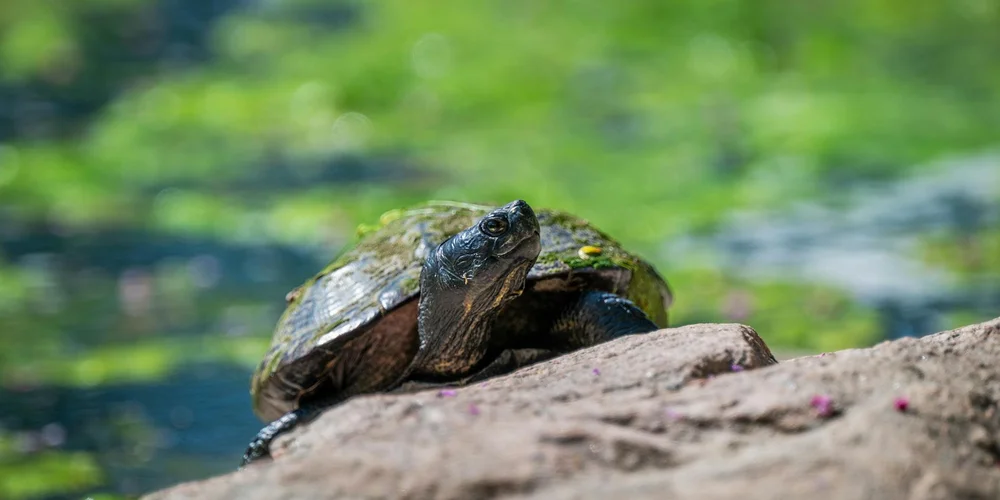
Turtles aren’t just sunbathing for fun; they have critical biological needs driving them out of the water. One primary reason is thermoregulation, as turtles are ectotherms relying on external heat to control their body temperature. Without this, they can’t function properly, much like how we need warmth to feel comfortable. I’ve noticed Austen becoming sluggish on cooler days until he gets his basking time, highlighting how essential it is.
Another key factor is digestion. Warmth from basking speeds up their metabolism, making it easier to break down food and absorb nutrients. After meals, my turtles often head straight to their basking spots; Bronte, for instance, digests her greens more efficiently this way. It’s a simple yet effective process that prevents digestive issues. To avoid common turtle feeding mistakes, keep portions reasonable. Offer a varied, balanced diet and ensure proper basking for best digestion.
- Thermoregulation: Helps maintain optimal body temperature for daily activities.
- Vitamin D synthesis: Exposure to UVB light during basking enables vitamin D production, crucial for calcium absorption and shell health.
- Drying off: Reduces risk of shell rot and fungal infections by keeping the shell dry.
- Behavioral benefits: Provides mental stimulation and reduces stress, similar to how we relax in the sun.
Basking also plays a role in preventing health problems. By drying their shells, turtles ward off infections that thrive in damp environments, which I’ve learned is vital for long-term care. Orwell’s shell has stayed healthier since I ensured his basking area stays clean and warm. Advocating for animal welfare means replicating these natural behaviors in captivity to keep them thriving.
Each turtle has unique preferences, so observe yours closely. Adjusting basking conditions based on their habits can make a big difference in their happiness and longevity. From my lived experience, small changes like adding a heat lamp have transformed my turtles’ activity levels, showing how responsive they are to their environment. However, it’s important to balance daytime heat with appropriate nighttime temperature management to ensure their well-being around the clock.
How Basking Directly Supports Turtle Health
Watching my tortoise, Austen, stretch out under his lamp, I used to wonder about this daily ritual. Basking is not a luxury for turtles; it is a fundamental biological process for their survival. Their health depends entirely on this time spent out of the water.
Their shells and skin absorb essential UVB light, which allows them to produce Vitamin D3. Without adequate D3, a turtle cannot properly metabolize the calcium from its food. This leads directly to metabolic bone disease, a devastating and painful condition that softens and deforms the shell and skeleton.
Basking also serves as their internal thermostat. Turtles are ectotherms, meaning they rely on external heat sources to regulate their body temperature. By moving between warm basking spots and cooler areas, they actively manage their digestion and immune function. A turtle that cannot get warm enough will struggle to digest its food, leading to further health complications.
I also notice it helps with skin and shell maintenance. The dry heat helps prevent fungal and bacterial infections that thrive in constantly damp conditions. For my aquatic turtles, it’s a crucial drying-out period that keeps their shell hardy and resilient.
Factors That Influence a Turtle’s Basking Habits
Basking Differences Across Turtle Species
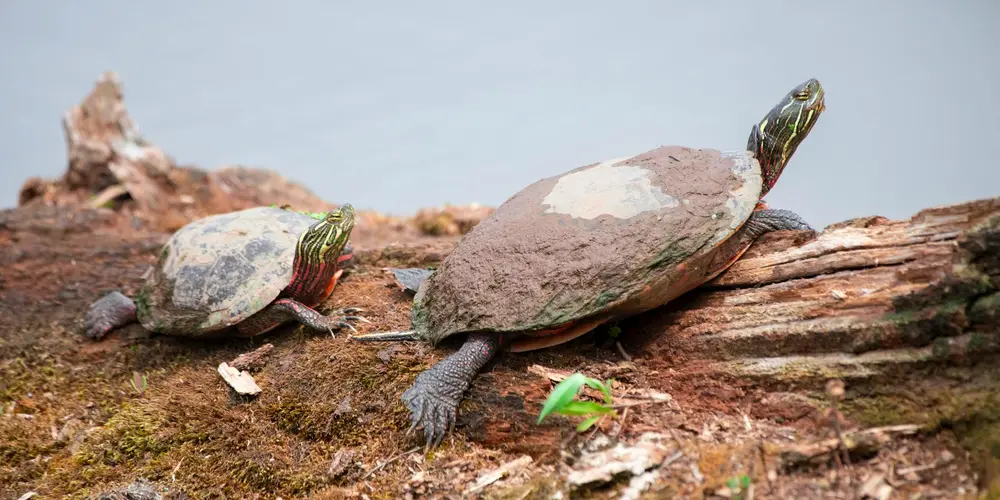
Not all turtles bask the same way. Their natural history dictates their behavior. My Russian tortoise, Austen, is a terrestrial species. His idea of basking involves finding a sunny patch of terrain and soaking it up for hours. He is a dedicated sun-worshipper.
Compare that to my box turtle, Orwell. Orwell is more of a dappled-light enthusiast, preferring the filtered sun of a forest floor. He will often bask for shorter periods and is quicker to retreat into his shell or under cover at the slightest disturbance.
Aquatic turtle species present another variation. They are the classic “log loafers,” perfectly happy to haul out on a rock or piece of driftwood with their legs splayed out. They may spend less cumulative time basking than a tortoise, but the quality of that UVB and heat exposure is just as critical.
- Terrestrial Tortoises (like Russian and Greek): Long, dedicated basking sessions in direct, hot sun.
- Semi-Aquatic Turtles (like Sliders and Cooters): Frequent, shorter sessions on elevated platforms above water.
- Forest Species (like Box Turtles): Shyer, shorter sessions in dappled or indirect light.
The Role of Temperature and Light in Basking
The setup of your turtle’s basking area is everything. It’s not just about providing a rock; it’s about creating the right environment. The basking spot surface temperature should be a specific, targeted warmth, typically between 90-95°F for most common pet species. Use a simple habitat checklist—lighting, heat, and water quality—to diagnose your turtle’s setup. I use a reliable digital thermometer to check this daily.
Light is a two-part requirement. You need both heat and UVB. The heat lamp encourages them to leave the water and warm up, while the separate UVB bulb is essential for synthesizing Vitamin D3. These are two different bulbs with two different jobs. One provides warmth, the other provides health.
The cycle of light and dark also matters. Establishing a consistent 12-hour day/night cycle with timers mimics their natural environment and regulates their basking rhythm. My crew knows when “lights on” means it’s time to start their day. Without this cycle, their entire schedule, including feeding and basking, can become disrupted.
- Provide a heat lamp that creates a surface temperature of 90-95°F on the basking platform.
- Install a separate, high-output UVB bulb that spans the length of the basking area.
- Use timers to ensure a consistent 12-hour photoperiod every single day.
- Replace UVB bulbs every 6-12 months, as their output diminishes long before the light burns out.
Setting Up the Perfect Basking Area for Your Pet Turtle
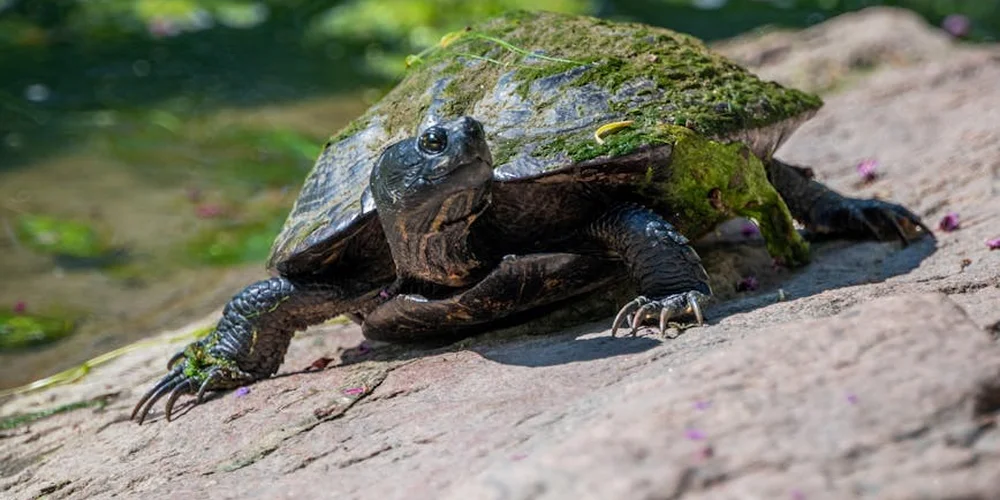
Creating a proper basking spot isn’t just about piling up rocks. It’s about replicating a sun-drenched riverbank. My Russian tortoise, Austen, taught me that a well-designed area encourages natural, healthy behavior.
The Essential Basking Platform
Your turtle needs a dry, stable place to completely exit the water. A half-submerged log won’t cut it. I use a large, flat piece of slate for my turtles. The platform must be easy to climb onto and large enough for your turtle to sprawl out comfortably.
- Choose a material like slate, cork bark, or a commercial turtle dock.
- Ensure it has a textured, non-slip surface to prevent flipping.
- Position it so the highest point is securely out of the water.
Heating and Lighting: The Dynamic Duo
Warmth alone isn’t enough. Turtles need specific light wavelengths to thrive.
A basking lamp provides the necessary heat, mimicking the sun’s warm embrace. You must check the temperature directly under the lamp with a digital thermometer. For most aquatic turtles, aim for a basking surface temperature between 85°F and 95°F (29°C-35°C). My box turtle, Orwell, prefers the cooler end of that range. If you’re building a turtle pond, consider a dedicated basking area as part of a step-by-step guide. Start with a stable, dry ledge above the water and position the lamp to illuminate it safely.
A separate UVB lamp is non-negotiable for their long-term health. UVB rays allow turtles to produce vitamin D3, which is critical for metabolizing calcium and preventing metabolic bone disease-a soft, deformed shell. Replace UVB bulbs every 6-12 months, as their output diminishes long before the light burns out.
Safety and Security
Turtles are surprisingly perceptive and need to feel safe to bask properly. Bronte, my Greek tortoise, refused to use her platform until I added a visual barrier on one side.
- Place the basking area in a quiet corner of the room, away from high-traffic areas.
- Provide a partial “wall” or backdrop with a piece of décor to make them feel hidden and secure.
- Ensure the area is free from drafts, which can cause dangerous temperature fluctuations.
Recognizing Healthy and Problematic Basking Patterns
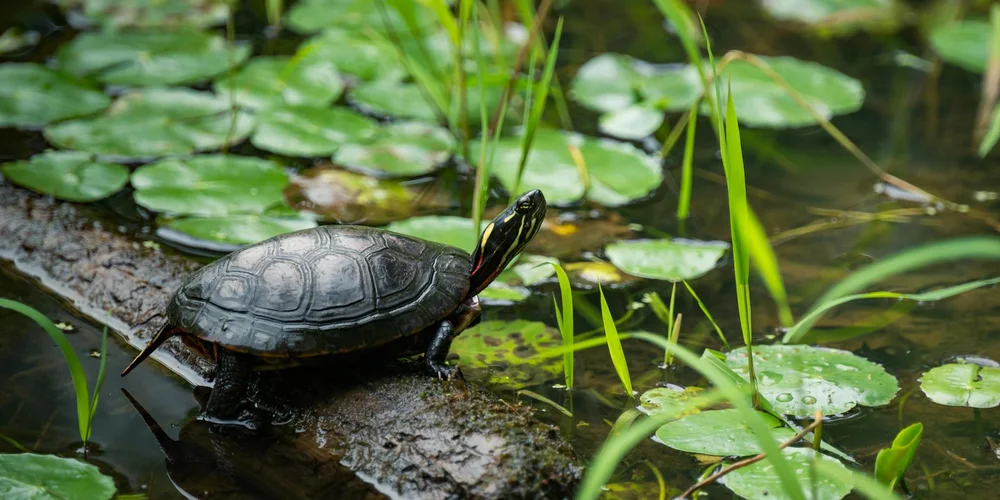
Observing your turtle’s basking habits is like reading their daily health report. Consistent routines are good; sudden changes are a red flag. If you notice odd behavior, run a quick behavioral diagnostic checklist to help determine why your turtle is acting strange. Focus on appetite, activity, shell health, and environment.
Signs of a Happy, Healthy Basker
A content turtle will use its basking area predictably. You’ll often see them in a classic “sunbathing” pose. Healthy basking involves stretching out their legs and neck to maximize surface area exposed to the heat. To create the perfect basking area for your aquatic turtle, use a stable, dry platform and a reliable heat source. Make sure it’s easy for them to reach and maintain the right temperature.
- They bask for regular, extended periods daily, often after eating.
- They appear relaxed, often closing their eyes in a state of calm absorption.
- They move between the water and basking area throughout the day with ease.
Red Flags: When Basking Signals a Problem
Any drastic shift in this routine warrants closer attention. I learned this when Austen started basking for unusually long hours.
Excessive basking, where a turtle rarely leaves the heat lamp, can indicate an inability to get warm enough. This often points to water temperatures that are too cold or a general illness.
A complete refusal to bask is an even more urgent concern. If your turtle stays submerged all the time, it could be a sign of severe stress, a respiratory infection, or weakness.
- Constant basking: Check your water heater and overall tank temperature.
- Avoiding the basking area: Look for signs of bullying from tank mates, respiratory bubbles from the nose, or lethargy.
- Struggling to get onto the platform: This could indicate weakness from illness or an improper platform setup.
FAQs
Do all turtle species bask?
Most turtle species engage in basking, but the frequency and style vary by habitat and behavior. Aquatic turtles often bask on logs, while terrestrial tortoises may sunbathe on land, but some species with specific adaptations may bask less.
What is the difference between basking and thermoregulation in turtles?
Basking refers to the physical act of resting out of water to absorb heat and light, while thermoregulation is the overall process of maintaining body temperature through environmental cues. Basking is a primary behavior turtles use to achieve thermoregulation.
Is UV exposure required for basking?
Yes, UV exposure, particularly UVB light, is crucial during basking for synthesizing vitamin D3. This process enables calcium absorption, which is vital for strong shells and bones.
How do water temperature and air temperature influence basking?
Cooler water temperatures often prompt turtles to bask more frequently to raise their body heat. Warmer air temperatures at the basking spot encourage longer sessions, helping them balance their internal temperature.
Can basking be problematic (over-basking)?
Yes, over-basking can indicate issues like water that is too cold or underlying health problems. Prolonged exposure may lead to dehydration or stress, requiring adjustments to their habitat.
Your Path to Turtle Basking Success
From my decade with Austen and Bronte, I know that setting up a warm, dry basking spot with proper UVB lighting is essential for your turtle’s health and happiness. Observe their daily routines to ensure they’re basking enough without stress, just as I do for Orwell’s reserved nature. To support their overall well-being, create basking hiding areas that offer warmth and security. This helps reduce stress and encourages healthy basking behavior.
Commit to lifelong learning about pet turtle care, because every species has unique needs that evolve over time. Staying informed helps you provide the best life possible for your shelled companion, promoting their welfare and your bond. It’s essential to understand the differences in care requirements for land and aquatic turtles.
Further Reading & Sources
- How to Encourage Basking for Your Red-Eared Slider Turtle
- Sea Turtle Basking Explained – The State of the World’s Sea Turtles | SWOT
- Turtle Basking Explained: What It Is & Why It’s Necessary | PangoVet Pet Corner
- The conundrum of turtle and tortoise basking: A critical review – Chessman – 2024 – Journal of Zoology – Wiley Online Library
Matthew is a dedicated turtle enthusiast and conservationist with over 15 years of experience in reptile care. Known affectionately as "The Leatherback" among his peers, he combines his passion for turtles with a commitment to educating pet owners on responsible turtle care and environmental stewardship.
Understanding Turtle Behavior