
How to Tell if Your Red-Eared Slider is Male or Female
Are you puzzled by your red-eared slider’s gender? Many owners worry they might misidentify it, which could impact their pet’s care and happiness.
In this article, we’ll explore physical traits, behavioral cues, age factors, and my personal tips from years of turtle care.
Why Sexing Your Red-Eared Slider Matters for Proper Care
Knowing your turtle’s gender is more than a label; it’s the foundation for providing truly thoughtful care. Getting this right from the start prevents a cascade of issues down the road, from habitat squabbles to unexpected egg-laying. I learned this firsthand with my own turtles, Austen and Bronte, whose different needs became clear as they matured.
- Habitat Setup: Males are often more territorial and may require more space or visual barriers to prevent aggression. Females, even without a mate, need a suitable nesting area with deep, moist substrate to lay eggs, preventing them from becoming egg-bound, a serious health condition.
- Dietary Needs: A gravid (egg-carrying) female has significantly higher calcium and nutrient demands to produce healthy eggshells. Misidentifying a female means you might miss these critical dietary shifts, potentially leading to metabolic bone disease.
- Behavior Management: Male red-eared sliders are notorious for their courtship behavior, which involves fluttering their long front claws in the female’s face. Recognizing this as normal male behavior, rather than aggression, helps you interpret their social dynamics correctly.
I remember when Bronte, my Greek tortoise, started pacing restlessly. Because I knew she was female, I immediately suspected she was looking for a place to nest and was able to provide a laying box, which she used within hours. This simple act, guided by knowing her sex, prevented immense stress and potential health complications.
Misidentification creates a ripple effect. Housing two males in an undersized tank can lead to constant stress and injury from fighting. Conversely, mistaking a female for a male means you’re completely unprepared when she produces eggs, which can become impacted if she has nowhere to deposit them. Accurate sexing is a small step that pays off in your turtle’s long-term health and harmony, especially when it comes to aspects like their reproduction and egg-laying.
When Is the Right Time to Determine Your Turtle’s Gender?
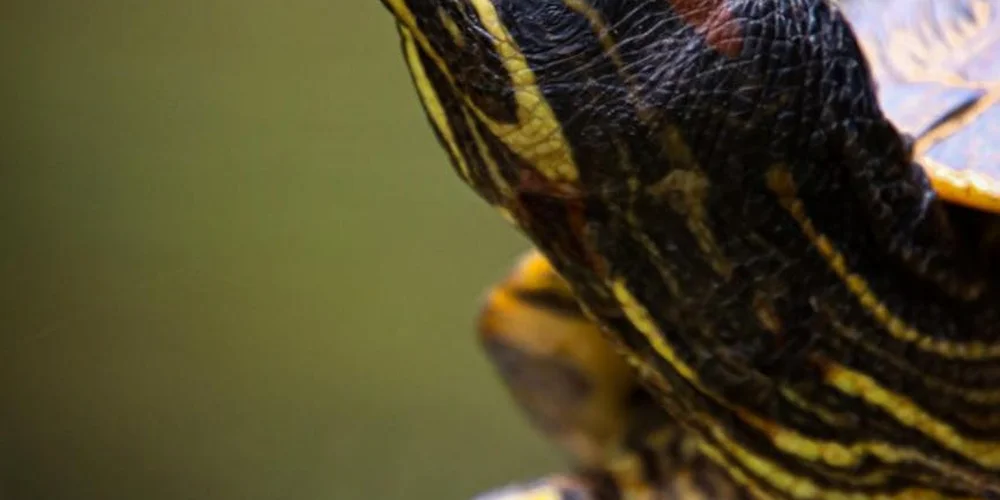
Patience is your greatest ally when sexing a red-eared slider. Attempting to guess the gender of a hatchling is like trying to predict the weather a year from now-it’s largely a guess. Their sexual characteristics simply haven’t developed enough to be reliable indicators.
- Reliable Age and Size: Sexing becomes much more accurate once your turtle reaches sexual maturity. For red-eared sliders, this is typically when their shell length reaches about 4 inches. This often corresponds with an age of 2 to 5 years, though growth rates vary with diet and care.
- The Hatchling Problem: All baby red-eared sliders look nearly identical. Their claws, tails, and shell shapes are uniformly small and underdeveloped, making any gender declaration at this stage unreliable. It’s best to simply provide excellent care and wait for nature to reveal the answer.
- Growth and Trait Visibility: As they grow, the key differences emerge. A male’s front claws will begin to elongate dramatically. His tail will grow thicker and longer, with the cloaca positioned farther from the shell. A female’s overall body size may eventually become larger to accommodate egg production. You are waiting for these distinct signs to become unmistakable.
Watching my Russian tortoise, Austen, grow was a lesson in this patient observation. For years, he showed no clear signs, and then one day, his tail had unmistakably developed the characteristics of a male. Waiting for these natural markers is not a delay; it’s the most respectful and accurate way to know your shelled companion.
Key Physical Traits for Identifying Male vs Female Red-Eared Sliders
After years of caring for my own shelled friends-Austen, Bronte, and Orwell-I’ve found that a few key physical traits make gender identification surprisingly straightforward. Focusing on claw length, tail structure, plastron shape, and overall body size gives you the clearest picture without needing professional help.
Examining Claw Length and Tail Characteristics
Male red-eared sliders sport noticeably longer front claws, which they use during courtship displays to flutter near the female’s face. Gently extend one of your turtle’s front legs and compare the claw length to the hind claws-males often have claws twice as long.
When checking the tail, ensure your turtle is calm and supported. A male’s tail is thicker at the base and longer, with the cloacal vent positioned farther from the shell. In females, the cloaca sits closer to the shell base, and the tail appears shorter and more tapered.
- Wash your hands and keep handling to under two minutes to reduce stress.
- Lift the turtle just enough to see the tail’s underside without tilting it excessively.
- Look for the cloacal opening: males have it beyond the edge of the carapace, while females’ is within the shell’s margin.
Shell and Body Shape Indicators
Male red-eared sliders often develop a concave plastron-that’s the bottom part of the shell-which helps them balance on the female during mating. Run your finger along the plastron; a slight dip in the center is a strong male indicator.
Females, conversely, have a flat or slightly convex plastron and grow significantly larger. My Greek tortoise Bronte, for example, outgrew Orwell the box turtle due to her female physiology. Adult female red-eared sliders can reach 10-12 inches, while males typically max out around 8-10 inches (compare to other species).
| Trait | Male | Female |
|---|---|---|
| Front Claw Length | Long, pronounced | Short, even |
| Tail Length & Shape | Long, thick base | Short, slender |
| Plastron | Concave | Flat or convex |
| Adult Body Size | Smaller (8-10 inches) | Larger (10-12 inches) |
Behavioral Signs That Reveal Your Turtle’s Gender

Behavior offers brilliant clues, especially during breeding season. Males are often the performers, while females show subtler, nesting-focused actions. Observing these behaviors over time can confirm what physical traits suggest.
Male red-eared sliders engage in vigorous head bobbing and may vibrate their long front claws in front of potential mates. This courtship dance is hard to miss-it’s like a tiny, shelled tap routine aimed at winning affection.
Females display more territorial or nesting behaviors, even without a male present. You might notice her digging in substrate or restlessly pacing as if searching for an egg-laying spot.
- Males: Frequent chasing, face-to-face head bobbing, and claw fluttering.
- Females: Increased basking, digging motions with hind legs, and reduced appetite when gravid (carrying eggs).
During breeding season, these behaviors intensify. My Russian tortoise Austen becomes more persistent in his advances, while Bronte seeks quiet corners. Always provide a safe, stress-free environment during these times to support their natural instincts without causing harm.
Step-by-Step Guide to Safely Sexing Your Red-Eared Slider
-
Prepare a calm environment and handle your turtle gently. I always start by picking a quiet room with minimal distractions, like I do with Bronte, my Greek tortoise, to keep her at ease. Wash your hands to remove any strong scents that might startle your turtle. Support their body fully with both hands to prevent any sudden movements that could cause stress or injury. This simple step makes the whole process smoother and safer for your pet. These steps also help you avoid the five critical mistakes people often make when handling a turtle for the first time. Common errors include grabbing from above, failing to support the shell, or overhandling in a noisy room.
-
Check physical traits in order: claws, tail, plastron, size. Begin with the front claws-males often have noticeably longer claws used for courtship. Next, examine the tail; males typically have longer, thicker tails with the vent closer to the tip. Then, look at the plastron (the bottom shell); in males, it’s often slightly concave to help during mating. Finally, consider overall size, as females tend to be larger once fully grown, but this can vary with age and diet. I’ve found this order helps avoid missing key details, much like when I first sexed Austen, my Russian tortoise.
-
Observe behavioral patterns over time for confirmation. Watch for males displaying more territorial or chasing behaviors, especially around other turtles. Females might spend more time basking or searching for nesting spots. Keep a simple journal of what you see over a few weeks to spot consistent trends that back up your physical observations. From my experience with Orwell, my box turtle, patience here often reveals the clearest signs. If you notice unusual or puzzling shifts in behavior, this approach becomes the basis for a quick acting strange diagnostic checklist. Keeping a running journal helps you spot patterns that distinguish routine activity from potential health or habitat problems.
-
Use morphology indicators to cross-reference findings. Look at the overall body shape and shell structure; males may have a more streamlined appearance, while females can appear broader. Combining these subtle cues with the other traits gives you a more reliable picture and reduces guesswork. I’ve learned that relying on just one sign can be misleading, so always double-check your initial thoughts.
Avoiding Common Mistakes in Red-Eared Slider Sexing

-
Highlight errors like relying solely on juvenile traits or color changes. Young turtles haven’t developed clear sexual characteristics yet, so waiting until they’re at least a few years old is key. Color shifts can happen due to diet or health, not gender. Assuming a turtle’s sex based on early appearances often leads to incorrect conclusions that are hard to reverse later. I made this mistake early on and now advise others to be patient when it comes to estimating the sex of their turtles.
-
Warn against rough handling that can stress the turtle. Jerky movements or holding them too tightly can cause them to retreat into their shell or even lead to shell damage. Gentle, slow actions show respect for your turtle’s well-being and make the examination less traumatic for both of you. I always treat my turtles with the same care I’d want for myself, advocating for their comfort above all. That approach is central to any safe turtle handling guide for children. In a complete guide, you’ll find kid-friendly, step-by-step tips to keep interactions calm and safe.
-
Discuss how environmental factors can mimic gender-specific behaviors. For example, a cramped tank might make any turtle act aggressively, similar to male behavior. Poor basking conditions could cause lethargy that looks like typical female calmness. Always assess your turtle’s habitat first to rule out stress-induced actions that don’t relate to their actual sex. If you notice stress signs, observe closely and adjust the habitat promptly. If unsure, seek help from a reptile vet to accurately tell if your turtle is stressed and why. In my years of care, I’ve seen how a better setup often clarifies confusing behaviors.
How Sexual Maturity Impacts Gender Identification
-
Red-eared sliders hit sexual maturity at different stages: males often between 2 to 5 years, while females take longer, around 5 to 7 years. In my years tending to reptiles like my tortoise Bronte, I’ve found that shell length-males at 4-6 inches and females at 6-8 inches-gives a clearer picture than age alone. This variation means you might need patience before those gender clues fully show up.
-
As turtles mature, male traits like tail length and front claw growth become more obvious, almost like nature’s way of signaling readiness. Males develop those long, sturdy tails and enlarged claws for mating rituals, whereas females keep things subtler with shorter tails and petite claws. Watching my own pets, Austen and Orwell, grow taught me how these features intensify, making sexing less guesswork over time. Beyond appearances, temperaments can also vary—some keepers report that males are more active or territorial, while females may be calmer or more reserved. These behavioral nuances, alongside physical cues, influence how each turtle settles into a home.
-
Breeding season, usually in spring, turns up the volume on gender signs-males get frisky, chasing females and using their claws to “tickle” or grasp. This seasonal behavior makes it easier to spot who’s who, much like how my Greek tortoise Bronte becomes more active when conditions are right. Keep an eye out for these cues; they’re nature’s little helpers in your identification journey.
Adapting Your Turtle’s Habitat Based on Gender

-
Female red-eared sliders outgrow males, so your tank should scale up—aim for at least 75 gallons for an adult female to give her room to thrive. From housing my larger tortoises, I’ve learned that cramped spaces stress animals out, and a spacious tank prevents health issues and supports natural behaviors. In other words, size matters for a turtle’s wellbeing. A larger tank is not a luxury—it’s a requirement for a thriving, active life. Think of it as giving your turtle an ocean-like home, not a puddle.
-
If you mix males and females, breeding is likely, so plan for nesting areas with soft, damp substrate where females can lay eggs safely. In my experience, unexpected clutches can happen, and providing a dedicated spot reduces stress and mimics their wild instincts. Always prioritize animal welfare by ensuring you’re ready for potential offspring or separate housing if needed.
-
To curb aggression in mixed setups, add visual barriers like plants or rocks and monitor for bullying-stress signs include hiding or lack of appetite. I’ve used this approach with my reptiles to create peaceful zones, and it works wonders for keeping everyone calm and healthy. A little foresight here goes a long way in fostering a harmonious habitat.
FAQs
Are there any special considerations for keeping red-eared sliders in Texas?
Texas has a warm climate that can support outdoor enclosures, but provide shade and protection from predators. Always check local laws, as red-eared sliders are invasive in some areas and may have ownership restrictions.
Are red-eared sliders fully aquatic or semi-aquatic?
Red-eared sliders are semi-aquatic, meaning they need both water for swimming and a dry basking area. Their habitat must include a land spot with heat and UVB lighting to support their health and behavior.
What is septicemia in red-eared sliders and how can it be prevented?
Septicemia is a serious bacterial infection of the bloodstream, often caused by poor water quality or injuries. Prevent it by maintaining clean tank conditions and monitoring for symptoms like lethargy or shell abnormalities.
Can I build a DIY habitat for my red-eared slider?
Yes, you can create a DIY habitat using large, sturdy containers with adequate filtration and heating systems. Ensure it includes a basking platform and enough space for swimming to meet your turtle’s needs.
Can the sex of red-eared sliders be determined by incubation temperature?
Yes, red-eared sliders have temperature-dependent sex determination, where warmer incubation produces females and cooler temperatures yield males. For adult turtles, sex is fixed and identified through traits like claw length and tail shape.
Your Red-Eared Slider’s Gender: Putting It All Together
Check for longer tails and larger front claws in males, alongside a flatter plastron in females, to identify your turtle’s sex accurately. Observing these traits over time gives you a reliable way to understand your pet’s needs and behaviors, especially when determining the sex of your turtle.
Responsible ownership means tailoring care based on your turtle’s gender to prevent stress and health problems. Keep exploring turtle care resources, as I’ve learned from my own pets like Austen and Bronte, to ensure a fulfilling life for your aquatic friend.
Further Reading & Sources
- Male Vs. Female Red-Eared Sliders: 7 Differences
- Sexing – ReptiFiles Red-Eared Slider Health Guide
- How to tell the sex of a Red Eared Slider | Tortoise Forum
- Redearslider.com :: View topic – Gender confused RES laid an Egg
Matthew is a dedicated turtle enthusiast and conservationist with over 15 years of experience in reptile care. Known affectionately as "The Leatherback" among his peers, he combines his passion for turtles with a commitment to educating pet owners on responsible turtle care and environmental stewardship.
Mating Behavior