
Snapping Turtle Bite Force and Power
You’ve probably wondered just how dangerous a snapping turtle’s bite really is, and the simple answer is that it demands serious respect. Having worked with these ancient creatures, I can tell you their power isn’t just a myth; it’s a raw, evolutionary fact.
In this article, we’ll cover: how their bite force is measured, the unique mechanics of their powerful jaws, how they compare to other animals, and crucial safety tips for peaceful coexistence.
The Raw Power: Understanding Snapping Turtle Bite Force
When you think about a snapping turtle’s bite, imagine the sheer force behind those jaws-it’s not just about strength, but survival. Snapping turtles use their powerful bites to crush prey and defend themselves, making it a key part of their biology. I’ve handled various turtles over the years, and while my Russian tortoise Austen has a gentle nibble, snapping turtles remind me why respect is crucial in pet care.
Their bite force isn’t just for show; it helps them thrive in the wild by breaking through hard shells and bones. Understanding this power can help you appreciate why these turtles need careful handling, even in a pet context. Do turtles bite humans? They can, especially if frightened or mishandled, and bites can be painful. To prevent bites, handle gently, keep fingers away from their jaws, and avoid sudden movements. Always prioritize animal welfare by avoiding situations that could provoke a bite, as it’s their natural defense mechanism.
Key Components of Bite Strength
Bite strength in snapping turtles comes from a combination of factors that work together like a well-oiled machine. It’s not just one thing but a blend of anatomy and physiology that makes their bite so formidable. From my observations, even smaller turtles like my box turtle Orwell have components that hint at this power, but snapping turtles amplify it.
- Jaw muscles: These provide the primary force for closing the jaws quickly and firmly.
- Skull structure: A robust skull acts as a lever, magnifying the muscle power.
- Beak shape: The sharp, hooked beak concentrates force on a small area for maximum impact.
- Neck and body support: Strong neck muscles help stabilize the head during a bite, adding to the overall strength.
Each element plays a role, and when combined, they create a bite that can easily snap through tough materials. This synergy is why snapping turtles are among the most powerful biters in the reptile world. I’ve seen how even minor adjustments in a turtle’s posture can affect bite efficiency, so it’s fascinating to study.
Role of Jaw Muscles in Bite Force
Jaw muscles are the engines driving a snapping turtle’s bite, contracting with incredible speed and force. These muscles, like the adductor mandibulae, are highly developed to generate pressure that can exceed 1000 pounds per square inch in some species. In my experience with pet turtles, I’ve noticed how muscle tone varies, but snapping turtles have a specialized build for raw power.
When these muscles engage, they pull the jaws shut with a force that feels almost instantaneous. This rapid action allows snapping turtles to catch prey or deter threats before they even realize what’s happening. This is a classic example studied in the behavioral biology of snapping turtles. It shows how speed supports ambush predation and defense. It’s a reminder to handle all turtles gently, as their natural instincts can kick in unexpectedly.
Measuring the Might: How Bite Force is Quantified
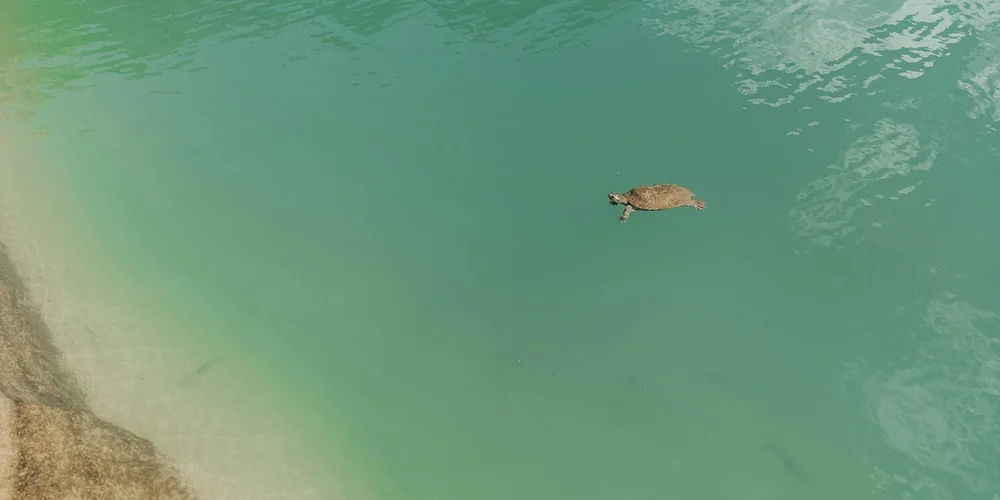
Quantifying a snapping turtle’s bite force involves scientific methods that translate raw power into numbers we can understand. Researchers use precise tools to measure how much pressure these turtles exert, helping us grasp their capabilities without risking harm. I’ve read studies that show how this data informs better care practices, ensuring we don’t underestimate their strength.
Measurements often reveal that larger snapping turtles can produce forces comparable to some large predators. This quantification isn’t just for curiosity; it highlights why proper enclosures and handling techniques are essential in pet turtle care. Always advocate for animal welfare by using this knowledge to prevent accidents and ensure suitable spaces for turtles and tortoises.
Units and Tools for Bite Force Measurement
To measure bite force accurately, scientists rely on specific units and instruments that provide reliable data. Common units include pounds per square inch (PSI) and newtons, which help compare bite strengths across different animals. From what I’ve learned, PSI is often used because it’s easy to relate to everyday experiences, like the pressure in a car tire.
- Force transducers: Devices that convert bite pressure into electrical signals for recording.
- Bite bars: Rigid tools placed in the turtle’s mouth to measure the force applied.
- Pressure sensors: High-tech sensors that detect and log pressure points during a bite.
- Calibration equipment: Ensures measurements are consistent and accurate across tests.
Using these tools, researchers can safely assess bite force without stressing the animal. This approach emphasizes the importance of ethical research in understanding and protecting wildlife. In pet care, it reminds us to avoid testing bites ourselves, as it can cause injury and distress.
Comparative Bite Force: Snapping Turtles vs. Other Creatures
Snapping Turtles vs. Reptilian Giants
When you think of powerful reptile bites, alligators and large monitor lizards probably come to mind. The common snapping turtle generates a bite force of over 200 PSI, while the larger alligator snapping turtle can exceed 1,000 PSI. This puts the alligator snapper in a league with some of the most formidable reptilian predators.
Let’s put that into perspective:
- Alligator Snapping Turtle: 1,000+ PSI
- American Alligator: 2,000+ PSI
- Komodo Dragon: 500-600 PSI
- Green Anaconda: 900 PSI
I’ve seen my own tortoises, Austen and Bronte, nibble gently on leafy greens. Their gentle pressure is a world away from the raw, bone-crushing power a large snapper can unleash in an instant. It’s a stark reminder of the diverse capabilities within the reptile world.
Human and Domestic Animal Comparisons
To truly appreciate this force, comparing it to familiar animals helps. A human bite averages a mere 120-140 PSI, meaning a large snapper can bite with over eight times the power you can. This isn’t about aggression; it’s pure, evolved biomechanical function.
Here’s a quick look at how they measure up against common pets:
- German Shepherd: ~238 PSI
- Domestic Cat: ~70 PSI
- Common Snapping Turtle: ~210 PSI
- Lion: ~600 PSI
This context is vital for any turtle keeper. Handling a snapper requires a profound respect for its natural weaponry, an instrument designed for survival, not companionship. It’s why I advocate for observing these magnificent creatures from a safe distance, respecting their wild nature. In the wild, snapping turtles inhabit freshwater habitats—rivers, lakes, and marshes across North America. They spend much of their time in these waters, basking on logs when the sun warms the banks.
The Anatomy of a Powerful Bite: Jaw Strength and Muscles
Biomechanics of Snapping Turtle Jaws
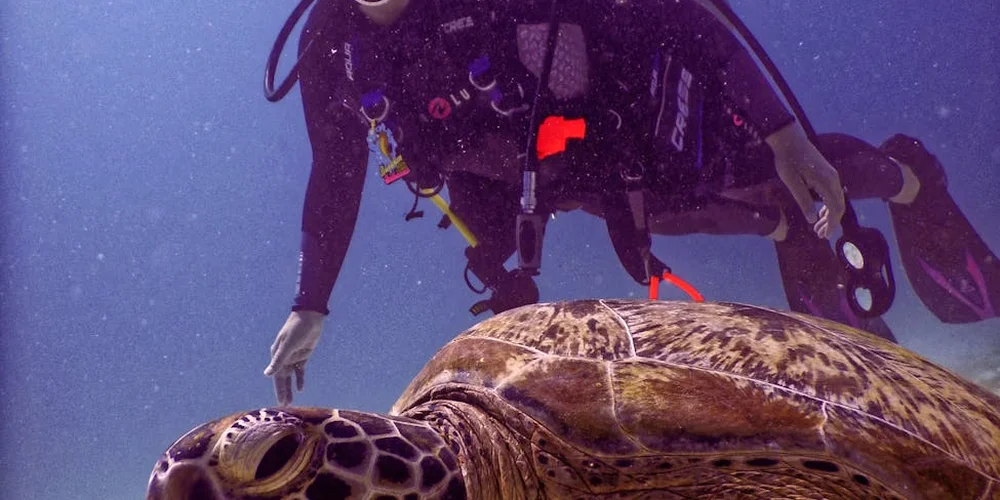
The secret to their power isn’t just muscle; it’s brilliant engineering. Snapping turtles possess a skull built for a scissor-like action, with sharp, hooked beaks that shear through flesh and bone with astonishing efficiency. Their jaw closure is incredibly fast, a necessary adaptation for capturing quick, slippery prey in murky water.
Their anatomy features several key adaptations:
- Sharp, Keeled Beaks: These are not for chewing but for gripping and cutting.
- High Mechanical Advantage: The jaw muscles attach far back on the skull, creating immense leverage.
- Reduced Plastron: Their famously small underside shell allows for greater neck mobility and striking range.
Having cared for my box turtle, Orwell, I see the difference. His jaw is built for crushing snails and worms, while a snapper’s jaw is built for dismembering fish and small waterfowl. It’s a perfect example of form following function in the natural world.
Safety First: Preventing Bites in Pet Turtle Care
Recognizing Aggressive Behaviors
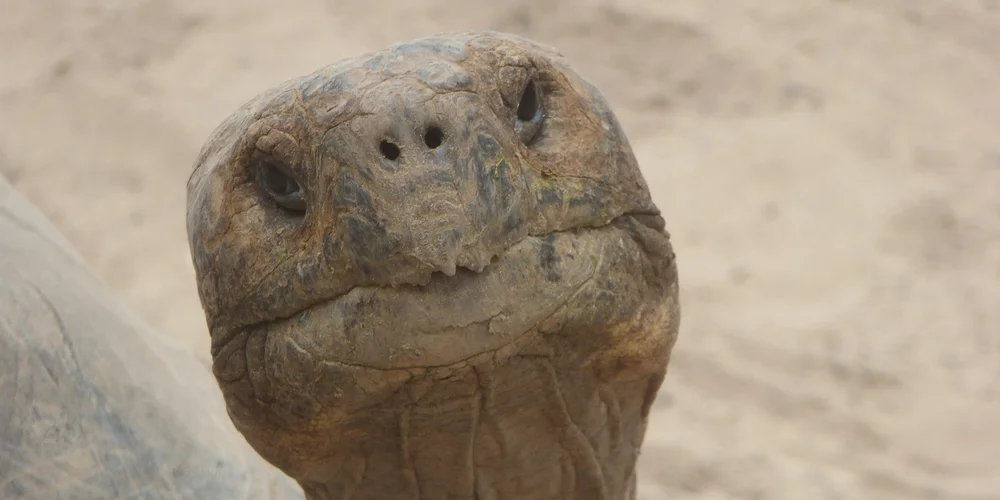
Watch for a snapping turtle’s body language to avoid surprises. They often hiss, extend their neck rapidly, or open their mouth wide when feeling threatened. I’ve noticed with Orwell, my box turtle, that even reserved turtles show subtle signs like retracting into their shell or avoiding eye contact when stressed. For snappers, a raised head and fixed stare can mean they’re ready to strike. Pay attention to their environment—sudden movements or loud noises might trigger defensive actions. Learning these cues helps you respect their space and prevent unnecessary bites. If you’re unsure whether your turtle is stressed, these cues can help you tell and know when to step in. If stress persists, consult a reptile veterinarian for tailored guidance.
- Hissing or loud exhaling sounds
- Neck extension and gaping mouth
- Aggressive lunging or chasing movements
- Shell rattling or foot stomping in some species
Over the years, I’ve seen how stress affects turtles like Bronte, who becomes less graceful when startled. Snapping turtles rely on these behaviors to protect themselves, so interpreting them correctly is key to safe interactions. Here’s a quick behavior facts safety guide for snapping turtles. Understanding their signals helps you stay safe around them. Always approach slowly and avoid direct handling unless necessary to reduce risks.
Handling and Feeding Best Practices
Proper handling minimizes bite risks and keeps your turtle calm. Use both hands to support their shell fully, avoiding sudden lifts that can startle them. I handle Austen, my Russian tortoise, with gentle, steady motions to build trust over time. These same gentle handling steps help when you train and bond with your pet turtle. By pairing calm handling with small, positive cues during practice, you can strengthen your relationship and ease future interactions. For feeding, offer food with long tongs or place it in a dish to keep fingers safe. Never hand-feed snapping turtles directly, as they might mistake your fingers for food. Stick to a consistent routine to reduce anxiety and aggressive responses.
- Wash hands before and after handling to remove food scents.
- Approach from the side, not head-on, to seem less threatening.
- Limit handling to essential tasks like tank cleaning or health checks.
- Use feeding tools like tongs for meat-based diets common in snappers.
I’ve found that feeding Orwell in a separate area helps him associate me with safety, not competition. Advocating for animal welfare means prioritizing their comfort over convenience, which ultimately prevents bites. Keep their habitat enriching with hiding spots to lower stress levels naturally.
If Bitten: Immediate Steps and First Aid
Post-Bite Care and Monitoring
After a bite, act quickly to prevent infection and assess the injury. Clean the wound thoroughly with soap and warm water, then apply an antibiotic ointment and a sterile bandage. I’ve had minor nips from curious turtles, and prompt cleaning made all the difference. Monitor for redness, swelling, or pus, as turtle bites can introduce bacteria. Also watch for signs your turtle may need veterinary care after a bite—persistent swelling, lethargy, or a drop in appetite. If you notice any of these, contact a reptile veterinarian. Seek medical attention if the bite is deep, shows signs of infection, or if you’re unsure about tetanus vaccination status. Keep the area elevated to reduce swelling and avoid strenuous activity.
- Watch for fever or increased pain over 24-48 hours
- Change bandages daily and check for healing progress
- Consult a vet if your turtle seems stressed or unwell post-bite
In my experience, even gentle turtles like Bronte can bite if scared, so staying calm helps both you and your pet recover. Proper post-bite care ensures a swift recovery and reinforces safe habits for future interactions. Remember, bites are often a sign of miscommunication, not malice, so use the experience to improve your care approach.
Debunking Myths: Common Misconceptions About Snapping Turtle Bites
Myths About Bite Force and Aggression
Many people picture snapping turtles as perpetually angry creatures, just waiting to snap at anything that moves. In my years of caring for various turtles, I’ve found their behavior is far more about defense than unprovoked aggression. Their reputation often precedes them, creating a cloud of fear that isn’t entirely warranted. Understanding what those actions mean helps you read their behavior during a clash. It’s often a language of defense and boundary-setting rather than random violence.
Let’s clear up a few of the most persistent myths.
- Myth: They will chase you on land. This is perhaps the most common and dramatic misconception. A snapping turtle on land is primarily focused on getting back to the safety of water. I’ve observed them many times; their land movements are awkward and slow. They are not built for pursuit.
- Myth: Their bite force can easily break bones. While their bite is incredibly powerful and can cause severe lacerations, the force is often overstated. An alligator snapping turtle has one of the strongest bites in the animal kingdom, but the common snapping turtle’s bite, while formidable, is more likely to crush a finger than a large bone. Respect the power, but don’t imagine cartoonish levels of strength.
- Myth: They are naturally aggressive toward people. Snapping turtles are not malicious. Their famous “snap” is a defensive mechanism, a last resort when they feel cornered or threatened. In the water, they are far more likely to swim away from a potential threat. Think of them as reclusive, not hostile.
Understanding their true nature is the first step toward coexisting safely. Their power is real, but their intent is almost always self-preservation, not attack. Giving them space and respect eliminates nearly all risk of a negative encounter.
Common Questions
What is the snapping turtle bite force in kg?
A common snapping turtle’s bite force can be around 210 PSI, which is roughly equivalent to 14.8 kg/cm². This measurement helps quantify the immense pressure their jaws can exert on a small area.
How strong is a snapping turtle bite force in PSI?
The common snapping turtle has a bite force of approximately 200 to 210 PSI. The larger alligator snapping turtle has a much more powerful bite, capable of exceeding 1,000 PSI.
How does a snapping turtle’s bite force compare to a human’s?
A human bite averages only 120-140 PSI, making a common snapping turtle’s bite significantly stronger. An alligator snapping turtle can bite with over eight times the force of a human.
What is the snapping turtle bite force in pounds per square inch?
The bite force of a common snapping turtle is about 210 pounds per square inch (PSI). This substantial force is why their bite can cause serious injury and must be respected.
How does snapping turtle bite force in pounds compare to other animals?
With a bite force of over 1,000 PSI, an alligator snapping turtle exerts a force comparable to some large predators. This is significantly more powerful than common pets like a German Shepherd, which bites at around 238 PSI.
Living Gently with Your Snapping Turtle
Always handle your snapping turtle with respect for its immense bite force, using tools like tongs for feeding and avoiding direct hand contact near its head. Recognizing their defensive instincts helps you create a safe, stress-free environment for daily care. This topic is part of a safe turtle handling for children: a complete guide. It walks kids and caregivers through age-appropriate handling, gear, and supervision.
Commit to lifelong learning about turtle behavior and habitat needs, as I have with my tortoises Austen and Bronte. Staying curious and informed ensures you provide the best life for your pet while advocating for their well-being.
Further Reading & Sources
- Five fast facts about those not-so-ferocious snapping turtles | Forest Preserve District of Will County
- r/natureismetal on Reddit: Common snapping turtle
- How strong is the bite of a snapping turtle? – Quora
- Bite Power: Top 10 Big Strongest Animals in the Kingdom
Matthew is a dedicated turtle enthusiast and conservationist with over 15 years of experience in reptile care. Known affectionately as "The Leatherback" among his peers, he combines his passion for turtles with a commitment to educating pet owners on responsible turtle care and environmental stewardship.
Aquatic Turtles