
Turtle Evolution: Ancient Survivors and Their Amazing Adaptations
Published on: December 13, 2025 | Last Updated: December 13, 2025
Written By: Matthew The
Have you ever wondered how turtles, with their unique and seemingly cumbersome shells, managed to survive for hundreds of millions of years while mighty dinosaurs faded into history? Their success is no accident.
It’s a story written in bone and time, a testament to some of the most remarkable evolutionary engineering on our planet.
This article will guide you through the epic timeline of turtle evolution, the development of their iconic shell, specialized survival strategies, and the unique traits of modern species.
The Ancient Origins of Turtles: A Journey Through Deep Time
Imagine a world before flowers, where early dinosaurs were just beginning to walk the earth. That’s the stage on which turtles first appeared. The oldest known turtle fossils, like Odontochelys, date back over 220 million years to the Triassic period. These ancient creatures already possessed the blueprint for the modern turtle, including a broad, protective plastron on their underside. They lived in shallow coastal waters, a far cry from the diverse habitats their descendants occupy today.
Looking at my own Russian tortoise, Austen, it’s humbling to think his lineage stretches back to an era that feels almost mythical. Turtles are older than Tyrannosaurus rex, and they survived the mass extinction that wiped out the dinosaurs. Their incredible staying power is a testament to the success of their unique body plan. They are not just pets; they are living fossils sharing your home.
The Evolutionary Marvel of the Turtle Shell
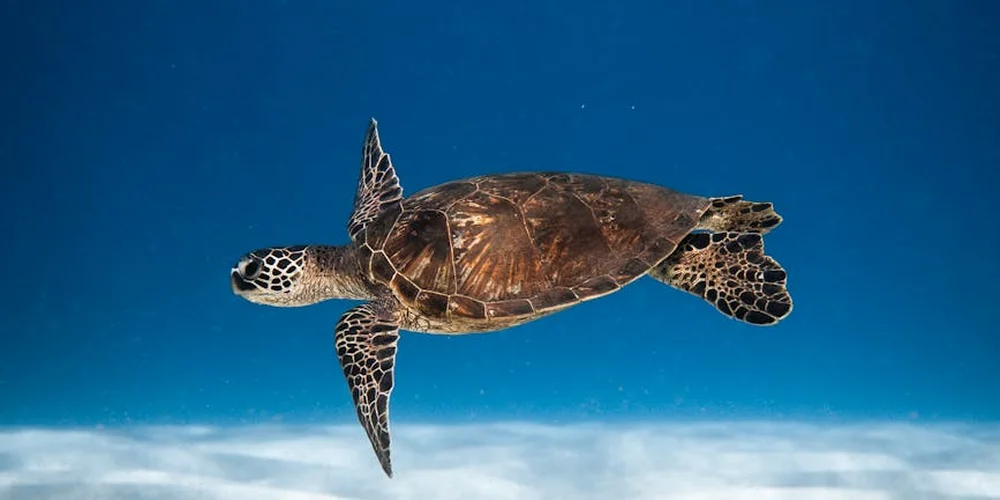
The turtle shell isn’t just a house they carry on their back; it’s a fundamental part of their skeleton. Their ribs and vertebrae have fused and broadened over millions of years to form this iconic structure. This isn’t an external attachment like a hermit crab’s shell. The shell is bone, covered in keratin scutes—the same material as our fingernails. Because the shell is part of the skeleton, it grows as the turtle grows. It can repair minor damage over time, but large injuries may not fully regenerate.
I’ve learned to appreciate the shell’s complexity by caring for my turtles. Each scute pattern is unique, like a fingerprint. This design provides incredible protection while also serving as a mineral reservoir, crucial for their long-term health. It’s a perfect, integrated suit of armor that evolved over deep time.
How Shells Adapted to Aquatic and Terrestrial Lifestyles
Evolution tailored the basic shell design for different environments. You can see this specialization in the pets we keep.
- Aquatic Shells: Turtles like sliders and cooters have streamlined, flattened shells. This shape reduces drag in the water, making them efficient swimmers. Their shells are often smoother and more hydrodynamic.
- Terrestrial Shells: Tortoises, like my Greek tortoise Bronte, sport high-domed, heavy shells. This dome creates a protective cavern that makes it difficult for predators to bite them. The shape is all about defense on land.
- Semi-Aquatic Shells: My box turtle, Orwell, represents a middle ground. His shell is moderately domed but has a hinged plastron. He can completely close his shell, sealing himself inside for protection whether he’s on land or in water.
The shell’s very structure tells the story of a species’ life history, a detail I find endlessly fascinating as a keeper. Understanding this helps us provide better habitats, ensuring our shelled companions can express their natural behaviors.
Anatomical Adaptations for Feeding and Movement
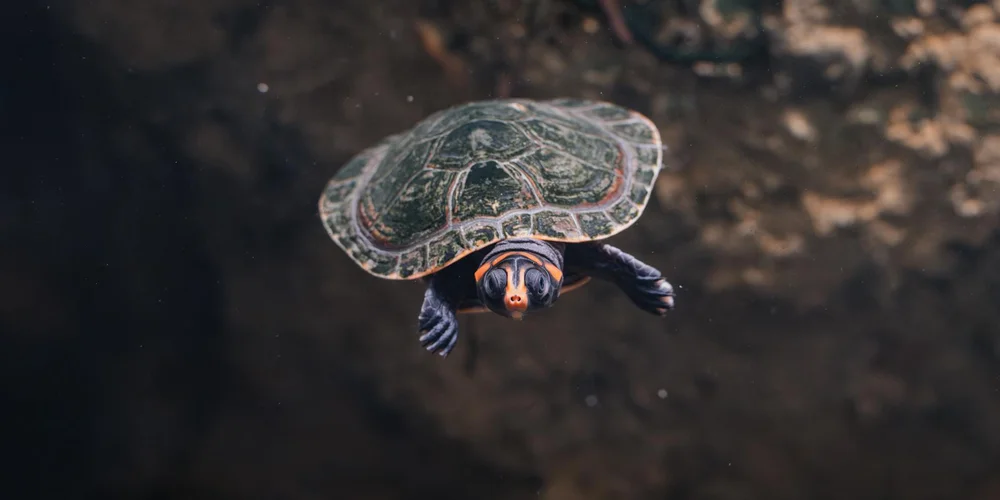
Over millions of years, turtles have perfected a body plan that is both a fortress and a highly efficient machine. The shell is not just armor; it’s a foundational element that has dictated the evolution of their entire skeletal and muscular system for feeding and locomotion. That strong, hard turtle shell is the very backbone of this design—its weight and rigidity shape every movement. It’s a marvel of natural engineering that enables both protection and precise locomotion. Watching my own tortoises, Austen and Bronte, methodically navigate their terrain shows how this ancient blueprint works in real time.
Respiratory and Locomotion Changes in Aquatic Turtles
When turtles returned to the water, they faced a unique challenge: a rigid shell prevents the ribcage from expanding to breathe like we do. Aquatic turtles developed a suite of specialized muscles to pump air in and out of their lungs, effectively “breathing” with their shoulders and hips. This is one of the most fascinating physiological trade-offs in the animal kingdom. By understanding their breathing, we can better guide their respiration needs and habitat requirements in both the wild and captivity. Proper gas exchange and water quality are essential considerations for aquatic turtle care.
For true aquatic species, respiration went a step further. Some can absorb oxygen directly from the water through specialized surfaces in their throat or cloaca, a process called cloacal respiration. This adaptation allows them to remain submerged for extended periods, especially during winter dormancy, without needing to surface for air. It’s a remarkable form of underwater hibernation.
Their limbs underwent the most dramatic visible change. Legs transformed into powerful, paddle-like flippers, perfect for propelling themselves through the water with surprising grace and speed. These flippers are inefficient on land, often making terrestrial travel a clumsy, laborious effort. I’ve seen this stark contrast when my box turtle, Orwell, is in his water dish versus trudging across the lawn.
The key anatomical features for an aquatic life include:
- Streamlined, flattened shells for reduced drag while swimming.
- Long, curved claws on front flippers for gripping mates and tearing food.
- Lightweight skeletons and buoyant bodies for effortless floating.
- Webbed feet or full flippers that act as efficient paddles.
Understanding these deep-seated evolutionary traits helps us provide better care. An aquatic turtle’s need for deep, clean water to swim and “fly” through isn’t a preference; it’s a biological imperative written into its very bones. Providing that space is one of the most important things we can do for their welfare.
Reproductive Strategies and Environmental Influences
Watching my own tortoises, Austen and Bronte, I’m always struck by the ancient rituals they follow. Their reproductive behaviors are a direct link to their evolutionary past, deeply influenced by the environment around them. For any pet owner, understanding this connection is vital for providing proper care.
The Nesting Imperative
Female turtles possess a powerful, instinctual drive to find the perfect nesting site. In the wild, this ensures the next generation has the best possible start. Even in captivity, a gravid female will become restless, pacing and searching for a place to lay her eggs. I’ve seen this with Bronte, who will meticulously inspect every corner of her enclosure, similar to turtles exhibiting nesting behaviors in the wild.
To support this natural behavior, you must provide a suitable nesting area. A simple mix of topsoil and play sand in a large, deep container often works perfectly.
- Choose a quiet, private spot within the enclosure.
- Ensure the substrate is deep enough for her to dig a proper burrow.
- Keep the nesting medium slightly damp to help it hold its shape.
Temperature-Dependent Sex Determination
One of the most fascinating evolutionary adaptations in turtles is Temperature-Dependent Sex Determination (TSD). Unlike humans, the temperature of the incubating eggs determines whether a hatchling will be male or female. This is not a suggestion; it’s a biological rule. In turtle reproduction, females lay eggs in nests and the incubation temperature determines the hatchlings’ gender. This direct link between egg temperature and gender also influences population dynamics and future generations.
Warmer temperatures typically produce females, while cooler temperatures yield males. This mechanism likely evolved as a way to balance populations based on environmental conditions.
- Pivotal Temperature Range: This is the narrow band where a mix of sexes is possible.
- Species Variation: Every turtle species has its own specific pivotal temperature.
- Climate Link: This makes turtle populations incredibly sensitive to climate change shifts.
Environmental Cues and Egg Development
The environment doesn’t just influence the sex of the hatchlings; it governs the entire developmental process. Factors like humidity and oxygen availability are just as critical as temperature for successful incubation. An egg that is too dry will desiccate, while one that is too wet may grow mold.
In my experience with Orwell’s eggs, maintaining a stable environment was the single most important factor. Even small, consistent fluctuations are better than large, unpredictable swings.
- Use a reliable incubator to maintain a steady temperature.
- Monitor humidity levels with a hygrometer, aiming for the range specific to your turtle species.
- Use an incubation medium like vermiculite or perlite that holds moisture well.
- Never rotate the eggs once they are placed in the incubator.
A Shell for Every Strategy
Evolution has even shaped reproductive strategies through shell morphology. The shape and flexibility of a female’s shell can directly impact her egg-laying capacity and ease. My Russian tortoise, Austen, has a highly domed shell, which limits her clutch size compared to a flatter-shelled species.
Some species, like the Leatherback sea turtle, have evolved softer, more flexible shells to accommodate larger numbers of eggs. For pet owners, recognizing your turtle’s specific shell type helps you understand its natural reproductive constraints and needs.
Connecting Turtle Evolution to Modern Pet Care
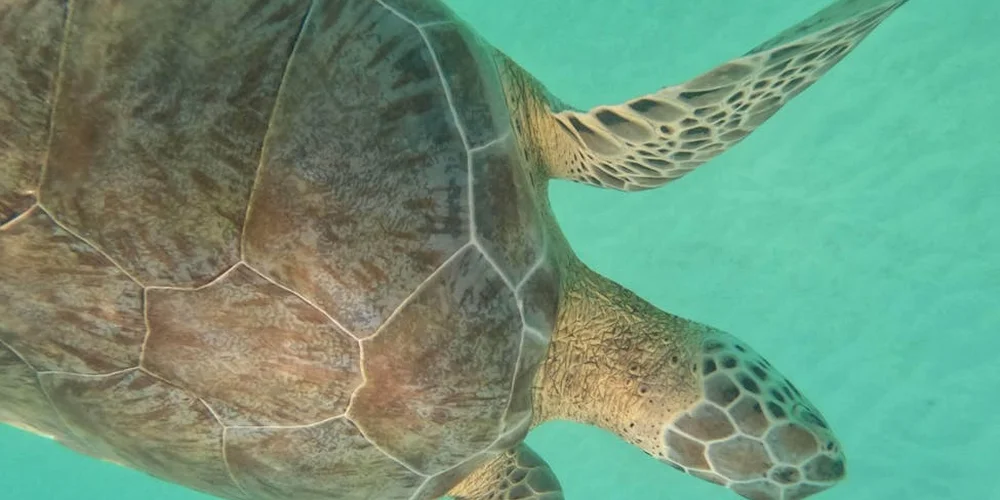
When you look at your pet turtle, you’re seeing millions of years of evolutionary fine-tuning. Their ancient biology directly informs the care they need in your home today. I’ve learned this firsthand through years of living with my own shelled companions, Austen and Bronte. Their needs aren’t arbitrary; they are written in their DNA.
The Shell: More Than Just Armor
A turtle’s shell is its most defining feature, a fortress that evolved over 200 million years ago. It’s not just for protection; it’s fused to their spine and ribs. This means their shell is a living, feeling part of them. In turtle anatomy, the shell consists of the carapace and plastron, formed by fused bones and overlaid with keratinous scutes. It grows and remodels with the animal, with nerves and blood vessels distributed through its living tissue.
- Never Paint or Drill a Shell: This can block vital UVB absorption and cause severe infections. It’s like suffocating their skeleton.
- Provide Proper Basking Spots: The shell needs direct heat and UVB light to help metabolize calcium, preventing debilitating metabolic bone disease.
- Ensure a Varied Diet: A strong shell requires calcium-rich foods like dandelion greens and cuttlebone, not just commercial pellets.
Dietary Needs Rooted in Survival
Turtles evolved as opportunistic eaters. Some species are herbivores, others omnivores. This ancient survival strategy means a one-size-fits-all diet is a recipe for poor health. Are turtles herbivores, carnivores, or omnivores? In reality, they span that spectrum: many are omnivores, with some species leaning toward herbivory or carnivory depending on age and environment.
My Russian tortoise, Austen, thrives on a strict diet of leafy greens and weeds. My box turtle, Orwell, needs insects and berries too. Feeding the wrong diet can lead to shell deformities, organ failure, and a shortened lifespan. Research your specific species’ natural diet-it’s the single most important thing you can do.
Slow Metabolism and Environmental Cues
Their famously slow pace is an evolutionary adaptation for conserving energy. This slow metabolism dictates everything from feeding schedules to habitat temperature.
- Mimic Seasonal Changes: Many species benefit from a cooler, quieter period in winter, mirroring the brumation cycles of their wild ancestors.
- Regulate Food Intake: Overfeeding a slow-metabolism animal leads to obesity and fatty liver disease. Portion control is an act of love.
- Maintain Consistent Warmth: Being ectotherms, they rely on their environment to regulate body temperature. A proper heat gradient in their enclosure is non-negotiable.
Sensory World and Handling
Turtles did not evolve to be cuddled. Their senses are tuned for survival on the ground, not for being lifted into the air.
- They Feel Vibrations: They have poor hearing but are exquisitely sensitive to vibrations through the ground. Stomping near their tank can be terrifying.
- Respect Their Space: Excessive handling causes immense stress. Always approach from the front where they can see you, and support their entire body.
- They Recognize Caretakers: While they may not show affection like a dog, they learn to associate you with food and safety. Orwell always becomes more active when he hears my voice.
Understanding this deep evolutionary history transforms pet care from a chore into a privilege. You are providing a sanctuary for a living relic, an animal whose basic needs have been shaped by an epic journey through time. Every proper meal, every well-placed basking lamp, honors that incredible legacy.
FAQs
What key evolutionary adaptations distinguish turtles from other reptiles?
Turtles are uniquely defined by their bony shell, which is fused to their ribs and spine, unlike any other reptile. Additionally, their ability to retract their head and limbs into the shell for protection is a key adaptation not found in other reptilian groups. And yes, turtles have backbones—their spine is made of vertebrae. The shell itself is fused to these vertebrae and the ribs.
What are the major fossil milestones in turtle evolution?
The discovery of Odontochelys from the Triassic period shows early turtles with a partial shell, indicating the beginning of shell evolution. Later, Proganochelys from the same era had a fully formed shell, similar to modern turtles, marking a significant step in their evolutionary history.
How have beak and jaw adaptations contributed to turtle feeding strategies?
Turtles have evolved beak-like jaws without teeth, adapted for crushing, slicing, or grinding food based on their diet. Beaks are keratinous and wear down with use, so they generally don’t require continual growth to stay functional. This allows them to efficiently process a variety of foods, from plants to prey, supporting diverse feeding strategies across species.
Your Turtle’s Timeless Journey
From my time with Austen, my Russian tortoise, I learned that their ancient adaptations mean they thrive best in environments that echo their wild origins, like proper humidity and diet. Respecting their evolutionary history helps you create a home where your turtle can exhibit natural behaviors and live a full, healthy life.
Caring for a pet turtle is a long-term commitment that demands your attention to their unique needs as individuals, much like my thoughtful Greek tortoise, Bronte. Stay curious and keep educating yourself on turtle care advancements to ensure your shelled friend enjoys every moment with you.
Further Reading & Sources
- Turtle – Evolution, Adaptation, Conservation | Britannica
- Turtle – Wikipedia
- Turtle – Adaptations, Habitats, Lifespan | Britannica
- Evolution and the Repeating Turtle – STORAGE ROOM No. 2
Matthew is a dedicated turtle enthusiast and conservationist with over 15 years of experience in reptile care. Known affectionately as "The Leatherback" among his peers, he combines his passion for turtles with a commitment to educating pet owners on responsible turtle care and environmental stewardship.
Understanding Turtle Behavior