
What is the Typical Lifespan of a Red-Eared Slider Turtle?
If you’re wondering how long your red-eared slider turtle might live, you’re not alone-many owners worry about providing the right care to ensure a healthy, lengthy life. From my years of caring for reptiles like tortoises, I’ve seen how proper habitat and diet can dramatically extend a pet’s years, and similar principles apply here.
In this article, we’ll cover: typical lifespan ranges, factors that influence longevity, essential care tips, and common myths debunked.
Understanding Red-Eared Slider Lifespan
When I first brought my Russian Tortoise, Austen, home, I was told he could live for decades. Red-eared sliders operate on a similar, impressive timescale, often reaching 20 to 40 years with proper care. This isn’t a short-term commitment; it’s a lifelong partnership. I’ve learned that their longevity is a direct reflection of their environment and the consistency of their care.
In the wild, their lives are a constant battle for survival. Factors like predation, disease, and habitat loss dramatically shorten their natural life expectancy. Turtle predators—from birds and fish to mammals like raccoons—shape their daily choices and survival strategies. A turtle in a polluted pond or one constantly evading raccoons is under immense stress, which takes a physical toll. This is a stark contrast to the controlled, safe haven we can provide.
Lifespan in the Wild vs. in Your Care
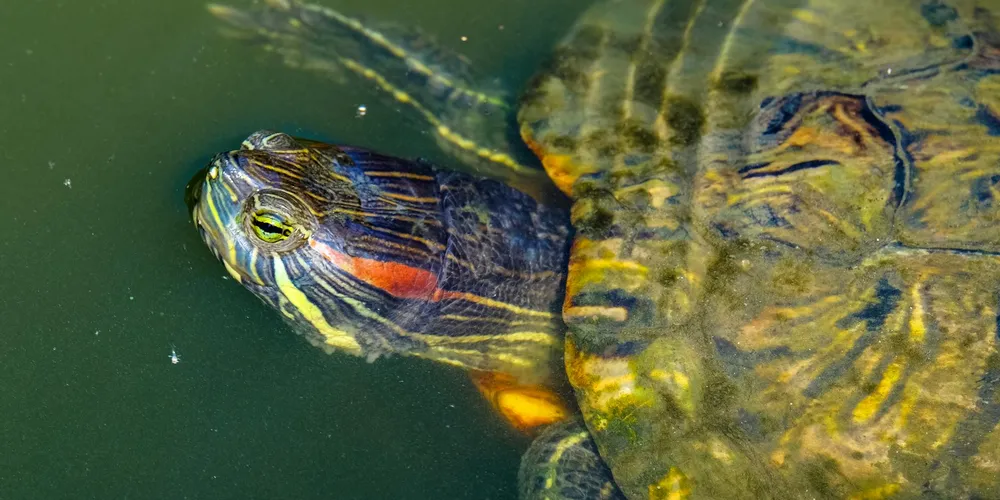
Seeing my turtles thrive in their enclosure, free from the threats their wild cousins face, solidifies the importance of proper husbandry. In captivity, we have the power to eliminate the biggest dangers they would face in nature. We control their water quality, their diet, and their safety from predators. This fundamental shift is what allows their lifespan to often double. So, why do turtles have long lifespans? In captivity, steady resources and protection from predators reduce stress and illness, helping them live longer than in the wild.
However, this extended life comes with a responsibility. A captive environment can introduce its own set of challenges if not managed correctly.
- Nutrition: A monotonous diet or one too high in protein can lead to shell deformities and organ damage over time.
- Habitat: Inadequate water filtration, incorrect temperatures, or a lack of proper basking areas create chronic stress, weakening their immune system.
- Healthcare: Access to a qualified reptile veterinarian is non-negotiable for addressing issues like respiratory infections or shell rot early.
This table illustrates the stark difference your care makes:
| Environment | Typical Lifespan | Primary Influencing Factors |
|---|---|---|
| In the Wild | 10 – 20 years | Predation, pollution, food scarcity, disease |
| In Your Care | 20 – 40+ years | Diet quality, habitat setup, veterinary care, overall husbandry |
The goal is not just a long life, but a life full of vitality, which is entirely achievable with attentive, informed care. Watching my own turtles explore and bask with such contentment is a daily reminder that our efforts directly translate into their well-being.
Key Factors That Shape Your Turtle’s Longevity
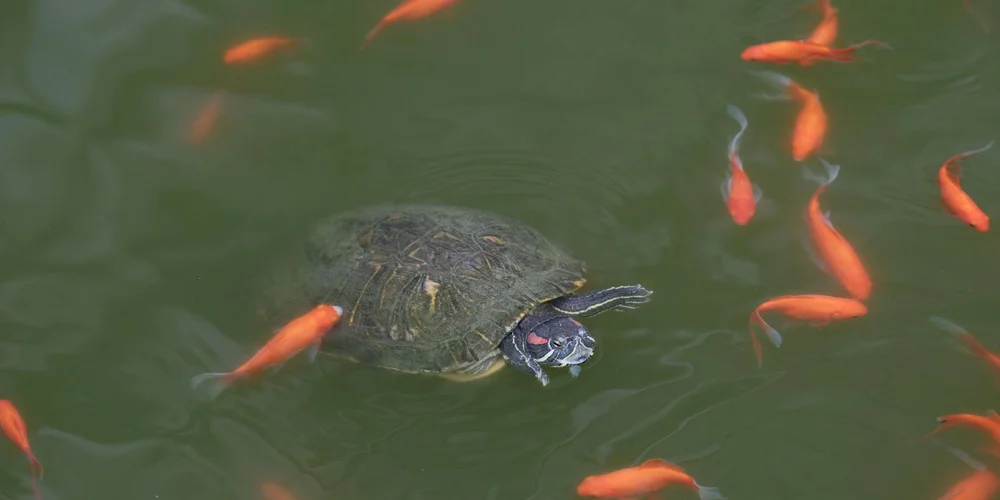
Creating a Thriving Habitat
Your turtle’s home is its entire world, and getting it right is the single biggest thing you can do for its lifespan. I’ve learned through trial and error that a cramped tank leads to a stressed, unhealthy turtle, so think big from the start. So, how much turtle tank size does your turtle truly need? In general, you want a tank large enough for swimming, basking, and clean water, with space for enrichment. An adult red-eared slider needs a minimum of a 100-gallon tank to swim and explore comfortably.
- Water Quality is Non-Negotiable: A powerful filter rated for double your tank’s volume keeps the water pristine, preventing shell rot and respiratory infections.
- Proper Temperature Zones: Maintain a warm basking area around 90-95°F and a water temperature of 75-80°F to support their metabolism and immune system.
- Safe, Sturdy Basking Spot: Provide a completely dry area where they can haul out and fully dry their shell, which is vital for preventing fungal growth.
The Role of Nutrition and Diet
Feeding a red-eared slider is not a one-size-fits-all routine; their needs change dramatically as they grow. I made the mistake of over-relying on commercial pellets with my first turtle, Orwell, before I understood the importance of a varied, age-appropriate diet. If you’re looking for a complete feeding guide for red-eared sliders, this is where you start. You’ll find what to feed, how often, and how to balance nutrients as they grow.
- Juveniles are Carnivores: Young turtles need a protein-heavy diet of turtle pellets, small fish, and insects to support rapid growth.
- Adults Shift to Herbivores: As they mature, their diet should transition to about 75% plant matter like leafy greens, aquatic plants, and vegetables to prevent obesity and organ strain.
- Variety is the Spice of a Long Life: Rotate their food options to ensure they get a full spectrum of vitamins and minerals, just as they would foraging in the wild.
Essential Lighting for Health and Long Life
Lighting is not just about seeing; it’s about fundamental biological processes. Proper lighting is as critical as clean water, directly impacting shell strength and overall vitality for decades.
- UVB Light is a Must: A dedicated UVB bulb is essential for your turtle to synthesize vitamin D3, which allows them to absorb calcium for a strong, healthy shell and bones.
- Replicate a Natural Day/Night Cycle: Use a timer to provide 12-14 hours of light followed by 10-12 hours of darkness to regulate their natural rhythms and reduce stress.
- Replace Bulbs Regularly: UVB output diminishes over time, even if the bulb still emits visible light. Replace your UVB bulb every 6-12 months to ensure its effectiveness.
Recognizing the Signs of a Healthy, Aging Turtle
As your turtle matures, you’ll notice subtle shifts, but a healthy aging process looks very different from sickness. Observing my own turtles, Austen and Bronte, as they’ve aged has taught me that consistent, calm behavior is one of the best indicators of good health. Not every signal is obvious—learn how to tell if your turtle is stressed and when to seek help. If you notice changes like reduced appetite, withdrawal, or erratic pacing, consult a reptile veterinarian promptly.
- Smooth, Firm Shell: The shell should be hard without any soft spots or flaking. Pyramiding (raised, pyramid-like scutes) often indicates a poor diet earlier in life.
- Clear, Bright Eyes: Their eyes should be open and alert, free of swelling or discharge. Sunken or constantly closed eyes can signal dehydration or illness.
- Strong, Consistent Appetite: An aging turtle will still show enthusiasm for food, even if its metabolism slows down slightly.
- Regular Basking: A turtle that regularly hauls out to dry off and warm up is a turtle managing its body temperature and shell health effectively.
Your Long-Term Commitment as a Turtle Guardian
Welcoming a red-eared slider into your home isn’t a casual hobby; it’s adopting a family member who will likely share decades of your life. You are signing up for a companion whose needs will evolve as dramatically as your own over the years. My own Russian tortoise, Austen, has been with me for a decade, and I’ve learned that their steady presence becomes a constant, grounding thread in the tapestry of your life.
The Reality of Multi-Decade Care
Red-eared sliders frequently live 20 to 40 years in captivity, with some surpassing 50 years with excellent care. This timeline means your turtle could be with you from your young adulthood well into middle age. Their lifespan will likely outlast cars, jobs, and even some friendships. You must plan for their care during your vacations, moves, and life’s unexpected turns. As they age, their care needs may change—watch for slower activity, appetite tweaks, and the value of routine veterinary checks. Planning for aging helps ensure your turtle can stay healthy and comfortable throughout a long life together.
- Plan for potential housing upgrades as they grow from a hatchling to a dinner-plate-sized adult.
- Consider who will care for them during extended travel or emergencies.
- Budget for veterinary costs that can arise over such a long period.
The Evolution of Daily Responsibilities
Your daily routine will permanently include turtle care. This isn’t a chore to resent, but a rhythm to embrace. The simple acts of feeding, tank cleaning, and observation become moments of quiet connection. I find checking on my turtles each morning provides a moment of calm before the day begins. It’s important to know how to care for your pet turtle properly to maintain that connection.
- Daily: Feeding a balanced diet, checking water temperature, and a quick visual health assessment.
- Weekly: Partial water changes and filter maintenance to keep their environment pristine.
- Monthly: A more thorough tank cleaning and equipment check.
Financial Planning for a Lifetime
The initial setup cost is just the beginning. You are making a long-term financial commitment. Proper care requires ongoing investment in high-quality food, electricity for heating and filtration, and a savings fund for veterinary care. Unexpected illnesses or injuries can happen, and being financially prepared is a non-negotiable part of responsible guardianship.
| Expense Category | Considerations |
|---|---|
| Habitat | Starting with a 75-gallon tank, upgrading potentially to 125+ gallons for an adult, plus filters, heaters, and basking platforms. |
| Consumables | High-quality pellets, fresh greens, occasional proteins, water conditioners, and replacement filter media. |
| Healthcare | Routine check-ups and an emergency fund for issues like shell rot or respiratory infections. |
| Utilities | Increased electricity usage from running powerful filters, water heaters, and basking lamps 24/7. |
Embracing this commitment fully means seeing your red-eared slider not as a pet, but as a legacy. The care you provide today shapes the quality of their entire, remarkably long life. It’s a profound responsibility, but also an incredibly rewarding one that teaches patience and consistency like few other relationships can.
FAQs
What is the lifespan of a female red-eared slider?
Female red-eared sliders typically live 20 to 40 years in captivity, similar to males, with no significant gender-based difference in longevity. Proper care, including a balanced diet and suitable habitat, is key to reaching this lifespan.
What is the lifespan of a red-eared slider in an outdoor enclosure?
In a well-designed outdoor enclosure, red-eared sliders can live 20 to 40 years, benefiting from natural sunlight and space. However, they require protection from predators, extreme weather, and water quality management to avoid shortened lifespans.
What is the lifespan of a red-eared slider in water?
Red-eared sliders are semi-aquatic and do not have a separate lifespan based solely on water; their overall lifespan in captivity ranges from 20 to 40 years. For ideal care in a tank, maintain the water at an optimal temperature (roughly 75–85°F / 24–29°C) and ensure a reliable filtration system. Maintaining clean, filtered water is essential to prevent health issues that could reduce their years.
What is the lifespan of a red-eared slider in a tank?
When kept in a properly sized and maintained tank, red-eared sliders often live 20 to 40 years, similar to other captive environments. Adequate space, filtration, and basking areas are critical to support their long-term health and vitality.
What is the size of the red-eared slider’s lifespan?
The size, or length, of a red-eared slider’s lifespan typically ranges from 20 to 40 years in captivity, with some exceeding 50 years under ideal conditions. This extended period reflects consistent care, including nutrition, habitat, and veterinary attention. For beginners, following a proper care plan is essential, as detailed in a red-eared slider turtle beginner’s guide. A good beginner’s guide covers habitat setup, diet, lighting, and routine health checks to help you provide the best care.
Ensuring a Long, Healthy Life for Your Red-Eared Slider
Red-eared sliders can thrive for 20 to 40 years or more when you provide a spacious aquatic habitat, balanced nutrition, and proper UVB lighting. Consistent care routines, like regular water changes and monitoring for health issues, make all the difference in extending their vibrant years.
Commit to this lifelong journey with patience and dedication, as responsible ownership means adapting to your turtle’s evolving needs over time. Stay curious and keep exploring reputable resources to deepen your understanding of pet turtle care, ensuring your shelled friend enjoys every moment by your side, especially when learning how to care for specific species like box turtles.
Further Reading & Sources
- Red-eared slider – Wikipedia
- Red-Eared Slider: A Common Pet and an Invasive Species
- Red-eared Slider | Oklahoma Department of Wildlife Conservation
- Red-Eared Slider – Trachemys scripta elegans | PetMD
Matthew is a dedicated turtle enthusiast and conservationist with over 15 years of experience in reptile care. Known affectionately as "The Leatherback" among his peers, he combines his passion for turtles with a commitment to educating pet owners on responsible turtle care and environmental stewardship.
Aquatic Turtles