
What Sounds Do Turtles Make? A Guide to Their Vocalizations
Published on: March 28, 2026 | Last Updated: March 28, 2026
Written By: Matthew The
If you’ve ever wondered whether the quiet turtle in your home is truly silent, you’re not alone in your curiosity.
Many turtle owners, including myself, start out assuming their shelled companions are the strong, silent type. I remember sitting with my first tortoise, Austen, for weeks, convinced he had nothing to say. It turns out, I just wasn’t listening carefully enough. The world of turtle sounds is subtle, nuanced, and absolutely fascinating once you learn to tune into it.
This guide will cover the types of sounds turtles make, what these vocalizations mean, how to identify them, and what unusual noises might signal a health concern.
An Introduction to Turtle Sounds
Many people assume turtles are silent, but they actually produce a variety of vocalizations. Curious about their vocal sounds? They can make a range of noises, from soft grunts to hisses, especially when stressed or excited. Hearing these sounds can be a delightful surprise that deepens your connection to your pet.
Common turtle noises include hissing, chirping, grunting, and squeaking. Each sound relates to their emotions or health, making them vital for attentive pet care. Understanding these vocalizations helps you respond appropriately to your turtle’s needs.
When my Russian Tortoise, Austen, first hissed, I worried something was wrong. Over time, I realized it was his way of saying, “Slow down, please!” Bronte, my Greek Tortoise, often chirps during her daily soak, a sound I now associate with pure contentment. These experiences show that turtle sounds are natural and part of their charming behavior.
If your turtle starts making noises, take a deep breath and observe. Most sounds are harmless and simply reflect their unique personalities. If you notice other unusual behaviors, consider using a quick why my turtle acting strange behavioral diagnostic checklist to help pinpoint potential causes.
Common Turtle Vocalizations and Their Meanings
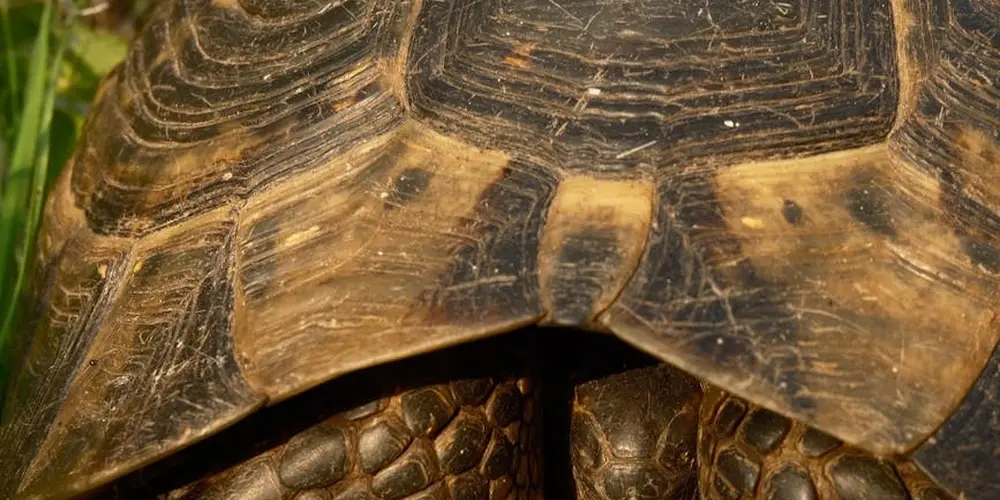
Here is a breakdown of typical turtle sounds and what they often signify:
- Hissing: This sound usually signals stress or discomfort, like when a turtle feels threatened. Austen hisses if I approach too quickly, reminding me to be gentle. Respect their space when you hear hissing to keep them calm and secure.
- Chirping: Chirping often indicates happiness or social interaction. Bronte chirps softly while exploring her habitat, a sign she’s enjoying her surroundings. This cheerful noise is a great indicator that your turtle feels safe and engaged.
- Grunting: Grunts can occur during physical exertion or mating behaviors. It’s common in social settings but watch for consistency. If grunting is frequent, check for respiratory issues to ensure your turtle’s health.
- Squeaking: Squeaking might happen during eating or if there’s minor discomfort. Orwell sometimes squeaks when nibbling on vegetables, which is usually harmless. Monitor this sound closely, as persistent squeaking could point to underlying problems.
From caring for Austen, Bronte, and Orwell, I’ve seen how vocalizations vary by individual. Paying attention to these sounds along with other body language cues fosters a happier, healthier life for your turtle.
Species-Specific Turtle Noises
Every turtle species has its own acoustic personality, much like my own shelled companions.
Box turtles, like my reserved Orwell, are often the quietest members of the turtle world. They rarely vocalize, but when startled, they might produce a soft, airy hiss as they retreat into their shell.
Red-eared sliders are far more expressive.
- They make clicking and squeaking noises, especially during feeding time.
- You might hear a soft “peep” when they are exploring or interacting with tank mates.
- Their vocal range is surprisingly broad for an aquatic turtle.
Snapping turtles are the powerhouse vocalists.
- They produce deep, guttural hisses when feeling threatened.
- This sound is often accompanied by an open-mouthed display.
- It is a clear and unmistakable warning to keep your distance.
Land tortoises, like my Russian and Greek tortoises Austen and Bronte, have their own sounds.
Austen makes a quiet, raspy exhalation when he is particularly determined to climb over an obstacle. Bronte, being more graceful, is nearly silent except for the gentle scraping of her shell.
Freshwater turtles often use water as a medium for sound.
- You might hear bubbly exhalations as they surface for air.
- Soft clucks and croaks can sometimes be heard during social interactions.
- The sound of their claws on rocks or glass adds a percussive element to their presence.
Why Turtles Hiss and Make Other Sounds

A turtle’s hiss is one of the most common sounds you will hear, but its meaning can vary.
The most frequent reason for a hiss is simple defense; it is not a vocalization but the sound of air being rapidly expelled from the lungs as the turtle pulls its body into its shell. This sudden noise can startle a potential predator, giving the turtle a precious extra second to retreat to safety.
Hissing can also play a role in courtship and mating behaviors.
- Some male turtles will hiss as part of a mating display to impress a female.
- The sound can be part of a larger suite of behaviors, including head bobbing and shell nudging.
- It is a way to communicate intent and establish presence.
Turtles use other vocalizations for very specific purposes.
Distress calls are high-pitched and urgent. If you hear a sharp, repetitive squeak from your turtle, it is a clear signal that something is wrong and requires your immediate attention. Mating calls, on the other hand, are often lower in pitch and more rhythmic, designed to attract a partner.
Research into turtle communication reveals they are far from silent.
- Studies have documented over a dozen distinct vocalizations in some species.
- These sounds are used for coordinating group movements, especially in aquatic environments.
- Mother turtles may even communicate with their hatchlings using soft clucking sounds.
Interpreting these sounds is a vital part of responsible animal welfare.
Always observe the context of the sound. A hiss during handling means your turtle is scared, and you should give it space. Learning to differentiate between a contented exploration noise and a panicked distress call is one of the most important skills a turtle keeper can develop. Your careful listening ensures your pet feels safe, understood, and well-cared for.
How to Interpret and Respond to Your Turtle’s Sounds

Learning to understand your turtle’s vocal cues is a skill that deepens with time and quiet observation. I’ve found that the context of the sound is often more telling than the sound itself. A hiss when you reach into the tank is very different from a hiss when your turtle is alone in its basking spot. If you notice signs of stress, it may be time to adjust the setup or seek help. Knowing how to tell if your turtle is stressed can guide you toward quick, calm actions.
Identifying Distress vs. Normal Sounds
Follow these steps to figure out what your turtle is telling you.
- Observe the situation. What is happening right now? Is your turtle eating, being handled, or resting?
- Listen to the sound’s quality. Is it a soft, rhythmic clicking or a strained, gurgling noise?
- Watch their body language. Are their limbs relaxed or pulled in tight? Are their eyes bright and alert?
- Check for consistency. Does the sound happen every time they do a specific activity, or is it new and unusual?
My Greek tortoise, Bronte, makes a gentle, breathy sigh when she settles into her favorite hide for the night. That’s a normal, content sound, completely different from the sharp, sudden hiss my Russian tortoise, Austen, makes if I surprise him. One indicates peace, the other signals a startle.
When to Seek Veterinary Care
Some sounds are a clear call for professional help. You should contact your veterinarian immediately if you hear any of the following.
- Wheezing, whistling, or crackling sounds while breathing, especially with bubbles at the nose or mouth.
- A persistent, wet-sounding gurgle that occurs even when your turtle is at rest.
- Any vocalization paired with lethargy, loss of appetite, or swimming lopsidedly.
I once heard a faint, repetitive clicking from my box turtle, Orwell, that wasn’t related to eating. It turned out to be a minor respiratory infection that needed treatment; catching it early made all the difference.
Creating a Calm Environment
Many stress-related noises can be reduced by making your turtle’s home a sanctuary.
- Provide plenty of hiding spots and visual barriers so they can feel secure.
- Ensure their temperature gradient is perfect, with a proper basking area and a cooler zone.
- Place their enclosure in a low-traffic part of your home to minimize sudden loud noises and vibrations.
A calm turtle is often a quiet turtle, and providing that security is a fundamental part of responsible animal welfare.
Bonding with Your Turtle Through Sound Understanding

When you start to recognize the little sounds your turtle makes, your relationship transforms. You’re no longer just a caregiver; you become a fluent listener in their quiet world. This attentive listening is the heart of a strong bond and excellent animal welfare.
Using Sound to Strengthen Your Relationship
Knowledge of their sounds lets you interact with them on their own terms.
- If you know your turtle makes a happy clicking sound during feeding, you can talk to them in a soft voice as you prepare their food, associating your presence with a positive experience.
- Notice if they vocalize when you enter the room. Acknowledging that sound with a gentle word can build a connection.
I’ve learned that Austen perks up and becomes more active when I hum softly while cleaning his enclosure; it’s our little ritual.
Mimicking Turtle Vocalizations
While you can’t perfectly replicate their sounds, you can engage them with your own voice.
- Try making soft, rhythmic “tsk” or clicking sounds with your tongue when you are near them during calm moments.
- Use a consistent, gentle tone of voice when you interact with them. They may not understand the words, but they will recognize the friendly cadence.
The goal isn’t to have a conversation, but to show you are a non-threatening part of their environment.
Improving Daily Care Routines
This understanding directly improves how you care for them every single day.
- Recognizing a specific “I’m hungry” chirp from Orwell helps me time his feedings perfectly.
- Hearing the contented sigh as Bronte slips into her water dish tells me the temperature is just right.
Your turtle’s vocalizations are a continuous, gentle guide to their health and happiness, making you a more intuitive and effective caretaker. Understanding their anatomy and health helps you listen more effectively to these subtle cues.
FAQs
Can turtles hear and respond to human voices?
Turtles can detect sounds and vibrations, including human voices, through their internal ears. Do turtles have ears? They have internal ears and no visible external ears, but they can hear a range of sounds and vibrations. They may associate your voice with routines like feeding, which can help build trust over time.
Do all turtle species make the same types of sounds?
No, vocalizations vary by species due to differences in habitat and behavior. For instance, aquatic turtles often produce bubbly or clicking noises, while land tortoises tend to be quieter with occasional hisses. These sounds are part of how turtles perceive their surroundings, complementing their vision and tactile senses. In addition, they rely on smell and other cues to navigate and detect threats.
What should I do if my turtle suddenly stops making sounds?
Monitor your turtle for other signs of stress or illness, such as reduced activity or appetite. These signs can help you decide when a veterinary visit is needed. If silence persists with behavioral changes, consult a veterinarian to rule out health issues.
A Final Note on Your Turtle’s Voice
Pay close attention to the subtle sounds your turtle makes, as each hiss or click can reveal their comfort or stress levels. From my time with Bronte, her gentle, rhythmic noises during feeding always signaled contentment, guiding me to replicate those positive conditions consistently. These cues form the foundation for training and bonding with your pet turtle. With patience, you can use them to strengthen trust through daily, gentle routines.
Commit to providing a habitat that respects their natural behaviors and promotes their vocal expressions safely. Continuous learning about species-specific needs, like those of my Russian tortoise Austen, ensures you become a more attentive and compassionate caretaker over time.
Further Reading & Sources
- Turtle Vocalizations Reframe Origins of Auditory Communication | The Scientist
- Turtle Vocalizations as the First Evidence of Posthatching …
- Turtle vocalizations – YouTube
- Singing sea turtles among dozens of vocal animal species once thought to be silent – CBS News
Matthew is a dedicated turtle enthusiast and conservationist with over 15 years of experience in reptile care. Known affectionately as "The Leatherback" among his peers, he combines his passion for turtles with a commitment to educating pet owners on responsible turtle care and environmental stewardship.
Understanding Turtle Behavior