
Turtle Tail Positions and What They Reveal About Mood and Health
Published on: January 15, 2026 | Last Updated: January 15, 2026
Written By: Matthew The
Have you ever spotted your turtle’s tail in a curious pose and wondered if it’s a sign of stress or illness? Tail positions act as quiet cues to your pet’s emotional and physical state, something I’ve learned from years of observing my own turtles, like Austen and Bronte.
We’ll cover tail positions and their meanings, mood indicators, health red flags, and responsive care tips to support your turtle’s well-being.
Reading the Tail’s Language
A turtle’s tail is a subtle but powerful communication tool. While they don’t bark or purr, their tail posture offers a clear window into their emotional world. Learning this silent language helps you build a deeper, more responsive bond with your shelled companion.
I’ve spent countless hours observing my own turtles-Austen, Bronte, and Orwell. Over the years, I’ve seen how a slight shift in tail angle can signal a complete mood change. Their tails speak volumes about feelings of security, curiosity, and even discomfort.
Here are common tail positions and their general emotional meanings:
- Loose and Relaxed: The tail rests naturally against the plastron or substrate. This is the baseline for a content, unstressed turtle. I often see Austen like this during his morning basking sessions.
- Raised and Curled: The tail lifts slightly, sometimes with a gentle curve. This often indicates alertness and curiosity. Bronte does this when I bring her fresh dandelion greens.
- Tucked Tightly: The tail is pressed firmly against the body, almost hidden. This is a classic sign of fear, stress, or feeling threatened. Any sudden movement can trigger this posture.
- Stiff and Straight: The tail is held rigidly out, often during confrontations. This is a display of aggression or dominance, most common in males.
- Constant Flicking or Twitching: Repetitive, sharp movements can signal irritation, pain, or a serious health issue that needs immediate attention.
Normal vs. Abnormal Tail Postures
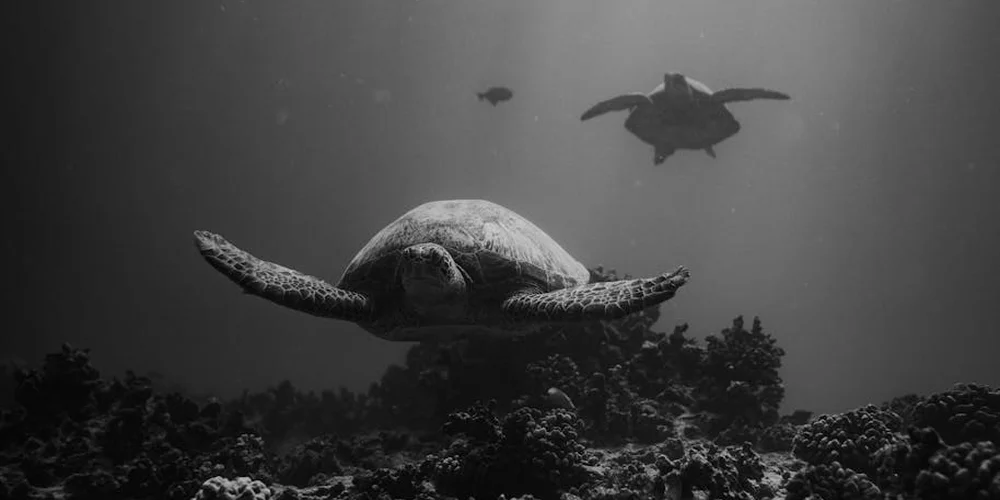
A healthy, relaxed turtle carries its tail in a natural, unforced position. For my Russian tortoise Austen, this means his tail rests comfortably to the side when he’s walking. A normal tail posture looks effortless and is part of their overall calm body language.
Abnormal postures, however, are a clear signal that something is wrong. A tail tucked so tightly it seems to disappear is a major red flag for distress. Constant, frantic tail flicking is not a normal behavior and often points to pain or severe irritation. I once noticed Orwell holding his tail at an odd, stiff angle and it turned out he had a minor cloacal irritation that needed care.
Here is a comparison of healthy versus concerning tail cues:
- Healthy: Tail rests loosely against the leg or shell.
- Concerning: Tail is constantly tucked and hidden from view.
- Healthy: Tail lifts briefly during exploration or defecation.
- Concerning: Tail is held stiff and straight for prolonged periods.
- Healthy: Tail moves gently with the turtle’s walking rhythm.
- Concerning: Tail exhibits jerky, repetitive twitching or flicking.
Always observe the context. A tucked tail during handling is normal, but a tucked tail in their own familiar habitat suggests a problem. Your careful observation is their first line of defense for health and wellbeing.
Tail Position and Health Indicators
A turtle’s tail can be a surprisingly honest barometer of their internal state. I’ve learned that a tail held stiffly away from the body, especially if it seems to drag or isn’t retracted properly, often signals discomfort or even pain. It’s a sign I’ve seen in my own tortoise, Orwell, when he was feeling unwell. If you notice similar tail cues, it’s wise to consider a visit to the veterinarian for a check-up. Early evaluation can help catch problems before they worsen.
Dehydration can also manifest in tail posture. A turtle that is lethargic and has a limp, flaccid tail might be severely dehydrated. This posture, combined with sunken eyes, is a clear cue that your turtle needs immediate attention and hydration.
You can learn a lot by connecting tail position to daily rhythms. A turtle that usually holds its tail with a gentle, relaxed curve but suddenly tucks it tightly and shows no interest in food is telling you something is wrong. A tucked tail with a loss of appetite and low energy is a classic combination that demands a closer look.
Steps for a Basic Health Check Using Tail and Posture
- Observe your turtle from a distance first. Note the tail’s default position-is it relaxed, tucked, or stiff?
- Gently lift your turtle. A healthy turtle will often retract its tail snugly against its shell. A tail that remains limp or hangs loosely can be a red flag.
- Check the tail itself. Look for any swelling, discoloration, or injuries. The skin should be smooth, not flaky or sore.
- Feel the base of the tail near the shell. It should feel firm, not puffy or unusually soft, which could indicate impaction or other issues.
- Watch how your turtle moves. A tail that drags or isn’t used for balance during walking can point to weakness or neurological problems.
Gender and Species Variations
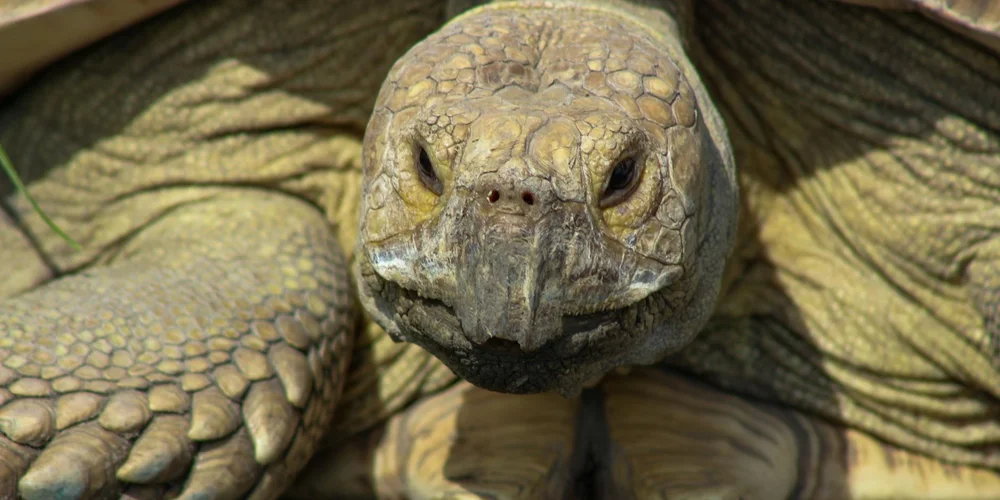
Male Turtle Tail Postures
Male turtles typically have longer, thicker tails than females, housing their reproductive organ. A male’s tail is often seen curled to the side or resting prominently outside the shell, which is completely normal and not a sign of distress. My Russian tortoise, Austen, often rests with his tail in this relaxed curl. From a shell biology perspective, the tail is connected to the spine and the muscles that anchor to the carapace. The shell’s carapace and plastron frame these connections and can influence how the tail sits or moves.
During feeding or territorial displays, you might see more active tail movement. A male may wag or vibrate his tail rapidly when he’s excited about food or when asserting dominance, a fascinating behavior to witness. This is part of their natural communication.
Female Turtle Tail Postures
Female turtles generally have much shorter, finer tails that often remain tucked discreetly against their plastron. You’ll rarely see a female’s tail unless she is stretching or defecating, as its primary function is related to egg-laying. My Greek tortoise, Bronte, keeps her tail neatly hidden most of the time.
Changes in a female’s tail posture can be significant. If a female is repeatedly extending her tail and straining, she may be gravid (carrying eggs) and seeking a nesting site, which can be a stressful time for her. Providing a suitable laying area is crucial for her welfare.
Aquatic vs. Terrestrial Differences
The environment dramatically shapes how a turtle uses its tail. For aquatic turtles, the tail often acts as a subtle rudder, aiding in steering and stability while swimming, so you’ll see it more actively involved in movement compared to terrestrial turtles, which are less influenced by environmental factors like weather and barometric pressure.
Land turtles, like my tortoises, use their tails more for balance on uneven terrain and for protective retraction. A terrestrial turtle will tuck its tail tightly to prevent injury and conserve moisture, while an aquatic turtle’s tail is almost always exposed and functional in the water. The environment dictates its purpose.
Assessing Tail Posture During Handling and Care
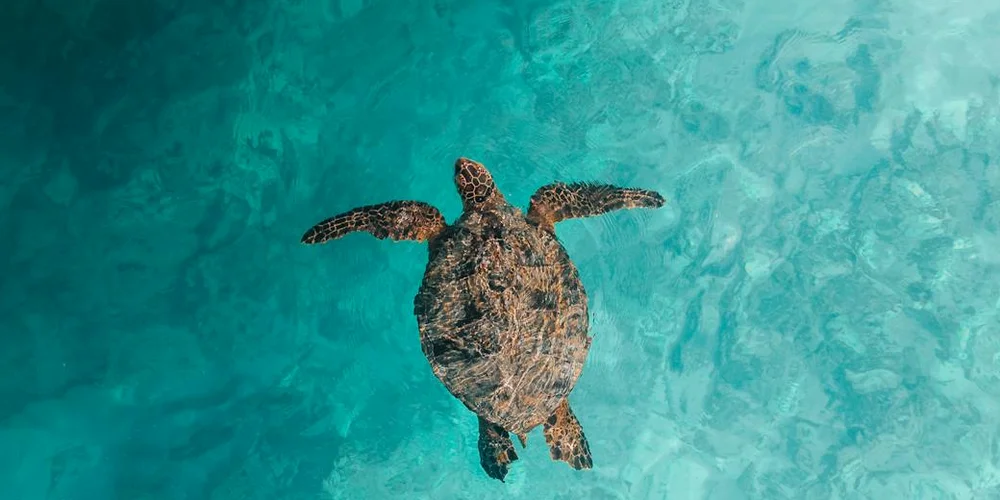
Watching your turtle’s tail during handling offers a window into their well-being. I’ve spent countless hours with my Russian Tortoise, Austen, and learned that a calm approach reveals true behaviors. Gentle observation helps you spot subtle health clues without causing distress. Most critical health issues in turtles are best spotted through regular, careful watching, so your routine matters. Early detection often comes from noticing changes in activity, appetite, or shell and skin condition.
- Wash and dry your hands thoroughly to prevent spreading germs or oils.
- Lift your turtle with both hands, cradling the shell to provide full support.
- Hold them at a comfortable height, allowing natural tail movement without restraint.
- Check if the tail is tucked tightly, loosely draped, or actively twitching.
- Gently stroke near the tail base and note any retraction or relaxation responses.
Look for smooth, fluid tail motions-this often means your turtle feels at ease. Stiffness or lack of flexibility can signal pain or illness, like I’ve seen with Orwell when he had a minor shell issue. If the tail pulls in sharply at touch, it might indicate fear or discomfort. These cues are part of the ultimate turtle health troubleshooting checklist, from shell to tail. They should be considered alongside other indicators like appetite and activity to catch issues early.
- Keep handling sessions under five minutes to reduce anxiety.
- Speak in a soft, steady voice to create a soothing atmosphere.
- Avoid loud noises or quick movements that startle your pet.
Minimizing stress ensures you get honest behavioral cues, not reactions to fear. Over the years, I’ve found that Bronte’s tail stays relaxed when I handle her slowly, mirroring her graceful nature.
Environmental Influences on Tail Position
Your turtle’s tail posture is deeply tied to their habitat conditions. Temperature and humidity shifts can make tails curl or stiffen, as I’ve observed with Austen in cooler weather. Optimal environments encourage natural, healthy tail behaviors that reflect comfort, including maintaining “proper humidity levels” in a terrestrial turtle habitat.
In low temperatures, turtles often tuck their tails close to conserve body heat. High humidity helps keep skin and scales flexible, preventing tail dryness or irritation. When Bronte’s habitat humidity drops, her tail tends to look more rigid, a clear sign she needs adjustment. Stress from poor conditions might cause prolonged tail clamping, while a relaxed, extended tail suggests everything is just right.
- Maintain a basking area between 85-95°F for warmth-seeking behaviors.
- Keep humidity levels around 50-70% for species like Greek Tortoises.
- Provide a shallow water dish for hydration and tail soaking.
- Ensure hiding spots are available to reduce environmental stress.
- Use a digital thermometer and hygrometer for accurate monitoring.
Regularly tweaking your turtle’s home supports their overall health and tail vitality. I’ve seen Orwell’s tail uncurl beautifully after adjusting his box turtle enclosure to include more moist substrate, aligning with his reserved but intelligent personality. That approach echoes what you’ll find in Setting It Straight: 9 Turtle Habitat Myths That Could Hurt Your Pet. By debunking those myths, you can focus on real needs like proper humidity, substrate, and space.
Lifespan and Tail Position Changes
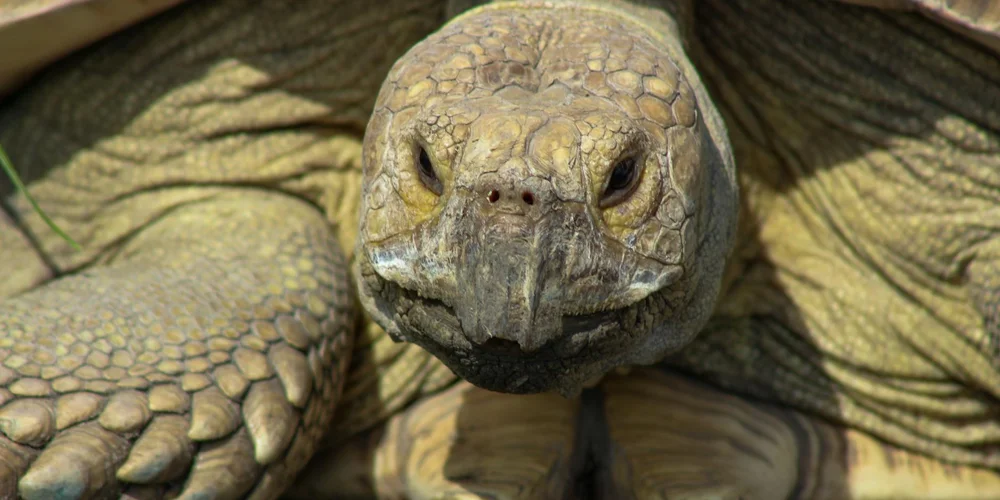
Over the years with my own shelled companions, I’ve watched their tail postures subtly shift, much like our own body language evolves from childhood to our senior years. Aging brings a natural, gradual relaxation in muscle tone, which can affect how a turtle carries its tail. Color changes on the skin and shell can accompany these posture shifts, offering additional clues to a turtle’s mood or stress level. By paying attention to both color and posture, we can deepen our understanding of turtle body language and coloration cues.
Normal Tail Posture Evolution
Young, hatchling turtles often keep their tails tucked very tightly against their bodies for security. As they mature into confident juveniles and adults, you’ll typically see the tail relax into a more neutral, slightly extended position when they are calm and walking. My Russian tortoise, Austen, used to keep his tail clamped down constantly as a youngster, but now it rests comfortably behind him as he patrols his enclosure.
Differentiating Normal Aging from Health Concerns
It’s vital to distinguish between comfortable, age-related changes and postures that signal underlying problems.
- Normal Change: A senior turtle may let its tail rest more loosely on the ground when stationary. There’s no sign of strain or discomfort.
- Potential Health Issue: A sudden, persistent droop or drag in a tail that was previously held aloft can indicate weakness, nerve issues, or metabolic bone disease. This was an early sign with my box turtle, Orwell, that prompted a vet visit.
- Normal Change: Slightly less frequent or vigorous tail wagging during exploration is common in older, more sedate turtles.
- Potential Health Issue: A tail that is constantly held at a sharp, awkward angle or seems stiff and immobile could point to arthritis or a past injury.
Monitoring Tail Health Through Life Stages
Staying observant is the best gift you can give your turtle throughout its long life.
- Hatchling & Juvenile Stage: Focus on establishing a baseline. Note how your young turtle typically holds its tail when active, eating, and sleeping.
- Adult Stage: Watch for consistency. An adult turtle’s tail posture should be relatively stable during its prime years, only changing with clear mood shifts.
- Senior Stage: Increase your observational frequency. Gently feel the base of the tail and the shell above it during handling for any unusual lumps, bumps, or signs of tenderness. Gentle, regular checks help you spot subtle changes that warrant a professional opinion.
FAQs
What does tail posture indicate about a turtle’s health?
Tail posture can signal underlying health issues such as pain or dehydration. A stiff, dragging tail or a limp, flaccid one often points to discomfort or illness that requires attention.
How does tail posture differ between aquatic and terrestrial turtles?
Aquatic turtles use their tails actively as rudders for steering in water, so their tails are often exposed and functional. Terrestrial turtles typically tuck their tails tightly for protection and moisture conservation on land.
Can tail posture indicate stress or discomfort in turtles?
Yes, a tightly tucked tail is a common sign of fear or stress in turtles. Constant tail flicking or stiffness can also indicate discomfort or irritation that may need addressing.
Your Turtle’s Tail: A Window to Their Well-Being
From my time with Austen, Bronte, and Orwell, I’ve seen how tail positions offer quick clues to their moods and health, helping you act fast when something seems off. If you’re wondering how to tell if your turtle is sick, these cues can help you spot trouble early. By regularly observing these small details, you can prevent minor issues from turning into serious health concerns for your turtle.
Caring for a turtle is a lifelong commitment that thrives on your curiosity and dedication to their unique needs. Stay engaged with reliable resources and fellow enthusiasts to keep growing as a compassionate, informed turtle guardian. Explore this care turtles essential guide for housing, diet, and health. Whether your turtle is land- or water-dwelling, this guide supports you.
Further Reading & Sources
- A snapping turtle takes a defensive posture | Colorado Arts & Sciences Magazine Archive | University of Colorado Boulder
- Posture And Your Health: How To Fix Turtle Neck | Cedar Chiro
- Turtle Neck Syndrome: Causes, Solutions | South Van Physio
- Turtle Posture and Chiropractic –
Matthew is a dedicated turtle enthusiast and conservationist with over 15 years of experience in reptile care. Known affectionately as "The Leatherback" among his peers, he combines his passion for turtles with a commitment to educating pet owners on responsible turtle care and environmental stewardship.
Signs of Illness