
How to Determine the Age of a Snapping Turtle
Published on: April 4, 2026 | Last Updated: April 4, 2026
Written By: Matthew The
Have you ever spotted a snapping turtle and wondered just how many seasons it has weathered? You might be concerned about accurately guessing its age without causing it any harm or stress.
In this guide, we’ll cover: counting growth rings, measuring shell size, and noting physical and behavioral cues.
Introduction to Snapping Turtle Age Estimation
Knowing your snapping turtle’s age helps you provide the right diet, habitat size, and health care as they grow. Age directly impacts their nutritional needs and space requirements, ensuring they thrive in your care.
I’ve watched my Russian tortoise, Austen, slowly develop over a decade, and those subtle shell changes taught me to spot growth patterns in all turtles. Observing Austen’s steady growth reminded me how patience reveals age clues without invasive methods.
Estimating age can feel challenging, but gentle handling keeps your turtle calm and safe during inspections. Always prioritize your turtle’s comfort to make age checks a stress-free experience for both of you.
Key Methods for Estimating Snapping Turtle Age
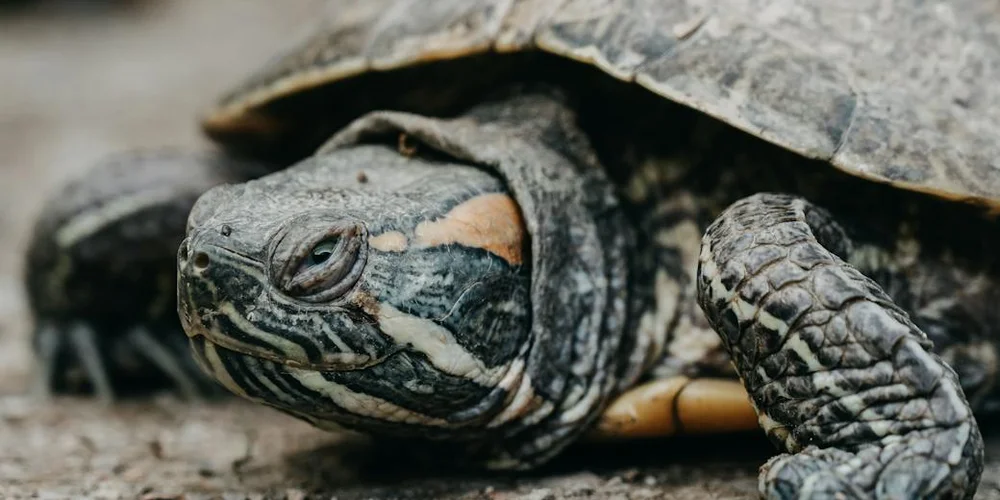
Start by counting growth rings, called annuli, on the scutes of the carapace. Annuli appear as raised rings and can give a rough age estimate, though they’re not always precise.
- Gently hold your turtle and examine the top shell under good light.
- Look for concentric rings on each scute; count the darkest, most defined ones.
- Record the average number across several scutes for better accuracy.
Use this simple size-age guide as a reference, but remember individual growth varies. Snapping turtles grow rapidly in early years, slowing down as they age. For box turtles, a size growth guide can help you estimate adult size and growth pace. Box turtles typically grow slowly, with most growth occurring in the first few years and continuing at a much slower rate thereafter.
- Hatchling (0-1 year): 2-4 inches shell length
- Juvenile (1-5 years): 5-8 inches shell length
- Sub-adult (5-15 years): 9-12 inches shell length
- Adult (15+ years): 13+ inches shell length
Observe shell wear, plastron smoothness, and behavior shifts for additional clues. Older turtles often show more eroded shell edges and a calmer demeanor. A visual guide to shell damage can help you interpret these signs. This quick reference distinguishes normal wear from potential injury or illness.
- Check for scratches or dullness on the shell, indicating years of activity.
- Feel the plastron; younger turtles have smoother undersides.
- Note if your turtle is less active or more territorial with age.
In my experience, inspecting shells like Orwell’s box turtle taught me to look for consistent ring patterns and avoid misreading scars. I always double-check annuli in natural light to reduce errors and ensure my turtles aren’t handled too long.
Factors Affecting Age Estimation Accuracy
-
Temperature plays a huge role in how fast snapping turtles grow. Warmer environments speed up their metabolism, leading to more rapid growth and potentially misleading age estimates from shell rings. Seasonal growth cycles mean turtles add visible rings during active months, but cold spells can pause this process entirely. I’ve noticed with my own turtles, like Austen, that consistent warmth in their habitat keeps their growth steady, unlike the unpredictable patterns in the wild.
-
Wild and captive turtles grow at different rates due to food availability and safety. Captive ones, such as Bronte my Greek Tortoise, often bulk up faster with regular meals and fewer threats. In the wild, scarce resources and predators can stunt growth, making age guesses less reliable without considering their harsh realities. This difference reminds me how vital it is to adjust expectations based on their living conditions. This ties into turtle lifespan and aging—growth rate isn’t the whole story. The environment and care they receive can influence how long they live and how they age.
-
Age estimation methods have clear limits-shell ring counts can be thrown off by injuries, illness, or uneven growth. I always advocate for gentle, non-invasive checks to avoid stressing these sensitive creatures. From handling Orwell, I’ve learned that patience and observation beat any rough measurement, keeping their welfare front and center.
Life Stages of Snapping Turtles

-
Hatchlings are tiny, often just 1-2 inches long, with soft shells and a skittish nature. They need secure hiding spots and a diet rich in protein to thrive, much like how I carefully nurtured Orwell when he was young. Their behavior is all about survival-quick to retreat and reliant on warmth for energy.
-
Juveniles show rapid growth, with shells hardening and patterns becoming more defined. You’ll see them double in size within a year if conditions are right, echoing the steady progress I’ve watched in Bronte over time. Physical changes include longer tails and more pronounced beak shapes, signaling their transition toward adulthood.
-
Adults reach impressive sizes, up to 18 inches or more, with mature traits like broader shells and breeding readiness. They can display aggression when threatened, so handle them with calm respect to avoid those powerful snaps. Their sturdy build and confident movements reflect the resilience I admire in all turtles.
-
Elderly turtles slow down noticeably, with worn shells and possible joint stiffness. Special care involves softer foods and easy-access habitats to support their comfort in later years. Watching Austen age has taught me to prioritize gentle routines and regular health checks for their lasting well-being. In senior turtle care, adjusting diet and habitat is essential as aging reshapes their needs. Soft textures, smaller portions, and easy-access enclosures help aging pets stay comfortable.
Snapping Turtle Lifespan and Growth Patterns
-
In the wild, snapping turtles typically live 30 to 40 years due to predators, habitat loss, and environmental challenges. Do snapping turtles live to old ages? They can, especially under careful husbandry in captivity. Under proper captive care, they can thrive for over 50 years, with some reaching 70 years or more in ideal conditions. This extended lifespan in captivity stems from consistent food, protected environments, and reduced threats.
-
Growth rates slow significantly as snapping turtles age, with the most rapid increases happening in their first 5 to 10 years. Factors like diet quality, water temperature, and enclosure size play huge roles—for example, a protein-rich diet in youth supports shell development, but overfeeding can lead to health issues later. Genetics and overall health also influence how quickly they reach maturity, usually around 10 to 15 years old. These growth patterns and final size also influence the turtle’s lifespan. Under favorable conditions, a larger size can be associated with a longer lifespan.
-
From my years caring for turtles like Orwell, my box turtle, I’ve noticed that long-term commitment to clean water and varied nutrition directly impacts vitality and growth consistency. Regular monitoring helps catch slowdowns early, ensuring your turtle ages gracefully without unnecessary stress. Investing in a spacious habitat from the start pays off in their overall well-being.
Practical Tips for Age Estimation in Pet Care
-
Always prioritize safety by observing your snapping turtle from a distance to avoid bites or stress. Use tools like a soft net or wear thick gloves if handling is necessary, and limit interactions to essential health checks. This quick guide, Are Snapping Turtles — Behavior Facts Safety Guide, offers practical safety tips. Knowing these behavior facts supports safety for you and the turtle. Look for age clues in shell smoothness, size, and behavior changes over time without disturbing their routine.
-
Ethical care means putting your turtle’s welfare first-never guess age based on rough handling. If you need precise age details, consult a reptile veterinarian who can use methods like X-rays or skeletal assessments for accuracy. This approach respects their natural instincts and prevents harm.
-
I once misjudged a turtle’s age by assuming a small size meant youth, only to learn it was an older individual with a slow growth history. That mistake taught me to blend observation with humility, and now I always double-check with an expert before drawing conclusions. It’s a fun reminder that every turtle has its own story!
FAQs
How does weight help in estimating a snapping turtle’s age?
Weight can offer a rough age indicator, as snapping turtles typically gain mass steadily over time. However, diet and health variations mean it should complement other methods like shell size for better accuracy.
Is there a reliable age chart based on weight for snapping turtles?
No standardized weight chart exists due to individual growth differences, but general trends show juveniles under 5 years often weigh 1-5 pounds. Adults may range from 10-35 pounds, though habitat and nutrition heavily influence these numbers.
What genus do snapping turtles belong to?
Snapping turtles are classified under the genus Chelydra, with Chelydra serpentina being the most common species. This taxonomic detail doesn’t alter age estimation techniques, which focus on physical characteristics like shell rings.
Are snapping turtles in Georgia aged differently?
No, age determination methods for snapping turtles are universal and apply equally in Georgia. Local environmental conditions might affect growth rates, but the core approaches remain consistent across regions. For a complete visual guide to determine your turtle’s age, see our step-by-step visual guide.
Do snapping turtles become more aggressive with age?
Yes, older snapping turtles often exhibit heightened aggression as they become more territorial and defensive. Proper handling and respect for their space are crucial to avoid incidents as they mature. Understanding snapping turtle behavior can help in managing their aggression effectively.
Your Snapping Turtle’s Age Journey
To estimate your snapping turtle’s age, combine scute ring counts with size observations for a more reliable picture. Scutes are the keratin plates that make up a turtle’s shell and protect it as it grows. They also show growth rings that some use to gauge age, though their primary function of scutes is protection rather than precise aging. Always handle your turtle with care, as gentle methods reduce stress and yield better results.
From my years with tortoises like Austen, I’ve learned that responsible pet ownership means committing to lifelong learning about their unique needs. Keep exploring turtle care resources to provide a safe, enriching home for your snapping companion.
Further Reading & Sources
- Common snapping turtle – Wikipedia
- Snapping Turtle Age by Size Chart (Common and Alligator)
- r/reptiles on Reddit: How old is this snapping turtle? Can you tell by its size?
- How To Determine The Age Of Snapping Turtles – Sciencing
Matthew is a dedicated turtle enthusiast and conservationist with over 15 years of experience in reptile care. Known affectionately as "The Leatherback" among his peers, he combines his passion for turtles with a commitment to educating pet owners on responsible turtle care and environmental stewardship.
Understanding Turtle Behavior