
Basic Turtle Anatomy: A Simple Guide for Curious Owners
Published on: May 28, 2026 | Last Updated: May 28, 2026
Written By: Matthew The
Are you puzzled by your turtle’s unique body and worried you might miss signs of health issues? I’ve been there too, watching my tortoises Austen and Bronte, and learning how their anatomy affects their daily lives.
In this article, we’ll cover the shell, limbs, head, internal systems, and common health checks.
The Turtle’s Shell: Structure and Protection
Carapace and Plastron: The Two Main Parts
Imagine your turtle’s shell as a sturdy, two-part suit of armor that keeps them safe. The carapace forms the curved top, while the plastron is the flat bottom plate, and together they encase the turtle’s body like a protective box. In my years with tortoises like Austen and Bronte, I’ve seen how these parts fit snugly, allowing them to retreat fully when startled.
- Carapace: The dorsal (back) section, often dome-shaped for defense.
- Plastron: The ventral (belly) part, which can be hinged in some species for better closure.
Each part has a unique role, but they’re fused along the sides, creating a rigid structure. You can gently feel the seam where they meet, but always handle your turtle with care to avoid stress. I recall how Orwell’s box turtle shell has a slight flexibility, which helps him navigate tight spaces in his enclosure.
Shell Composition: Bones and Scutes
The shell isn’t just a covering-it’s part of the turtle’s skeleton, made of bone fused with the spine and ribs. Over this bony layer, scutes, which are keratin plates similar to your fingernails, provide an extra shield. These scutes can wear down or grow, and in healthy turtles, they have a smooth, patterned appearance.
- Bone layer: Living tissue with blood vessels and nerves.
- Scutes: Protective outer covering that sheds occasionally.
When I check Bronte’s shell during cleaning, I look for even scute growth as a sign of good health. Proper nutrition and UV light help maintain strong bones and scutes, preventing deformities. Always provide a balanced diet and habitat to support this vital structure.
Do Turtle Shells Bleed?
Yes, turtle shells can bleed if injured, because the bone layer contains blood vessels. Even minor cracks or scrapes might cause bleeding and require immediate vet attention to prevent infection. From my experience, a small injury on Austen’s shell once reminded me how fragile they can be, so I advocate for gentle handling and safe environments to avoid harm. Shells don’t always heal well on their own, so prompt care is crucial.
Head and Neck: Flexibility and Feeding
Neck Anatomy and Movement
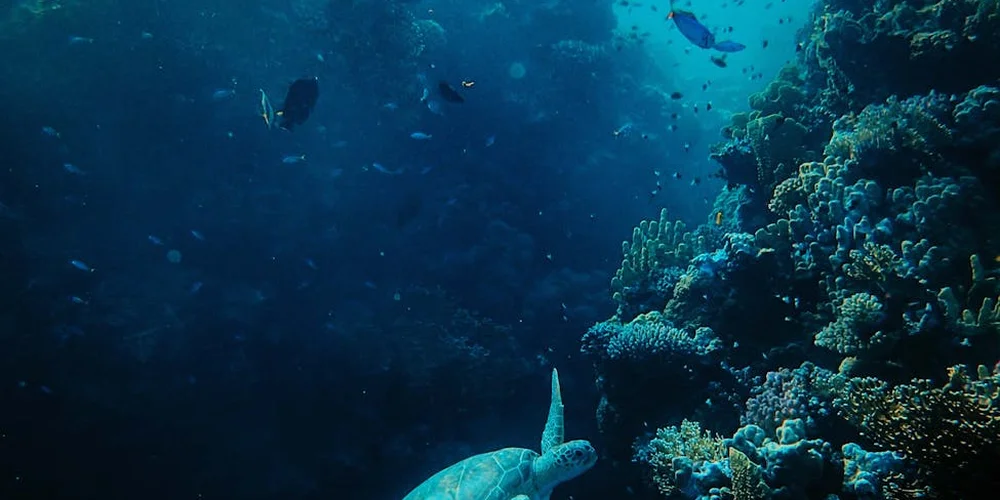
Turtles have remarkable neck flexibility, allowing them to retract their heads for protection. Some species, like my Russian tortoise Austen, pull their necks straight back, while others, such as box turtles like Orwell, tuck them sideways. This movement is controlled by specialized vertebrae that let them hide quickly from threats.
You might notice your turtle stretching its neck to explore or bask. Observing this behavior helps you understand their comfort level and needs in their habitat. I’ve spent hours watching Bronte gracefully extend her neck to reach food, which shows how well-adapted they are to their environments.
Jaws, Beak, and Eating Mechanisms
Turtles lack teeth but have sharp, beak-like jaws perfect for tearing food. Their powerful jaw muscles let them crunch through tough vegetation or prey, depending on the species. In my care, I’ve seen how Orwell uses his beak to precisely bite into fruits, while Austen prefers grazing on leafy greens. These beaks grow as the turtles grow, and wear from eating helps keep them functional. When overgrown, some caretakers trim or file the beaks so the turtles can feed properly.
- Beak structure: Made of keratin, it grows continuously and may need trimming in captivity if diet doesn’t wear it down.
- Eating style: They use a combination of biting and swallowing, often aided by their tongue.
Offer a varied diet to keep their beaks healthy and support natural behaviors. Providing calcium-rich foods strengthens their jaw function and overall well-being. I always include cuttlebone in their enclosures to help with beak maintenance.
Eyes, Eyelids, and Sensory Organs
Turtles rely on their eyes for spotting food and predators, with vision adapted to their aquatic or terrestrial lifestyles. Their eyes are positioned on the sides of the head, giving them a wide field of view to stay alert. Along with eyes, they use senses like smell and touch through their skin and specialized organs.
I’ve noticed how Bronte’s eyes gleam in the light when she’s curious about her surroundings. Keeping their habitat clean reduces eye irritants and supports clear vision. Regular check-ups help detect issues early, ensuring your turtle stays healthy and happy.
Do Turtles Have Eyelids?
Yes, most turtles have eyelids that they use to blink and protect their eyes. These eyelids help keep debris out and moisten the eyes, similar to how ours work. Watching Orwell slowly blink when he’s relaxed is a soothing reminder of their calm nature, and it’s a sign they feel secure in their environment. By observing their blinking and eye movements, you can learn to read your turtle’s blinking patterns. Subtle shifts in blink rate or eye direction can reveal comfort, stress, or curiosity.
Limbs, Toes, and Claws: Adaptations for Movement
Forelimbs and Hindlimbs: Structure and Function
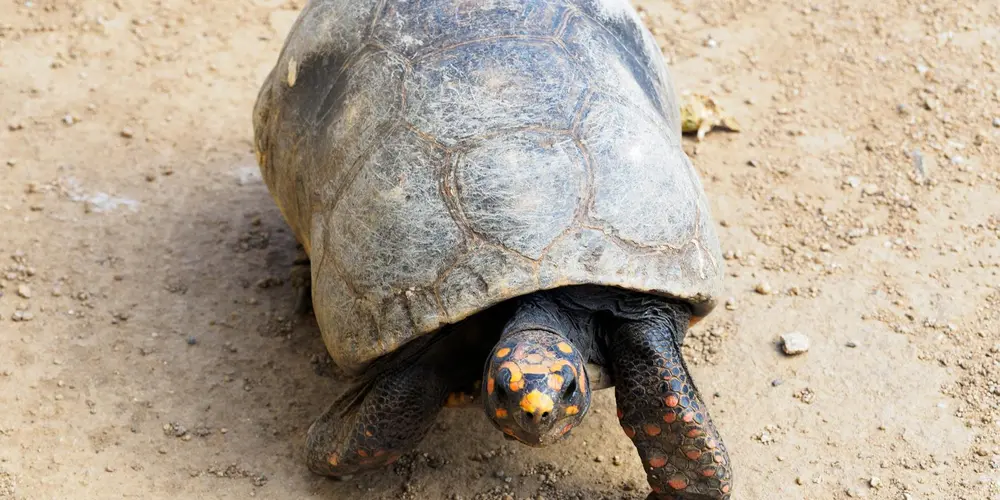
Your turtle’s legs are not just simple appendages; they are powerful tools shaped by evolution for specific tasks. Forelimbs are typically modified into flippers for aquatic species or stout, column-like legs for terrestrial tortoises, built for weight-bearing and propulsion. My Russian tortoise, Austen, has these strong front legs that he uses like little shovels to push himself across his terrain. In contrast, the hindlimbs provide the main thrust for swimming in water-dwelling turtles and offer additional leverage for digging and climbing on land.
Claws and Toes: Grip and Digging
Look closely at your turtle’s feet, and you’ll see a masterclass in functional design. The number of toes and the webbing between them directly correspond to their primary habitat and lifestyle. Aquatic turtles often have more webbing and longer claws for efficient paddling, while land tortoises have sturdier, less-webbed feet for traction.
- Aquatic Turtles: Long claws and significant webbing for swimming.
- Semi-Aquatic Turtles: A balance of webbing and defined toes for both land and water.
- Tortoises: Stout, elephant-like feet with minimal webbing for walking on rough ground.
Do Turtles Have Claws?
Yes, absolutely. Every species of turtle and tortoise possesses claws, though their size and sharpness vary dramatically. My Greek tortoise, Bronte, has delicate claws perfect for gripping rocky surfaces, whereas my box turtle, Orwell, has sharper ones he uses for digging and tearing food. For aquatic turtles, males often have conspicuously longer front claws that they use in mating rituals.
Internal Anatomy: Vital Systems and Organs
Respiratory System: How Turtles Breathe
A turtle’s most iconic feature, its shell, is directly involved in its breathing. Unlike us, turtles cannot expand their ribcages to breathe because their ribs are fused to the inside of their shell. Instead, they use specialized muscles around their limbs and neck to pump air in and out of their lungs. You can sometimes see the subtle movement of their limbs when they take a deep, relaxed breath. You might wonder: do turtles have lungs or gills? They have lungs and must surface to breathe air; they do not have gills at any life stage.
Digestive System and the Cloaca
A turtle’s digestive journey is a slow and steady process, perfectly suited to their metabolism. Food moves from the mouth (lacking teeth but equipped with a sharp beak) down a long digestive tract, where nutrients are extracted over hours or even days. What isn’t used is eventually processed and prepared for elimination.
Do Turtles Have a Cloaca?
They do. The cloaca is a multi-purpose chamber that serves as the exit point for the digestive, urinary, and reproductive systems. Think of it as a single, efficient utility port. In females, it’s also the passage for laying eggs. Keeping this area clean is a vital part of responsible turtle care, as it’s susceptible to infection.
Circulatory and Skeletal Support
Inside that protective shell, a turtle’s body is a marvel of efficient design. A three-chambered heart works diligently to pump blood, and a unique adaptation allows some species to tolerate lower oxygen levels, especially during brumation (a form of hibernation). The skeleton provides the foundational structure for the shell itself, with the spine and ribs fused to the carapace (the top shell). This rigid structure is why a damaged shell is such a serious medical issue for a turtle. Within turtle anatomy, the shell is an integrated, living part of the skeleton—the carapace and plastron are formed by fused ribs and vertebrae and covered by keratinous scutes. Shell biology examines how this unique bone–keratin interface grows, regenerates, and protects internal organs.
The entire internal system is a lesson in energy conservation, built for a long, slow, and purposeful life. Understanding this helps you appreciate why a sudden, stressful environment can be so physically taxing for them.
Putting It All Together: Anatomy in Daily Care
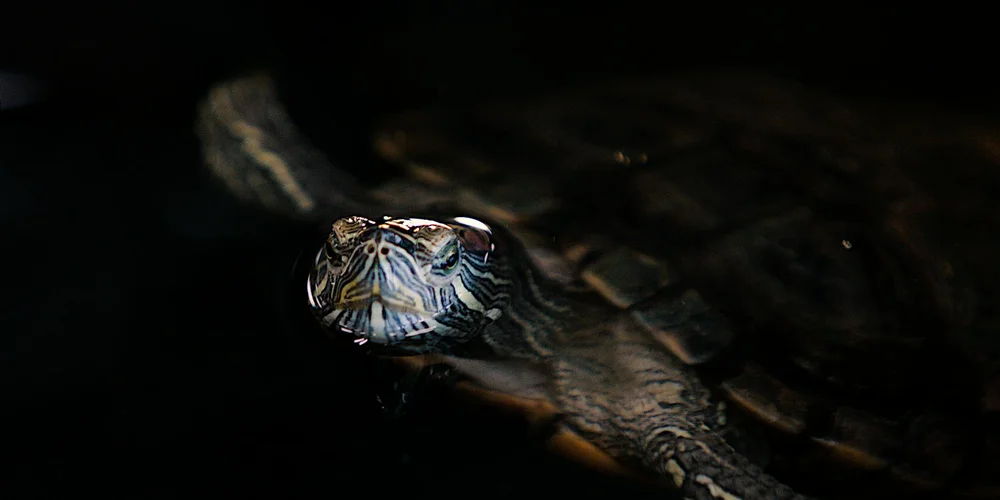
Knowing your turtle’s anatomy isn’t just academic; it’s the foundation of good, proactive pet care. Your daily observations become a powerful health check when you know what you’re looking at. That knowledge translates into everyday turtle anatomy health checks—watching shell condition, limb movement, and eye clarity. Small changes can signal problems early, guiding timely care. I’ve learned more from quietly watching my trio than from any book.
Observing Normal Anatomy in Pet Turtles
Start by getting familiar with what “normal” looks like for your specific turtle. Their anatomy is designed for a life of slow, deliberate movement and environmental interaction. For quick reference, the turtle anatomy biology FAQs cover shells, limbs, and internal organs. This helps you spot normal variation and recognize when something’s off.
- The Shell: A healthy shell is hard and smooth to the touch, without any soft spots, flaking, or discoloration. My Russian tortoise, Austen, has a beautifully domed, solid shell he retreats into when surprised.
- Skin and Scales: Look for clean, well-fitted skin on the legs, neck, and head. Their skin should be free of wounds or retained shed, which can look like stuck, parchment-like pieces.
- Eyes and Nose: Both should be clear and free of discharge. Your turtle’s eyes should be bright and fully open when active. My Greek tortoise, Bronte, often looks at me with such clear, thoughtful eyes.
- Limbs and Claws: All four legs should be used equally for movement. Claws will show some wear from walking but shouldn’t be overgrown or cracked. Watch how they use their strong legs to navigate their terrain.
Spend a few minutes each day just watching how your turtle moves, eats, and rests. This habit helps you spot the smallest changes that could signal a bigger issue.
When Anatomy Signals a Problem
Your turtle’s body will tell you when something is wrong. The key is learning its language. I’ve had a few scares over the years that taught me to act quickly. Understanding turtle body language, especially coloration changes, helps you spot trouble before it gets worse. Color shifts can signal stress, illness, or environmental problems, prompting a check of their habitat.
- Shell Abnormalities: A soft shell in anything but a hatchling is a major red flag for metabolic bone disease. Pyramiding, where the scutes rise into pyramid-like shapes, often points to improper diet or humidity.
- Respiratory Distress: Bubbles from the nose or mouth, wheezing sounds, or a turtle that seems to be gasping are urgent signs of a respiratory infection. This requires immediate veterinary attention.
- Swollen Eyes or Ears: Puffy, closed eyes can indicate a vitamin A deficiency. A noticeable bulge on the side of the head, just behind the eye, is often a sign of a painful ear abscess.
- Skin and Limb Issues: Red, inflamed skin can signal a bacterial or fungal infection. If your turtle is favoring a limb or dragging itself, it could have an injury or internal issue like egg-binding in females.
Any sudden change in your turtle’s appearance or behavior is a reason to pause and investigate further. Trust your instincts; you know your shelled friend best.
FAQs
Where are the turtle’s pectoral girdles located?
The pectoral girdles are situated inside the shell, fused to the plastron. They provide attachment points for the front limbs, enabling movement and support.
Where are the turtle’s pelvic girdles located?
The pelvic girdles are positioned within the shell, connected to the carapace and plastron. They anchor the hind limbs and aid in propulsion during walking or swimming.
Where is the turtle’s heart located in relation to the shell?
The heart is located in the upper body cavity, protected by the carapace. It sits anteriorly, often near the base of the neck for optimal safety and function.
Your Turtle’s Anatomy: A Path to Better Care
Grasping that a turtle’s shell is fused to its spine means you’ll always handle them with gentle, steady hands to prevent harm. Noticing changes in their eyes or skin helps you spot health concerns before they grow, keeping your pet safe and sound.
Commit to learning more about species-specific needs, like those of my Greek tortoise Bronte, to build a habitat that supports their natural behaviors. Your dedication to ongoing education in pet turtle care ensures a thriving, joyful life for your shelled friend and strengthens the bond you share.
Further Reading & Sources
- Sea Turtle Anatomy – ECOMAR
- The Anatomy of Sea Turtles
- Body plan of turtles: an anatomical, developmental and evolutionary perspective – PubMed
- Turtle skeleton | Atlas of Comparative Vertebrate Anatomy
Matthew is a dedicated turtle enthusiast and conservationist with over 15 years of experience in reptile care. Known affectionately as "The Leatherback" among his peers, he combines his passion for turtles with a commitment to educating pet owners on responsible turtle care and environmental stewardship.
Understanding Turtle Behavior