
Snapping Turtle Behavior & Biology
Published on: May 27, 2026 | Last Updated: May 27, 2026
Written By: Matthew The
If you’ve ever spotted a snapping turtle and felt a mix of curiosity and caution, you’re not alone-their reputation for aggression often overshadows their fascinating nature. From my time observing reptiles like my own tortoises, I’ve seen how misunderstood behaviors stem from survival instincts, not malice.
We’ll dive into their biology, common behaviors, feeding habits, reproduction, and safe interaction tips.
The Nature of Snapping Turtles: An Overview
Snapping turtles are fascinating reptiles that thrive in freshwater habitats like ponds and slow-moving rivers. Their rugged shells and powerful jaws make them stand out among other turtle species I’ve cared for, such as my gentle Russian tortoise Austen. These turtles can live for decades, often reaching 30 to 40 years in the wild, which highlights their resilience.
In my experience, each turtle has a unique personality, but snapping turtles are generally solitary and territorial. They prefer to spend much of their time submerged, using their long necks to ambush prey or scavenge for food. Unlike my thoughtful Greek tortoise Bronte, who enjoys basking, snapping turtles are more active hunters and opportunistic feeders. For instance, the alligator snapping turtle is a classic example of ambush predation, using a worm-like lure on its tongue to attract prey. Its diet includes fish, amphibians, crustaceans, and carrion, reflecting a patient, bottom-dwelling hunting strategy.
- Omnivorous diet: They eat plants, fish, insects, and even small animals, helping maintain ecosystem balance.
- Habitat preferences: Look for them in muddy bottoms or vegetated areas where they can hide and hunt effectively.
- Physical traits: A dark, rough shell and a beak-like mouth adapted for crushing and tearing food.
From observing my reserved box turtle Orwell, I’ve learned that turtles communicate through body language, but snapping turtles rely more on instinct for survival. Respecting their space is key to avoiding stress, which aligns with animal welfare principles I always advocate for. Their behavior isn’t about aggression; it’s a natural response to perceived threats. That leads to a broader question: do common box turtle behaviors mean something about their mood or needs? Interpreting these cues helps us respond appropriately and reduce stress in their environment.
Defensive Behaviors: Understanding the Snap
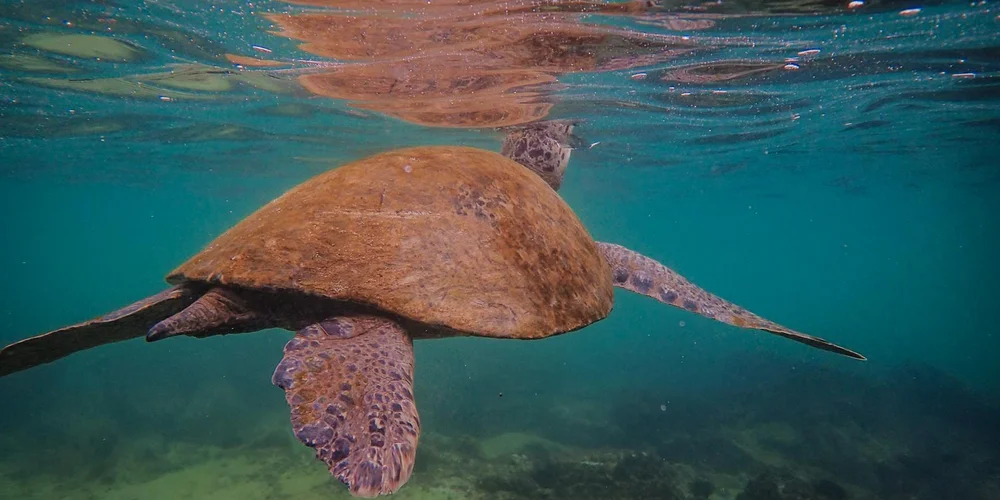
Snapping turtles use their famous “snap” as a primary defense mechanism when they feel cornered or threatened. This quick, powerful bite isn’t meant to attack but to deter predators, much like how my turtles might retreat into their shells for safety. Their bite power is among the strongest of any reptile, capable of delivering a rapid, crushing snap. I’ve seen similar defensive postures in other species, but snapping turtles take it to another level with their speed and strength.
Their long necks allow them to strike unexpectedly, so always approach with caution. If you encounter one in the wild or as a pet, give it plenty of room to reduce the risk of a defensive reaction. This simple step can prevent injuries and keep the turtle calm, supporting its well-being.
- Watch for warning signs: Hissing, lunging, or a raised head indicate the turtle is on alert.
- Avoid handling: Use tools like a shovel or net if you must move one, and never pick them up by the tail.
- Stay calm and back away slowly: Sudden movements can trigger a snap, so move steadily to de-escalate the situation.
In my years of turtle care, I’ve found that understanding these behaviors helps build a respectful relationship with these animals. By prioritizing their comfort, you not only protect yourself but also contribute to their long-term health and happiness. Remember, snapping turtles aren’t inherently aggressive; they’re just wired for survival in a challenging world. If you’re looking for a quick safety guide on snapping turtle behavior facts, knowing these cues helps you stay safe and respectful. Staying calm and giving them space reduces risk for both you and the turtle.
Social Interactions and Friendliness
Snapping turtles are the quintessential loners of the turtle world. Their social calendar is blissfully empty, and they prefer to keep it that way. I’ve observed my own turtles, Austen and Bronte, peacefully co-existing, but introducing a snapper into that dynamic would be a recipe for stress and potential injury. They simply lack the wiring for community.
You will not find a snapper basking in a friendly pile with others. Their primary social interaction is a defensive one. If they feel cornered or threatened, their powerful beak is their first and only line of communication. This isn’t aggression for sport; it’s a deeply ingrained survival mechanism.
Interacting with Humans
Hand-feeding a snapper is an activity I would never recommend. Unlike my box turtle, Orwell, who gently takes food from my fingers, a snapper’s feeding response is a lightning-fast, indiscriminate snap. They associate your presence with food, not friendship, and your fingers can easily be mistaken for a tasty morsel. Their “friendliness” is measured solely by their tolerance of your presence at a safe distance.
Diet and Feeding Habits
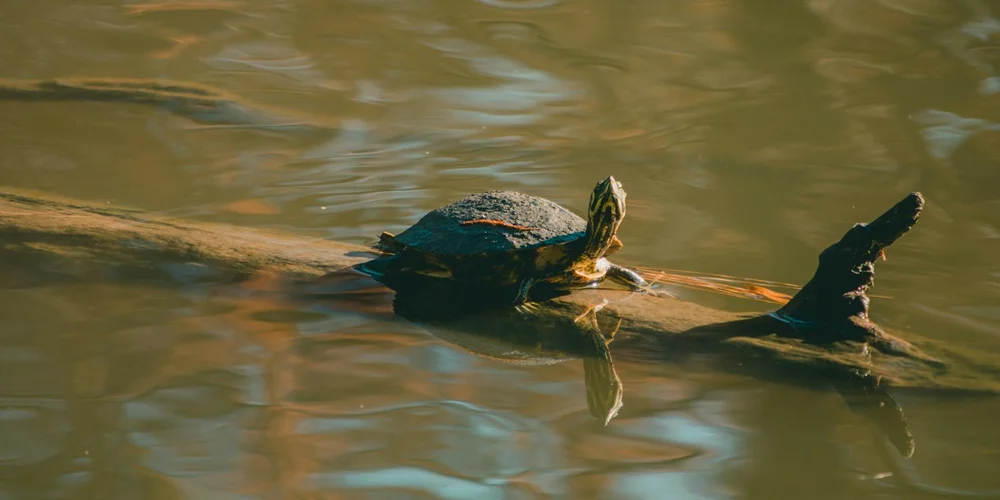
Snapping turtles are opportunistic carnivores, essentially the cleanup crew of their aquatic habitats. Their diet is a messy, fascinating reflection of their role as an aquatic omnivore and scavenger. They are not picky eaters and will consume almost anything they can overpower or find. In the wild, this opportunism means they frequently hunt for fish and amphibians, and will scavenge carrion when available.
What They Eat in the Wild
Their natural diet is incredibly varied and helps control populations of other species. In my own pond observations, I’ve noted they are crucial for ecosystem balance.
- Fish, both live and deceased
- Frogs, tadpoles, and salamanders
- Crayfish and other aquatic invertebrates
- Aquatic insects and their larvae
- Small mammals or birds that venture into the water
- Significant amounts of aquatic vegetation and carrion
Feeding a Pet Snapping Turtle
Caring for a snapper requires a deep commitment to replicating this varied diet for their health. Providing a diverse, protein-rich menu is non-negotiable for their long-term well-being. I feed my turtles a mix of whole foods to ensure nutritional completeness, and a snapper’s diet would be a more intense version of this.
- Staple Protein: Offer high-quality commercial turtle pellets designed for carnivorous species.
- Whole Prey Items: Provide gut-loaded insects, earthworms (a favorite of my turtles), and feeder fish. This encourages natural hunting behavior.
- Occasional Variety: Supplement with small amounts of cooked, unseasoned lean meat or seafood as a rare treat.
- Plant Matter: Include leafy greens like dandelion greens and romaine lettuce, though they will often be ignored in favor of meat.
Feeding should be done with long-handled tongs, never by hand. Their strike is faster than the human eye can reliably follow, making hand-feeding an extreme risk. Drop the food into the water and step back, allowing them to eat in peace. This respects their nature and keeps you safe.
Reproduction and Lifecycle
Witnessing the reproductive cycle of a snapping turtle is observing pure, ancient instinct in action. I’ve spent many springs watching female snappers embark on their determined, land-based journeys to find the perfect nesting site. They often travel surprisingly far from water, driven by an innate need for loose, sandy soil that gets plenty of sun.
The Nesting Ritual
Here is the step-by-step process I’ve observed and studied:
- Site Selection: The female meticulously tests the ground with her hind legs, seeking the ideal spot.
- Digging the Chamber: Using her powerful back feet in an alternating motion, she excavates a flask-shaped hole. This can take hours.
- Egg Laying: She deposits a clutch of 20 to 40 leathery, ping-pong ball-sized eggs into the chamber.
- Camouflage: She carefully covers the nest, smoothing the soil to disguise its location from predators like raccoons and skunks.
After this immense effort, she returns to the water, offering no parental care. The temperature of the nest actually determines the sex of the hatchlings, with warmer nests producing more females.
The Hatchling Journey
After incubating for 80 to 90 days, the hatchlings use a temporary “egg tooth” to break free from their shells. They often remain in the nest through their first winter, emerging the following spring. This first, perilous trek from nest to water is a gauntlet where few survive. Their tiny size and soft shells make them vulnerable to everything from birds to house cats.
Species-Specific Behaviors: Alligator vs. Common Snapping Turtles

While often grouped together, these two North American giants have distinct personalities and survival strategies. From my own observations, understanding these differences is key to appreciating their unique roles in the ecosystem.
Common Snapping Turtle (Chelydra serpentina)
This is the turtle you’re most likely to encounter. They are the adaptable generalists.
- Personality: Highly defensive on land, but surprisingly shy and retiring in the water.
- Hunting Style: An active forager. They prowl the bottom, using their sharp beak to ambush prey.
- Defense Posture: On land, they stand their ground, splaying their legs to appear larger and striking with incredible speed.
- Habitat: They thrive in a wide range of freshwater habitats, from muddy ponds to slow-moving rivers.
Their name ‘serpentina’ hints at their snake-like neck, which can strike over half the length of their shell.
Alligator Snapping Turtle (Macrochelys temminckii)
This prehistoric leviathan is a master of deception. They are the patient ambush predators.
- Personality: Far more sedentary and less aggressive outside of the water than their common cousins.
- Hunting Style: They employ a unique lure. A pink, worm-like appendage on their tongue wiggles to attract curious fish directly into their cavernous mouth.
- Defense Posture: They rely on their immense size, powerful jaws, and heavily armored shell for protection.
- Habitat: They prefer deeper river systems, canals, and lakes, often spending much of their time lying motionless on the bottom.
Their sheer mass and unique hunting technique make them one of the most specialized freshwater turtles in the world. It’s a heartbreaking reality that both species face significant threats from habitat loss and the cruel pet trade, underscoring the need for their conservation and protection in the wild.
Habitat and Thermoregulation Needs
In the wild, snapping turtles are masters of freshwater ecosystems, favoring slow-moving waters with soft, muddy bottoms. Their entire biology is built for a life spent mostly submerged, acting as the vacuum cleaners of their habitat. I’ve observed my own turtles, and while they aren’t snappers, the fundamental need for a proper thermal gradient is universal. Like all aquatic turtles, they must surface to breathe air, so a habitat should allow safe access to the surface and a basking spot. Understanding their respiration helps explain why water temperature and oxygen levels matter in habitat setup.
Creating a suitable captive habitat is your greatest responsibility. It must be spacious and complex.
- Aquatic Zone: They require a very large water area for swimming and submerged resting. The water must be kept impeccably clean with powerful filtration to prevent shell and skin infections.
- Basking Area: A completely dry, stable platform under a dedicated heat lamp is non-negotiable. They may not bask as openly as other turtles, but they absolutely need the option to thermoregulate.
- Substrate: A soft, sandy area in part of the enclosure allows for natural digging and burying behaviors, which is crucial for their mental well-being.
Thermoregulation is their internal thermostat. They are ectotherms, relying entirely on external heat sources to control their body temperature and metabolic rate. A proper temperature gradient lets them move between warm and cool areas to self-regulate, which directly impacts their digestion and immune function.
Conservation and Threats
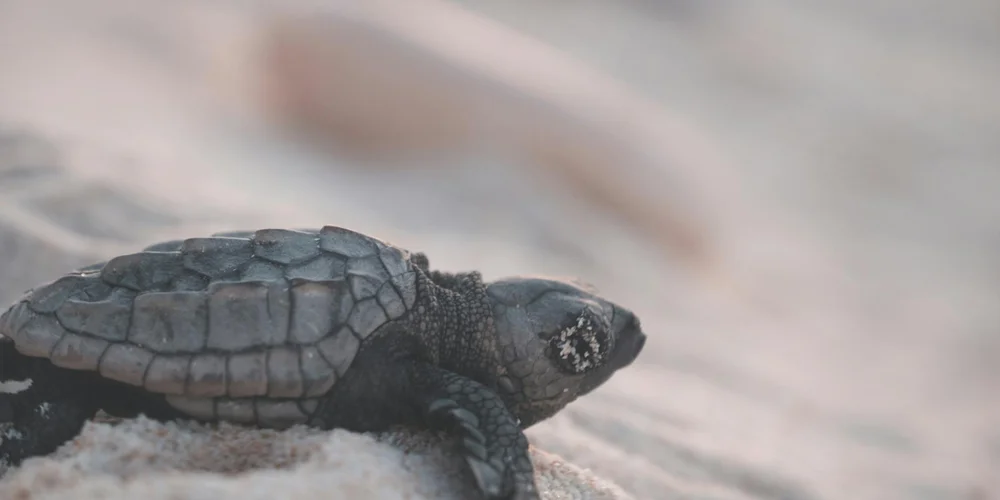
Snapping turtles are ancient survivors, but modern pressures are testing their resilience. Their populations are declining in many regions, primarily due to human activity. Predators of turtle eggs, especially raccoons, birds, and foxes, also shape their survival. As someone who advocates for all reptiles, understanding these threats is the first step toward protecting them.
The most significant dangers they face are often a direct result of our infrastructure and expansion.
- Habitat Loss and Fragmentation: Wetland drainage for development destroys their homes. Roads that cut through their territories lead to high mortality rates as females travel to nest.
- Road Mortality: This is a devastating and common cause of death, especially for nesting females during the summer months. They are slow-moving on land and no match for vehicles.
- Water Pollution: As long-lived aquatic scavengers, they bioaccumulate toxins like PCBs and heavy metals in their tissues, which can impact their health and reproduction.
Their ecological role is profound. By scavenging dead and decaying matter, they help keep waterways clean and nutrient cycles in balance. Removing them from an ecosystem can have cascading negative effects. If you encounter one in the wild, admire it from a respectful distance and never attempt to handle it. The best way to help is to protect the wetlands they call home.
FAQs
What is snapping turtle behavior?
Snapping turtles are mostly solitary and spend much of their time hidden underwater or buried in mud. They display defensive snapping when threatened but avoid interactions unless necessary for survival. In the wild, they inhabit slow-moving rivers, ponds, marshes, and wetlands with muddy bottoms. For more information about their natural habitats, check out details on snapping turtles in the wild. They are widespread in North America, especially in the eastern United States and southern Canada, where they bask on logs and forage in shallow waters.
What are the snapping turtle behavioral adaptations?
Their long, flexible necks enable quick strikes to catch prey or deter threats from a distance. They also have rugged, camouflaged shells and strong jaws adapted for crushing food and defense in aquatic environments.
What is snapping turtle mating behavior?
Males actively pursue females in water, often nudging or biting to initiate courtship before mating. Females then leave the water to dig nests on land, where they lay eggs and cover them before returning, offering no further care.
What does a snapping turtle mating behavior video show?
It typically captures the male mounting the female in water, with possible courtship nudges or bites during the encounter. The footage may also show the female later traveling to land, digging a nest, and laying eggs before camouflaging the site.
What are the behavioral adaptations of the alligator snapping turtle?
They use a unique, worm-like tongue appendage to lure prey close before striking, making them patient ambush hunters. Their sedentary nature and reliance on camouflage reduce energy expenditure, while their massive jaws provide defense without frequent movement.
Living in Harmony with Your Snapping Turtle
Providing a spacious aquatic habitat and respecting their powerful nature by avoiding unnecessary handling are the foundations of caring for a snapping turtle. Meeting their specific needs is the most direct path to a healthy, long-lived turtle. Snapping turtles can live for many decades under proper care. A long-term commitment is part of the joy of keeping one.
Committing to a snapping turtle means committing to a lifetime of learning about their unique biology and welfare. Your journey as a responsible keeper is a continuous, rewarding process of education and adaptation. Part of their biology is how they survive winter, often by brumation in mud or beneath ice. Understanding this helps you prepare proper seasonal care.
Further Reading & Sources
- Common snapping turtle – Wikipedia
- BioKIDS – Kids’ Inquiry of Diverse Species, Chelydra serpentina, Common Snapping Turtle: INFORMATION
- Chelydra serpentina (Common Snapping Turtle) | INFORMATION | Animal Diversity Web
- Biology of the Snapping Turtle (Chelydra serpentina) | Hopkins Press
Matthew is a dedicated turtle enthusiast and conservationist with over 15 years of experience in reptile care. Known affectionately as "The Leatherback" among his peers, he combines his passion for turtles with a commitment to educating pet owners on responsible turtle care and environmental stewardship.
Understanding Turtle Behavior